Introduction
As wearable electronics evolve—from smart rings and medical patches to silicone wristbands and connected apparel—reliable, miniaturized NFC functionality is no longer optional. For manufacturers, selecting the right NFC inlay wearable or NFC module OEM partner directly impacts performance, compliance, and time-to-market. This guide delivers a concise, actionable sourcing framework grounded in real-world NFC component capabilities available through RFIDHY, RFIDTAGHY, NFCWORK, and WristbandHY.
What Are NFC Inlays and Modules?
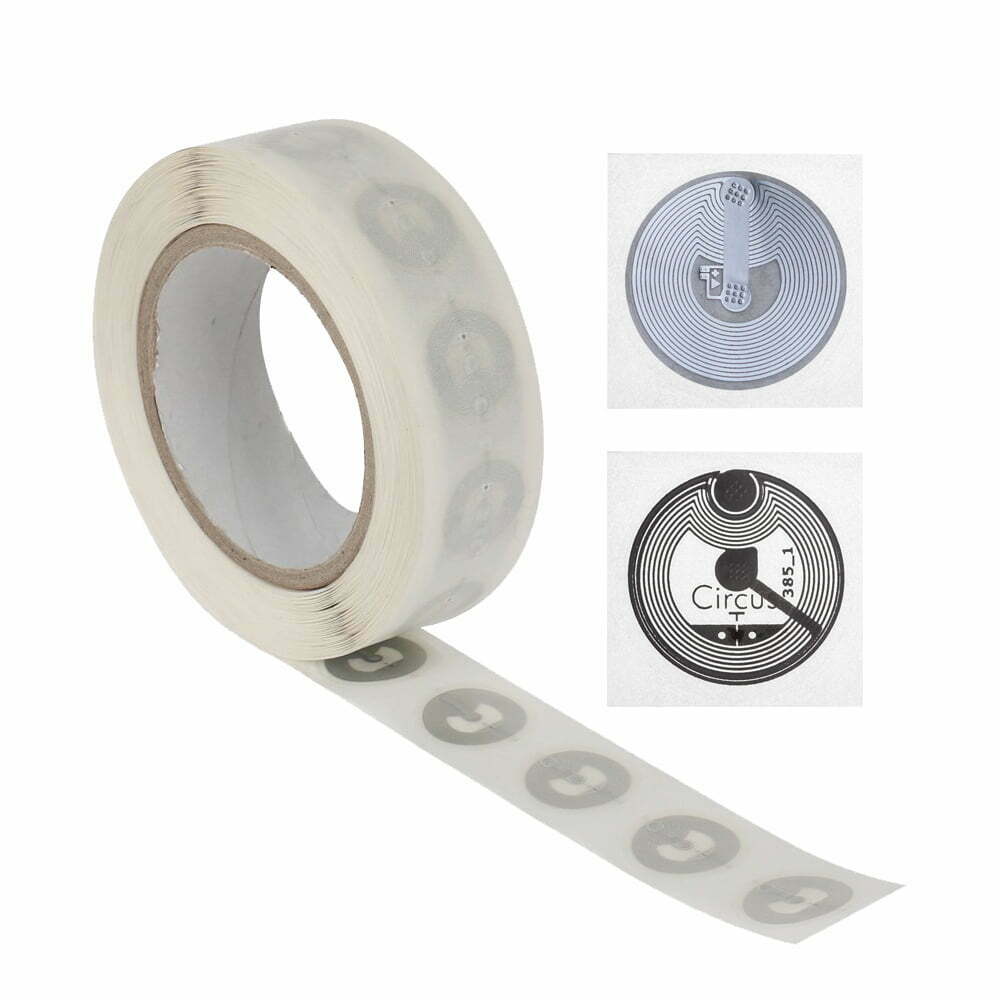
An NFC inlay consists of an antenna and integrated circuit (IC) mounted on a substrate—typically PET, flexible printed circuit (FPC), or textile. An NFC module adds protective housing or carrier features (e.g., adhesive backing, overmold compatibility, or SMD pads) for robust integration into wearables. —Learn more about hotel nfc solution.
Chip Selection Guide
Choosing the right IC determines memory capacity, security, power mode, and interface capability. Below is a comparison of widely deployed chips compatible with NFCWORK and RFIDHY inlays: —Learn more about rfid thermal wristband.
>
| Chip Type | Memory | Security Level | I²C Support | Typical Use Case |
|---|---|---|---|---|
| NXP NTAG 213/215/216 | 144–888 bytes | Basic password protection | No | Passive authentication, digital product passport (DPP) tags in Digital Product Passport |
| NXP NTAG I²C Plus | 1 KB EEPROM + 1 KB RAM | Secure element support | Yes | Bidirectional smartwatches & health wearables |
| NXP MIFARE DESFire EV3 | 2–8 KB | CC EAL5+, AES-256 | No | Secure access control in Smart Wearable Identification |
| STMicroelectronics ST25DV | 2–64 KB | I²C + RF dual interface | Yes | Dual-mode medical patches and washable smart garments |
Antenna Substrate Types
The substrate defines flexibility, durability, and environmental resilience:
>
| Substrate | Pros | Cons |
|---|---|---|
| PET | Low cost, high consistency, ideal for lamination | Limited bend radius; not suitable for tight curves |
| FPC (Flexible PCB) | Excellent conformability, supports SMD integration | Higher cost; requires precision handling |
| Textile | Washable, breathable, seamless garment integration | Lower read range; specialized tuning required |
Module Form Factors
Match the physical format to your manufacturing process:
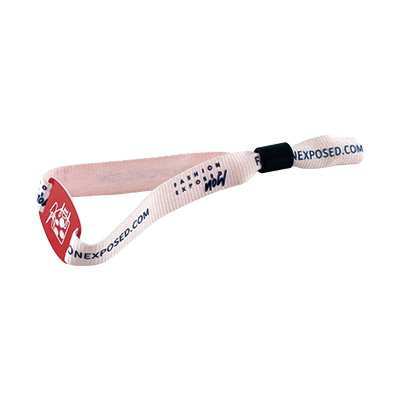
- Wet inlay: Adhesive-backed — ideal for laminating into silicone wristbands (WristbandHY) or fabric layers
- Dry inlay: No adhesive — designed for insert molding in rigid wearables
- SMD module: Surface-mountable — used in PCB-based smartwatches and trackers
- Overmold-ready module: Encapsulated in thermoplastic or silicone — optimized for Smart Wearable Identification applications requiring IP67+ sealing
Procurement Considerations
Lead times, MOQs, and quality assurance are critical for production planning:
- MOQ: 1,000–10,000 units for standard inlays; ≥10,000 for custom designs
- Lead time: 2–4 weeks for stock items (e.g., RFIDTAGHY HF inlays); 6–8 weeks for custom antenna tuning or substrate engineering
- Quality standards: ISO/IEC 14443-A/B and 15693 compliance; ±5% antenna tuning tolerance; adhesion testing per ASTM D3359
Custom vs. Standard Inlays
>
| Factor | Standard Inlays | Custom Inlays |
|---|---|---|
| Time-to-Market | 2–3 weeks | 6–10 weeks |
| Cost per Unit | Lower (economy of scale) | Higher (NRE + tooling) |
| Design Flexibility | Limited to catalog dimensions | Full shape, size, color, and substrate control |
| Use When | Validating NFC functionality early or launching MVP | Meeting unique ergonomics, branding, or regulatory requirements |
Integration Best Practices
To preserve NFC performance in constrained wearable form factors: —Learn more about rfid starter kit.
- Maintain ≥3 mm antenna-avoidance zone around metal or conductive materials in enclosures
- Validate NFC read range post-overmolding using reference devices (e.g., Samsung Galaxy S23, iPhone 14/15)
- Perform pre-production validation with at least three NFC-enabled smartphones across Android and iOS platforms
Recommended Chip–Substrate Combinations
>
| Wearable Type | Recommended Chip | Optimal Substrate |
|---|---|---|
| Silicone wristband | NTAG 215 | PET wet inlay |
| Smart ring | MIFARE DESFire EV3 | FPC dry inlay |
| Cloth strap | ST25DV | Textile inlay |
| Smartwatch | NTAG I²C Plus | FPC SMD module |
| Medical patch | ST25DV | Textile or medical-grade PET |
FAQ
- Do RFIDHY and NFCWORK offer OEM support for custom NFC inlays?
Yes — both RFIDHY and NFCWORK provide full OEM services including antenna design, chip customization, and substrate engineering for qualified wearable device manufacturers. - Are NFC inlays compliant with EU DPP requirements?
All NTAG- and DESFire-based inlays from RFIDTAGHY and NFCWORK support NDEF-compliant data structures required for Digital Product Passport implementation. - Can I test NFC inlays before placing volume orders?
Yes — sample kits (including PET, FPC, and textile variants) are available upon request via CONTACT US. - What certifications do your NFC modules carry?
Products comply with ISO/IEC 14443-A/B, CE, FCC, and RoHS. Medical-grade textile inlays meet ISO 10993 biocompatibility standards where applicable.
Ready to Integrate NFC Into Your Next Wearable?
Contact our engineering team for a free NFC inlay consultation, custom feasibility review, and sample request. We support NFC module OEM partnerships with scalable production, rapid prototyping, and full documentation — all backed by RFIDHY and NFCWORK’s global supply chain.