From Tap-to-Pay to Tap-to-Transform: The Evolution of NFC in Wearables
NFC wearable technology has matured from simple payment enablers into intelligent, multi-functional interaction hubs. Today’s NFC smart wearable solutions integrate secure elements, bidirectional communication protocols, and ruggedized form factors — enabling enterprises to deploy trusted, frictionless experiences across hospitality, healthcare, corporate campuses, and event venues.
1. Hands-Free Access Control
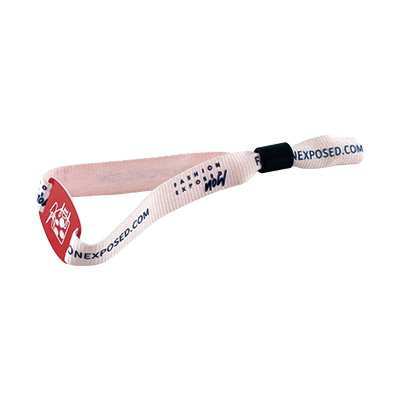
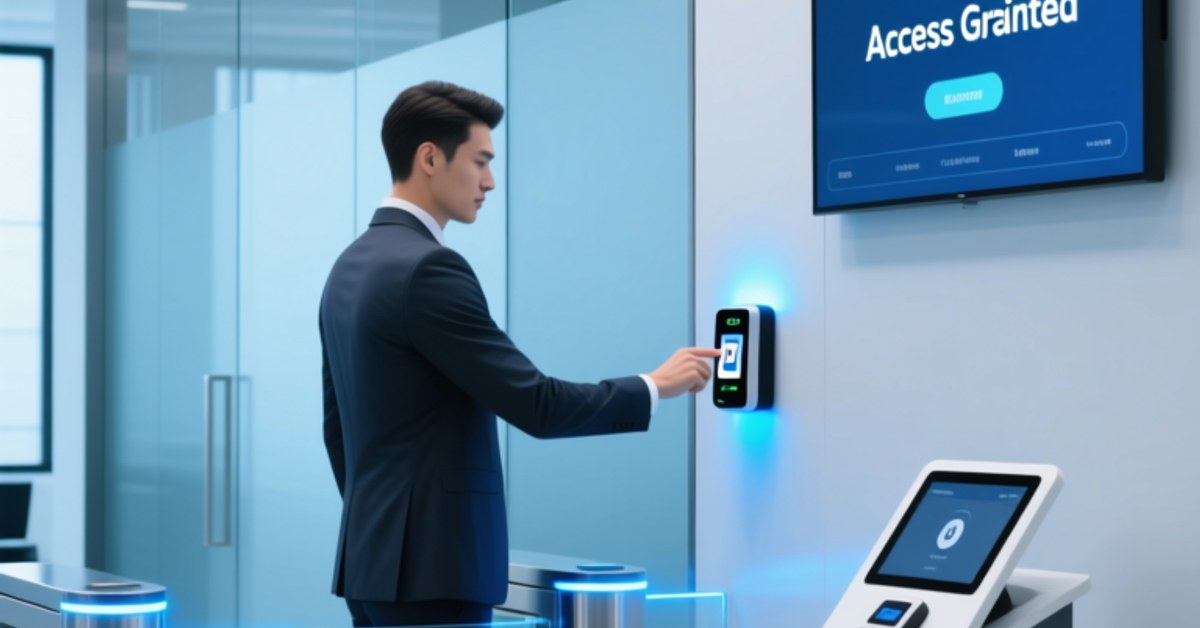
NFC wristband solutions eliminate physical keys and badges. Deployed at office buildings, gyms, hotels, and festivals, these silicone or fabric-based wearables support ISO/IEC 14443-A/B and MIFARE Classic/DESFire EV3 standards. Unlike Bluetooth alternatives, NFC requires no pairing, battery, or app — just a tap on an NFC reader. Marriott and Google campuses use similar implementations for keyless entry, and NFCWORK’s NFC wristbands are certified for secure access deployment.
2. Health & Fitness Data Sharing
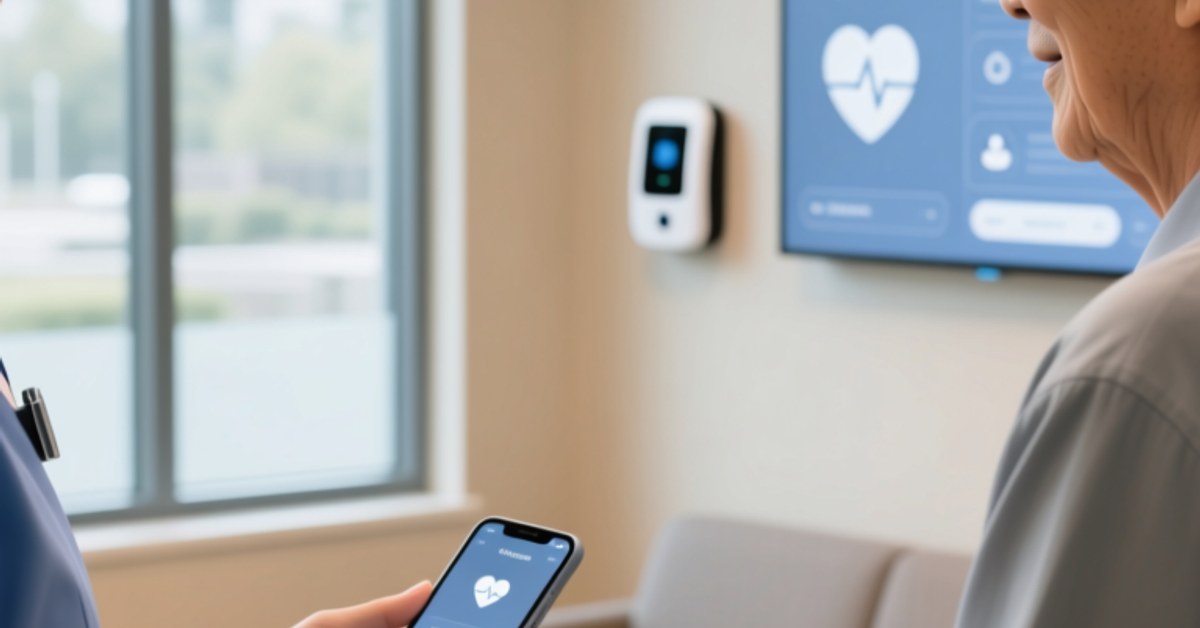
With NTAG I²C Plus chips embedded in fitness bands and smart rings, biometric summaries — sleep duration, heart rate variability, step count — transfer instantly to smartphones or clinic terminals via single-tap NFC. No Bluetooth pairing, no cloud sync delays. These NFC wearable technology systems comply with HIPAA-aligned data-handling principles when integrated with secure element modules.
3. Digital Identity & Credentialing
NFC smartwatches and wristbands now store government-issued digital IDs, employee credentials, and vaccination certificates using ISO 7816-compliant applets hosted on secure elements. This ensures tamper resistance and cryptographic integrity — critical for regulated industries like healthcare and education.
4. Smart Home Integration
A single tap on an NFC-enabled door lock, speaker, or thermostat triggers preconfigured automation. NFC acts as a universal remote — lightweight, reliable, and interoperable with existing Zigbee/Z-Wave ecosystems. RFIDHY’s NFC inlay modules support custom firmware for OEM integrators building white-label smart home wearables.
5. Transportation & Ticketing
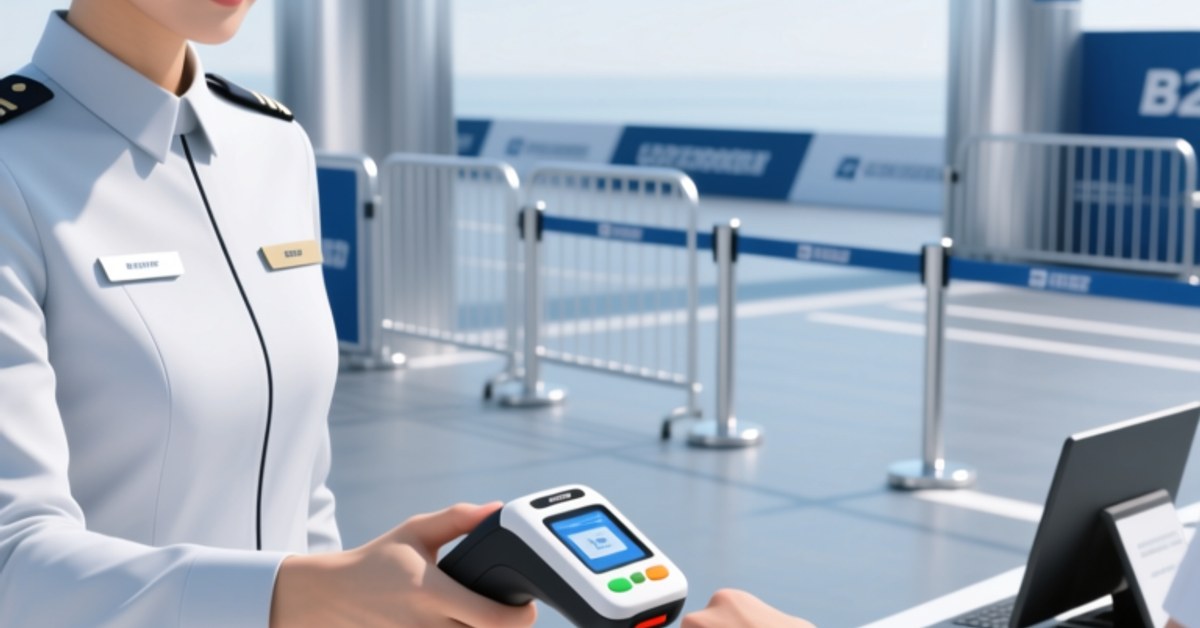
In metro systems across China, Japan, and the Middle East, NFC silicone wristbands serve as contactless transit cards with stored-value wallets. These are durable, waterproof, and compatible with legacy AFC (Automatic Fare Collection) infrastructure — making them ideal for mass deployment in high-traffic environments.
6. Emergency & Safety Identification
NFC medical ID bands store blood type, allergies, emergency contacts, and chronic conditions — readable by any NFC-enabled smartphone, even when the wearer is unconscious. Mayo Clinic and other healthcare providers rely on such passive, always-on solutions for rapid response scenarios.
Technology Enablers: Chips, Form Factors & Standards
Modern NFC in wearable deployments leverage:
- NTAG I²C Plus: Enables bidirectional data exchange between microcontroller and NFC chip — allowing real-time status updates on the wearable display after each tap.
- Form Factors: Silicone wristbands (IP68-rated), fabric straps (machine-washable), discreet smart rings, and modular smartwatch add-ons.
- Certifications: FIPS 140-2 Level 3, Common Criteria EAL5+, and EMVCo compliance ensure regulatory readiness.
Market Adoption & Industry Use Cases
>
| Industry | Use Case | Product Reference |
|---|---|---|
| Hospitality | Keyless room entry | NFC wristband |
| Healthcare | Patient ID & medical records | RFID wristband, NFC silicone wristband |
| Events | Cashless payments & access | NFC event wristband |
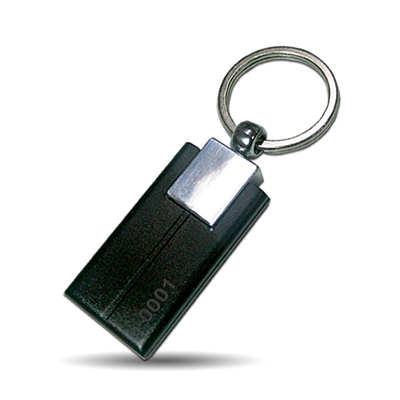
| Corporate | Digital employee badges | NFC keyfob and card, NFC wristband |
The global NFC smart wearable market is projected to reach $45B by 2028 (CAGR 22.4%), driven by demand for secure, scalable, and user-centric identity and access solutions.
FAQ
- Do NFC wearables require charging? No — passive NFC wristbands and tags operate without batteries. Active wearables (e.g., smart rings with sensors) use low-power coin cells lasting 6–12 months.
- Are NFC wristbands compatible with all smartphones? Yes — all Android devices with NFC enabled and iOS 13+ support reader mode for NFC tag interaction.
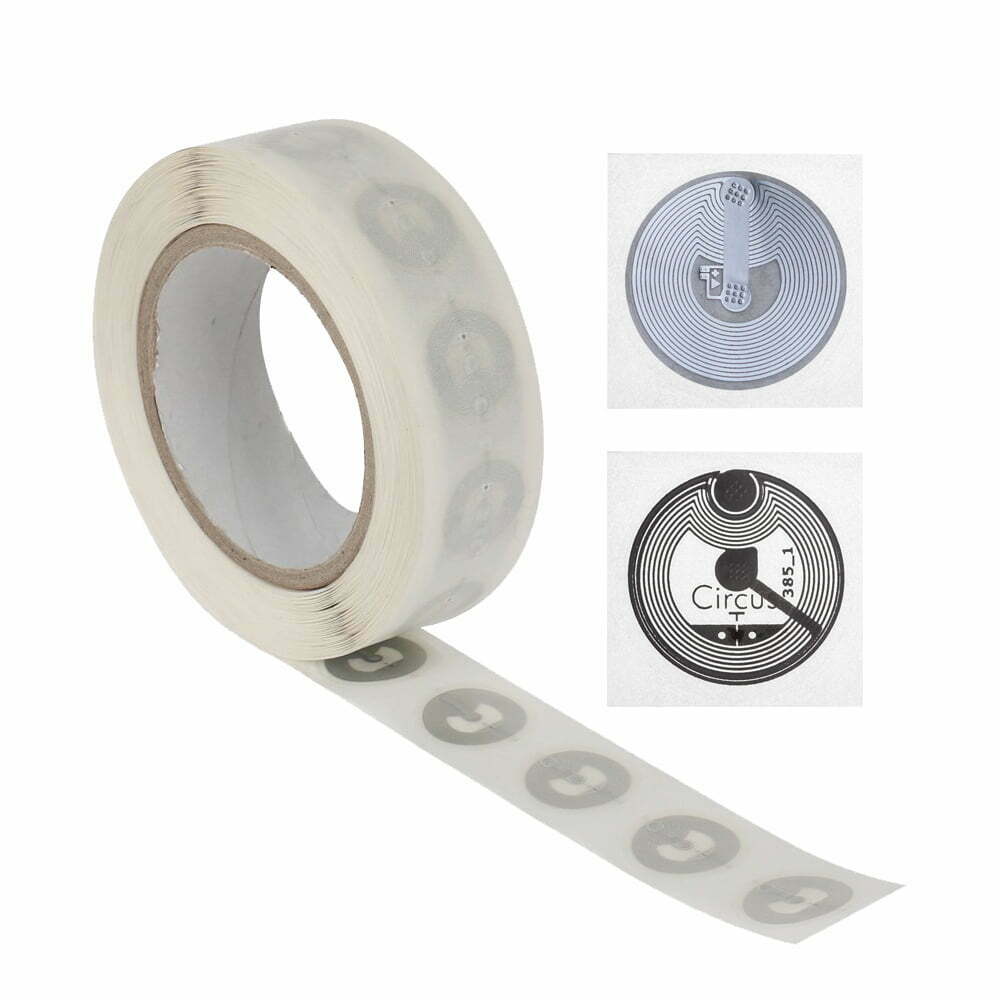
- Can NFC wearables be cloned or hacked? Enterprise-grade solutions use encrypted applets on secure elements (e.g., DESFire EV3). Passive tags like NTAG 424 DNA offer cryptographic authentication to prevent cloning.
- Where can I source certified NFC wearable hardware? NFCWORK and WristbandHY offer NFC wristbands, NFC silicone wristbands, and NFC event wristbands designed for B2B deployment.
Ready to Deploy NFC Smart Wearables?
Leverage enterprise-ready NFC products from NFCWORK and WristbandHY — including NFC wristbands, NFC silicone wristbands, and NFC event wristbands — backed by technical integration support and global logistics.