Introduction to NFC in Healthcare
Near Field Communication (NFC) is increasingly adopted across healthcare ecosystems to address critical challenges in patient safety, data integrity, and operational visibility. As hospitals and clinics digitize workflows, NFC in healthcare offers a secure, low-power, and interoperable layer for identity verification and physical-digital linkage.
NFC Medical Wristbands for Reliable Patient Identification
NFC medical wristbands serve as tamper-resistant digital IDs that store encrypted patient data — including name, allergies, blood type, and care plan references. Unlike barcodes or legacy RFID, NFC enables bidirectional communication and cryptographic authentication, reducing misidentification risks during admissions, medication administration, and lab sample collection.
Key Advantages:
- Read/write capability supports dynamic updates (e.g., new treatment protocols)
- Compliance-ready: Aligns with HIPAA and GDPR through on-device encryption and no cloud dependency
- Seamless integration with EHR systems via standardized NFC data exchange formats
Asset Tracking with NFC Tags in Clinical Environments
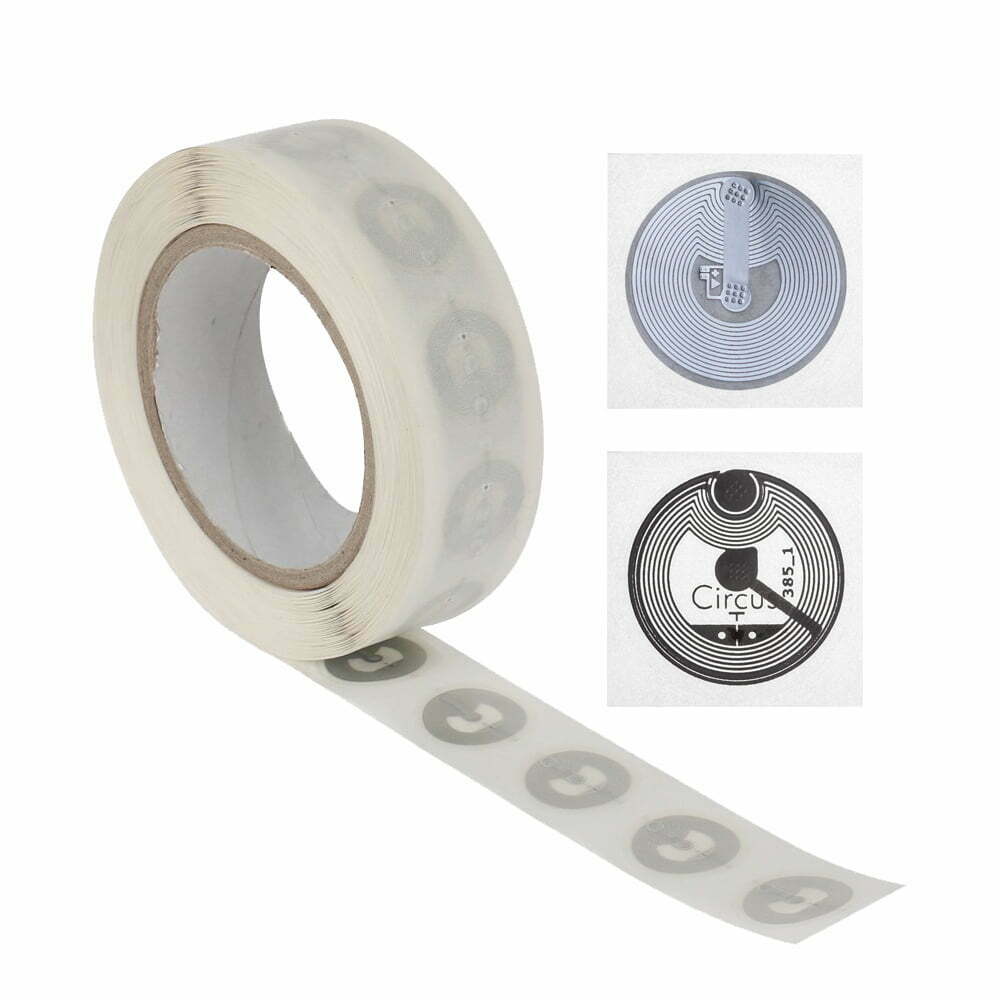
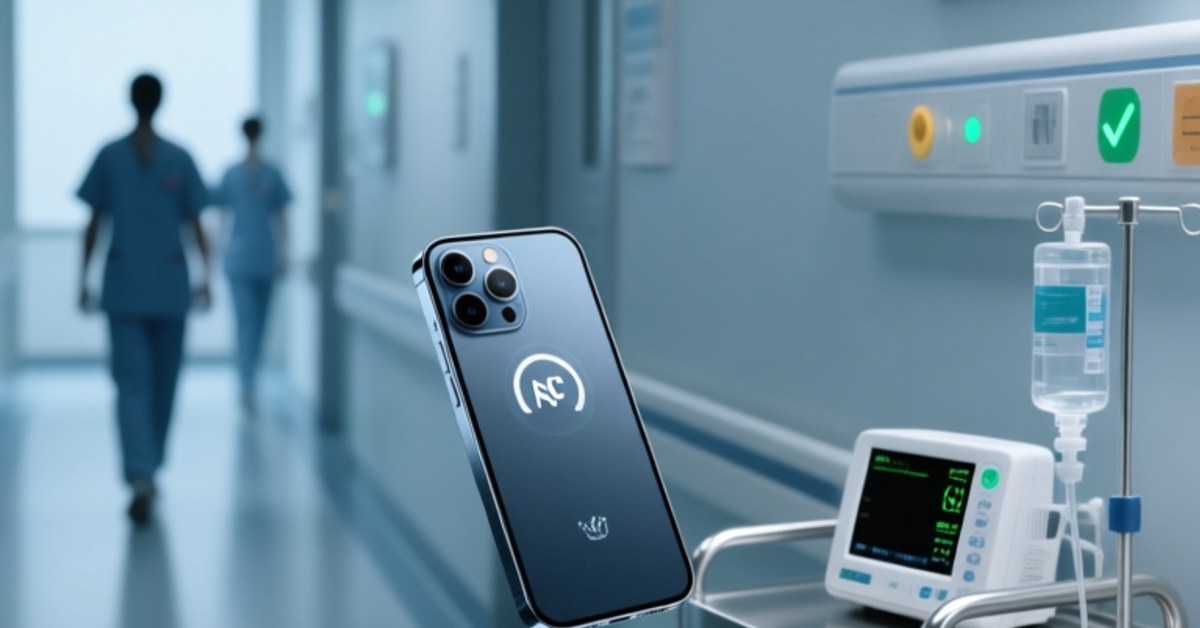
Medical equipment — from infusion pumps to portable ultrasound devices — benefits from NFC-enabled asset tracking. By affixing NFC inlays to high-value assets, staff can instantly log location, maintenance history, and calibration status using NFC-enabled smartphones or dedicated readers.
Implementation Highlights:
- Reduces equipment search time by up to 40% in multi-floor facilities
- Supports Digital Product Passport compliance by embedding lifecycle metadata directly into the tag
- Enables audit-ready traceability without requiring Wi-Fi or battery-powered infrastructure
Smart Wearable Identification Meets Clinical Needs
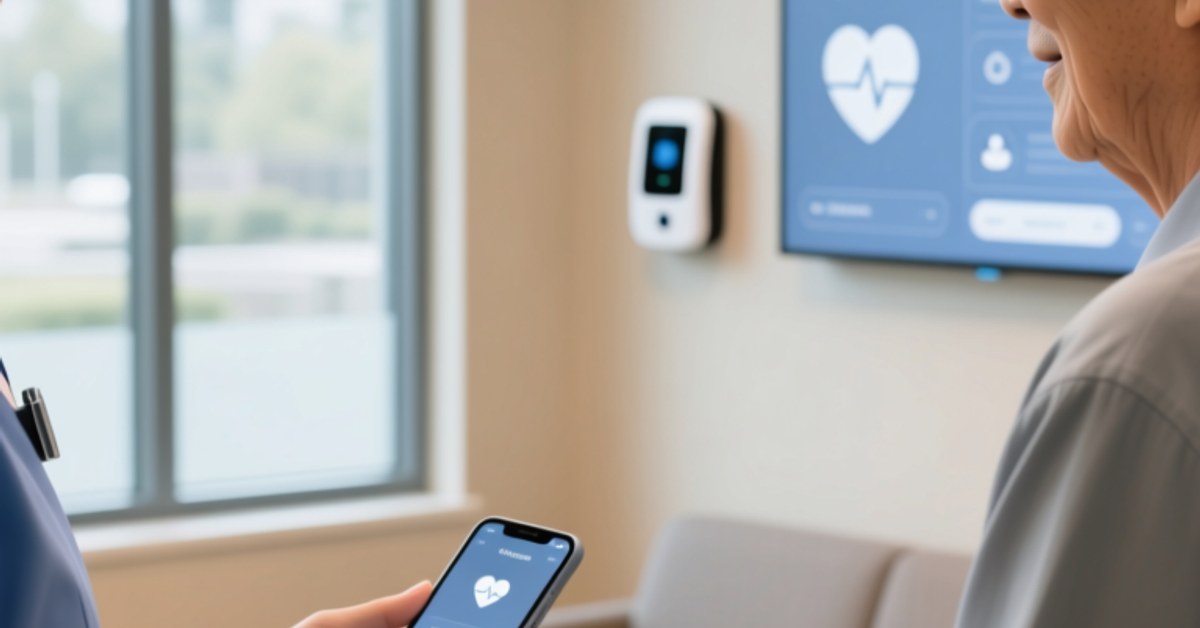
The Smart Wearable Identification category extends beyond access control: NFC wristbands now integrate with hospital-wide smart systems — unlocking doors, authorizing medication dispensers, and triggering room-specific environmental presets. These capabilities are especially valuable in isolation units and emergency departments where rapid, hands-free interaction is essential.
Why NFC Over Alternatives?
Compared to Bluetooth LE or UWB, NFC offers superior security for identity-critical use cases and eliminates pairing overhead. Its short-range operation (<10 cm) inherently prevents unauthorized remote scanning — a vital feature for sensitive health data.
FAQ
- Are NFC medical wristbands compliant with healthcare privacy regulations?
Yes — when implemented with on-tag encryption and zero-cloud storage, NFC wristbands meet HIPAA and GDPR requirements for protected health information (PHI). - Can NFC tags be used on metal or sterilized medical equipment?
Absolutely. Our on-metal/anti-metal NFC tags maintain full functionality on stainless steel surfaces and withstand autoclave-compatible packaging processes. - Do NFC wristbands support integration with existing EHR platforms?
Yes. We provide API documentation and middleware support for seamless integration with Epic, Cerner, and Meditech systems via standard NFC NDEF payloads.
Ready to Pilot NFC in Your Healthcare Facility?
RFIDHY by NFCWORK offers certified NFC medical wristbands, anti-metal asset tags, and end-to-end integration support — backed by ISO 13485-compliant manufacturing and clinical validation guidance.