Введение: Смена парадигмы от идентификации к государственной осведомленности
К 2028, над 300 миллион RFID -теги с сенсорными возможностями будет развернуто по всему миру, текстильная промышленность и розничная торговля являются одними из основных движущих сил (Источник: Исследования ABI). В 2026, Основная тенденция в технологии RFID в текстильной промышленности сместится от простого отслеживания активов к информированию о состоянии в режиме реального времени на основе датчиков RFID.. Эти смарт-теги, интеграция таких функций, как мониторинг температуры и влажности., пересматривают управление, качество, и экологичность умных тканей.
Основные тенденции: Как работает RFID-датчик и основные модели
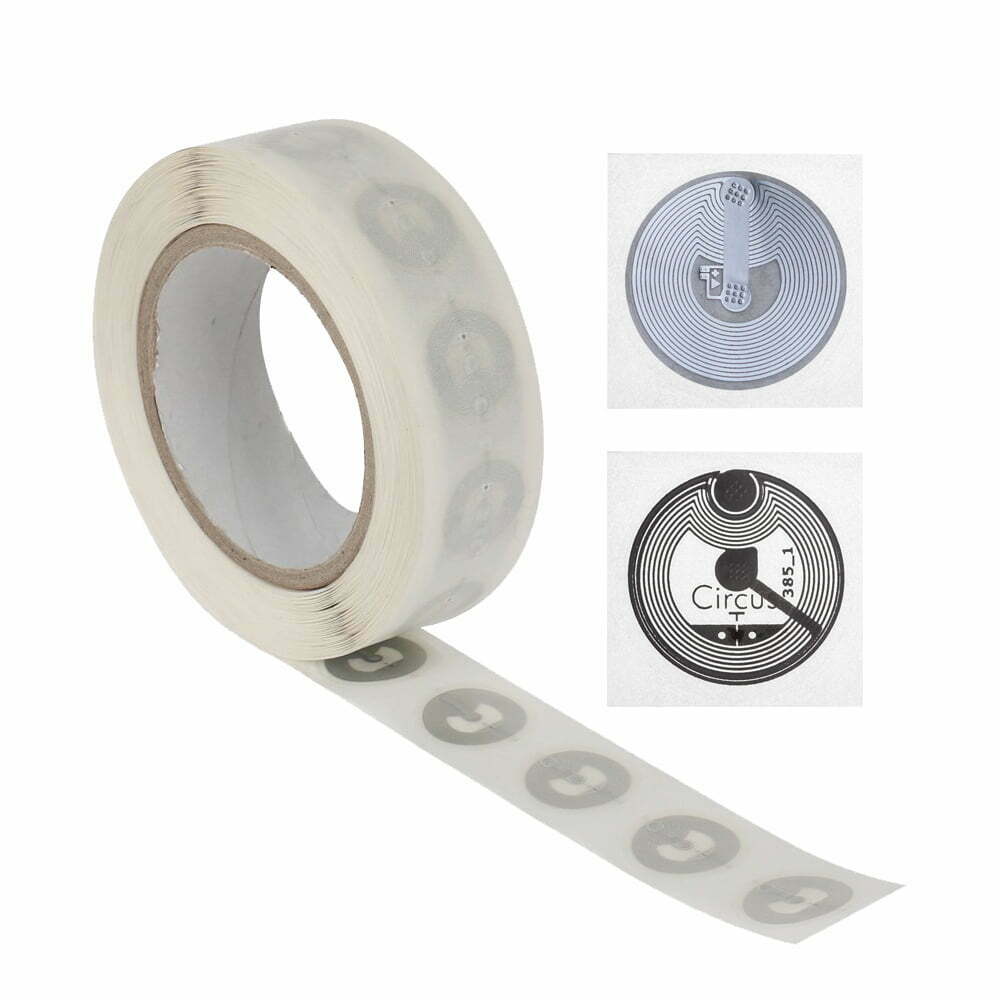
Датчик RFID -теги по существу интегрировать миниатюрные датчики и аналого-цифровые преобразователи в традиционные UHF RFID или NFC-чипы. При передаче уникального идентификатора, они также передают данные датчиков через беспроводной интерфейс, соответствующий стандарту ISO/IEC 18000-6C. (ДОЖДЬ RFID) или NFC (ИСО/МЭК 14443) стандарты. Например, Чип-платформа серии Impinj M780 уже поддерживает сенсорные интерфейсы, возможность подключения к внешним датчикам температуры и влажности. Другие фишки, например, EM4325 компании EM Microelectronic., интегрируйте функции мониторинга температуры и влажности непосредственно в один чип. Ведущие компании RFID, такие как RFIDHY используют эти чипы для разработки индивидуальных сенсорных меток для текстиля, интеграция антенны датчика и антенны метки в единую конструкцию для обеспечения надежности и долговечности в сложных условиях, таких как сгибание и стирка ткани..
Сценарии применения: Как мониторинг в реальном времени меняет отрасль
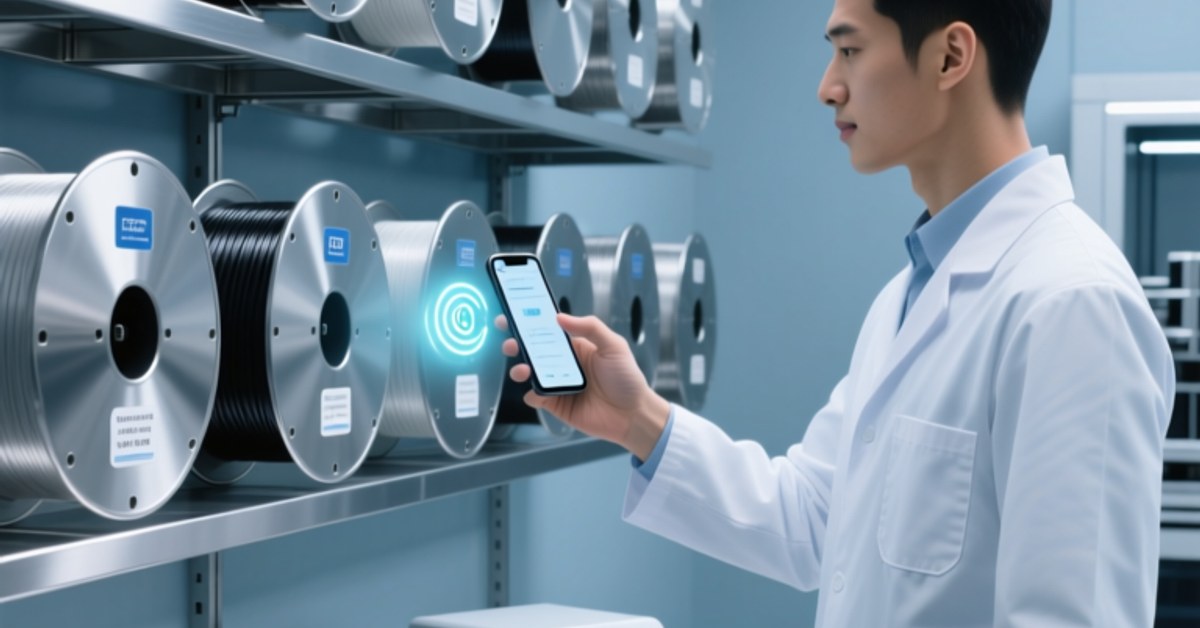
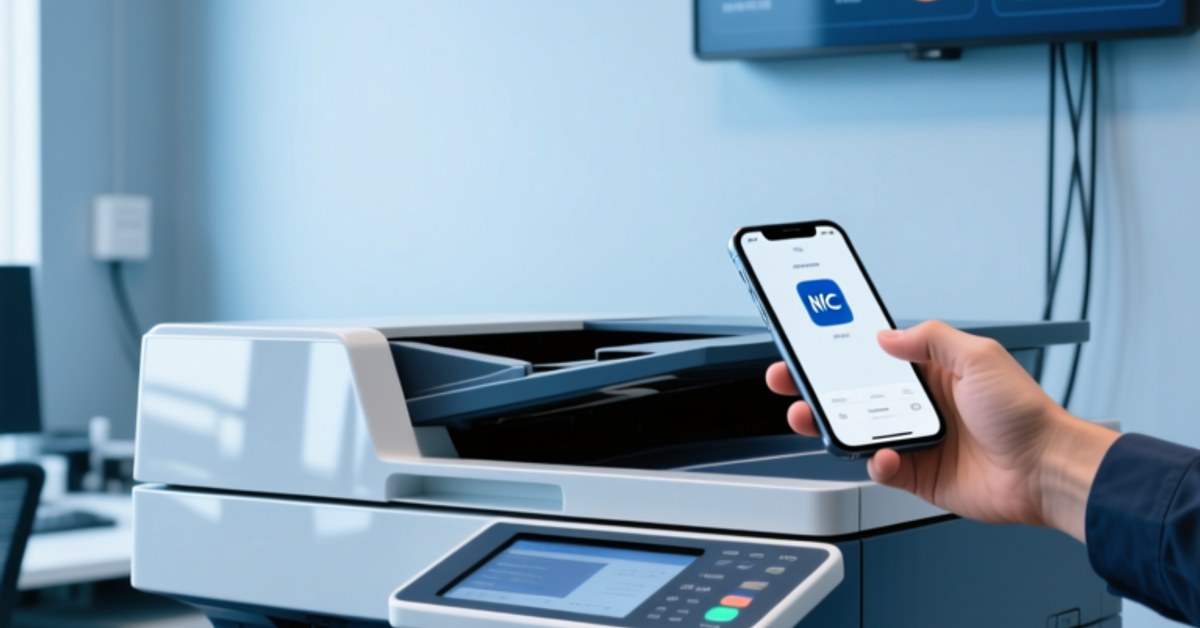
В логистике и складировании, Логистические RFID-метки со встроенным контролем температуры и влажности позволяют постоянно контролировать состояние высококачественной одежды и шерстяных изделий во время транспортировки., предотвращение плесени или повреждения материала. Для функционального умного текстиля, такого как огнестойкая одежда и медицинский текстиль., встроенные сенсорные метки могут регистрировать микроокружение пользователя или воздействие экстремальных температур в режиме реального времени, предоставление данных для анализа безопасности и улучшения продукции. В конце розничной торговли, Сенсорные метки NFC позволяют потребителям просматривать историю среды хранения продукта с помощью простого “кран” их телефона, повышение доверия потребителей к качеству и подлинности продукции.
Проблемы реализации и перспективы на будущее
Несмотря на многообещающие перспективы RFID-датчиков, их широкое применение по-прежнему сталкивается с проблемами с точки зрения стоимости., энергопотребление, и стандартизация. В настоящее время, функциональность распознавания немного увеличивает стоимость и размер меток, в то время как для непрерывного измерения требуется встроенный источник питания (такие как печатные батареи или устройства сбора энергии). В будущем, с развитием технологии пассивных датчиков RFID (полностью поддерживается читателем) и дальнейшая поддержка форматов данных датчиков в стандарте EPC Gen2v2., эта технология получит более широкое распространение. Ключ к успеху заключается в сотрудничестве с такими технологическими партнерами, как RFIDHY, кто может предоставить интегрированные решения от выбора чипа и настройки RFID-вкладышей до интеграции платформы данных, помогая текстильным брендам совершить прыжок от “прослеживаемость” к “ощущение” самым оптимальным способом.
Заключение
К 2026, RFID-датчик, интегрированный с такими функциями, как мониторинг температуры и влажности, станет новым рубежом цифровой трансформации в текстильной промышленности.. Она не только гарантирует качество продукции и повышает прозрачность цепочки поставок, но также является основной технологией для по-настоящему умного текстиля.. Компании, которые первыми внедрят и опробуют эту технологию, получат значительное конкурентное преимущество в области контроля качества., практики устойчивого развития, и доверие потребителей.
вопрос&А
1.Существует ли значительная разница в стоимости между сенсорными RFID-метками и обычными RFID-метками??
В настоящее время, RFID-метки с базовыми функциями считывания (например, температура) являются 30%-100% дороже, чем обычные бирки, в зависимости от типа датчика, точность, и требования к упаковке. Однако, этот разрыв быстро сокращается благодаря массовому производству и технологическому прогрессу..
2.Как эти теги позволяют “умный текстиль”?
Традиционный “умный текстиль” обычно требуют сложных встроенных электронных систем. Гибкие сенсорные метки RFID отличаются легкостью, недорогая альтернатива, которую можно легко вплетать в ткань или прикреплять к ней, обеспечение беспроводного пассивного мониторинга состояния сети (такие как сухость и температура), значительно расширяет сценарии применения.
3.Как компании могут пилотировать проекты RFID-датчиков?
Отвечать 3: Рекомендуется начинать с дорогостоящих, экологически чувствительные производственные линии. Первый, четко определить основные потребности в мониторинге (НАПРИМЕР., температура и влажность).
Для получения дополнительной информации,пожалуйста связаться с нами.