ондогон жылдар бою, штрих-коддор жана QR коддору инвентарды башкаруунун негизги таянычы болуп калды. Алар бир жолу бир максатка кызмат кылышкан, бирок жөнөкөй көз салуу доору бүттү. Заманбап чакырыктар, мисалы, ЕБ Санарип продукт паспорту (DPP) жана татаал дүйнөлүк жеткирүү чынжырлары, катуураак талап кылат, акылдуу, жана маалыматтарга бай чечимдер. Салттуу ыкмалар ЖККнын учурдагы стандарттарына жооп берүү үчүн мындан ары адекваттуу эмес.
Салыштыруу 1: Маалымат сыйымдуулугу – бир нече байттан санариптик китепканага чейин
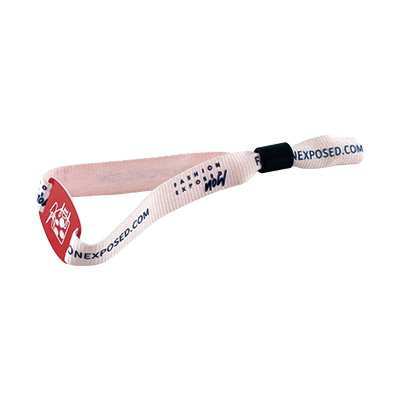
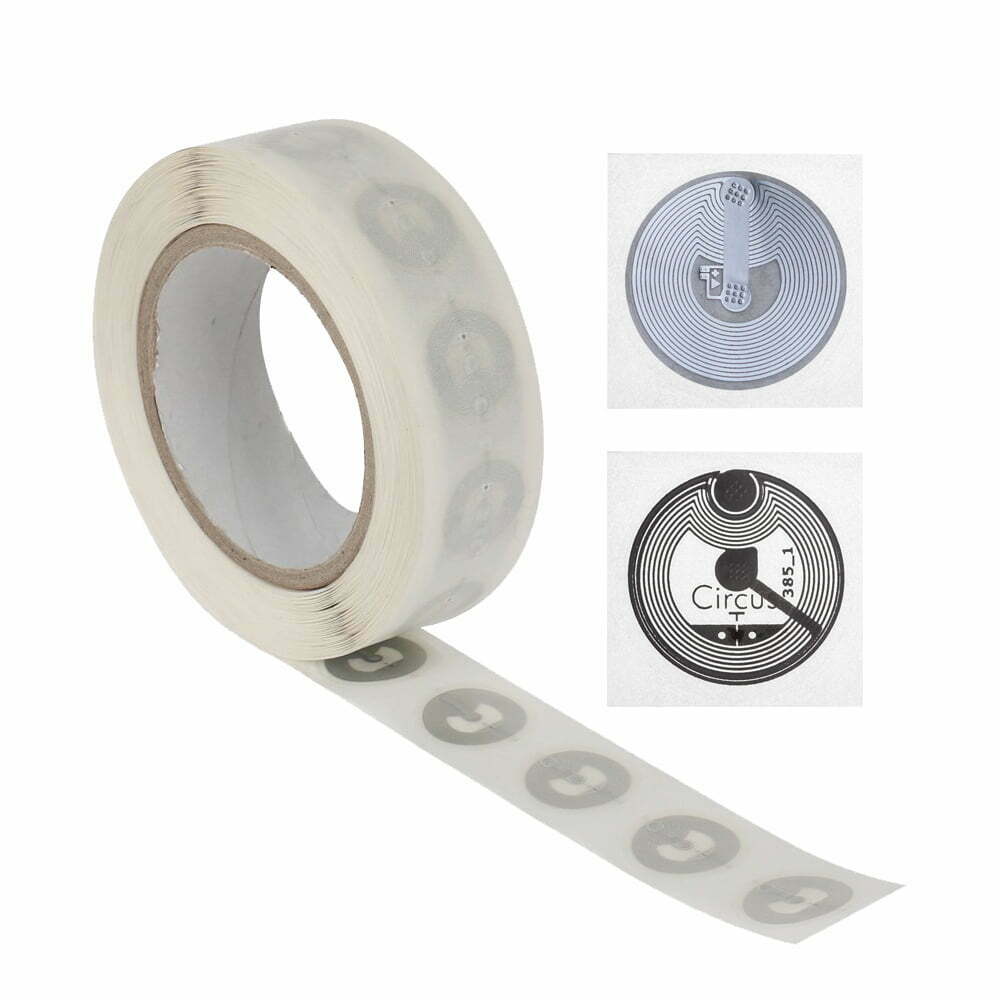
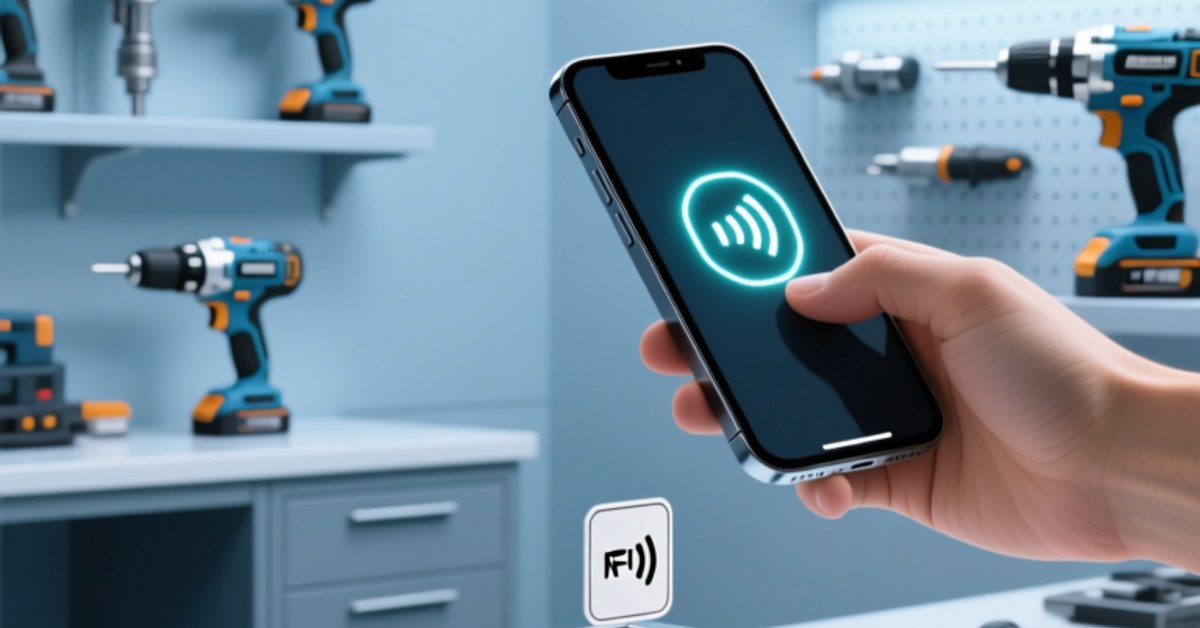
QR коддору чектелген көлөмдөгү маалыматты сактай алат — жөнөкөй шилтеме же SKU номери үчүн жетиштүү, бирок алардын маалымат сактоо сыйымдуулугу азыркыга салыштырмалуу начар. RFID Тэгдери. RFID Тэгдери миндеген байт уникалдуу маалыматтарды түздөн-түз тегде сактай алат, материалдык курамы сыяктуу маалыматтарды камтуу үчүн жетиштүү, сертификаттоо даталары, жана тейлөө тарыхы - так DPP талап кылат. Ошондуктан, Өнүмдүн кеңейтилген маалыматы үчүн ультра жогорку жыштык жана жогорку жыштык тегдери ар бир PPE продуктуга толук санарип иденттүүлүгүн берүү үчүн идеалдуу.
Салыштыруу 2: Окуу эффективдүүлүгү - Бирден сканерлөө vs. Автоматташтырылган пакетти текшерүү
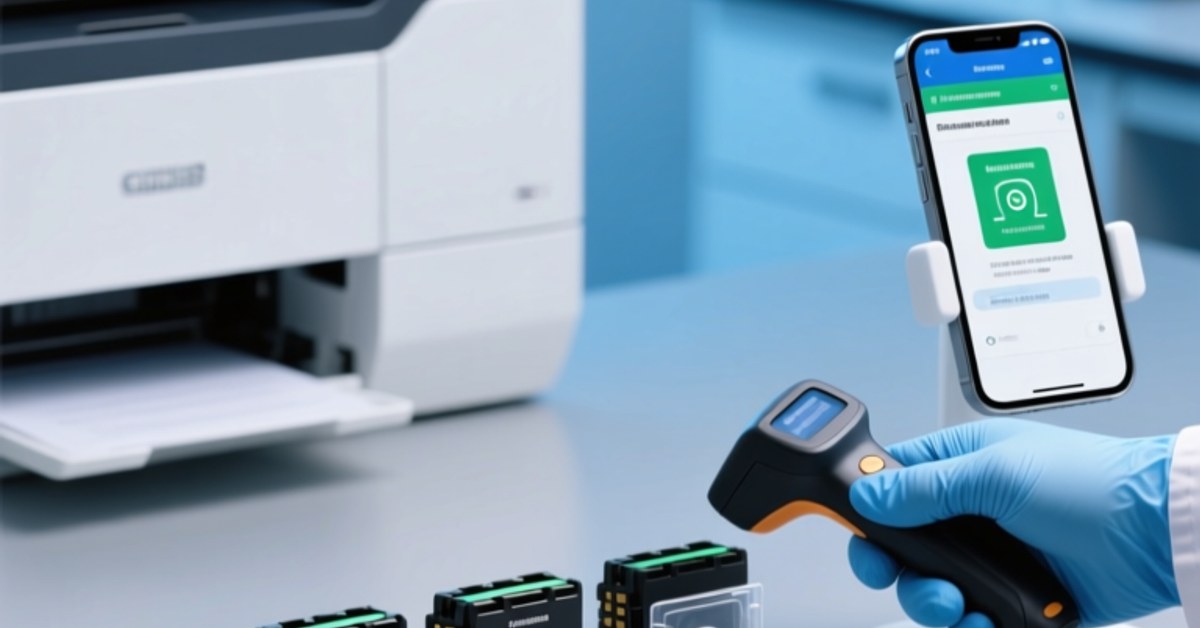
QR коддорунун негизги кемчилиги - бул бирден сканерлөө зарылчылыгы. Кампадагы ар бир коопсуздук шлемин сканерлеп жатканыңызды элестетиңиз - бул жай, убакытты талап кылуучу, жана каталарга жакын. RFID пакетинин активдерин текшерүү технологиясы бул маселени чечет. Жөн гана текчелердин жанынан басып өтүңүз, жана окурман узак аралыктагы RFID сканерлөө технологиясын колдонуу менен жүздөгөн нерселерди дароо аныктай алат, инвентаризациялык текшерүүлөрдүн күндөрүн мүнөткө чейин кыскартуу.
Салыштыруу 3: Узактыгы - Катуу өнөр жай чөйрөсүнө туруштук берүү
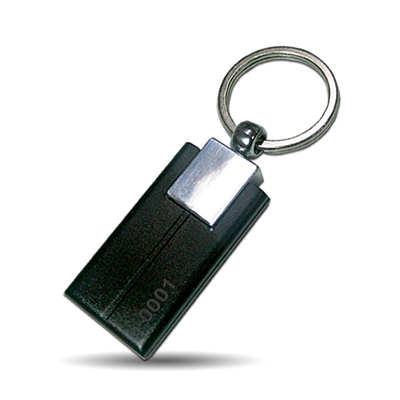
ЖКК буюмдар көбүнчө катаал чөйрөдө колдонулат, жана этикеткалар чаңга кабылышат, нымдуулук, жана кийүү. Чырылган же жыртылган QR коддору окулбай калат, буюмду байкоого мүмкүн эмес кылуу. Карама-каршы, Узак мөөнөттүү активдерге көз салуу үчүн RFID тэгдери, адатта, буюмдун ичинде камтылган, аларды зыяндан коргоо. Бул туруктуулук ЖКК үчүн өнөр жайлык класстагы RFID тэгдери продуктунун өмүр бою иштешин камсыздайт, эң катаал шарттарда да.
Салыштыруу 4: Коопсуздук жана аныктык - Көчүрүү оңой vs. Уникалдуу идентификация
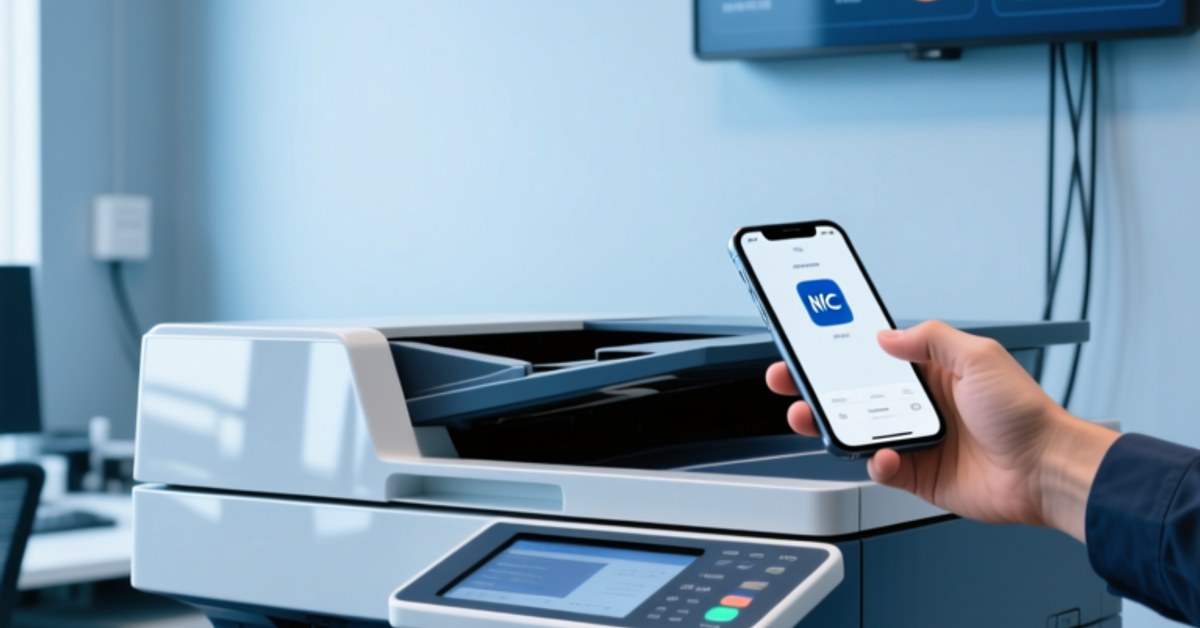
QR коддору оңой көчүрүлүп, чапталат, аларды ырастоо дээрлик мүмкүн эмес. Коопсуздук үчүн маанилүү жабдуулар үчүн, бул коркунуч кабыл алынгыс. RFID технологиясы натыйжалуу чечим сунуш кылат. Ар бир RFID теги уникалдуу болот, өзгөрүлгүс сериялык номер, жасалма акча жасоону абдан кыйындатат. Бул коопсуздук өзгөчөлүгү, анын уникалдуу аныктоо мүмкүнчүлүктөрү менен бирге, коопсуздук жабдууларында контрафакттык чечимдер үчүн өтө маанилүү болуп саналат, продукттун аныктыгын камсыз кылуу жана бренд беделин коргоо.
Корутунду:
Штрих-коддордун жана QR коддорунун чектөөлөрү айкын. Маалыматтардын бүтүндүгү үчүн катуу талаптарга жооп берүү, операциялык натыйжалуулук, жана коопсуздук, мисалы, ЕБ Продукт коопсуздугу Директивасы сыяктуу жоболордо белгиленген (DPP), технологиялык жаңылоо пайдалуу гана эмес, бирок маанилүү. RFID жеткирүү чынжырын көзөмөлдөө үчүн бирден-бир алгылыктуу чечим болуп саналат. масштабдуу ишке ашыруу RFID чечим жеке коргонуу шаймандарын башкаруу бизнесиңиздин келечектеги стандарттардан алдыда болушун камсыздайт, ылайыктуулукту сактайт, жана сейф курат, ачык-айкын жеткирүү чынжырын.
Көбүрөөк маалымат алуу үчүн,өтүнөмүн Биз менен байланышыңыз.