Oleh 2025, akan ada lebih daripada 75 bilion peranti IoT beroperasi di seluruh dunia, menjana segala-galanya daripada kilang pintar kepada sistem HVAC. Walau bagaimanapun, mengurus peranti ini kekal sebagai hambatan: tentang 43% perniagaan menyebut kerumitan konfigurasi peranti dan ketidakcekapan penyelenggaraan sebagai halangan terbesar kepada penggunaan IOT.
NFC (Komunikasi Lapangan Berdekatan) tag menjadi pengubah permainan, menyediakan cara tanpa geseran untuk onboard, kemas kini, dan menyelesaikan masalah ekosistem IoT. Dengan sekali sentuhan, juruteknik boleh memintas pasangan Bluetooth yang kikuk, melancarkan perisian tegar secara automatik, dan mengurangkan kos penyelenggaraan secara mendadak.
Di bawah, kami akan memecahkan faedah teknikal, ROI dunia sebenar, dan amalan terbaik penyepaduan NFC.
Konfigurasi peranti tanpa sentuhan: Ketik bukannya berpasangan Bluetooth
Isu: Persediaan Bluetooth/Wi-Fi memerlukan kemasukan kelayakan manual, mengambil purata daripada 12 minit setiap peranti. Dalam penyebaran berskala besar, ini boleh menangguhkan masa-ke-nilai beberapa minggu.
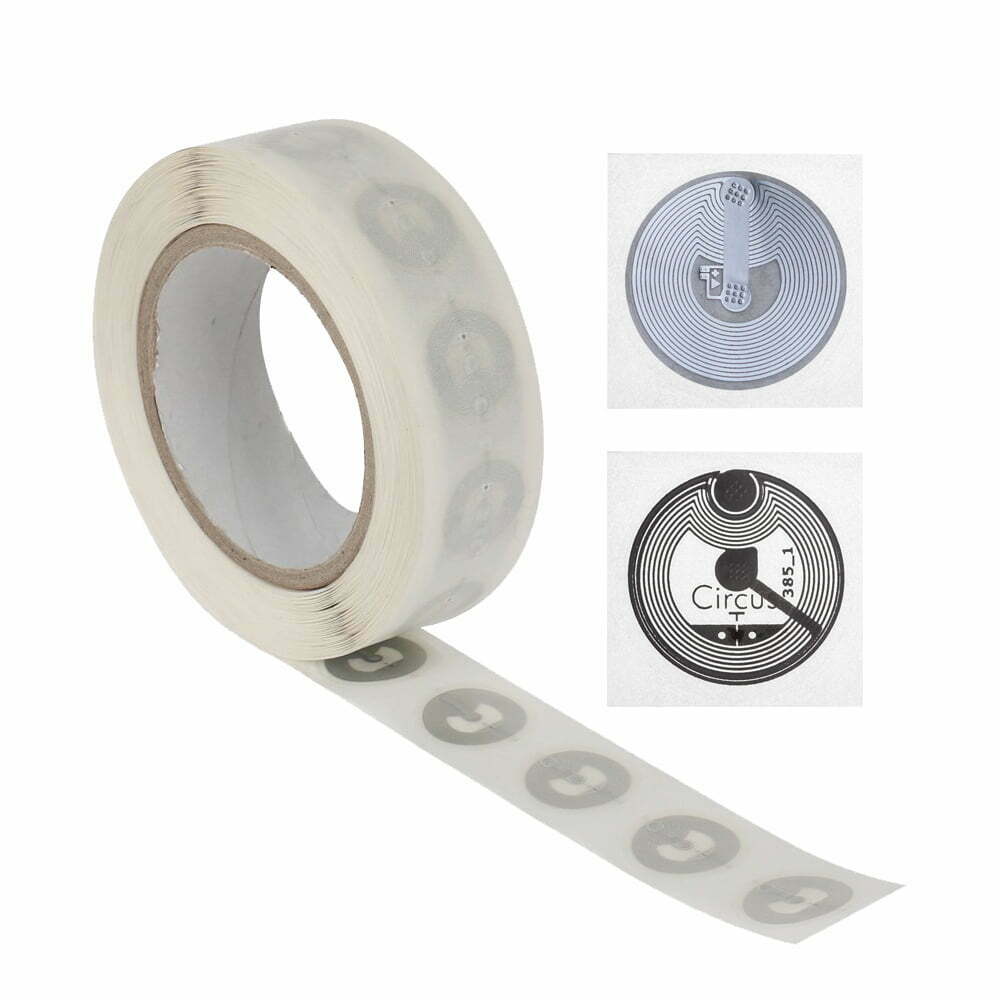
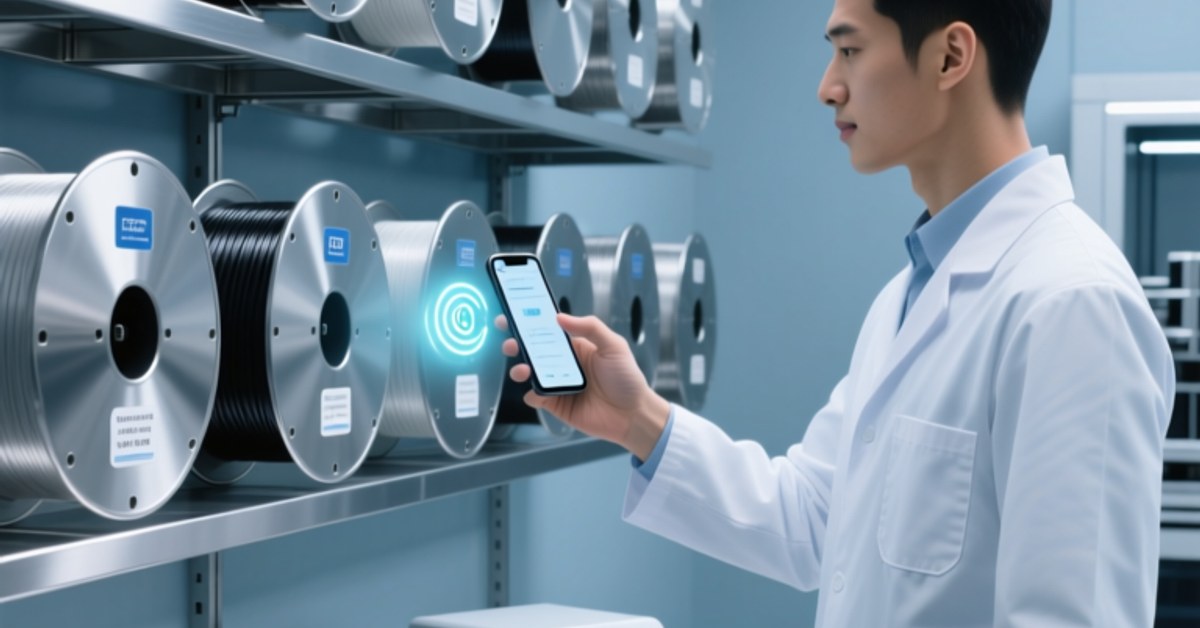
Penyelesaian NFC: Menanam Tag NFC ke dalam perkakasan IoT (penderia, penggerak, gerbang). Semasa persediaan, juruteknik mengetik telefon yang didayakan NFC:
- kelayakan Wi-Fi/awan disuntik secara automatik
- Tetapkan ID peranti unik
- Prakonfigurasi data geolokasi
Kelebihan teknikal: NFC 13.56 Frekuensi MHz memastikan sifar gangguan dengan jalur operasi IoT (Mis., LoRaWAN, Zigbee).
Kes dalam point: Siemens mengurangkan masa penggunaan meter pintar sebanyak 65% dengan menggantikan kod QR dengan Tag NFC dalam juruterbang UK.
Kemas kini perisian tegar satu klik: Hapuskan masa henti di kilang pintar
Isu: Mengemas kini secara manual lebih daripada 10,000 peranti boleh menyebabkan pengeluaran terhenti. Dalam persekitaran gangguan tinggi, over-the-air (Ota) kemas kini gagal 8% (Jurnal IoT IEEE).
Pembetulan NFC: Teg diprogramkan untuk mencetuskan aliran kerja kemas kini apabila diimbas:
- Ambil perisian tegar terkini daripada Pelayan Edge (memintas kependaman awan)
- sahkan checksum sebelum pemasangan
- Merekod status kemas kini secara automatik dalam sistem pengurusan aset
Untuk tip: Gunakan tag NFC yang boleh ditulis semula (NTAG 216) untuk menyimpan sejarah versi perisian tegar dan mendayakan rollback tanpa akses rangkaian.
Diagnostik segera: Selesaikan kegagalan IoT dalam masa kurang daripada 90 saat
Masalah: 62% kegagalan peralatan dalam bangunan pintar adalah disebabkan oleh hanyut penentukuran sensor (McKinsey). Pentauliahan tradisional memerlukan pembongkaran peralatan.
Penyelesaian NFC: Simpan yang terakhir 30 hari data operasi (suhu, kod ralat, tahap bateri) pada tag. Juruteknik klik sahaja:
- Eksport hasil diagnostik ke CSV/JSON tanpa menghidupkan peranti
- Bandingkan metrik masa nyata dengan metrik garis dasar
- Hasilkan pesanan pembaikan dengan butiran kerosakan yang telah diisi sebelumnya
Kajian kes: Pejabat pintar di Munich mengurangkan masa penyelenggaraan HVAC sebanyak 300 jam/tahun dengan menggunakan penderia CO2 yang didayakan NFC.
Seni bina teknologi: Cara NFC sesuai dengan ekosistem IoT
NFC + Gambar rajah seni bina IoT
Komponen Utama:
- Tag NFC (Jenis 5): Kedai 2 KB data (ISO 15693 standard) dan boleh digunakan pada suhu dari -25°C hingga 85°C.
- Apl Mudah Alih: SDK Android/iOS untuk membaca/menulis teg.
- Gerbang tepi: Mengendalikan aliran kerja yang dicetuskan NFC secara setempat.
- Platform awan: Segerakkan status peranti antara papan pemuka.
NFC menjadikan setiap peranti IoT menjadi pendokumentasian sendiri, aset sedia perkhidmatan lapangan. Sebagai skala IoT perindustrian, pengurusan tanpa sentuh bukan sahaja mudah—ia adalah keperluan yang kompetitif.
Perlu Nasihat Pelaksanaan Tersuai? [Jadualkan Konsultasi NFC 30-Min Percuma]