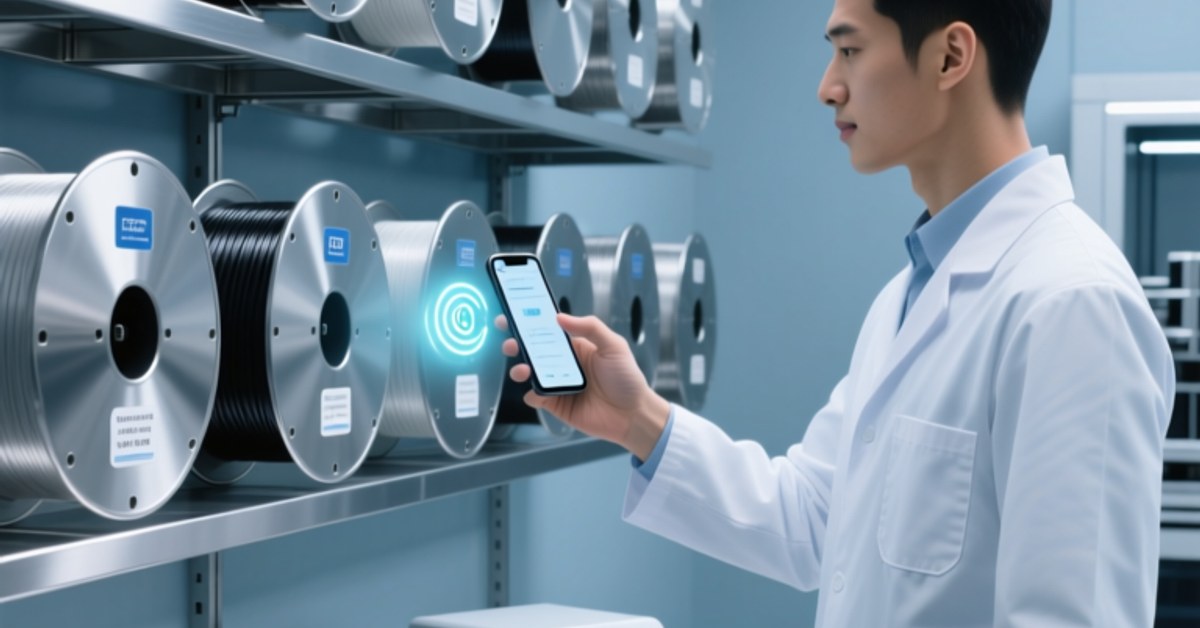
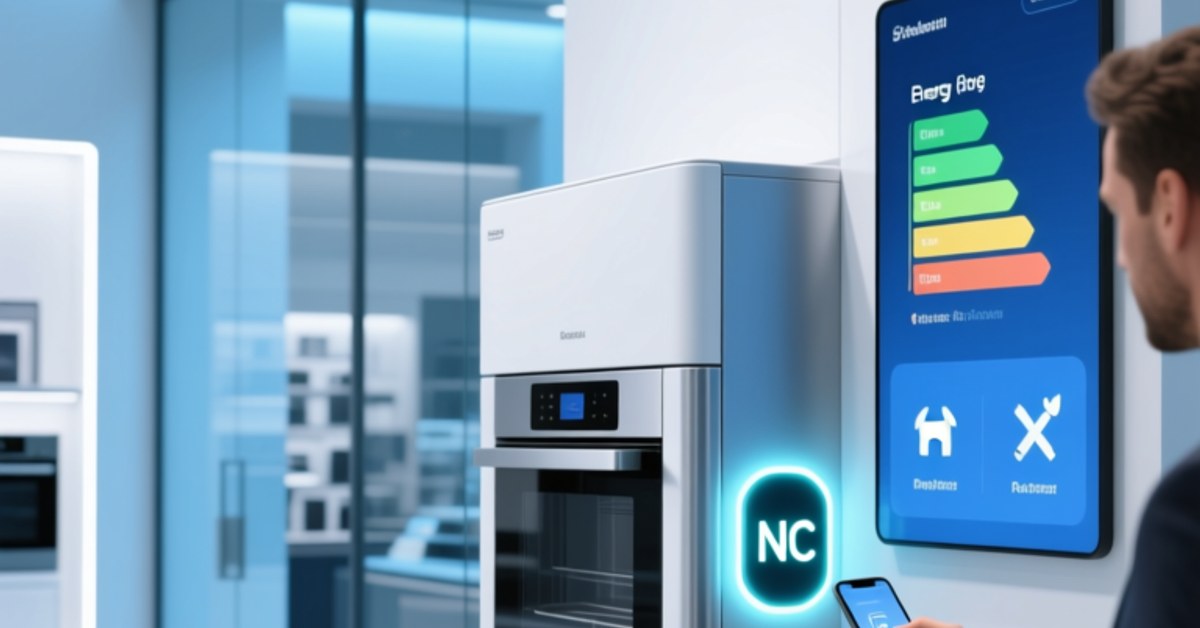
Por 2025, habrá más de 75 mil millones de dispositivos IoT en funcionamiento en todo el mundo, alimentando todo, desde fábricas inteligentes hasta sistemas HVAC. Sin embargo, La gestión de estos dispositivos sigue siendo un cuello de botella.: acerca de 43% de las empresas citan la complejidad de la configuración de los dispositivos y las ineficiencias de mantenimiento como las mayores barreras para la adopción de IoT.
NFC (Comunicación de campo cercana) Las etiquetas se están convirtiendo en un punto de inflexión, proporcionando una forma sin fricciones de incorporarse, actualizar, y solucionar problemas del ecosistema de IoT. Con un solo toque, los técnicos pueden evitar el complicado emparejamiento de Bluetooth, implementar firmware automáticamente, y reducir drásticamente los costos de mantenimiento.
Abajo, desglosaremos los beneficios técnicos, retorno de la inversión en el mundo real, y mejores prácticas de integración de NFC.
Configuración de dispositivo sin contacto: Toque en lugar de emparejamiento por Bluetooth
Asunto: La configuración de Bluetooth/Wi-Fi requiere la entrada manual de credenciales, tomando un promedio de 12 minutos por dispositivo. En implementaciones a gran escala, esto puede retrasar el tiempo de obtención de valor en semanas.
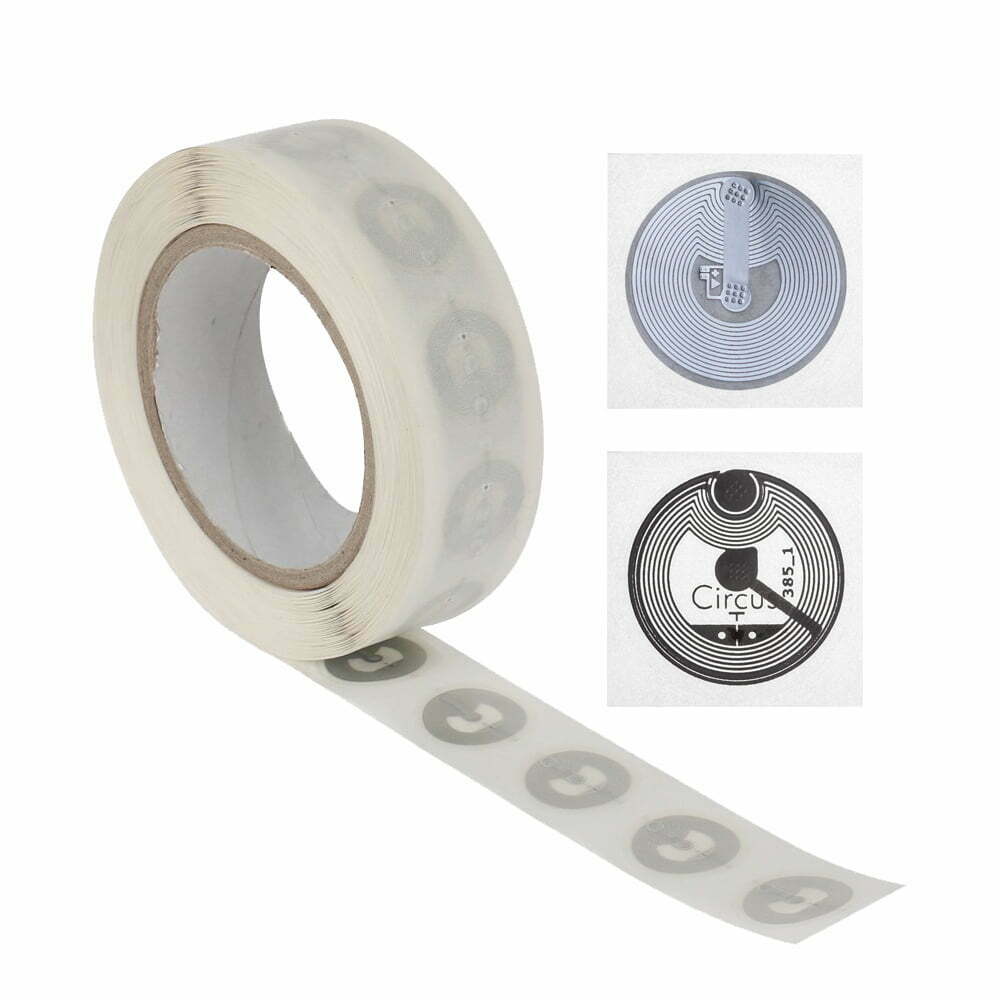
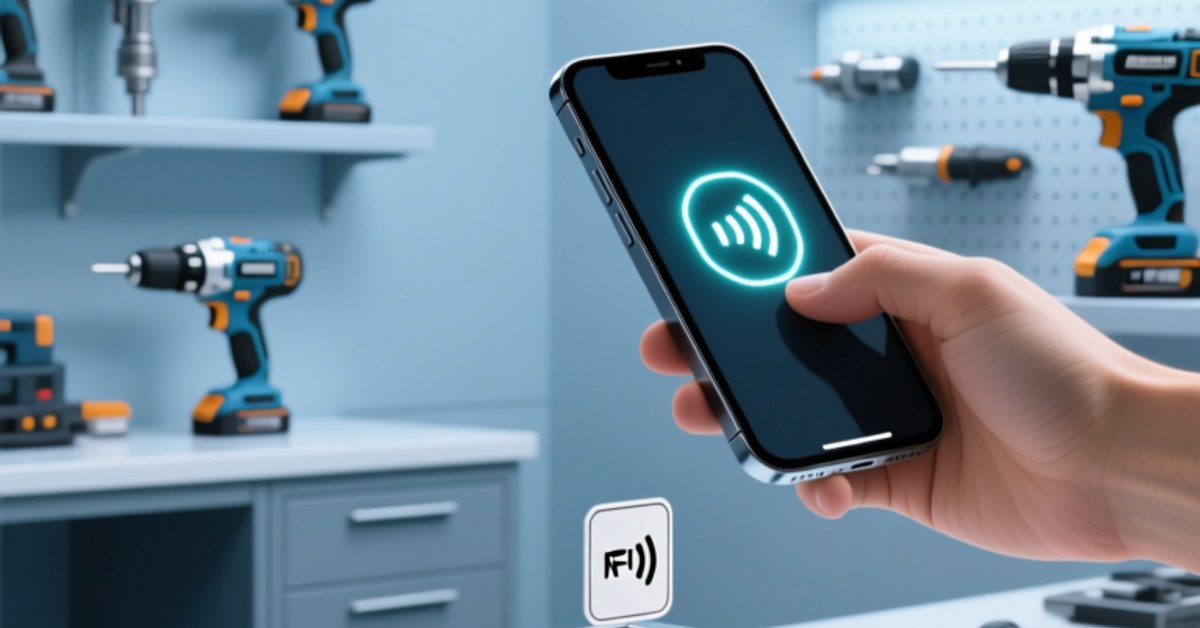
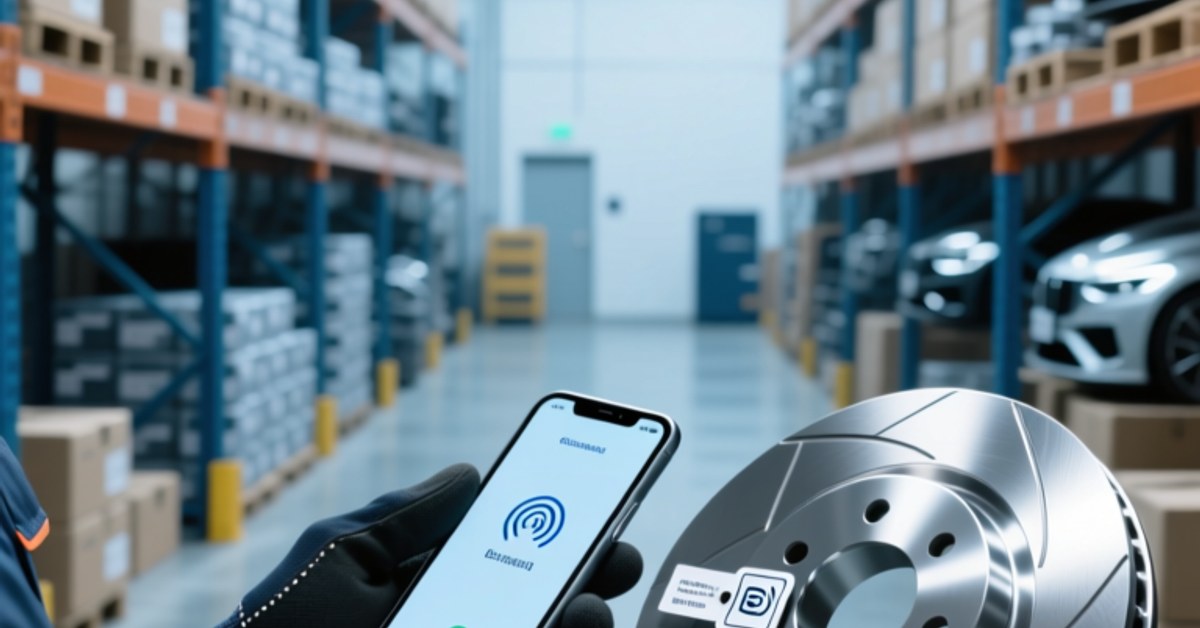
solución NFC: Empotrar Etiquetas NFC en hardware de IoT (sensores, actuadores, puertas de enlace). Durante la configuración, el técnico toca un teléfono con NFC:
- la credencial de Wi-Fi/nube se inyecta automáticamente
- Asignar una ID de dispositivo única
- Preconfigurar datos de geolocalización
Ventajas técnicas: NFC 13.56 La frecuencia de MHz garantiza cero interferencias con las bandas operativas de IoT (P.EJ., LoRaWAN, Zigbee).
Caso en punto: Siemens redujo el tiempo de implementación de medidores inteligentes en 65% reemplazando los códigos QR con Etiquetas NFC en un piloto del Reino Unido.
Actualizaciones de firmware con un solo clic: Eliminar el tiempo de inactividad en fábricas inteligentes
Asunto: Actualizar manualmente más de 10,000 Los dispositivos podrían hacer que la producción se detuviera.. En entornos de alta interferencia, por el aire (OTA) las actualizaciones fallan 8% (Revista IEEE IoT).
Corrección NFC: Las etiquetas están programadas para activar un flujo de trabajo de actualización cuando se escanean:
- Obtenga el firmware más reciente del servidor perimetral (evitando la latencia de la nube)
- verificar la suma de verificación antes de la instalación
- Registre automáticamente el estado de las actualizaciones en el sistema de gestión de activos.
por una propina: Utilice una etiqueta NFC reescribible (NTAG 216) para almacenar el historial de versiones de firmware y permitir la reversión sin acceso a la red.
Diagnóstico instantáneo: Resuelva fallas de IoT en menos de 90 artículos de segunda clase
Problema: 62% de las fallas de los equipos en edificios inteligentes se deben a la desviación de la calibración del sensor (McKinsey). La puesta en marcha tradicional requiere el desmontaje del equipo..
solución NFC: Guarda el último 30 días de datos operativos (temperatura, códigos de error, nivel de batería) en la etiqueta. Técnico haga clic de distancia:
- Exporte los resultados de diagnóstico a CSV/JSON sin encender el dispositivo
- Compare métricas en tiempo real con métricas de referencia
- Generar una orden de reparación con detalles de falla precargados
Estudio de caso: Una oficina inteligente en Munich reduce el tiempo de mantenimiento de HVAC en 300 horas/año mediante la adopción de un sensor de CO2 habilitado para NFC.
Arquitectura tecnológica: Cómo encaja NFC en el ecosistema de IoT
NFC + Diagrama de arquitectura de IoT
Componentes clave:
- Etiqueta NFC (Tipo 5): Víveres 2 KB de datos (ISO 15693 estándar) y se puede utilizar a temperaturas de -25°C a 85°C.
- Aplicación móvil: SDK de Android/iOS para leer/escribir etiquetas.
- Puerta de enlace perimetral: Maneje los flujos de trabajo activados por NFC localmente.
- plataforma en la nube: Sincronizar el estado del dispositivo entre paneles.
NFC convierte cada dispositivo IoT en un dispositivo autodocumentado, activo listo para servicio de campo. A medida que la IoT industrial crece, La gestión sin contacto no sólo es conveniente: es una necesidad competitiva.
Necesita asesoramiento de implementación personalizado? [Programe una consulta NFC gratuita de 30 minutos]