NFC가 디지털 제품 여권을 위한 최적의 기술 캐리어인 이유
EU와 같은 규제 프레임워크로서 디지털 제품 여권 (DPP) 제조 전반에 걸쳐 채택 가속화, 사치, 순환경제 부문, 기업은 중요한 인프라 결정에 직면해 있습니다.: 어떤 기술이 물리적 전달자 역할을 해야 할까요? DPP 데이터? QR코드가 널리 배포되면서, NFC 기술은 비교할 수 없는 이점을 제공합니다. — 변조 방지 인증부터 기존 엔터프라이즈 시스템과의 원활한 통합까지.
DPP 구현을 위한 NFC의 기술적 우수성
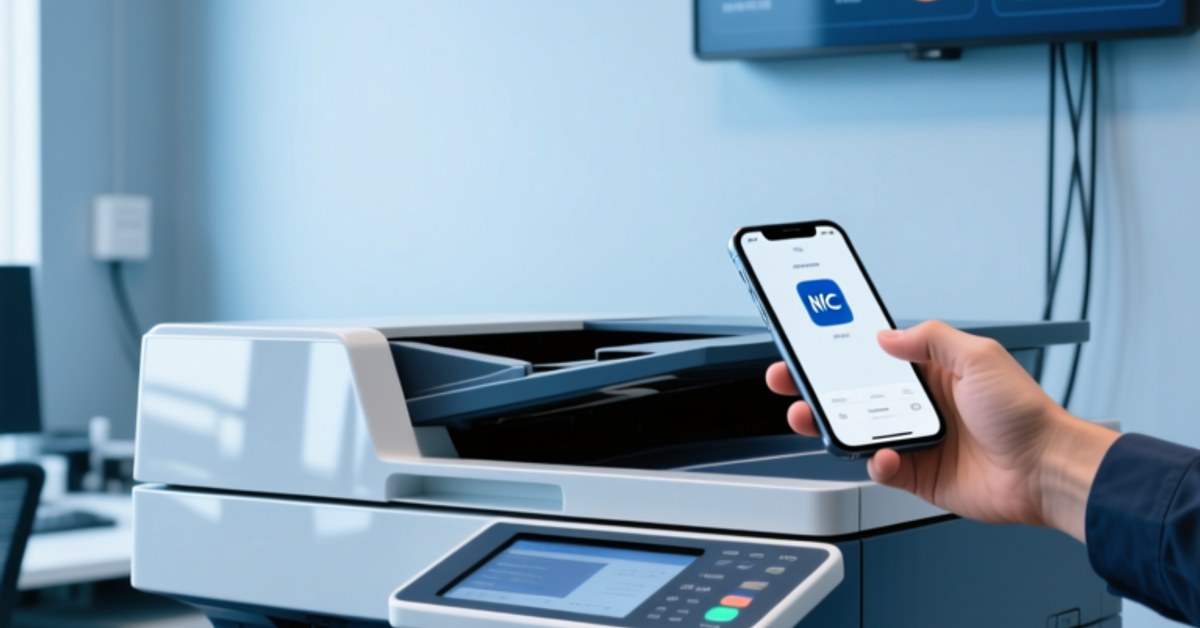
NFC는 보안을 제공합니다, 비접촉식, ISO/IEC에 직접 부합하는 표준 기반 인터페이스 14443 그리고 ETSI EN 302 208 요구 사항 — EU의 기초 DPP 규정 준수. QR코드와는 다르게, NFC 태그 암호화 작업 지원, 상호인증, 및 쓰기 방지 기능 - 제품 라이프사이클 데이터의 무단 수정을 방지하는 데 필수적입니다..
NFC 대 QR 코드 DPP: 전략적 비교
>
| 특징 | NFC | QR 코드 |
|---|---|---|
| 읽기 방법 | 탭하여 읽기: 시선 필요 없음; 포장을 통해 작동, 라벨, 또는 얇은 재료 | 스캔 필수: 카메라 정렬 필요, 조명, 그리고 막힘없는 가시성 |
| 보안 | 하드웨어 강제 암호화, 비밀번호 보호, 읽기/쓰기 잠금, NDEF 서명을 통해 RFIDHY NFC 모듈 | 기본 보안 없음 - 쉽게 복사 가능, 변경된, 또는 리디렉션됨 |
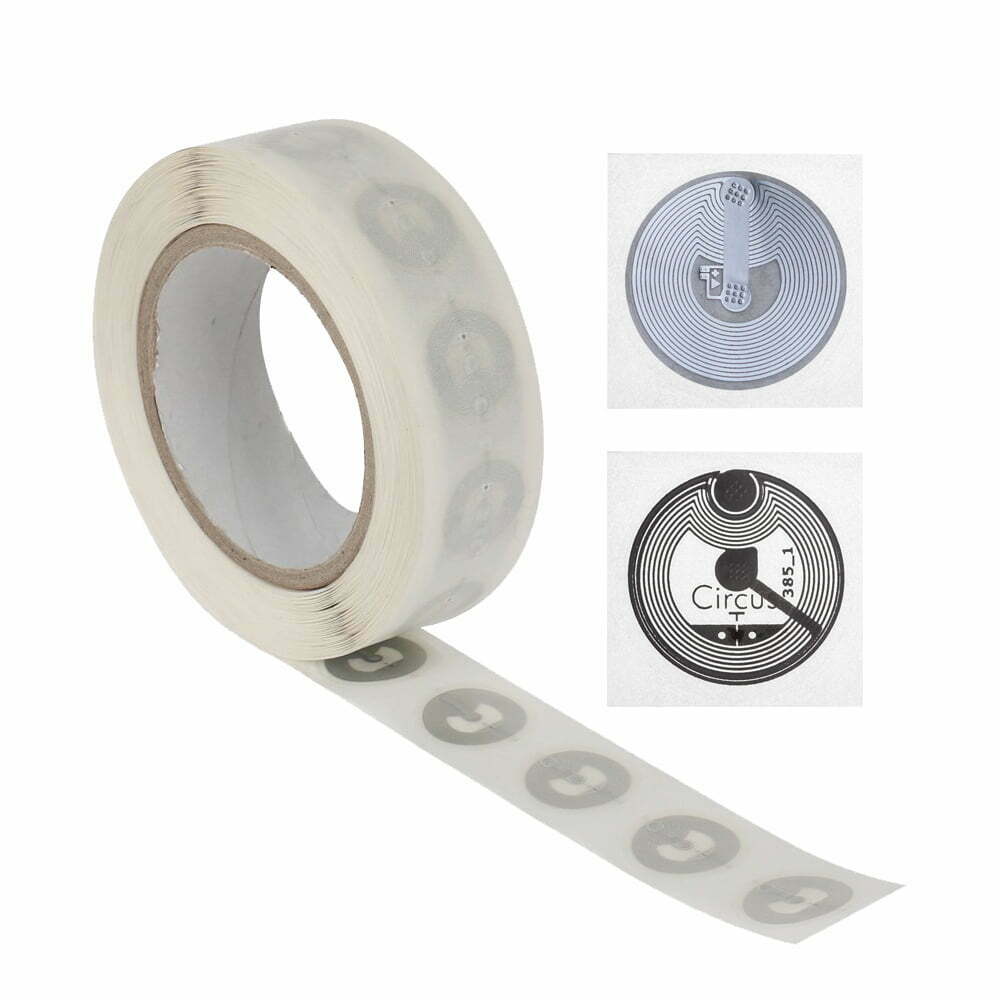
| 데이터 저장 | 최대 1 KB+ 구조화, 태그에 직접 저장된 업데이트 가능한 데이터 (예를 들어, NFC 인레이, NFC 스티커) | 공전; 최대 3KB로 제한됨 — 전체 DPP 콘텐츠를 보려면 외부 클라우드 조회가 필요합니다. |
| 내구성 & 환경 | 습기에 강함, 연마, 산업 취급 (예를 들어, RFID 습식 인레이, 반금속 NFC 태그) | 깨지기 쉬움 - 번지기 쉬움, 페이딩, 또는 물리적 손상 |
| EU DPP 준비 | 지속 가능한 제품 규정을 위한 에코디자인을 완벽하게 준수합니다. (ESPR) 보안 요구 사항, 증명할 수 있는, 및 영구 식별자 | ESPR Annex I에 따라 신뢰할 수 있는 식별자로 인식되지 않음 - 무결성 보장이 부족함 |
DPP 배포를 위한 엔터프라이즈급 NFC 인프라
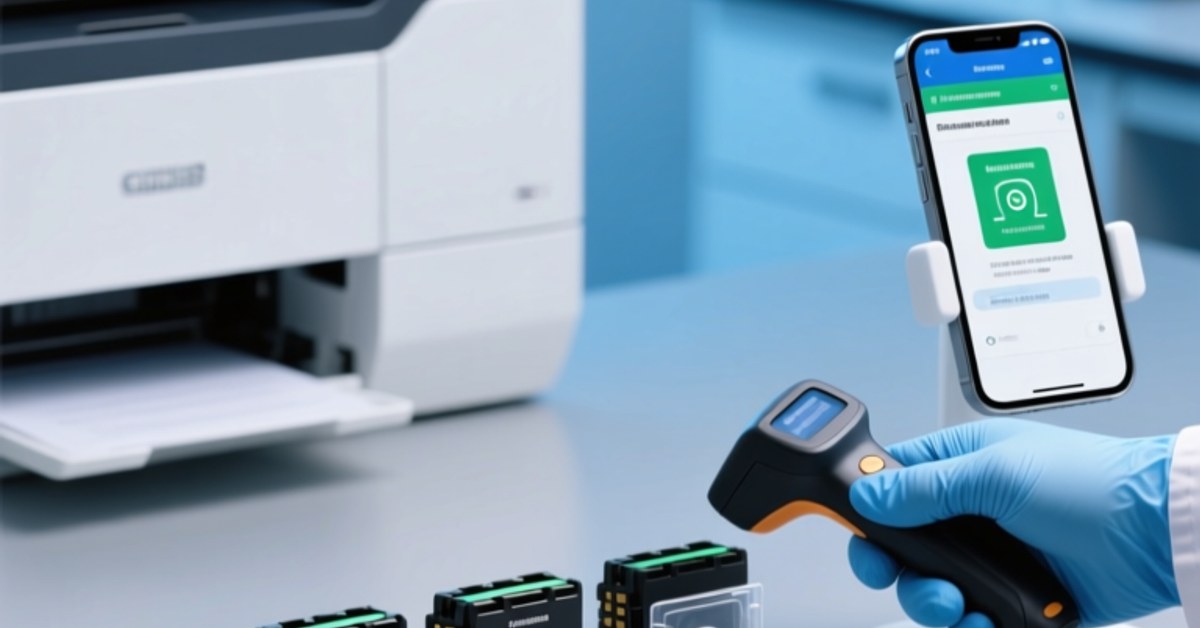
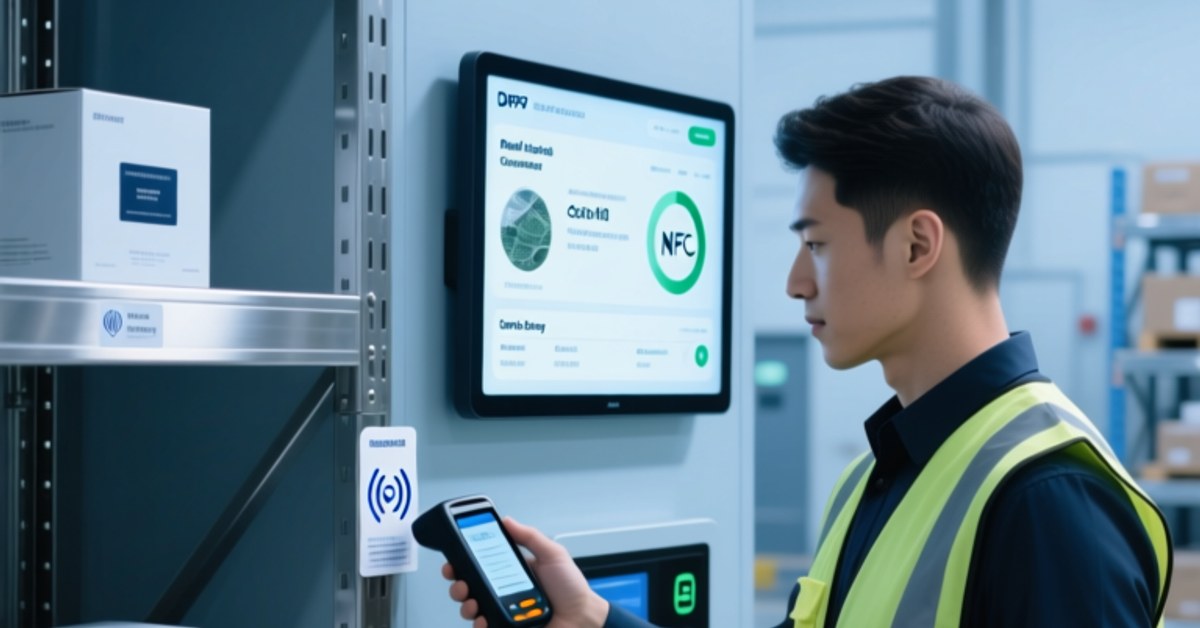
NFC 기반 DPP를 대규모로 배포하려면 상호 운용 가능한 하드웨어와 인증된 소프트웨어 계층이 필요합니다.. RFIDHY 산업 신뢰성을 위해 설계된 ISO 호환 NFC 리더 및 모듈 제공, ~하는 동안 RFIDHY 섬유 통합 및 금속 마운트 변형을 포함하여 대량 생산 환경에 최적화된 인증된 NFC 인레이 및 스마트 라벨을 공급합니다.. 이러한 구성 요소는 다음과 원활하게 통합됩니다. NFCWORK의 DPP 관리 플랫폼, 공장 현장부터 소비자 인도까지 엔드투엔드 추적이 가능합니다..
NFC 상호 운용성을 통한 미래 보장
NFC는 동적 펌웨어 업데이트를 포함하여 규정 준수를 넘어 진화하는 DPP 사용 사례를 지원합니다., 서비스 기록 로깅, 그리고 중고 검증. Bluetooth LE 핸드오버 및 IoT 게이트웨이 통합에 대한 기본 지원을 통해 QR 코드의 정적 유틸리티를 훨씬 뛰어넘는 차세대 스마트 제품 에코시스템의 기본 계층으로 자리매김합니다..
FAQ
- NFC 태그가 전체 디지털 제품 여권을 저장할 수 있습니까?? 예 — 최신 NFC 태그 (예를 들어, NTAG 424 DNA, 아이코드 SLIX2) 암호화 지원, 핵심 DPP 메타데이터 및 확장된 클라우드 호스팅 콘텐츠에 대한 포인터에 충분한 업데이트 가능한 NDEF 레코드.
- NFC 기반 DPP가 EU 규제 요구 사항을 충족합니까?? 전적으로. NFC의 하드웨어 지원 보안 모델은 ESPR Annex I의 신뢰성 기준을 충족합니다., 진실성, 지속성 — QR 코드와는 달리.
- RFIDHY NFC 리더는 EU DPP 소프트웨어 플랫폼과 호환됩니까?? 예 — 모두 RFIDHY NFC 리더는 표준 PC/SC 및 HID 프로토콜을 지원합니다., 선도적인 DPP 관리 시스템과의 플러그 앤 플레이 통합 보장.
- 열악한 산업 환경에서 NFC 태그는 어떻게 작동합니까?? RFIDTAGHY는 에폭시 캡슐화를 제공합니다., 자동차 분야에서 입증된 IP68 등급 NFC 인레이 및 금속 방지 태그, 항공우주, 및 중장비 애플리케이션.
규정 준수 배포 준비 완료, 보안 디지털 제품 여권?
NFCWORK의 엔터프라이즈급 NFC 인프라를 활용하세요. RFIDHY 리더 및 인증 태그 - DPP 전략의 미래를 보장합니다..