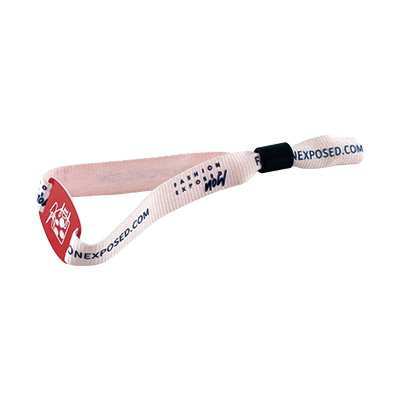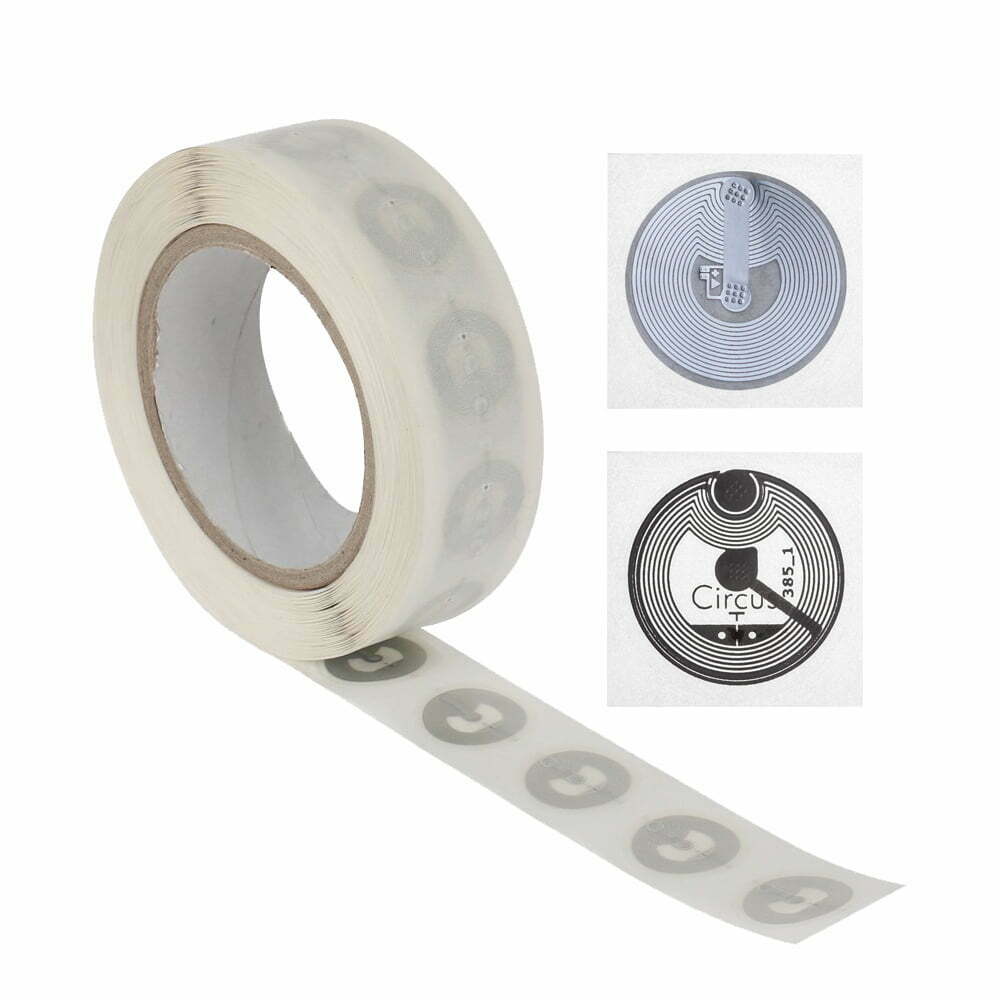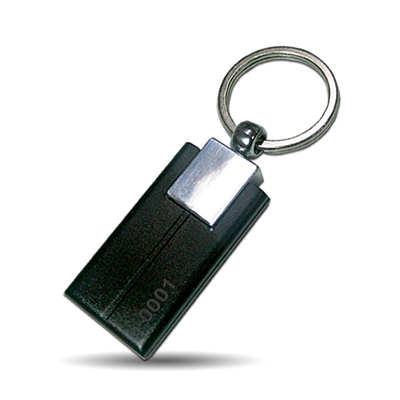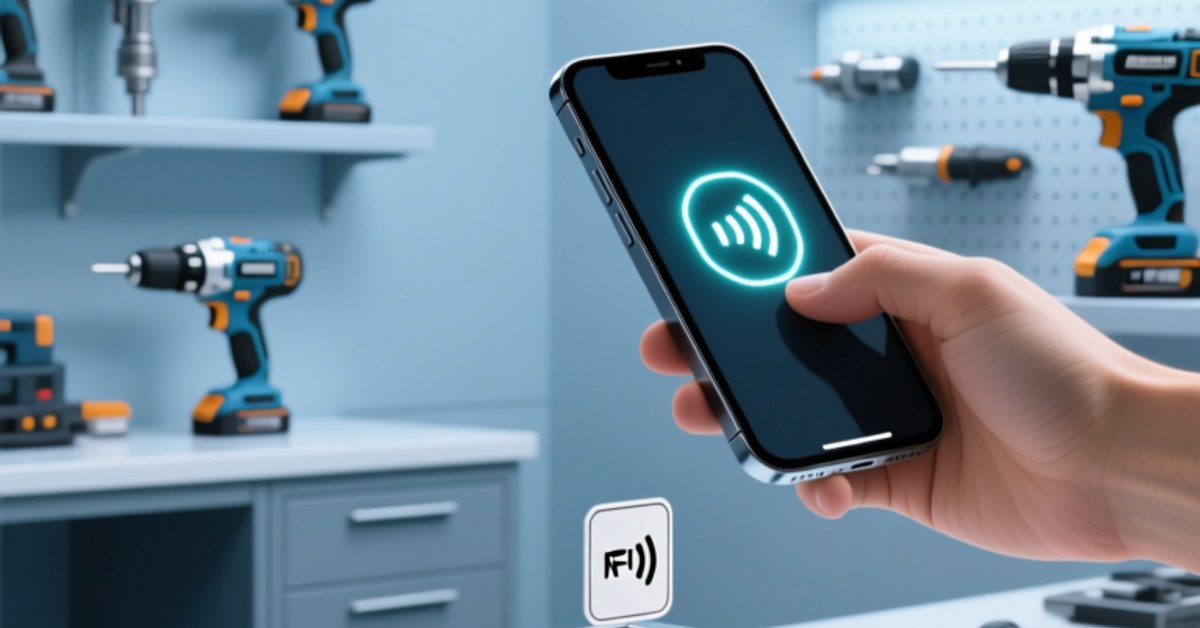
Dengan pelaksanaan rasmi Peraturan Ecodesign untuk Produk Lestari EU (ESPR), The Pasport Produk Digital (DPP) telah menjadi prasyarat untuk memasuki pasaran Eropah. Antara pelbagai pembawa data, RFID diiktiraf secara meluas sebagai infrastruktur asas yang paling ideal untuk DPP.
Pengenalan Unik: Membolehkan “Kembar Digital” daripada Produk
Keperluan teras DPP ialah kebolehkesanan produk sepanjang keseluruhan kitaran hayatnya. Teknologi RFID mewujudkan pemetaan satu-sama-satu antara dunia fizikal dan sistem digital dengan memberikan UID unik kepada setiap produk.
Berbanding dengan kod QR tradisional, Tag RFID mempunyai ciri-ciri bacaan kelompok dan pengenalan bukan visual. Menurut data IDTechEx, dalam peruncitan dan logistik, kecekapan membaca RFID adalah lebih daripada 25 kali lebih tinggi daripada pengimbasan kod bar manual. Kecekapan ini memastikan bahawa setiap nod kitaran hayat produk, daripada pengekstrakan bahan mentah kepada kitar semula dan pembongkaran, boleh direkodkan dengan tepat.
Pengumpulan Data Automatik: Menangani Titik Sakit Ekonomi Pekeliling
DPP bukan sahaja paparan maklumat statik tetapi juga pengumpulan data dinamik. Dalam ekonomi pekeliling, kitar semula dan penggunaan semula produk memerlukan analisis komponen dan rekod penyelenggaraan yang tepat.
- Ketahanan dan Penyembunyian: Tahan suhu tinggi gred industri dan anti-logam Tag RFID boleh tertanam dalam gentian tekstil atau bahagian automotif, memastikan bahawa tag kekal boleh digunakan sepanjang jangka hayat produk sehingga 10 tahun.
- Kapasiti data: Cip RFID boleh menyimpan maklumat klasifikasi kritikal, membenarkan kakitangan di tapak membaca arahan kitar semula melalui terminal pegang tangan walaupun dalam persekitaran luar talian.
Keselamatan Data dan Pengesahan Anti-Pemalsuan
DPP mempunyai keperluan ketat untuk ketulenan data. Algoritma penyulitan (seperti AES-128) terbina dalam cip RFID berkesan boleh menghalang gangguan data. Menurut laporan penyelidikan oleh ABI Research, syarikat yang menggunakan teknologi RFID untuk perlindungan jenama telah menyaksikan peningkatan purata sebanyak 35% dalam ketelusan rantaian bekalan, berkesan mengekang aliran produk tiruan dan substandard ke dalam saluran kitar semula yang mematuhi.
RFID bukan sahaja pembawa data tetapi juga jambatan yang menghubungkan produk fizikal kepada masa depan digital hijau. Dengan pelaksanaan mandatori dasar DPP dalam industri seperti tekstil dan bateri selepas 2026, Kedudukan RFID sebagai infrastruktur asas tidak boleh digantikan.
Sebagai peneraju penyelesaian RFID pembekal, RFIDHY telah didedikasikan untuk menandakan penyelidikan dan pembangunan selama beberapa dekad. Untuk menangani pelbagai keperluan DPP, RFIDHY menyediakan rangkaian lengkap sokongan perkakasan, daripada frekuensi ultra tinggi (Uhf) kepada komunikasi jarak dekat (NFC).
Untuk maklumat lanjut,Tolong Hubungi kami.