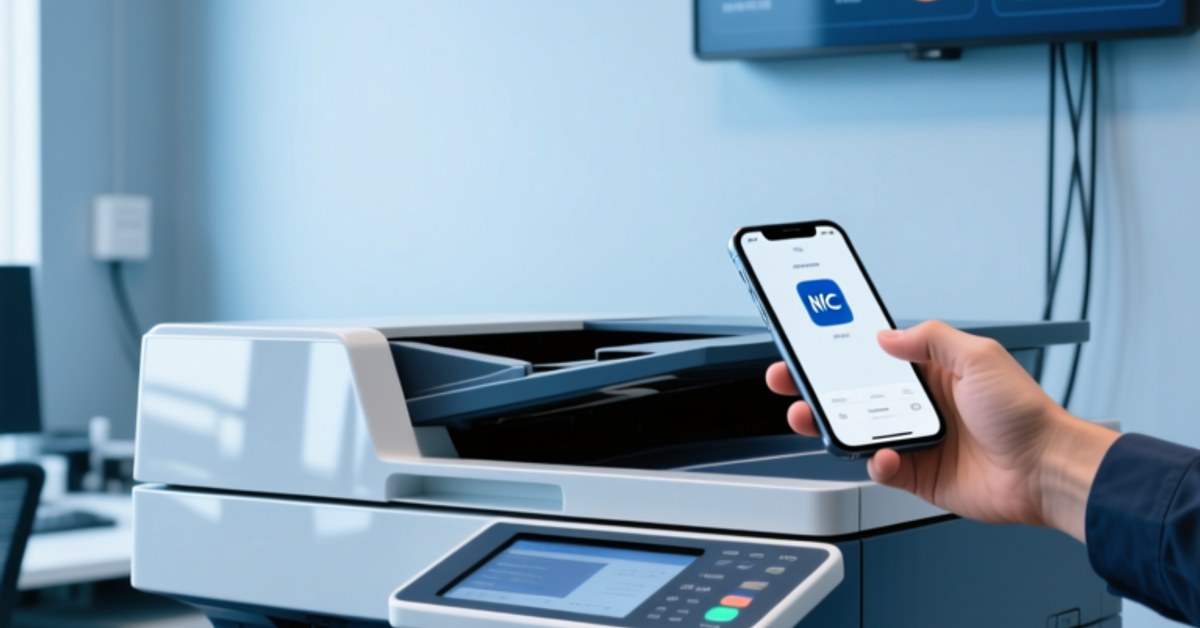
Met de vooruitgang van de EU-verordening inzake ecologisch ontwerp voor duurzame producten (ESPR), de Digitaal productpaspoort (DPP) is geworden een “verplichte pas” voor consumentenelektronica die de Europese markt betreedt. Onder verschillende identificatietechnologieën zoals QR-codes en barcodes, NFC (Near Field-communicatie), met zijn unieke interactieve voordelen, wordt algemeen erkend als het beste fysieke toegangspunt voor consumentenelektronica om DPP te implementeren.
Beleidsgedreven: De tijdlijn van de DPP-verordening
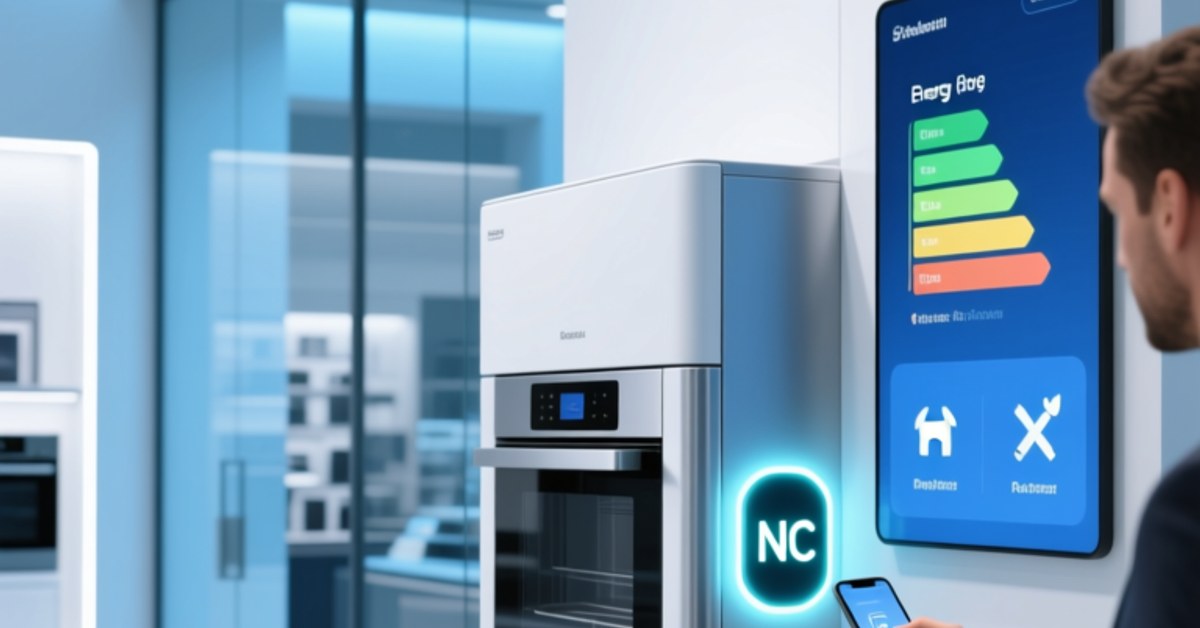
Volgens EU-plannen, DPP zal naar verwachting als eerste in de batterij worden geïmplementeerd, textiel, en elektronicasectoren beginnend in 2026. Het kerndoel is het bereiken van traceerbaarheid gedurende de gehele levenscyclus van het product, die alle gegevens omvat, van de winning van grondstoffen tot recycling aan het einde van de levensduur.
Waarom is NFC de beste keuze voor consumentenelektronica?
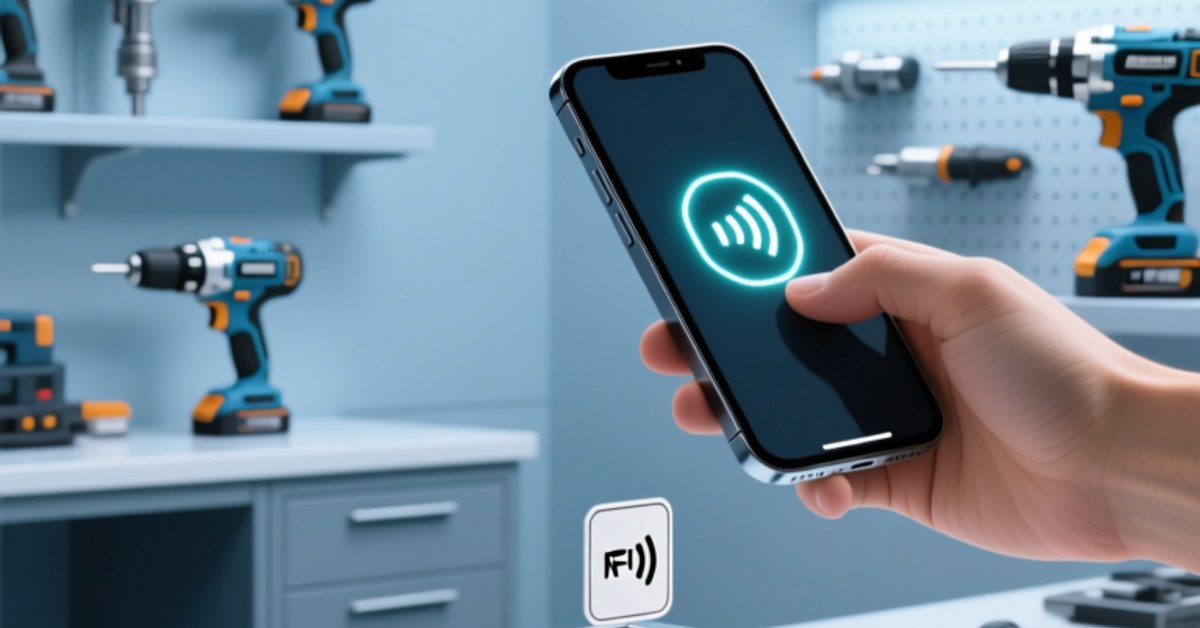
- Native compatibiliteit en interactiekosten: Modern smartphones bijna 100% ondersteuning voor NFC-functionaliteit. Consumenten hoeven geen extra apps te downloaden; ze hebben eenvoudig toegang tot productreparatiehandleidingen of gegevens over de CO2-voetafdruk “tikken” hun telefoon. Uit onderzoek blijkt dat het interactieconversiepercentage van NFC ongeveer bedraagt 20% hoger dan traditionele QR-codes, waardoor de drempel voor gebruikersparticipatie in de circulaire economie aanzienlijk wordt verlaagd.
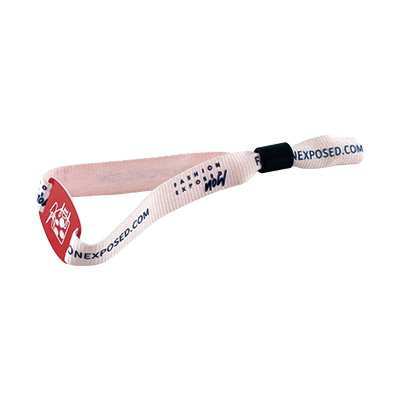
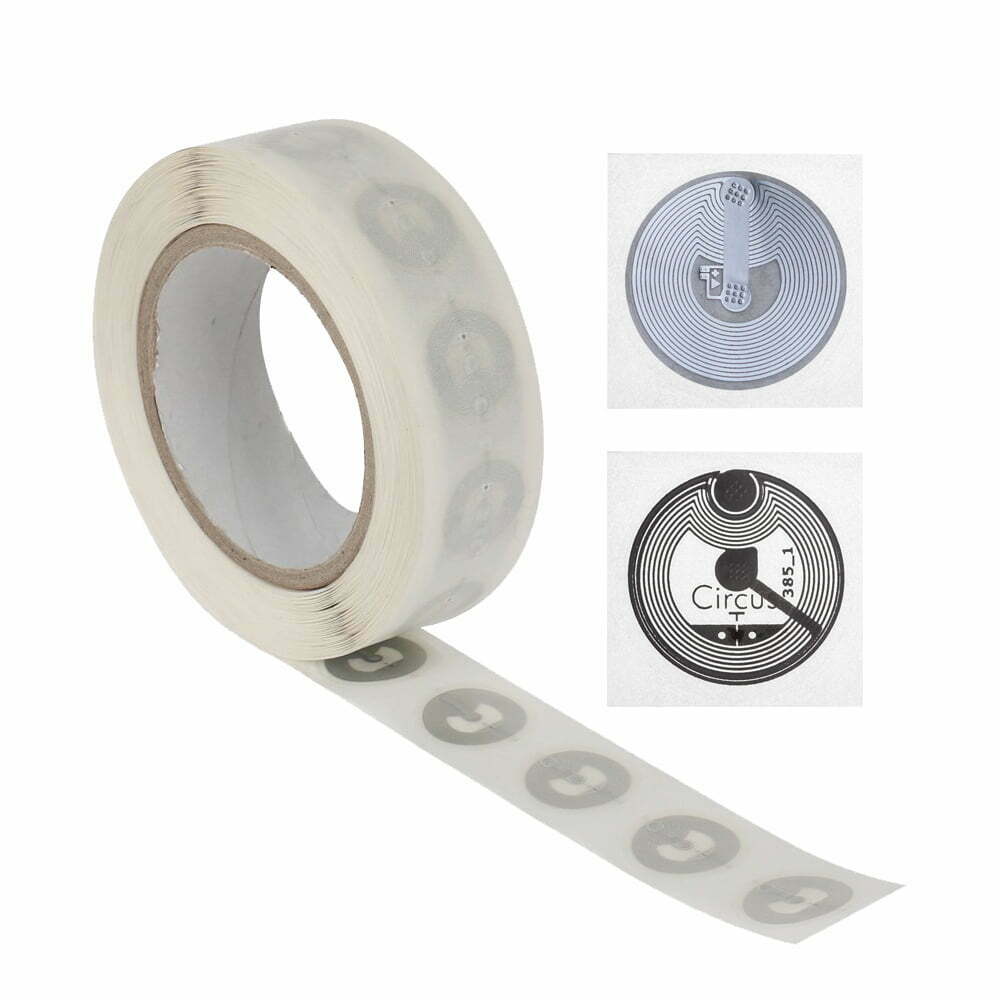
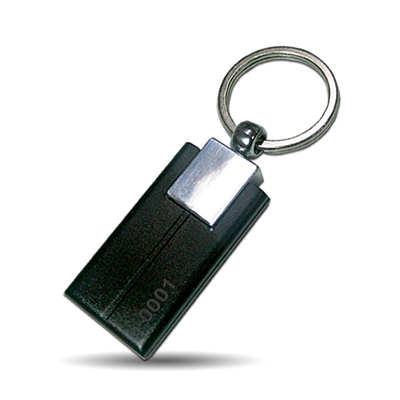
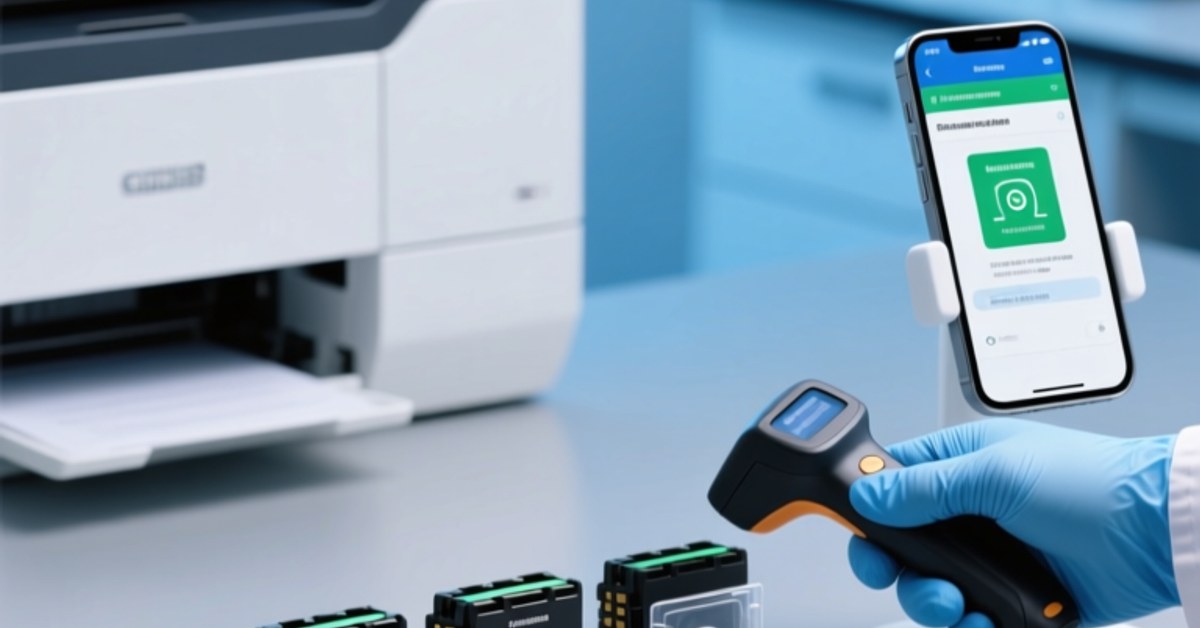
- Fysieke beveiliging en anti-namaak: Consumentenelektronica is een product van hoge waarde en is vatbaar voor namaak. NFC -chips hebben niet-kopieerbare UID's en gecodeerde authenticatiefuncties. Gecodeerd NFC-tags geleverd door een toonaangevend RFID-bedrijf RFIDHY kan op effectieve wijze kwaadwillige manipulatie van DPP-gegevens voorkomen, het garanderen van de authenticiteit van de informatie.
- Duurzaamheid in extreme omgevingen: Vergeleken met gemakkelijk versleten afgedrukte QR-codes, NFC-tags kan in de behuizing worden ingebed “onzichtbaar” bescherming. Hun bewaartermijn voor gegevens is zo lang als 10 naar 50 jaren, voldoende om de volledige levenscyclus van elektronische producten te dekken.
Ondersteuning van branchegegevens
Marktgroeipercentage: Er wordt verwacht dat de mondiale DPP-markt een samengesteld jaarlijks groeipercentage zal kennen (CAGR) van 22.6% tussen 2025 En 2034.
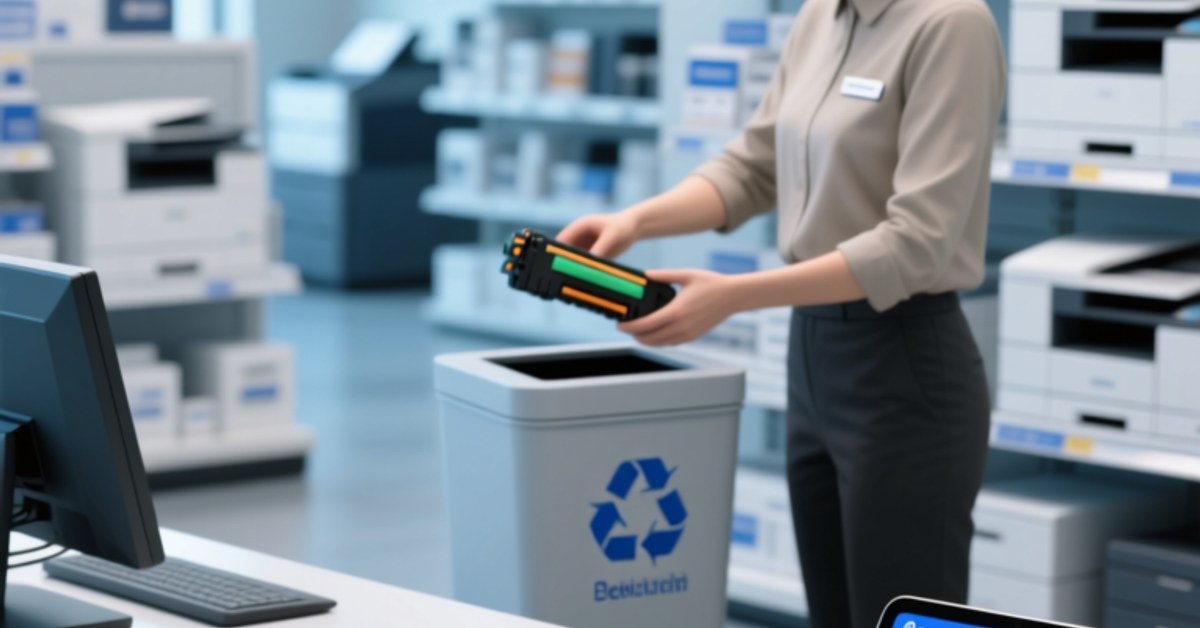
Nalevingsdruk: Elektronisch afval is momenteel de snelst groeiende afvalstroom. Door middel van reparatie en recycling onder begeleiding van NFC DPP, materiaalterugwinningspercentages kunnen met ongeveer worden verhoogd 15% (Bron: Mondiale marktinzichten).
RFIDHY's praktische aanbevelingen
Als toonaangevend bedrijf met jarenlange ervaring in de RFID-industrie, RFIDHY raadt fabrikanten aan om NFC DPP vanaf het begin in hun ontwerpproces op te nemen. Door hoogwaardige prestaties te integreren RFID-tags, bedrijven kunnen niet alleen voldoen aan de wettelijke vereisten, maar ook directe communicatiekanalen met consumenten opzetten via DPP, het bieden van gepersonaliseerde after-sales service en loyaliteitsbeloningen.
Voor meer informatie,Alsjeblieft neem contact met ons op.