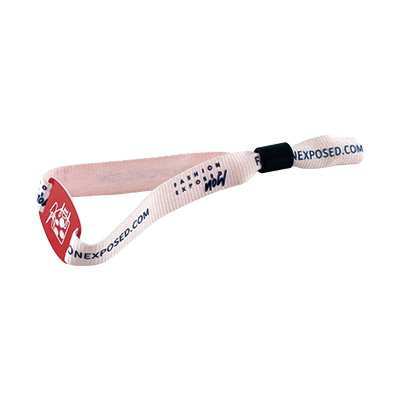
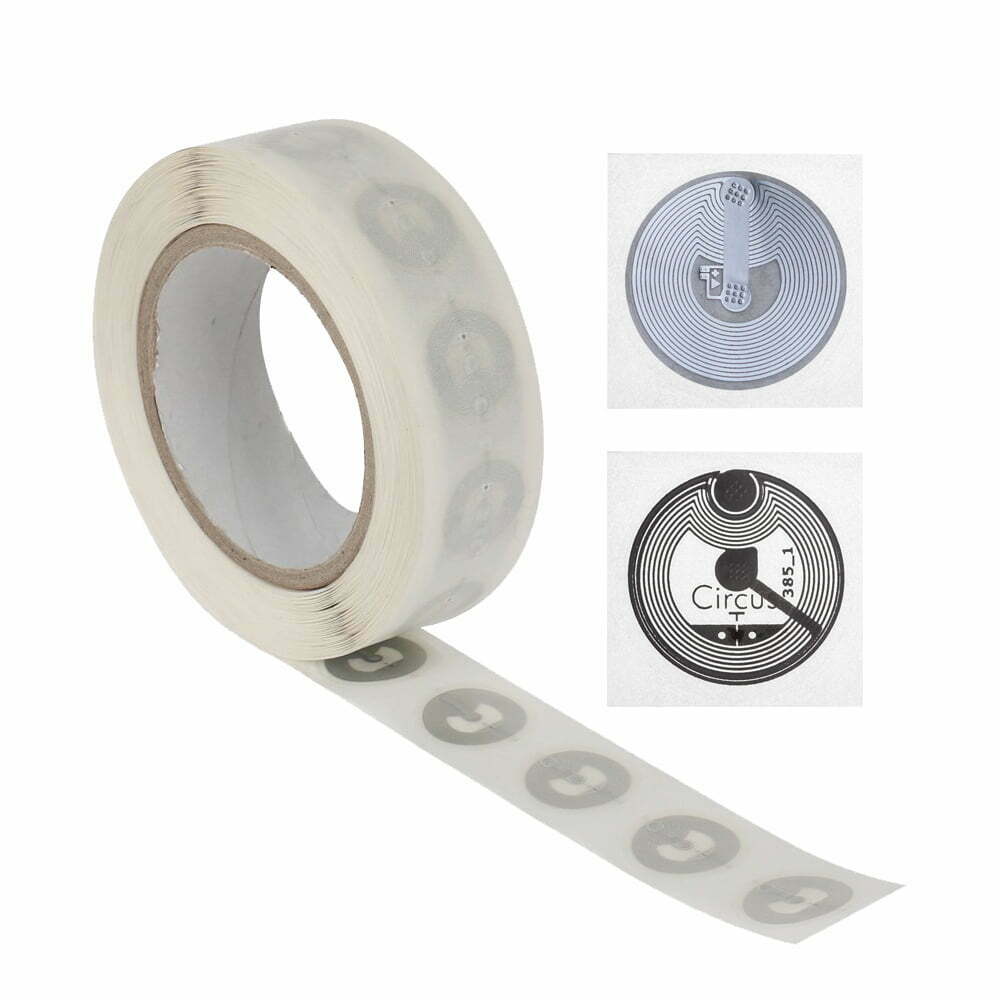
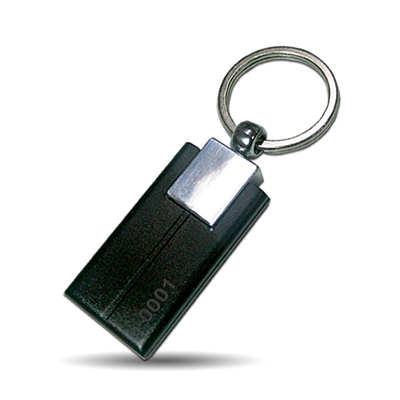
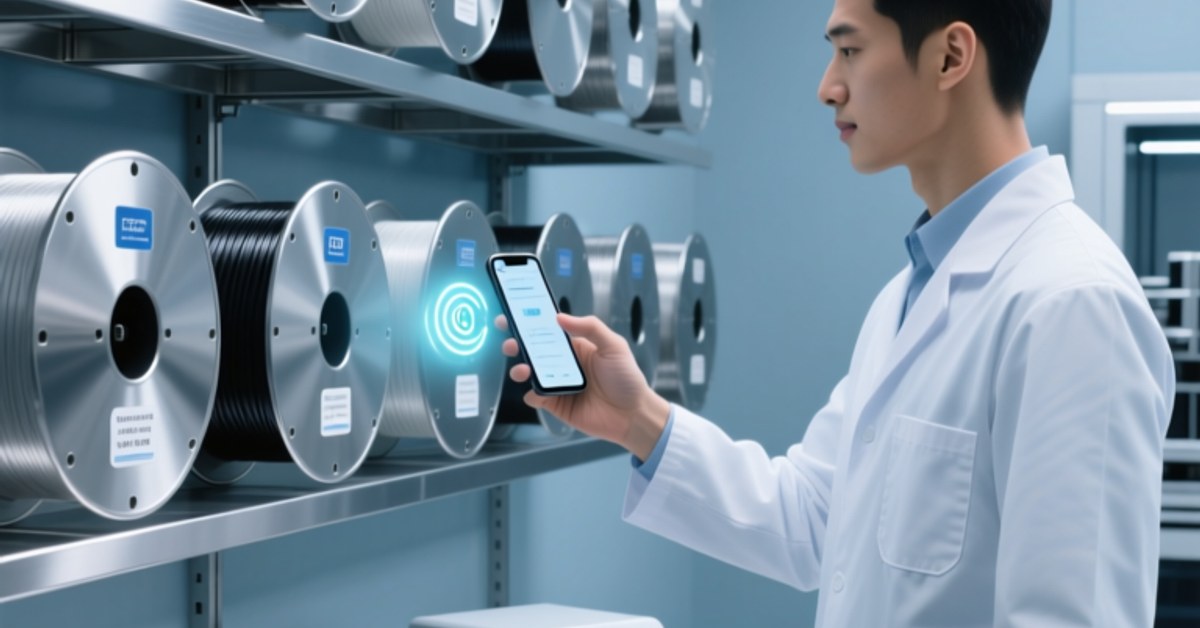
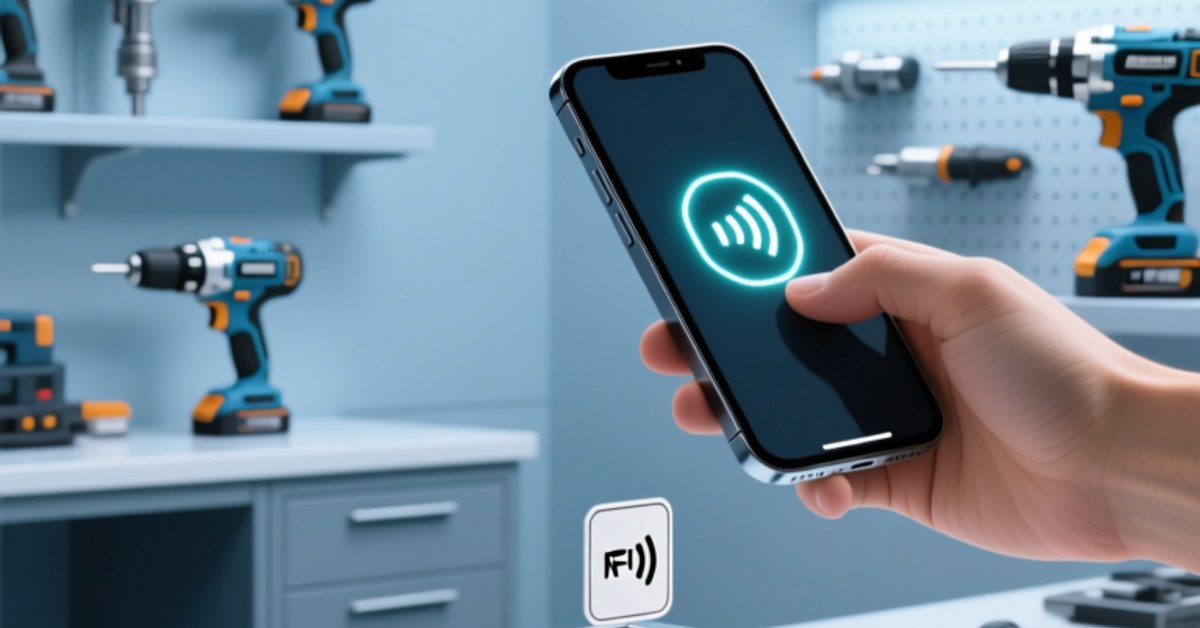
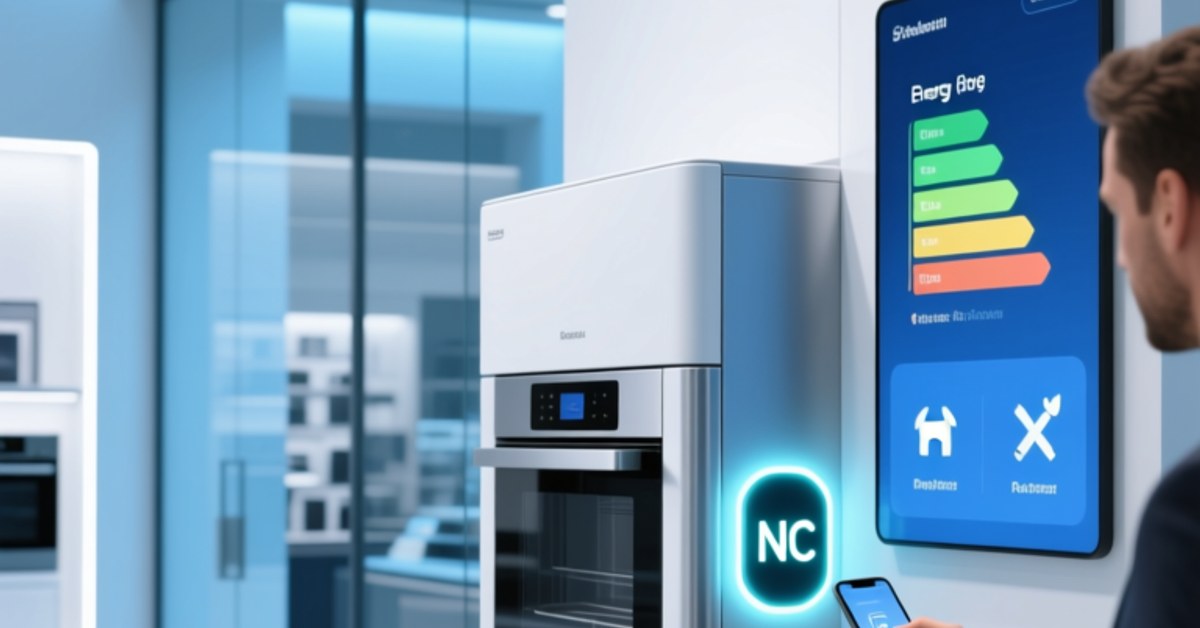
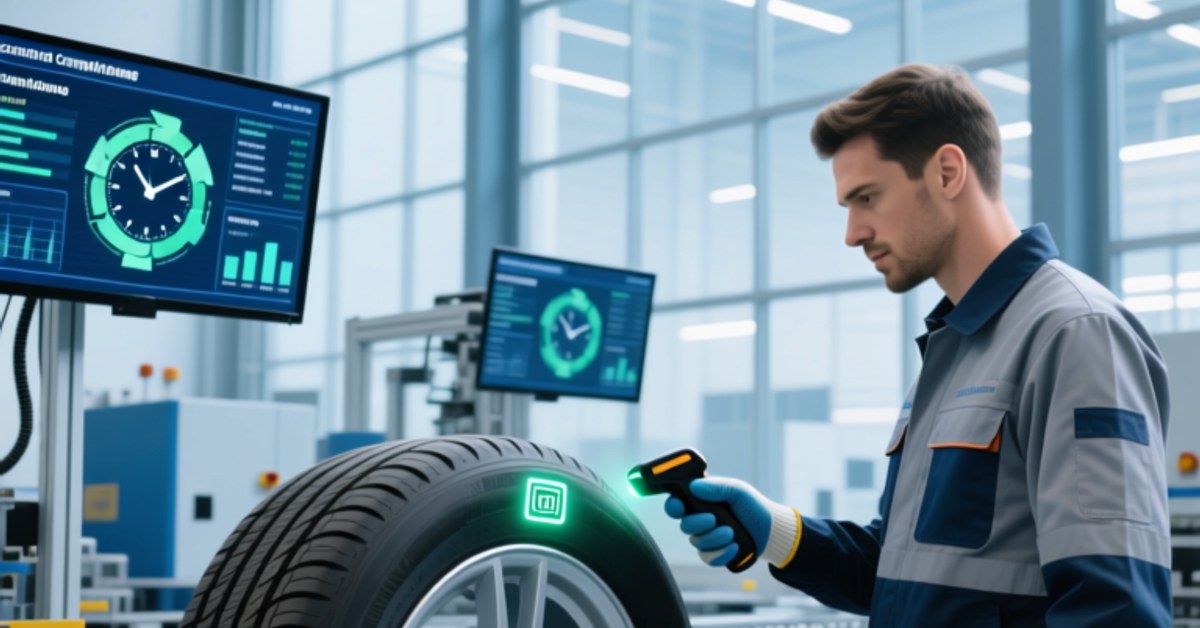
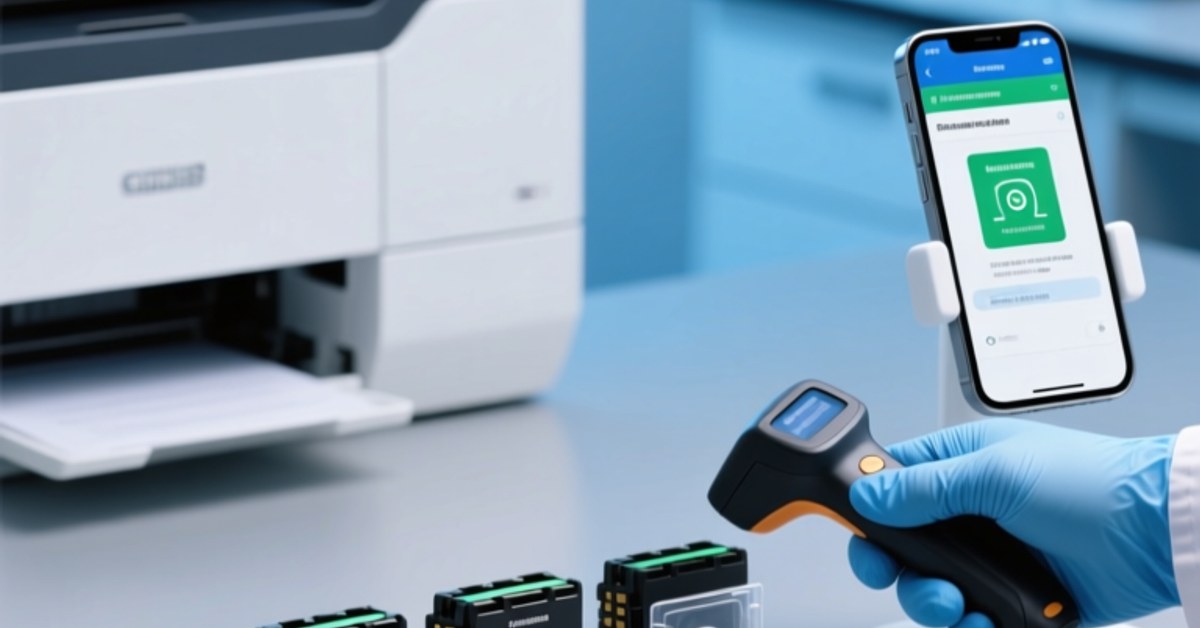
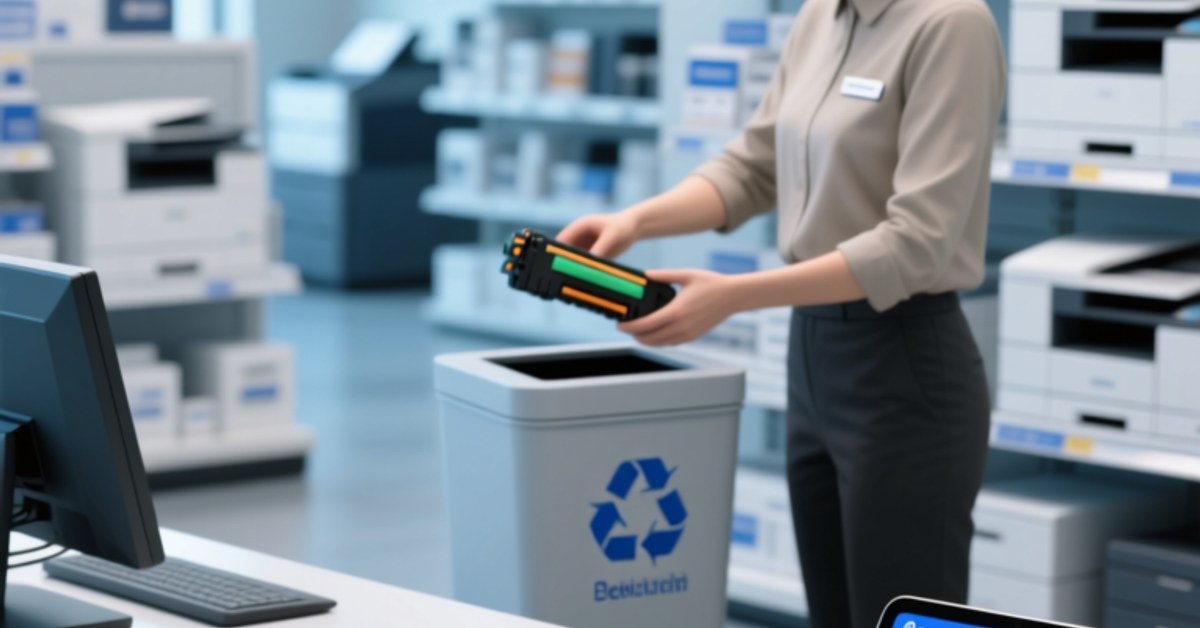
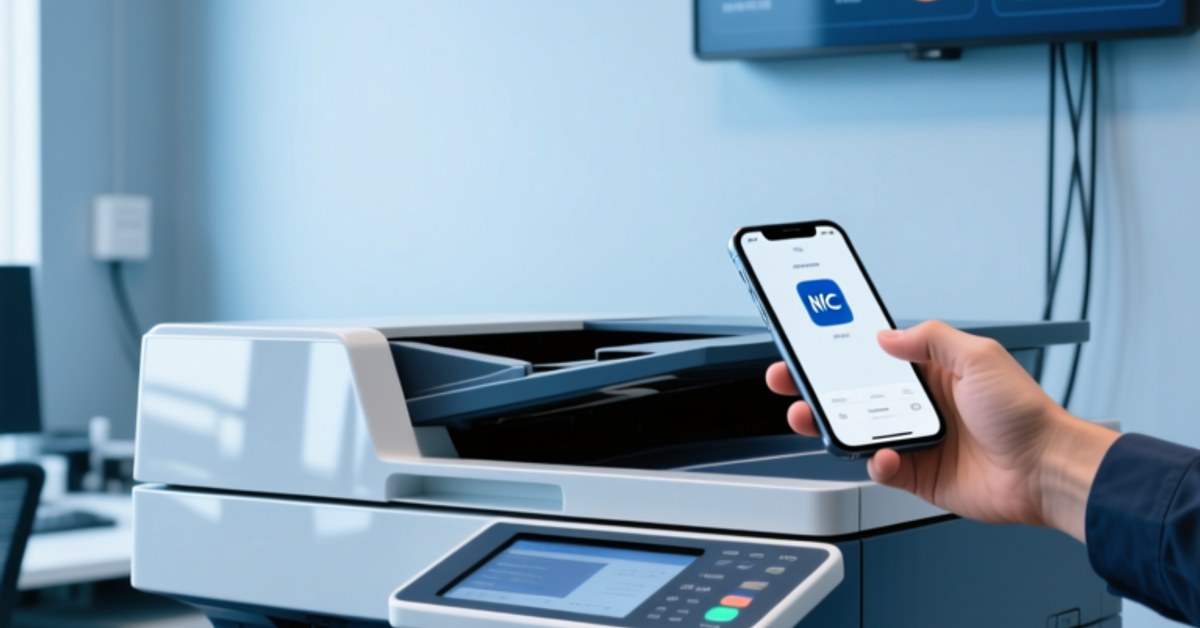
Med fremme af EU's Ecodesign for Sustainable Products Regulation (ESPR), de Digitalt produktpas (DPP) er blevet en “obligatorisk pas” for forbrugerelektronik, der kommer ind på det europæiske marked. Blandt forskellige identifikationsteknologier såsom QR-koder og stregkoder, NFC (Nærfeltskommunikation), med sine unikke interaktive fordele, er bredt anerkendt som det bedste fysiske indgangspunkt for forbrugerelektronik til at implementere DPP.
Politik-drevet: DPP-reguleringens tidslinje
Ifølge EU-planer, DPP forventes at blive implementeret først i batteriet, tekstil, og elektroniksektorer, der starter i 2026. Dets kernemål er at opnå sporbarhed gennem hele produktets livscyklus, dækker alle data fra råvareudvinding til udtjent genbrug.
Hvorfor er NFC det bedste valg til forbrugerelektronik?
- Native kompatibilitet og interaktionsomkostninger: Moderne Smartphones næsten 100% understøtter NFC-funktionalitet. Forbrugerne behøver ikke at downloade yderligere apps; de kan få adgang til produktreparationsvejledninger eller CO2-fodaftryksdata blot ved “aflytning” deres telefon. Forskning viser, at NFCs interaktionskonverteringsrate er ca 20% højere end traditionelle QR-koder, markant sænke barrieren for brugerdeltagelse i den cirkulære økonomi.
- Fysisk sikkerhed og bekæmpelse af varemærkeforfalskning: Forbrugerelektronik er produkter af høj værdi og er modtagelige for forfalskning. NFC -chips har ukopierbare UID'er og krypterede godkendelsesfunktioner. Krypteret NFC -tags leveret af førende RFID-virksomhed RFIDHY kan effektivt forhindre ondsindet manipulation af DPP-data, at sikre oplysningernes ægthed.
- Holdbarhed i ekstreme miljøer: Sammenlignet med let slidte udskrevne QR-koder, NFC -tags kan indlejres inde i kabinettet til “usynlig” beskyttelse. Deres dataopbevaringsperiode er lige så lang som 10 til 50 år, tilstrækkelig til at dække hele livscyklussen af elektroniske produkter.
Branchedatasupport
Markedets vækstrate: Det globale DPP-marked forventes at have en sammensat årlig vækstrate (CAGR) af 22.6% mellem 2025 og 2034.
Overholdelsestryk: Elektronisk affald er i øjeblikket den hurtigst voksende affaldsstrøm. Gennem reparation og genbrug guidet af NFC DPP, materialegenvindingsgraden kan øges med ca 15% (Kilde: Global markedsindsigt).
RFIDHYs praktiske anbefalinger
Som en førende virksomhed med mange års erfaring i RFID-branchen, RFIDHY anbefaler, at producenterne indarbejder NFC DPP i deres designproces fra starten. Ved at integrere højtydende RFID -tags, virksomheder kan ikke kun opfylde regulatoriske krav, men også etablere direkte kommunikationskanaler med forbrugerne gennem DPP, give personlig eftersalgsservice og loyalitetsbelønninger.
For mere information,behage Kontakt os.