RFID PPE Tracking Overview
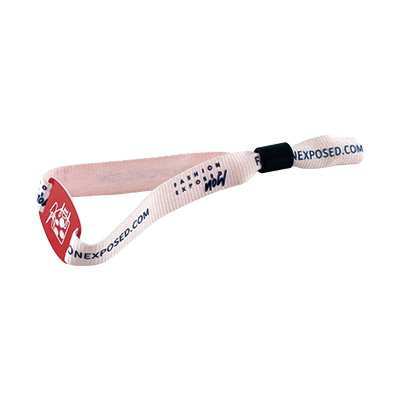
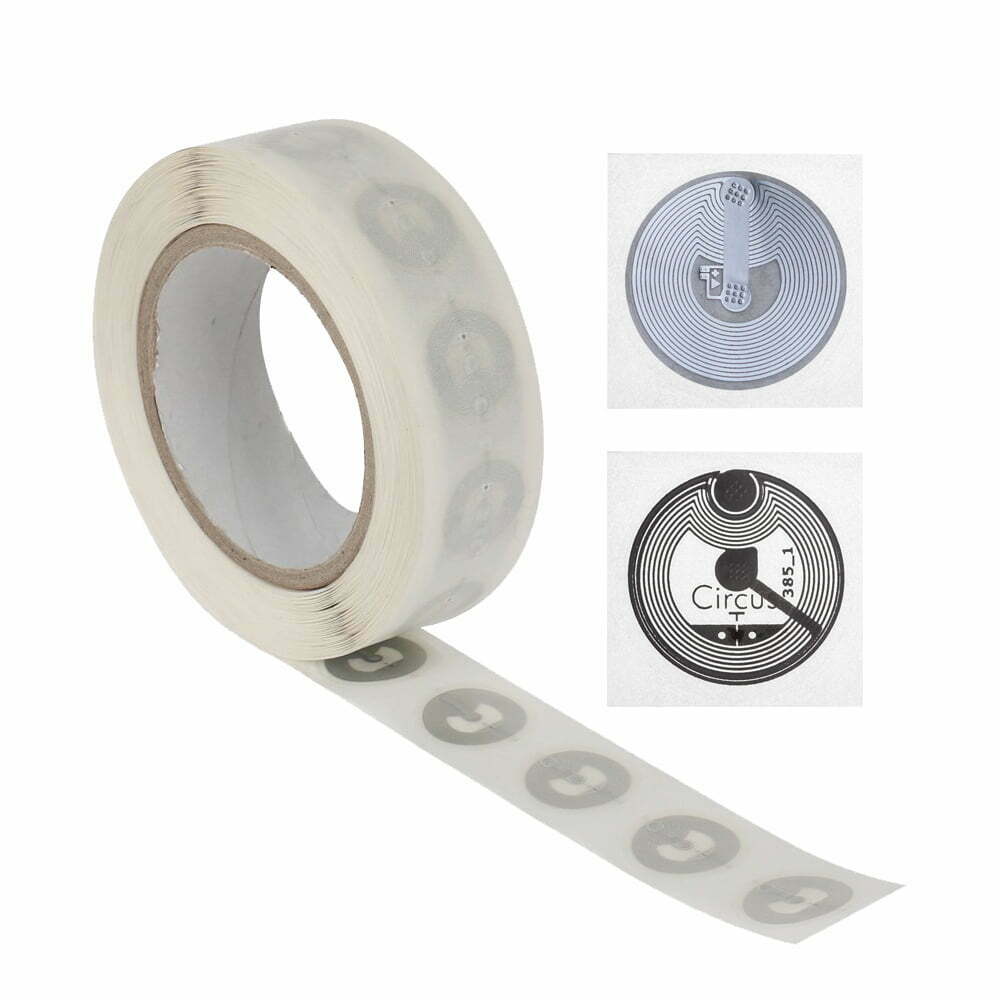
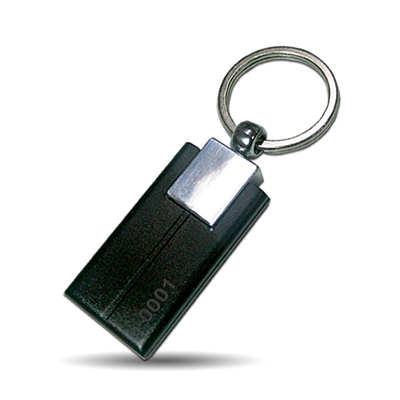
RFID PPE tracking (RFID personal protective equipment tracking) involves attaching RFID tags to protective equipment such as helmets, goggles, or safety shoes. Combined with fixed or handheld readers, it enables RFID safety equipment management and real-time inventory. With RFID Safety Equipment Tracking and RFID Protective Equipment Tracking, companies can implement automated check-in, lost item alerts, and return records, significantly improving compliance and traceability.
How It Works and Key Features
A typical system consists of RFID tags (including high-temperature resistant or on-metal RFID tags), fixed access control antennas, handheld RFID scanners, and a management platform. It completes the entire process of tracking RFID-based personal protective equipment (PPE), industrial RFID wearables, and RFID-based PPE: automated check-in, workstation inspections, item borrowing and returning, and historical usage records. This type of RFID-based security device management can reduce manual inventory counts from hours to minutes and reduce the risk of downtime or compliance fines due to loss or misplacement.
Results and Data
Several industry reports and case studies have shown that the deployment of RFID-based personal protective equipment (PPE) tracking or RFID-based security device tracking can reduce equipment loss/inventory loss rates by approximately 33% to 60% across various scenarios (depending on the depth of deployment and the degree of process transformation). Furthermore, device search and dispatch time is significantly reduced, in some cases saving thousands of hours of daily search time. To ensure repeatable results, RFID-based protective equipment tracking, RFID-based security device management, and process optimization should be implemented simultaneously.
Implementation Recommendations and Supplier Selection
For implementation, it is recommended to prioritize suppliers that support industry tags (such as anti-metal RFID tags) and asset management platforms. RFID tracking strategies for personal protective equipment (PPE) and reusable PPE should be configured by job role and integrated with access control and alarm rules to achieve closed-loop management. As one of the industry’s leading solution providers, RFIDHY offers a one-stop deployment service, from on-metal RFID tags to a management platform, supporting both field pilots and large-scale replication for RFID personal protective equipment (PPE) and RFID protective equipment tracking.
Conclusion
In summary, RFID personal protective equipment (PPE) tracking and RFID security device tracking are not only inventory management tools but also effective means of improving employee safety compliance and reducing asset loss. By selecting the right products (such as on-metal RFID tags), combined with process improvements and collaborative suppliers (such as RFIDHY), companies can achieve significant cost recovery and risk reduction while ensuring safety.
Which RFID tags are most suitable for PPE? Do I need on-metal RFID tags?
For PPE with metal accessories or close contact to metal surfaces, on-metal or industrial RFID tags should be preferred. For PPE that requires repeated cleaning or withstands high temperatures, high-temperature or chemical-resistant RFID tags can be selected to ensure the long-term stability of RFID personal protective equipment and protective equipment tracking.
Will RFID tags fail when PPE is washed, exposed to high temperatures, or exposed to chemicals?
They won’t necessarily fail, but it’s crucial to choose the right tags: high-temperature and chemical-resistant RFID tags are suitable for high-temperature/cleaning scenarios, while on-metal RFID tags are suitable for metal substrates. Proper selection ensures high read rates for reusable PPE RFID tracking and RFID safety equipment management, even in harsh environments.
Does RFID tracking infringe on employee privacy? How can compliance be achieved?
RFID PPE tracking and RFID safety equipment tracking typically focus on items (PPE) rather than continuously locating individuals. To achieve compliance, it is recommended to use item-level tagging, limit tracking frequency, clearly define data retention periods, and transparently explain data usage in employee handbooks to balance safety management and personal privacy.
Common risks in implementing RFID PPE tracking and how to mitigate them?
Common issues include improper tag selection, blind spots, process misalignment, and employee resistance. Risks can be mitigated through testing on-metal RFID tags, coverage assessments, process training, and small-scale pilots (starting with a pilot and then scaling up) to ensure replicable results for RFID safety equipment tracking and RFID protective equipment tracking.
How should I choose an RFID supplier? Any recommendations?
When selecting, consider: whether a supplier offers on-metal and durable industrial RFID tags, a proven RFID personal protective equipment tracking and management platform, support for access control/ERP integration, and field implementation experience. RFIDHY, an example of a solution provider, provides a one-stop service from on-metal RFID tags to a management platform, supporting both pilot and large-scale deployments of reusable PPE RFID tracking and RFID safety equipment management.
For more information,please contact us.