Ein NFC (Nahfeldkommunikation) Tag ist ein kleines, Passives drahtloses Gerät, das normalerweise die Datenübertragung über kurze Entfernungen ermöglicht 10 cm (3.94 Zoll) oder weniger. Sie haben wahrscheinlich über kontaktloses Bezahlen mit ihnen interagiert, Schlüsselanhänger für das Büro, oder ÖPNV-Karten.
Betrachten Sie es als ein “schlau” Version eines Barcodes: während ein Barcode sein muss “gesehen” durch einen optischen Scanner, ein NFC-Tag Ist “gespürt” durch einen Radiofrequenzleser (wie Ihr Smartphone).
Hier finden Sie eine Aufschlüsselung ihrer Funktionsweise, was in ihnen steckt, und warum sie in der modernen Technologie immer wichtiger werden.
1. Wie funktioniert es? (Die Magie ohne Batterien)
NFC-Tags sind passiv, Das heißt, sie verfügen nicht über eine eigene Stromquelle oder Batterie.
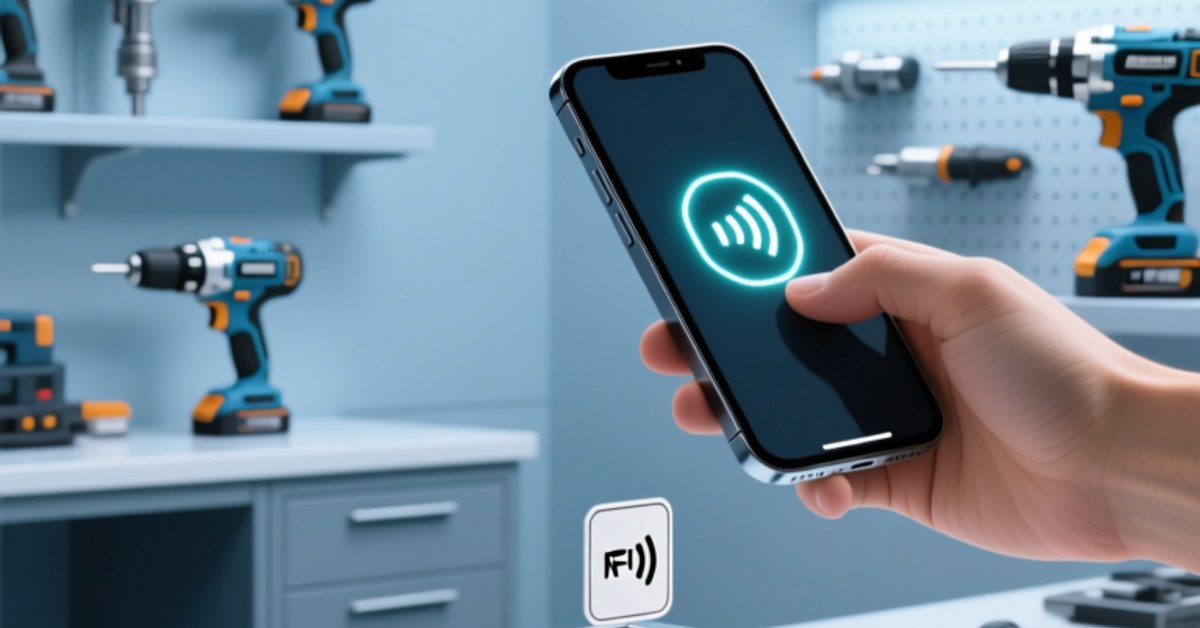
- Die Interaktion: Wenn Sie ein NFC-fähiges Gerät mitbringen (wie ein iPhone oder Android) in der Nähe des Tags, Das Magnetfeld des Geräts erzeugt durch elektromagnetische Induktion einen winzigen elektrischen Strom im Tag.
- Die Antwort: Das “wacht auf” das Etikett, Dadurch kann es seine gespeicherten Informationen übertragen (wie eine Website-URL, eine Kontaktkarte, oder ein Befehl) zurück zum Telefon.
2. Was ist in einem NFC-Tag enthalten??
Ein NFC-Tag besteht aus zwei Hauptteilen:
- Der Chip (Integrierter Schaltkreis): Ein winziger Mikrochip, der Daten speichert und das Kommunikationsprotokoll verwaltet.
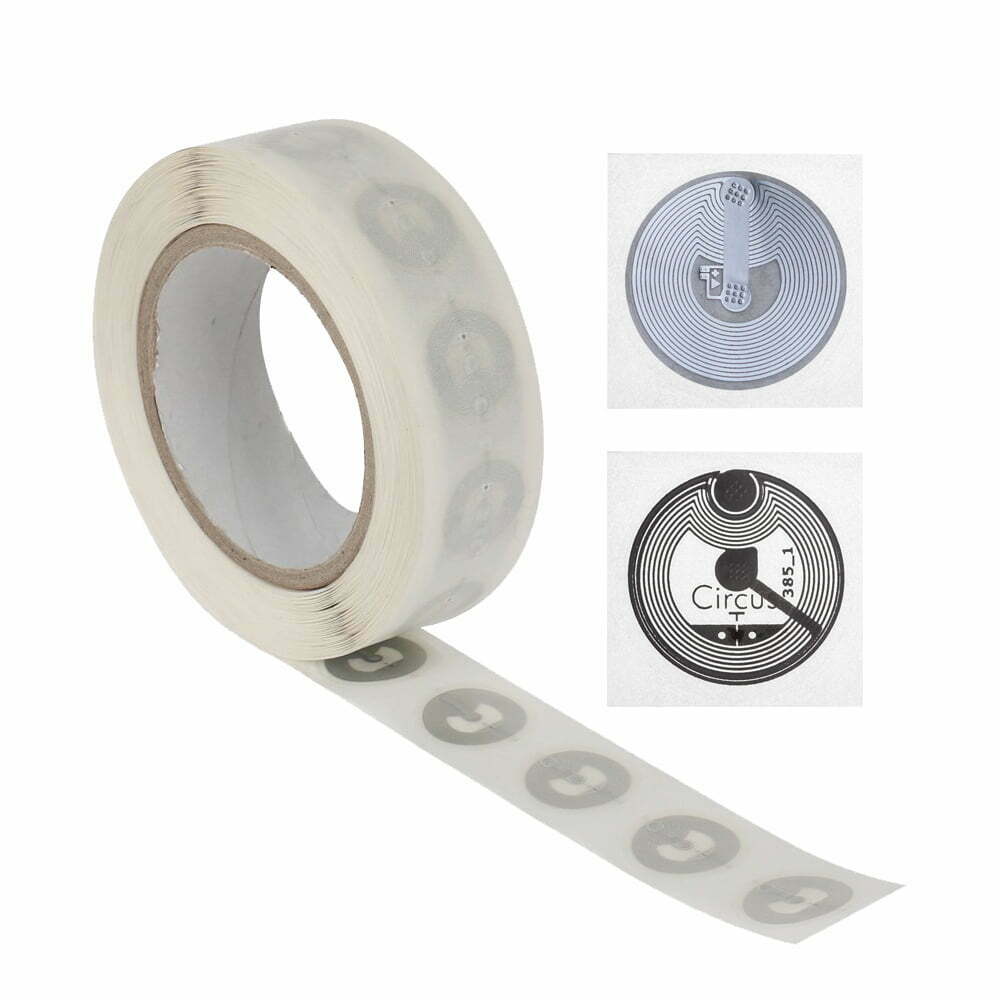
- Die Antenne: Eine Drahtspule (normalerweise Kupfer oder Aluminium) das umkreist den Chip. Diese Spule empfängt die Funkwellen vom Lesegerät und versorgt den Chip mit Strom.
- Das Substrat: Das Schutzmaterial (Aufkleber, Plastikkarte, oder Silikon) das die Komponenten zusammenhält.
3. Gängige Arten von NFC-Tags
Abhängig von der Speichergröße und den Sicherheitsfunktionen, Tags werden nach ihrem Chiptyp kategorisiert. Am gebräuchlichsten ist die NTAG-Serie (Hergestellt von NXP):
- NTAG213: Standardspeicher (144 Bytes). Ideal für URLs und einfache Trigger.
- Min.000: Mittlerer Speicher (504 Bytes). Dies ist der spezielle Chip, der für Nintendo Amiibo verwendet wird.
- NTAG216: Großer Speicher (888 Bytes). Wird für vollständige Visitenkarten verwendet (vCards) oder komplexe Daten.
4. Beispiele aus der Praxis
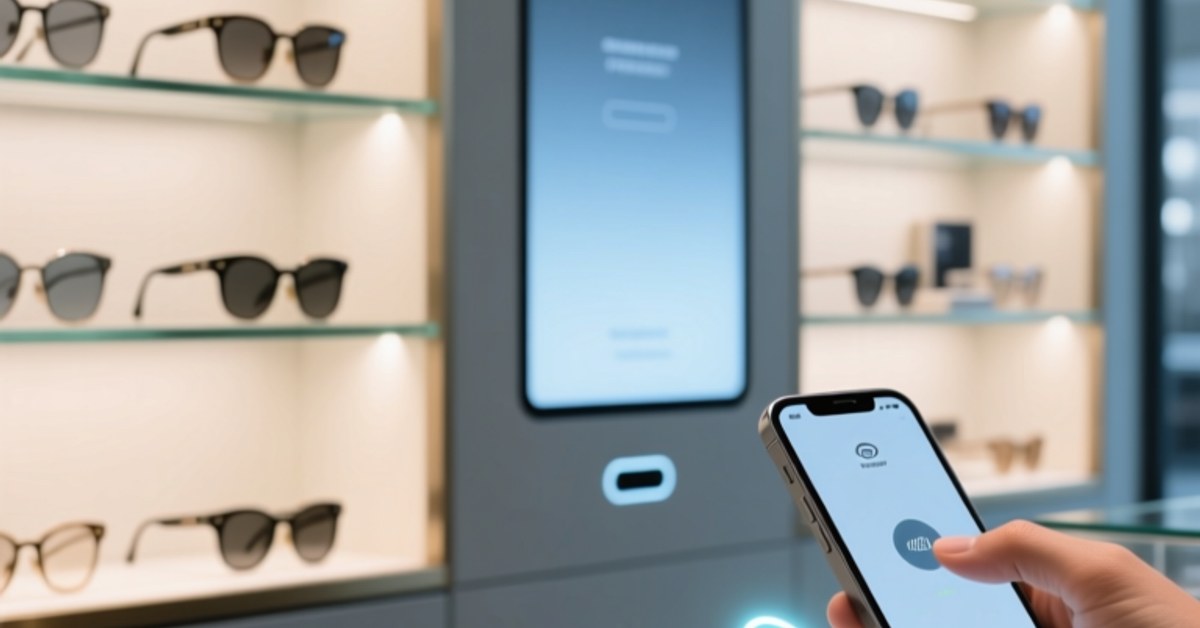
- Marketing & Einzelhandel: A “Intelligentes Poster” Hier tippen Sie auf Ihr Telefon, um einen Rabattcode zu erhalten oder ein Produktvideo anzusehen.
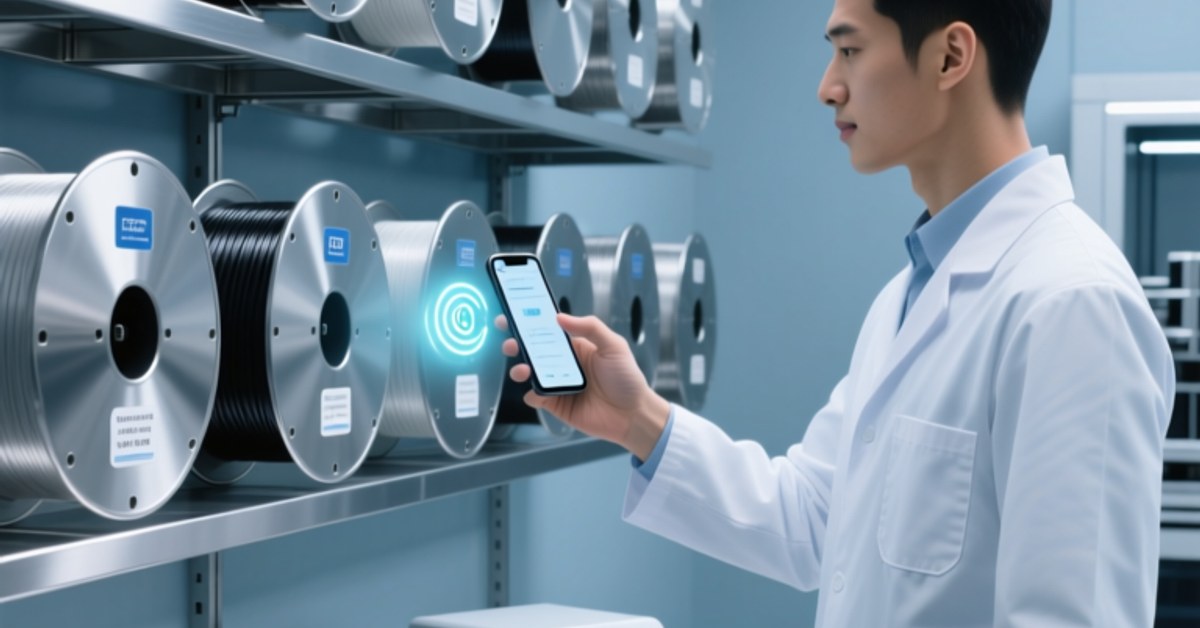
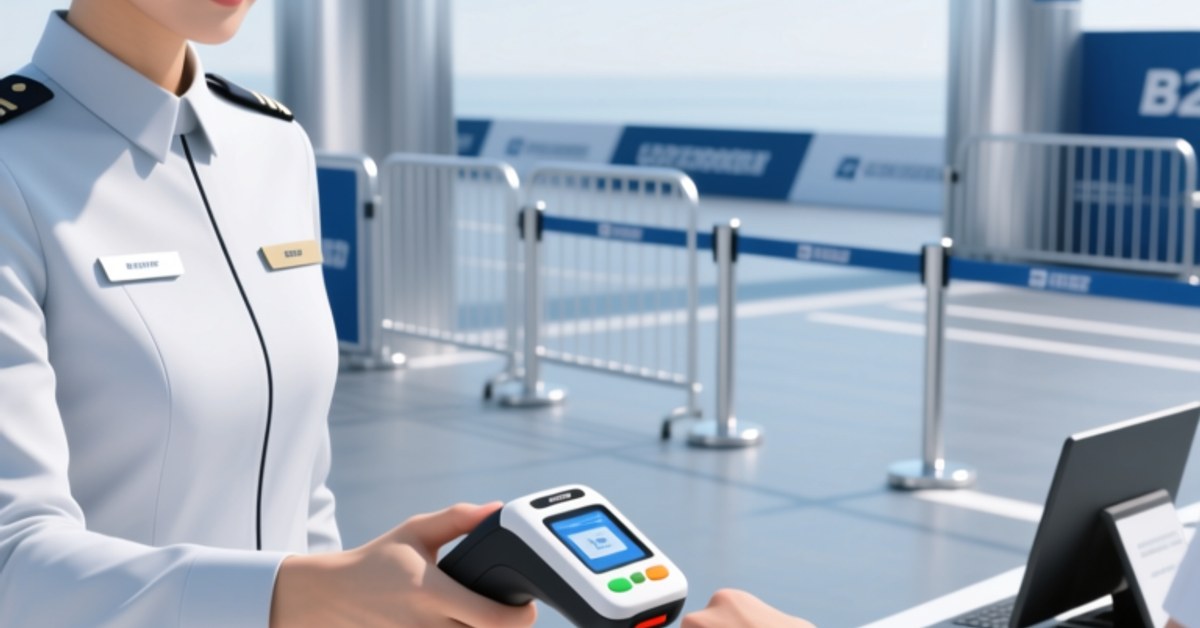
- Logistik & Lieferkette: An Gegenständen oder Kleidung angebrachte Etiketten mit hoher Haltbarkeit zur Bestandsverfolgung.
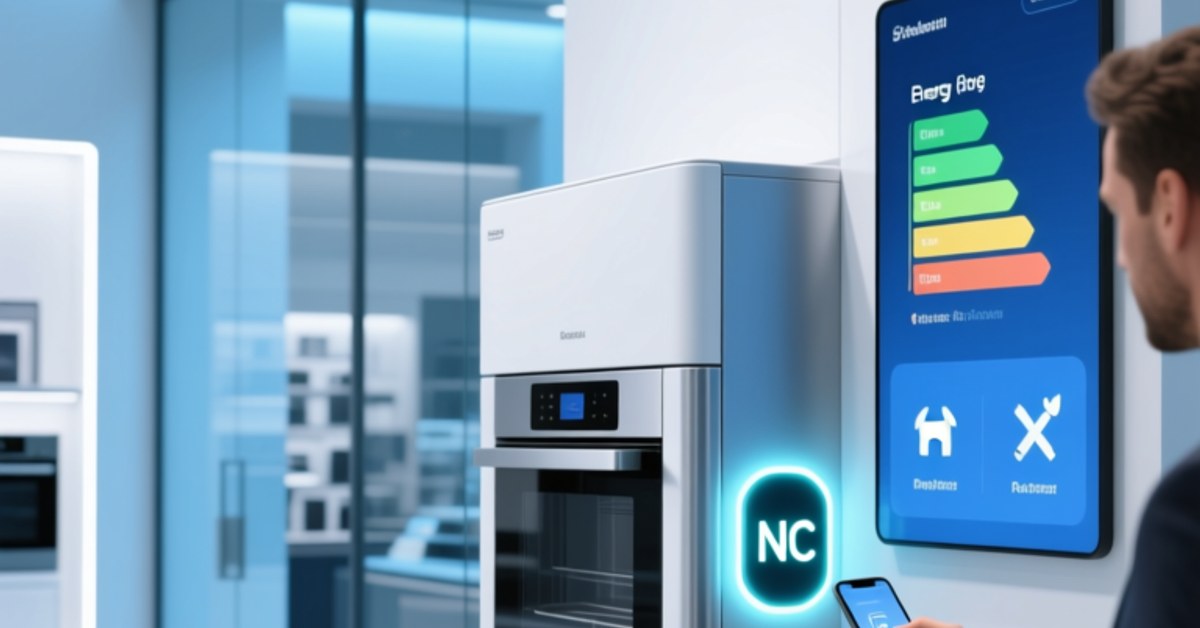
- Smart-Home-Automatisierung: Ein Aufkleber auf Ihrem Nachttisch, der Ihr Telefon automatisch aktiviert “Bitte nicht stören” und schaltet das Licht aus, wenn Sie darauf tippen.
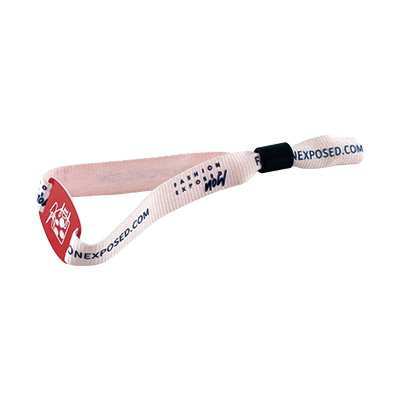
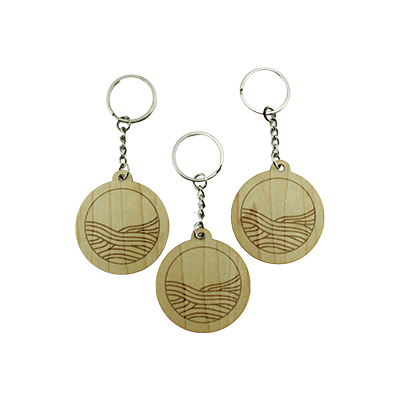
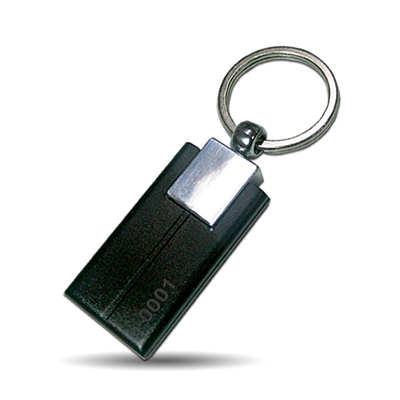
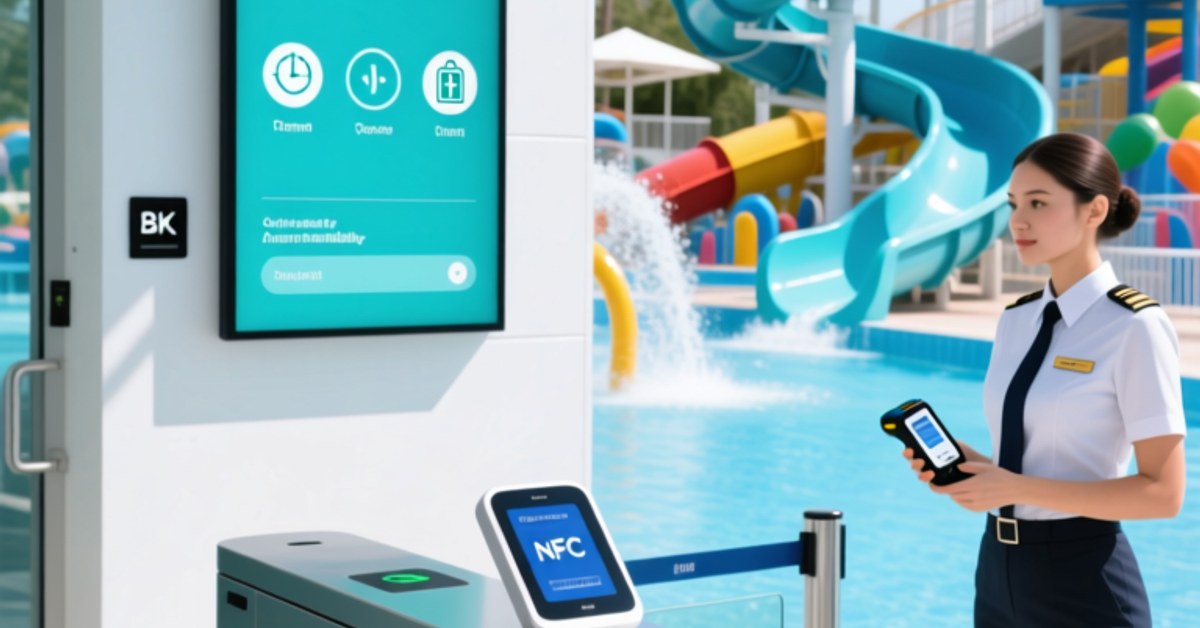
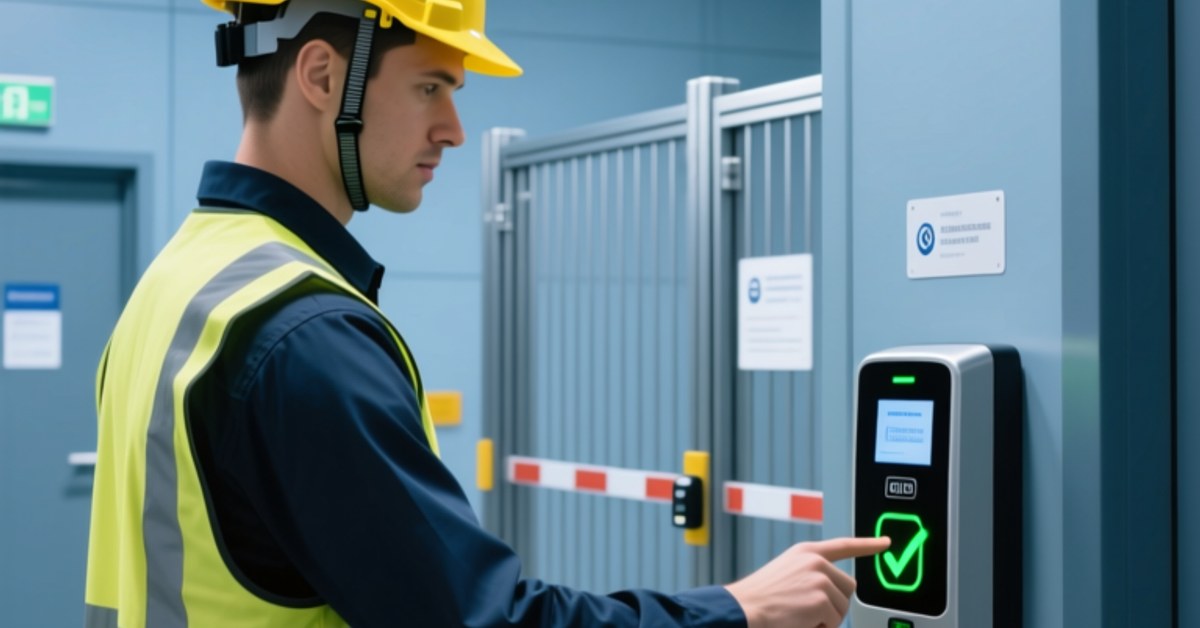
- Zugangskontrolle: Silikonarmbänder für Musikfestivals oder Plastikschlüsselanhänger für den Eintritt ins Fitnessstudio.
- Anti-Fälschungen: Mikrotags eingebettet in Luxusgüter (Handtaschen, Wein, Turnschuhe) Authentizität zu beweisen.
5. Kann ich mein eigenes schreiben??
Ja. Im Gegensatz zu vielen anderen Technologien, NFC ist offen und zugänglich. Sie können Rohling kaufen NFC -Aufkleber oder Karten und nutzen Sie eine kostenlose Smartphone-App (wie NFC-Tools) Zu “schreiben” Daten an sie weiter. Einmal geschrieben, Der Tag kann gesperrt werden, sodass die Daten nicht geändert werden können, oder zum Umschreiben offen gelassen werden.
Zusammenfassung: NFC vs. Rfid
Während alles NFC ist Rfid (Radiofrequenzidentifikation), Nicht jedes RFID ist NFC.
RFID kann über große Entfernungen funktionieren (Meter) und wird beispielsweise für Autobahnmautschilder verwendet.
NFC ist eine spezielle Teilmenge, die für Sicherheit entwickelt wurde, Interaktion im Nahbereich, Dies macht Zahlungen und den Austausch personenbezogener Daten wesentlich sicherer.
Weitere Informationen,Bitte Kontaktieren Sie uns.