Che cos'è un passaporto dei prodotti digitali (Dpp)?
UN Passaporto dei prodotti digitali (Dpp) è leggibile dalla macchina, record digitale a prova di manomissione contenente informazioni verificate sull'origine di un prodotto, composizione, impatto ambientale, durabilità, riparabilità, e le opzioni di fine vita. Sotto l’UE Eco-progetta per la regolamentazione dei prodotti sostenibili (ESPR), I DPP saranno obbligatori per le principali categorie di prodotti, comprese le batterie, tessuti, elettronica, veicoli, e materiali da costruzione, a partire già da 2026.
Perché il DPP dell’UE è importante
Il DPP dell’UE non è solo un requisito normativo: è un abilitatore strategico del raggiungimento degli obiettivi dell’economia circolare. Standardizzando i dati di prodotto attraverso le catene del valore, dà potere ai regolatori, imprese, e consumatori con trasparenza, tracciabilità, e responsabilità. Per le imprese, rischi di non conformità, restrizioni all’accesso al mercato, interruzioni della catena di fornitura, e danni alla reputazione nei mercati dell’UE.
In che modo la tecnologia NFC consente l'implementazione del DPP
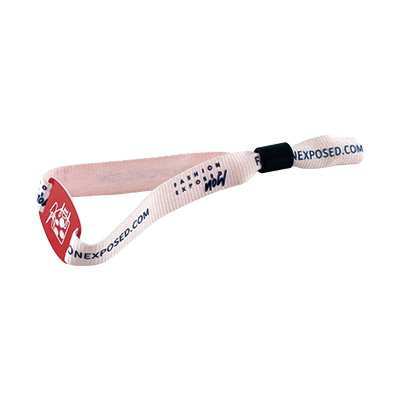
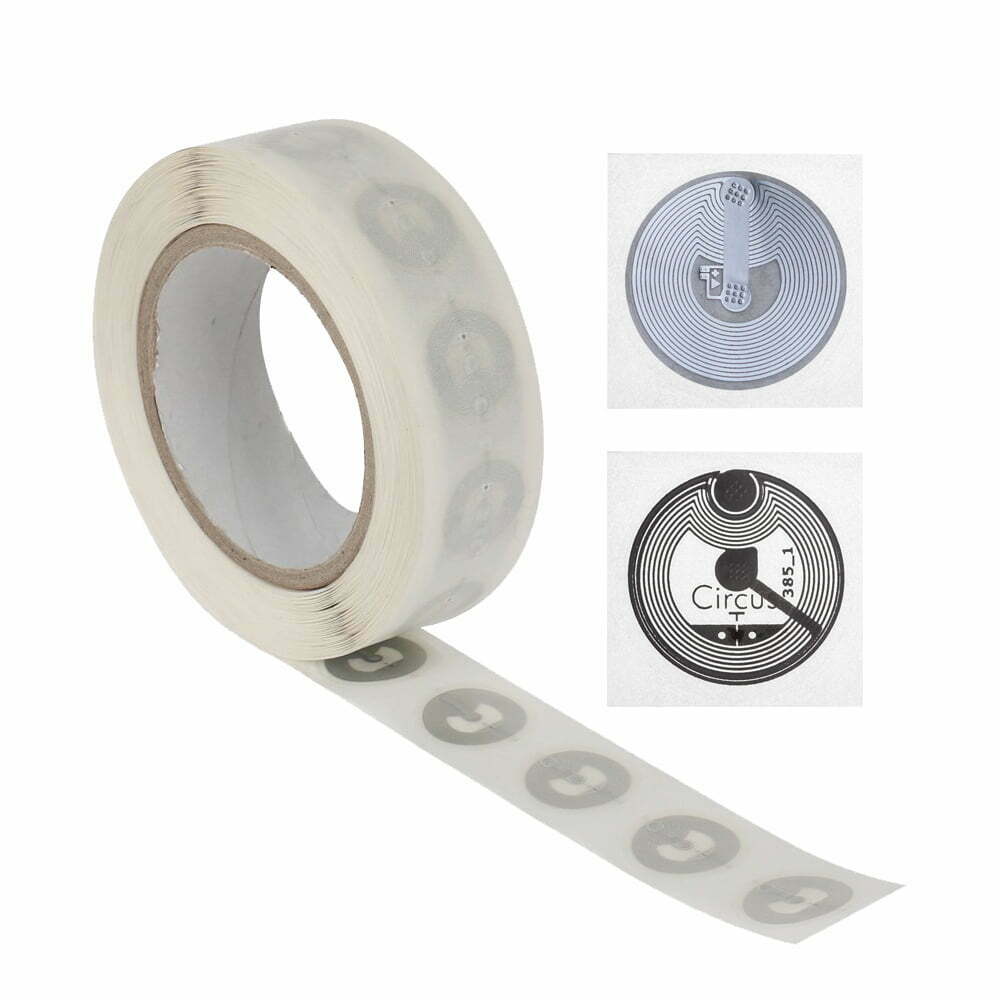
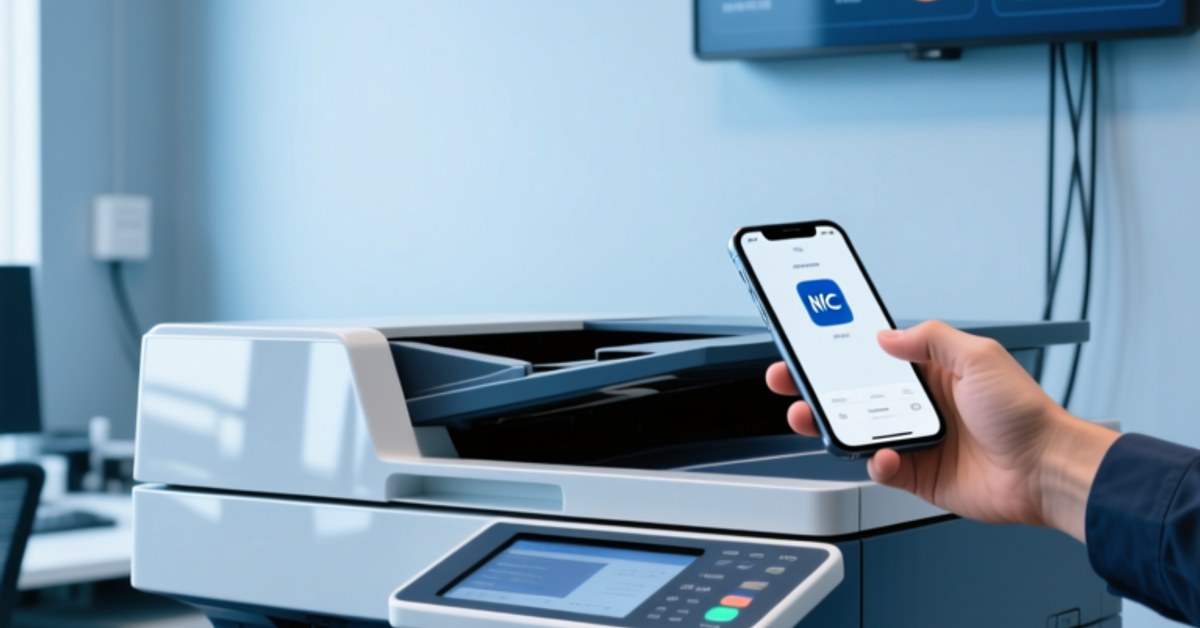
NFC fornisce il ponte fisico-digitale ideale per l'implementazione DPP: La funzionalità di accesso tramite tocco garantisce un accesso istantaneo, sicuro, recupero offline dei dati DPP senza richiedere app proprietarie o connettività Internet. Incorporato Tag NFC oppure gli inserti NFC su prodotti o imballaggi fungono da gateway affidabili per i contenuti DPP autenticati ospitati su piattaforme cloud sicure. RfidhyI moduli NFC e i lettori NFC di si integrano perfettamente nei sistemi ERP e PLM esistenti per la sincronizzazione DPP in tempo reale.
Settori più colpiti dai requisiti DPP
>
| Industria | Requisiti chiave relativi ai dati DPP | Rfidhy/Abilitatori NFCWORK |
|---|---|---|
| Elettronica & Elettrodomestici | Composizione materiale, manuali di riparazione, cronologia del firmware | Adesivi NFC sullo chassis del dispositivo; Tag RFID UHF per la logistica dei prodotti sfusi |
| Moda & Tessili | Origine delle fibre, utilizzo chimico, impronta di carbonio, Istruzioni per la cura | Etichette per lavanderia NFC; Inserto NFC nelle etichette degli indumenti |
| Automobilistico & Attrezzature industriali | Provenienza dei componenti, registri di manutenzione, parametri di riciclabilità | Antimetallo Tag NFC; scanner RFID portatili per tecnici dell'assistenza |
Passaggi attuabili per prepararsi alla conformità al DPP
- Mappa il tuo portafoglio prodotti rispetto alle prossime scadenze dell’ambito del DPP dell’UE (PER ESEMPIO., batterie: 2027; tessuti: 2028).
- Valutare la disponibilità dei dati: Identificare i sistemi interni che mantengono una sostenibilità rilevante, manutenzione, e dati materiali.
- Seleziona una piattaforma di hosting DPP sicura con ISO/IEC 27001 certificazione e API interoperabili.
- Integra l'hardware NFC: Distribuire Adesivi NFC o biglietti da visita NFC per casi d'uso pilota; bilancia con lettori RFID portatili per la verifica sul campo.
- Convalidare con le parti interessate: Testare l’accessibilità del DPP tra i fornitori, partner di servizio, e gli utenti finali che utilizzano la tecnologia NFC smartphone.
FAQ
- Cos'è il DPP, esattamente? Un DPP è un file digitale verificabile collegato a un prodotto fisico, contenente dati standardizzati sul ciclo di vita richiesti dalla legislazione UE sulla sostenibilità.
- Il DPP è applicabile solo nell'UE? Attualmente incaricato dall'UE, ma quadri simili stanno emergendo in Canada, Giappone, e California, rendendo essenziale la scalabilità globale.
- È possibile aggiornare i prodotti legacy con funzionalità DPP? Sì, utilizzando adesivi NFC durevoli o inserti NFC, anche le apparecchiature più vecchie possono ottenere l'accesso DPP tramite la scansione NFC.
- Ho bisogno di nuovo hardware per supportare DPP? Non necessariamente: più moderno smartphone leggere NFC in modo nativo. Per ambienti industriali, i lettori RFID portatili o i lettori RFID desktop migliorano l'affidabilità e l'elaborazione batch.