Implementing RFID technology may seem complex, but it doesn’t have to be. With a structured, phased approach, integrating RFID technology into your PPE product line can be a rewarding project. This guide breaks down the entire process into simple, actionable steps, ensuring your RFID implementation succeeds from the start.
Step 1: Assessment & Planning – Define Your Goals
Every successful project begins with a clear roadmap. First, define your primary objectives: Is it reducing counterfeit products, automating inventory, or achieving compliance with the EU Personal Protective Equipment Directive (PPE)? Thoroughly assess your current processes to identify pain points. This planning phase will define the scope of the implementation and create a detailed RFID assessment for PPE, laying the foundation for a comprehensive PPE RFID roadmap.
Step 2: Tag Selection & Encoding – Choose and Initialize the Right Tags
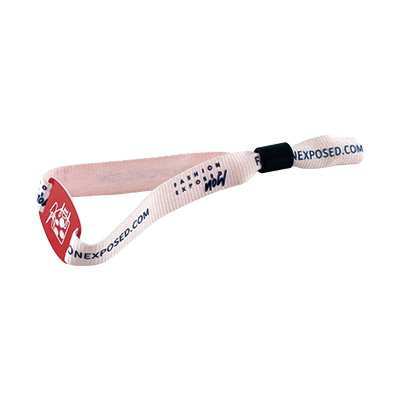
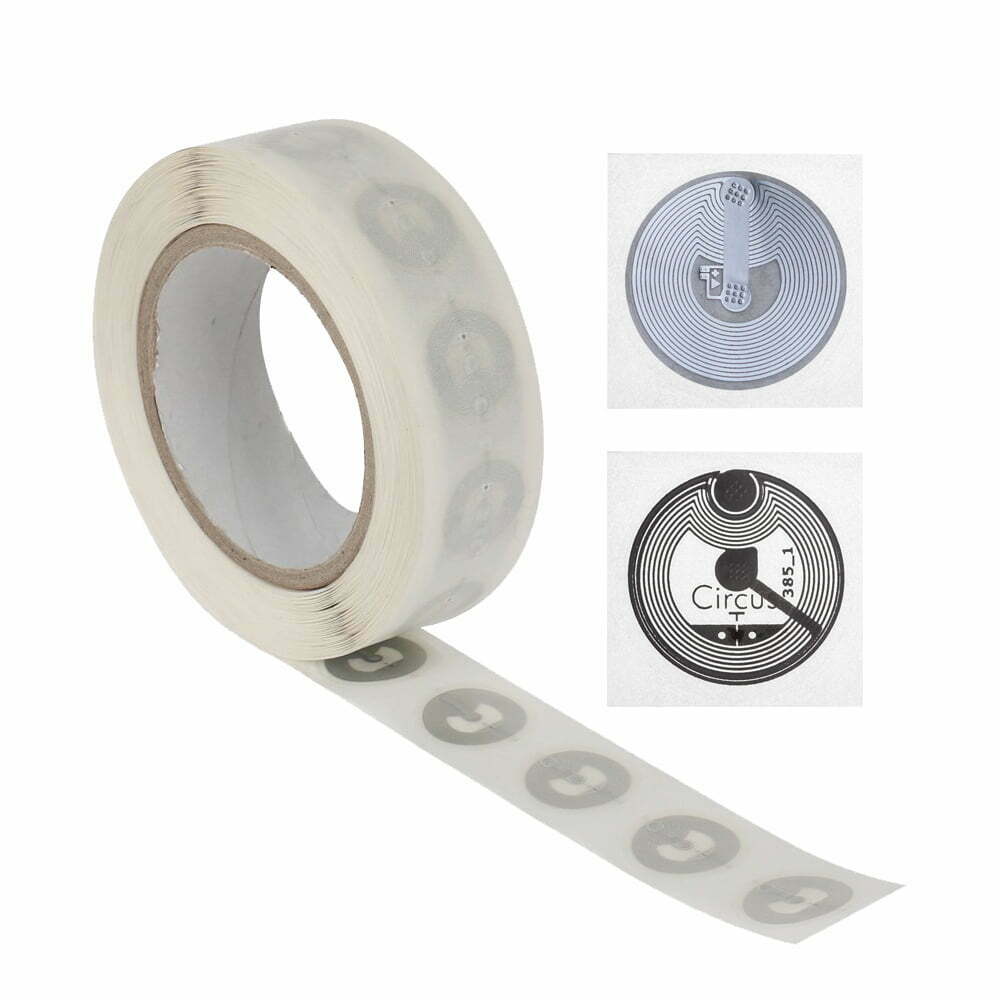
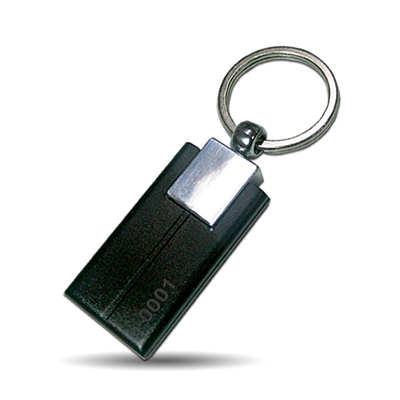
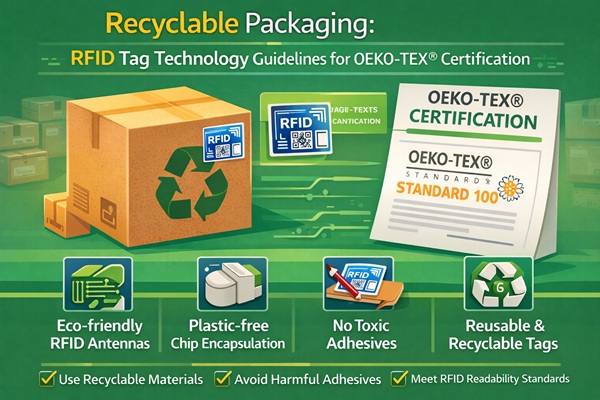
The physical tags are the heart of the system. Based on the assessment in Step 1, select the right tags for your PPE products—for example, robust RFID tags for helmets and flexible RFID tags for clothing. Partner with a vendor that offers customized UHF RFID tag encoding services to ensure each tag is pre-encoded with unique identification data during production. This step ensures reliable initialization of RFID tags for PPE assets from the source.
Step 3: Hardware Installation – Strategically Deploy Readers
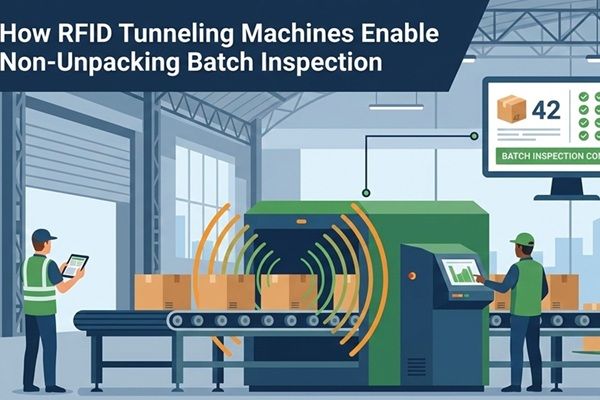
After selecting the tags, the next step is deploying the “digital checkpoints” that will read them. Install fixed RFID readers at key locations such as production line exits, warehouse doors, and distribution points. For mobile needs, equip staff with handheld RFID scanners. Professional RFID installation services ensure optimal device placement and performance for seamless data capture.
Step 4: Software Integration – Connect the Data to Your Systems
The data captured by the readers needs to be processed. This is where middleware and software come in. Deploy robust RFID middleware for PPE system integration that can filter and manage raw reader data. This software layer should seamlessly integrate with your existing ERP or inventory management system, providing a unified data view through a cloud-based RFID management platform.
Step 5: Pilot Deployment and Training – Test and Enhance Team Capabilities
Before full-scale deployment, validate the entire system through a pilot project. Select a specific product line or a single warehouse for an RFID pilot deployment for personal protective equipment (PPE). This helps identify and resolve issues, optimize processes, and demonstrate the value of the RFID system. Simultaneously, provide comprehensive RFID training to employees to ensure they are proficient with this new technology.
Step 6: Full Deployment and Optimization – Expand the Application and Continuously Improve
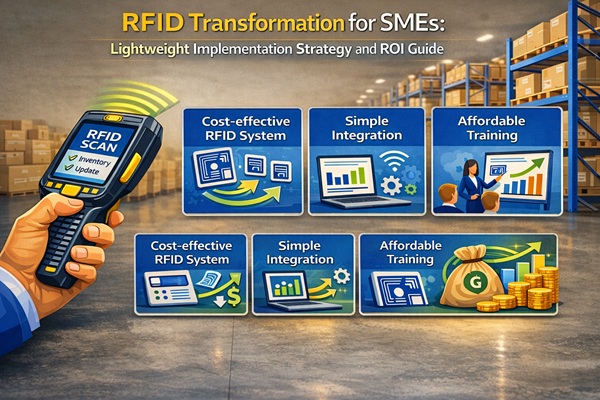
After a successful pilot, proceed with company-wide deployment. Roll out the RFID system globally in phases to minimize business disruption. Continuously monitor system performance after implementation. Use data analytics tools to identify potential efficiency improvements and continuously optimize the RFID system to maximize your return on investment.
Ready to embark on your RFID journey? Our experts will guide you every step of the way, ensuring a smooth and efficient RFID implementation for your personal protective equipment product line. Contact us today to schedule a free consultation.
For more information,please contact us.