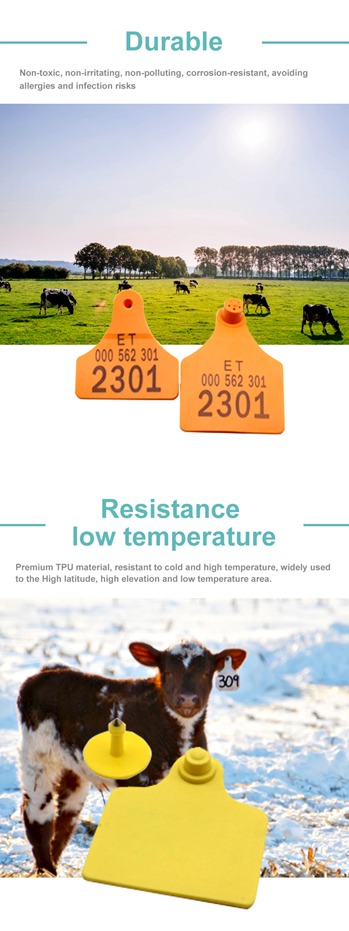
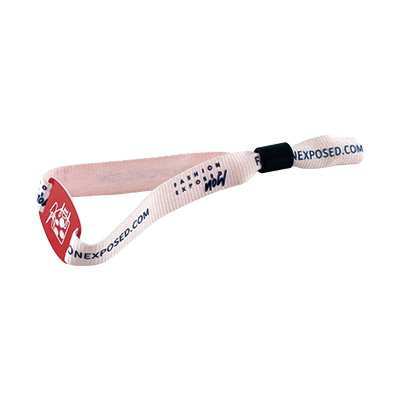
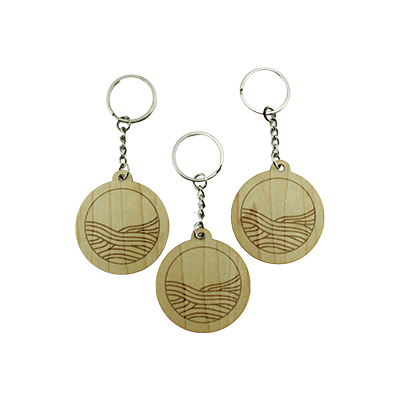
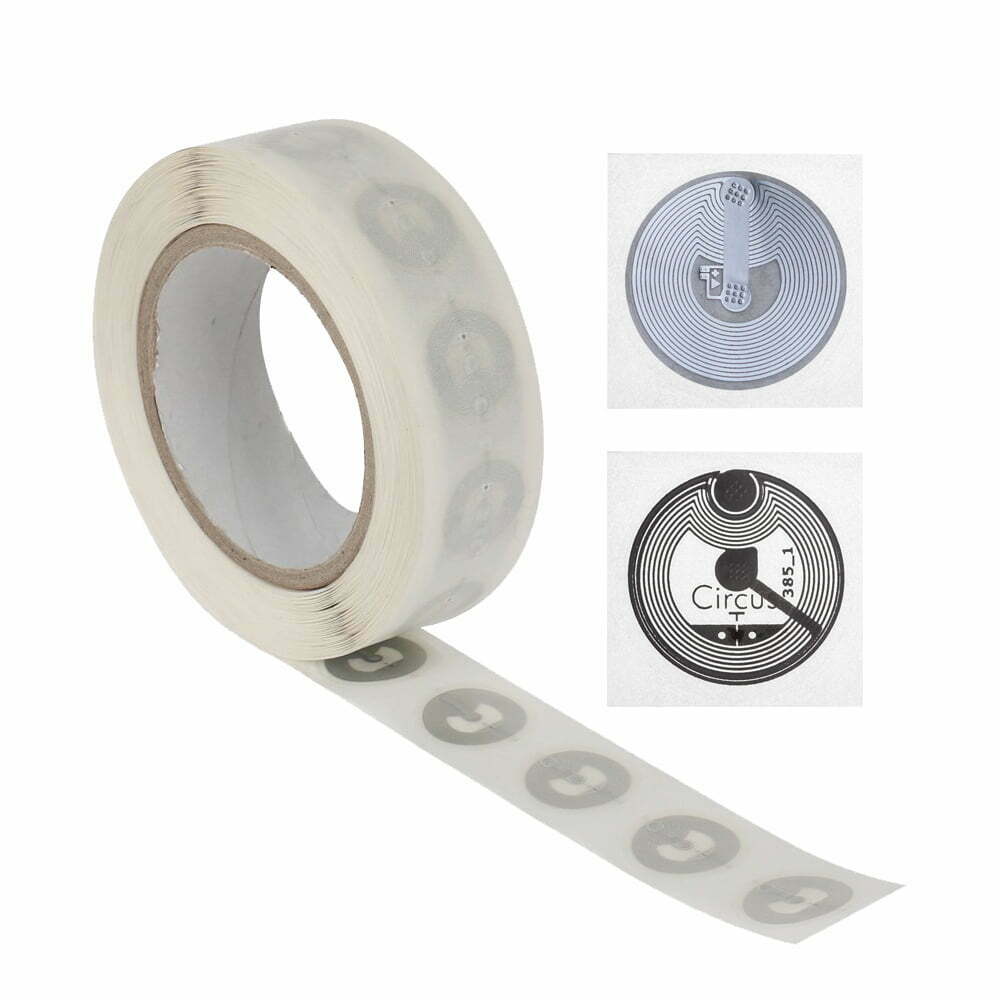
Znakowanie RFID jest stosowane w wielu branżach i scenariuszach pracy. Technologia ta jest szeroko stosowana w odzieży, żywność, logistyka, lekkoatletyka, bydło i hodowla zwierząt, branży medycznej i wielu innych. Rolnicy po raz pierwszy zaczęli używać elektronicznych znaczników dla krów 1970. Od tego czasu znaczniki elektroniczne są szeroko stosowane i obecnie ewoluowały Tagi RFID które są bardzo wygodne i ekonomiczne w przypadku znakowania zwierząt. Pierwsza zawieszka RFID dla zwierząt miała postać obroży na szyję. Później, zaczęto używać kolczyków na uszach i opasek na nogi. Następnie następują znaczniki wszczepialne i typu bolus. Technologie bolusa do żwacza i kolczyków do uszu to nowe zastosowania kolczyków zwierzęcych.Co to jest kolczyk do ucha?Kolczyk do uszu to plastikowy lub metalowy przedmiot, na którym znajduje się numer identyfikacyjny, umieszczany w uszach zwierzęcia. Nowy elektroniczny identyfikator identyfikacyjny (EID) wykorzystuje urządzenie do identyfikacji radiowej (RFID) technologię zapewniającą bardziej efektywną gospodarkę hodowlaną. Te znaczniki elektroniczne korzystają z numeru EID lub numeru zarządzającego znajdującego się na przycisku umieszczonym z tyłu ucha zwierzęcia. Informacje zawarte na zawieszce są odczytywane i zapisywane za pomocą fal radiowych.Jakie są scenariusze użycia znacznika RFID dla zwierząt?
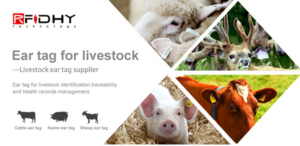
Tagi RFID są zwykle używane do śledzenia populacji zwierząt i monitorowania baz danych o zwierzętach. Systemy RFID służą również do monitorowania czynności zwierząt, takich jak jedzenie i picie. Przyjrzyjmy się ich zastosowaniomHodowcy bydła: Rolnicy i hodowcy zwierząt gospodarskich mają trudności ze zlokalizowaniem i monitorowaniem działalności swoich zwierząt gospodarskich, ponieważ proces ten jest czasochłonny i kosztowny. Dlatego, umieszczają znaczniki na swoich zwierzętach, aby pomóc im łatwo identyfikować i monitorować stada. Tagi śledzą także wydajność bydła i monitorują jego zdrowie. Zapisy te zapewniają prawidłowe żywienie, szczepienia i przemieszczanie zwierząt w gospodarstwie. I, pomagają także rolnikom w podejmowaniu terminowych i właściwych decyzji o sprzedaży bydła, gdy nie jest ono już potrzebne w gospodarstwie.
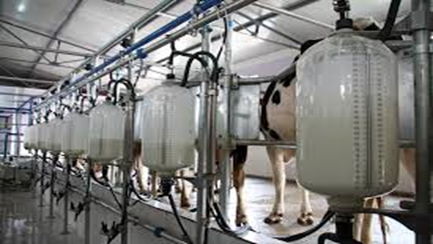
Zarządzanie bydłem mlecznym: Rolnicy powinni wiedzieć, ile mleka produkuje każda krowa. Ważne jest również, aby monitorowały swoje pożywienie i zdrowie, aby uzyskać maksymalną wydajność w postaci mleka. Tagi RFID pomagają im w śledzeniu pełnego cyklu doju krowy. Kiedy krowa wchodzi na korytarz dojarni, ekran komputera w oborze wyświetla UID krowy, ostatni uzysk mleka, liczba komórek somatycznych, oraz wszelkie choroby wraz z informacjami dotyczącymi leczenia. Hodowcy mleka mogą to rejestrować i podejmować szybkie i skuteczne działania.Hodowcy: Produktywność i rentowność samicy są zmniejszone, jeśli w każdym sezonie lęgowym nie zachodzi w ciążę i nie rozmnaża się wcześniej. Zapłodnienie w każdym sezonie lęgowym zależy od wykrycia rui, efektywne serwowanie i płodność. Niemożność wykrycia okresu rujowego, a nieudane doręczenie skutkuje brakiem poczęcia lub opóźnieniem poczęcia. Dlatego, Tagi RFID służą do dokładnego wykrywania okresu rujowego i monitorowania cyklu hodowlanego.
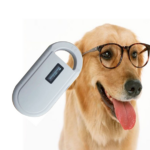
Weterynaryjny: Weterynarze proszą wszystkich właścicieli zwierząt gospodarskich i zwierząt domowych o używanie znaczników RFID, aby mogli łatwo zidentyfikować chore zwierzę lub zagubione zwierzę. Weterynarze mogą z łatwością zeskanować zagubionego zwierzaka, aby zidentyfikować jego właścicieli.Właściciele zwierząt: Właściciele zwierząt domowych używają chipów RFID dla swoich ukochanych zwierząt. Strata ukochanego zwierzaka jest bolesna dla każdego właściciela zwierzęcia. Zagubienie i odnalezienie zwierząt domowych to bardzo częsty scenariusz, a właścicielom bardzo trudno jest zidentyfikować i zabezpieczyć swoje zwierzęta. Z chipem RFID, Lokalizatorzy zwierząt domowych mogą łatwo zeskanować zwierzaka, zidentyfikować jego właściciela i ponownie go połączyć.
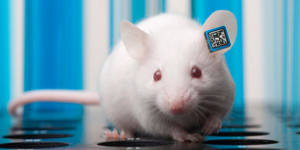
Laboratorium: Tagi RFID służą do śledzenia zwierząt laboratoryjnych w czasie rzeczywistym. Naukowcy muszą dokładnie zbadać różne parametry, takie jak wiek, seks, zachowanie, choroby zwierząt poddawanych badaniu. Każdy błąd może dać błędne wyniki. Ręczne czytanie, testowanie i rejestrowanie wszystkiego zwiększa ryzyko wystąpienia błędów ludzkich. Mikrochipy i czytniki RFID zapewniają niezawodność, wygodna i trwała metoda pozytywnej identyfikacji zwierząt laboratoryjnych.Żywność i bezpieczeństwo: Identyfikacja produktu i kontrola chorób są bardzo ważnymi aspektami zarządzania bezpieczeństwem żywności. Tagi RFID służą do łatwego i skutecznego śledzenia zwierzęcia od gospodarstwa do supermarketu. Łańcuch pokarmowy dla zwierząt jest długi i wymaga siły roboczej na każdym etapie od gospodarstwa, przez rzeźnię, aż do rynku. Również, obsługuje wiele lokalizacji geograficznych. Ręczne gromadzenie danych i zarządzanie nimi jest niezwykle trudne w tak długim procesie łańcucha dostaw. Tagi RFID pomagają w usprawnieniu procesu. Jest to najbardziej ekonomiczny i wygodny sposób rejestrowania i udostępniania danych w całym łańcuchu.RFIDHY kolczyki są dostępne w różnych częstotliwościach od 134,2 kHz, 125KHz do tak niskiego jak 860 MHz i 960 MHz. Te wodoodporne i odporne na wstrząsy znaczniki RFID zostały zaprojektowane w taki sposób, aby umożliwić skuteczne i bezproblemowe wdrożenie technologii. Z 100% gwarancja wydajności, RFIDHYkolczyki wytrzymują przez całe życie zwierzęcia. Części elektryczne RFIDHY Kolczyki są pokryte materiałem TPU, który jest wygodny i mocny również w trudnych warunkach. RFIDY daje Ci tę zaletę, że wybierasz numery identyfikacyjne zgodnie z wymaganiami. Możesz także wybrać swój kolor i treść, jaką chcesz wydrukować na przywieszkach. Te znaczniki z certyfikatem ISO-11784/11785 są objęte trzyletnią gwarancją. Te znaczniki są zalecane do zarządzania zwierzętami, Śledzenie zwierząt gospodarskich, Identyfikacja zwierząt domowych i laboratoriów, Hodowla zwierząt, Zakład, i Zarządzanie Bezpieczeństwem Żywności.