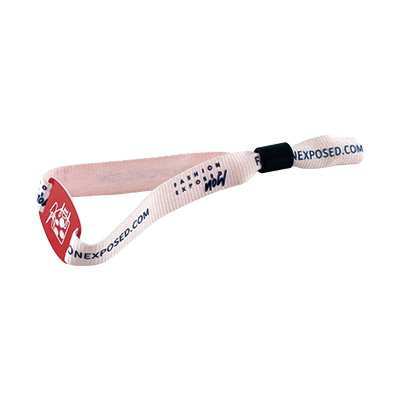
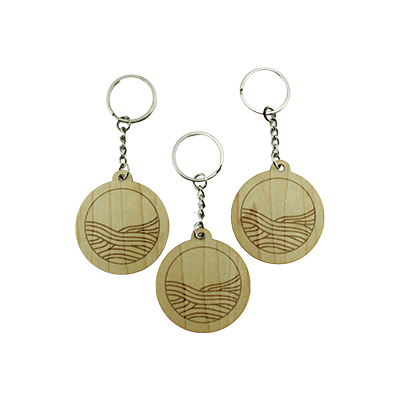
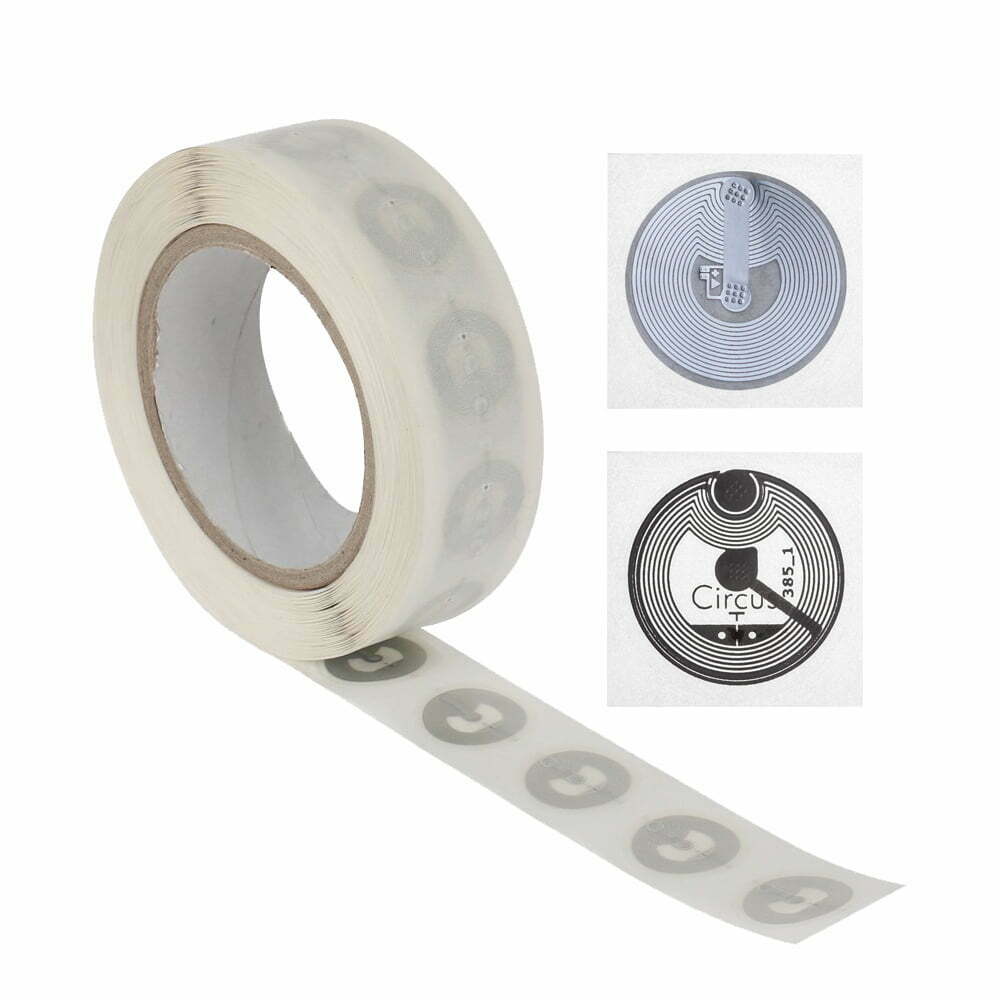
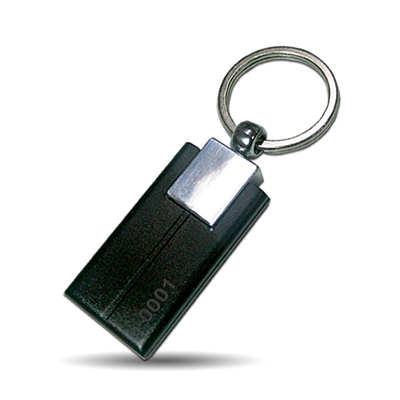
RFID 기술은 전파를 사용하여 자동으로 물체를 식별합니다., 그들에 관한 데이터를 수집하다, 사람의 개입이 거의 또는 전혀 없이 해당 데이터를 컴퓨터 시스템에 직접 입력합니다.. 일반적인 RFID 기계에는 세 가지 구성 요소가 있습니다.: RFID 태그, RFID 리더 그리고 안테나. RFID 카드 독자가 포착하여 컴퓨터에 저장되는 데이터로 변환되는 고유 번호 및 기타 세부 정보가 포함되어 있습니다..
RFID 태그 세 가지 주파수가 온다- 낮은, 높음 및 매우 높음. 기업은 태그 적용에 따라 빈도 유형을 결정합니다.. 이러한 고주파 및 초고주파 태그가 사용되는 시나리오를 설명하기 전에, 먼저 산업용 태그에 사용되는 '주파수'의 기본을 이해해 보겠습니다..
주파수란 무엇인가?
빈도는 단위 시간당 반복되는 사건의 발생 횟수입니다.. 헤르츠 단위로 측정됩니다. (HZ) 이는 초당 반복되는 이벤트의 한 주기와 같습니다.. 주파수는 기계적 진동의 비율을 지정하기 위해 과학 및 기술에서 사용되는 중요한 측정입니다., 오디오 신호 (소리), 전파, 그리고 빛. 1초 안에 한 주기를 완료하는 파동은 1헤르츠로 계산됩니다.. 그래서, 빈도가 다음과 같은 태그 14.56 MHz는 순환하는 파동을 방출합니다. 14,560,000 초당 횟수.
낮음이란 무엇입니까?, 고주파 및 초고주파 (UHF)
RFID 시스템 많은 주파수를 사용하지만 가장 일반적으로 높은 주파수를 사용합니다.- (13.56 MHZ) 그리고 초고주파, 또는 UHF (902-928 MHZ). RFID 태그와 리더는 동일한 주파수를 가져야 제대로 작동합니다.. 근접한 물체를 스캔하는 데 저주파가 사용됩니다., UHF는 더 넓은 범위의 물체를 스캔하고 다른 것보다 더 빠르게 데이터를 전송할 수 있습니다..
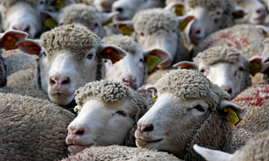
저주파 태그: 저주파 태그는 30KHz ~ 300KHZ 범위에서 작동합니다.. 이 태그는 수동적이며 작동하기 위해 추가 배터리가 필요하지 않습니다.. 이 태그는 액체와 같이 수분 함량이 높은 금속 및 물체에 가장 잘 작동합니다., 과일과 가축은 이러한 물질을 통과하는 데 더 긴 파장이 있기 때문입니다.. LF RFID 태그는 자산 추적에 사용됩니다., 세탁물 관리, 가축 추적, 건강 관리.
고주파 태그: 저주파 또는 초고주파 태그와 비교, 고주파 태그는 판독 거리가 짧고 간섭 방지 기능이 약합니다., 따라서 동물 태그를 읽는 데 적합하지 않습니다.. 하지만 암호화가 잘 되어 있어요, 읽기 및 쓰기가 가능합니다.. 또한 LF 태그보다 저장 용량이 더 좋습니다.. 고주파 태그는 다음에서 작동합니다. 13.56 MHz이며 많은 응용 분야가 있습니다.. 이 태그는 밀리미터에서 미터에 이르는 물체에 사용할 수 있습니다., 다양한 수납력, 그리고 물에 노출된 물체에. 기업은 다양한 태그 크기와 메모리 조합 중에서 해당 애플리케이션에 맞게 선택할 수 있습니다.. 고주파의 또 다른 범주는 '근거리 무선 통신'입니다.(NFC), 스마트폰을 이용하여 태그와 통신할 수 있는 서비스.
HF 및 NFC 태그 상대적으로 저렴하며 크기에 따라 가격이 다릅니다.. 일반적으로 라벨로 디자인됩니다., 카드, 또는 플라스틱으로 둘러싸인 태그.
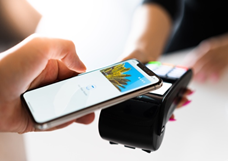
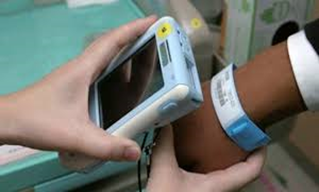
고주파수 태그는 여권 발권과 같은 시나리오에 사용됩니다., 지불, 도서관, 병원 및 기타 데이터 전송 애플리케이션.
특히 NFC는 마케팅 및 광고에 널리 사용됩니다., 액세스 제어 및 데이터 전송 애플리케이션.
초고주파 태그: UHF는 일반적으로 미터에서 피트까지 더 긴 거리를 측정합니다. 860 그리고 960 MHZ. UHF 태그 멀리서 빠르게 스캔해야 하는 물체에 사용됩니다.. 이 태깅 시스템은 빠른 속도로 인해 인기를 얻었습니다., 정확성과 빠른 데이터 전송. UHF 태그 훨씬 저렴해요, 주로 소매 재고 추적에 사용됩니다., 의약품 위조 방지, 대량 태그가 지정되는 가축 관리 및 기타 시나리오.
UHF 태그에는 두 가지 유형이 있습니다.:
패시브 UHF RFID: 이 태그에는 배터리 형태의 추가 전원 공급 장치가 없습니다.. 리더가 전달하는 전력으로 작동합니다.. 따라서, 이 태그는 다음 범위 내에서 작동합니다. 30 미터. 이 태그는 액체와 금속에 민감하므로, 그들은 세탁 관리에 널리 사용됩니다.. 그 외에도 수동 RFID는 도구 추적에 사용됩니다., 경주 타이밍, IT 자산 추적 및 기타 다양한 애플리케이션.
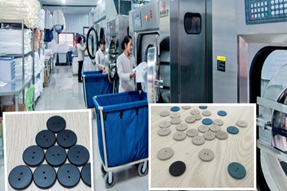
액티브 UHF RFID: 이 태그는 전원 공급 장치로 배터리를 사용합니다.. 패시브 리더에 비해 스캔 범위가 더 깁니다.. 이 태그는 다음에서 스캔할 수 있습니다. 100 몇 미터 떨어진 곳에. 능동형 태그는 추가 배터리로 인해 수동형 태그에 비해 가격이 비쌉니다.. 능동형 RFID 태그는 운송 및 물류 분야에서 널리 사용됩니다., 차량, 석유 및 가스 산업, 건설, 건강 관리, 생명 과학 등.
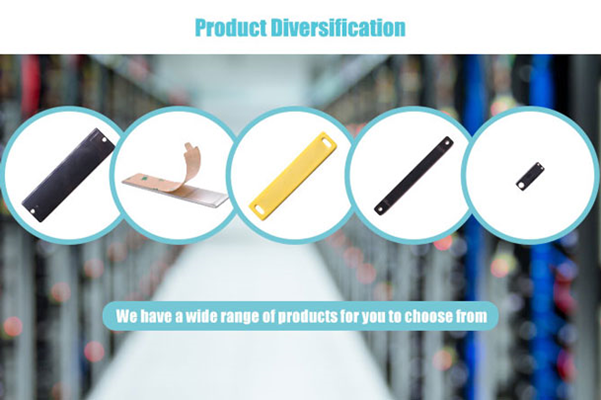
RFIDHY 동물 전반에 걸쳐 고객을 위한 다양한 RFID 솔루션을 제공합니다., 건강 관리, 의류, 빨래, 도서관, 자산 관리, 물류 산업 등.
우리는 저주파의 다양한 카드를 제공합니다, 고주파, 다양한 사용자 정의 옵션이 있는 초고주파 카테고리.
오버 20 산업용 RFID 솔루션 제공에 대한 다년간의 경험, 우리는 귀하의 응용 분야에 따라 고유한 맞춤형 태그를 디자인하고 비용을 절감할 수 있도록 도와드립니다.. 게다가, RFID 태그 시리즈 RFIDHY 데이터 캐리어를 포함한 다양한 구성 요소를 사용하여 최대의 애플리케이션 유연성을 제공합니다., 금속 및 플라스틱 프로세서 하우징.