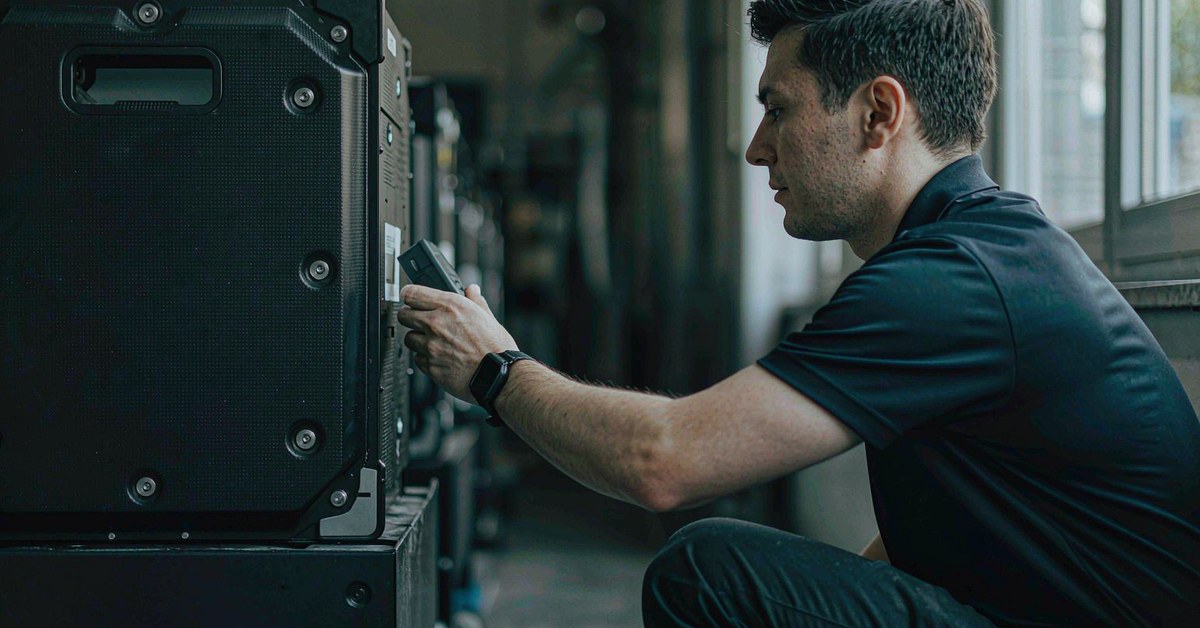
Vietnamese electronics OEMs supplying EU brand owners need to deliver structured product data that the brand can ingest into its Pasport Produk Digital: model identity, pengisytiharan bahan dan bahan, genealogi komponen, repairability and spare-part information, dan bimbingan akhir hayat. Tag NFC provide a stable identifier at device or module level that resolves to this record, allowing the brand owner to populate the DPP without re-keying supplier data. The key deliverable is a clean identifier plus a machine-readable data handover, not the tag alone.
Contract manufacturers in Vietnam often receive DPP requests as a spreadsheet template from a European customer. The difficulty is that the same component may be used across several customer programmes, each with a different field list.
A reusable internal identifier scheme solves this. The electronics DPP framework in peraturan DPP elektronik and the interactive-carrier comparison in interactive NFC DPP systems describe what the brand owner ultimately needs.
What EU Brand Owners Ask Vietnamese OEMs to Supply
Requests typically cover product and component identity, komposisi bahan, restricted substances, durability and repair data, spare-part references and dismantling instructions. Some programmes additionally require batch-level genealogy for recall scope.
Data Handover Format Matters More Than Volume
Agree a schema, an identifier format and a delivery mechanism with each customer. A consistent internal data model lets the OEM map to multiple customer templates without maintaining separate databases. The lifecycle approach in senario DPP elektronik shows how this record evolves.
- Model, revision and manufacturing site identifiers.
- Komposisi bahan dan pengisytiharan bahan.
- Kebolehbaikan, maklumat alat ganti dan perkhidmatan.
- Batch or lot genealogy for recall scoping.
- End-of-life and dismantling guidance.
Device-Level vs Component-Level Identifiers
A device-level tag serves consumers and compliance; module-level tags support repair and recalls. Most programmes use a parent-child model so a single device identifier resolves to a list of tagged modules.
| Tahap | What it supports | Trade-off |
|---|---|---|
| Device only | Consumer DPP access, jaminan, compliance record | No component-level recall precision |
| Module / assembly | baiki, spare-part compatibility, recall scope | More tags and encoding steps |
| Kumpulan / lot only | Lowest tag cost, coarse traceability | Weak unit-level authentication |
| Parent-child hybrid | Compliance plus repair and recall | Requires a maintained hierarchy |
Encoding and Production Integration
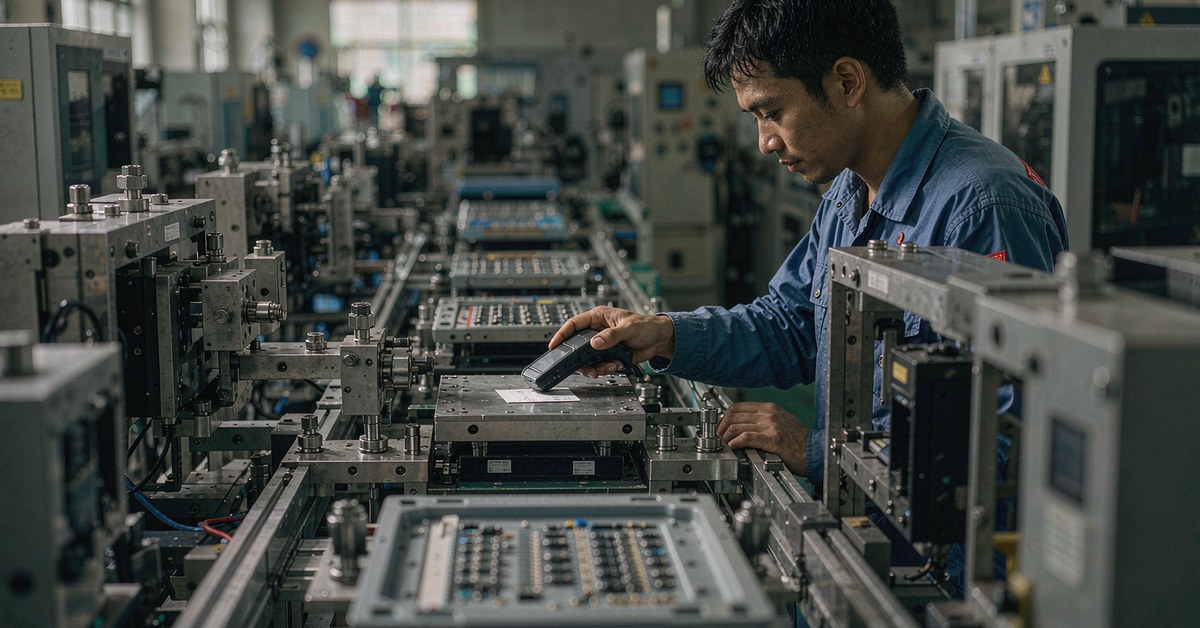
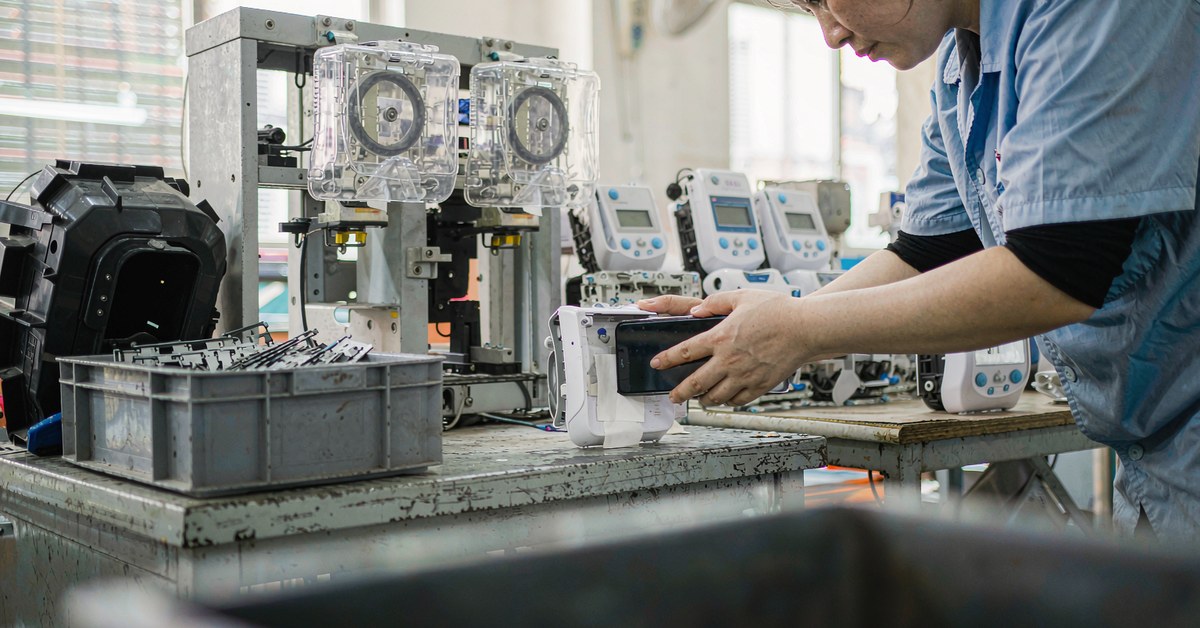
Encoding must fit the existing line. Add a tap-and-verify step at final test or packing, and keep the tag content minimal so a failure does not require rewriting the whole record.
Validating on Real Housings
Test reads through plastic housings, metal shielding, batteries and display assemblies. On-metal or ferrite-backed tags are needed where a module has a metal can or shield. The scenarios in senario DPP elektronik cover electronics DPP deployment in practice.
- Place encoding at final test or packing, not mid-assembly.
- Validate read range on the fully assembled device.
- Pastikan tag sebagai kunci yang stabil; store the record in a backend.
- Maintain a mapping between internal and customer identifiers.
- Test the identifier with the brand’s resolver before volume.
Turning DPP Readiness Into a Supplier Advantage
Brand owners increasingly shortlist suppliers on data readiness. An OEM that can deliver a clean, reusable DPP data package reduces onboarding time and audit effort for every new programme.
Avoid Per-Customer Data Silos
Building a separate dataset for each customer multiplies maintenance effort and creates conflicting records. A single internal product-data model mapped at export is more robust.
DPP readiness is best treated as part of manufacturing data infrastructure rather than a documentation task assigned at shipment.
Soalan Lazim
Do Vietnamese OEMs have to create the DPP themselves?
Usually the EU brand owner or importer publishes the DPP, but the OEM supplies much of the underlying product data. Agree who owns the record with each customer.
Should the identifier be on the device or on components?
Pengecam peringkat peranti memberi perkhidmatan kepada pengguna dan pematuhan; module-level identifiers support repair and recall precision. A parent-child hierarchy is common.
Is NFC required for electronics DPP?
Tidak, the regulation specifies a data carrier rather than a technology. NFC is chosen for tap access, durability and authentication; QR is a common fallback.
What is the most common data handover failure?
Inconsistent identifier formats and missing links between input batches and finished devices. Agree the schema before production, not at shipment.
Can one internal dataset serve multiple EU customers?
Ya. Maintain one internal product-data model and map it to each customer’s template at export, rather than building separate datasets.
Make Your Line DPP-Ready for EU Customers
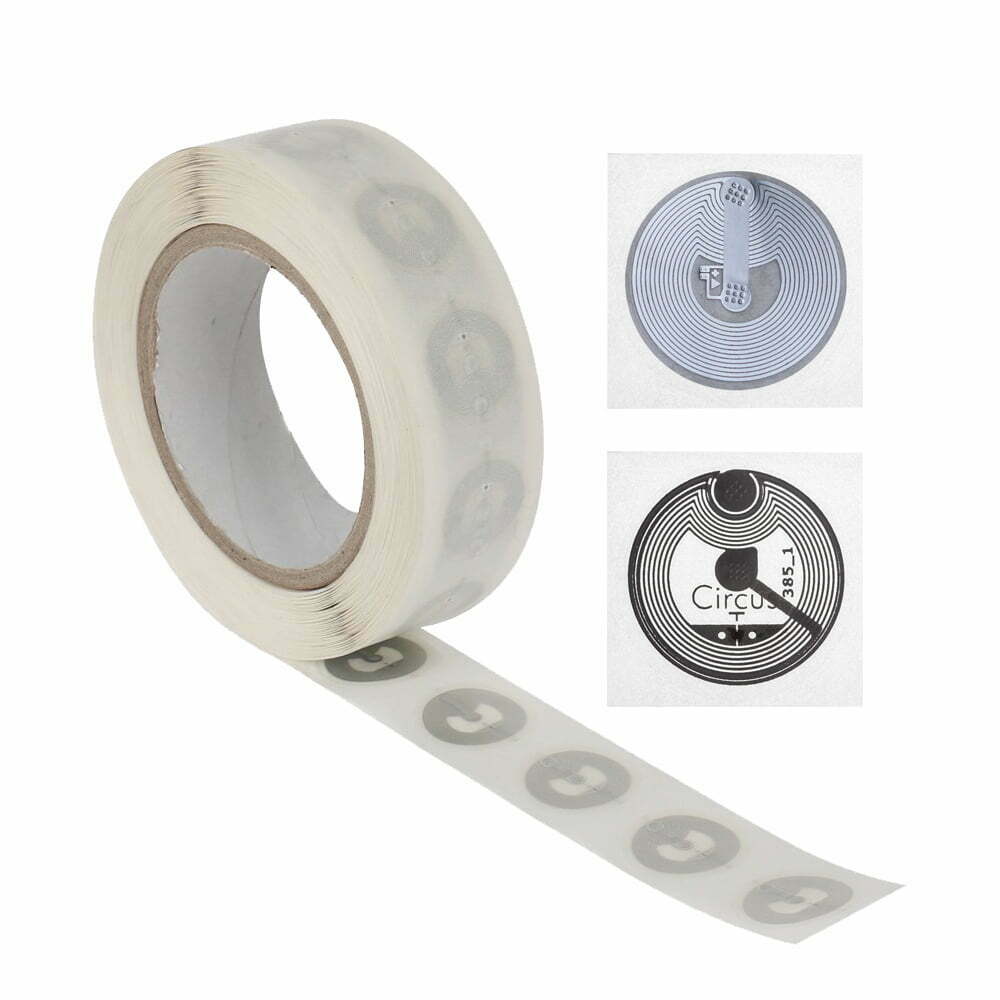
Bekalan Teknologi NFCWORK Tag NFC, label NFC pada logam, HF RFID inlays and encoders for electronics manufacturing. We can help you define an identifier scheme and validate reads on your assembled devices.
Hubungi kami untuk membincangkan keperluan anda, atau meneroka kami produk NFC dan penyelesaian.