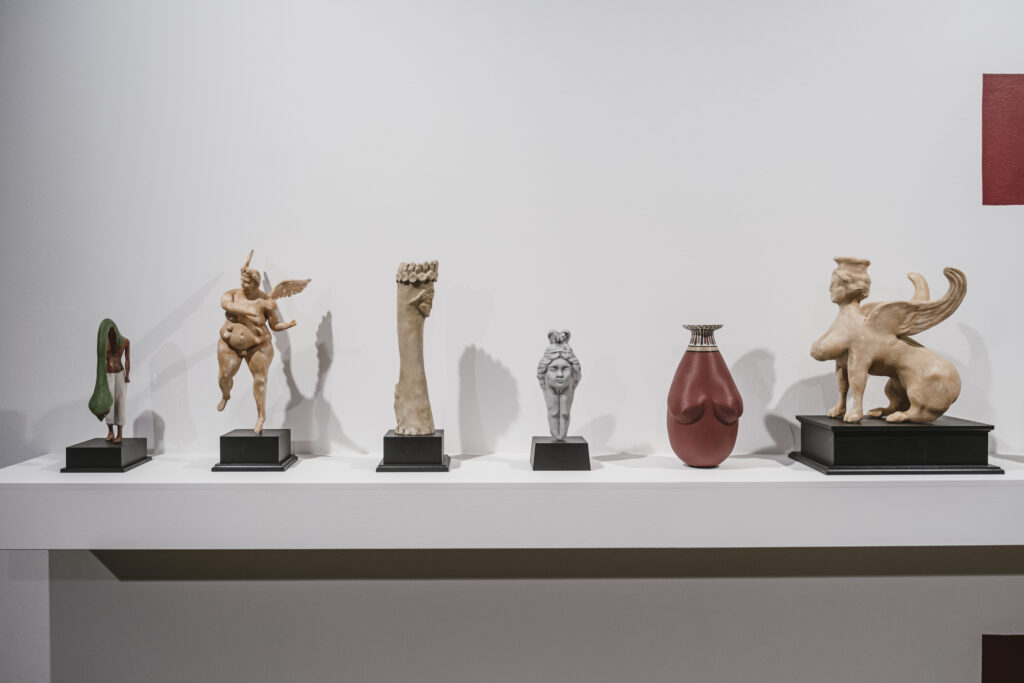
Een bepaald kunstmuseum bezit er meer dan 30,000 stukken moderne en hedendaagse kunst, voorheen beheerd met behulp van papieren grootboeken en barcodes. Een uitgebreide inventarisatie vereiste een sluiting van twee weken, het mobiliseren van al het museumpersoneel, en het bereiken van een nauwkeurigheid van slechts ongeveer 85%. De registratie van wijzigingen in de verzamellocatie liep vertraging op, Het duurt vaak meerdere dagen om specifieke werken te lokaliseren. Serieuzer, tijdens bruikleententoonstellingen, Er bestonden blinde vlekken bij het monitoren van de circulatie van kunstwerken, waardoor een enorme veiligheids- en verzekeringsdruk ontstaat. Om deze uitdagingen aan te pakken, in 2023, waar dit kunstmuseum officieel mee samenwerkt RFIDHY om een uitgebreid digitaliserings- en RFID-project voor de upgrade van slimme magazijnen te lanceren.
De uitvoering van het project was verdeeld in drie fasen:
De eerste fase was “Digitale identiteitstoewijzing”
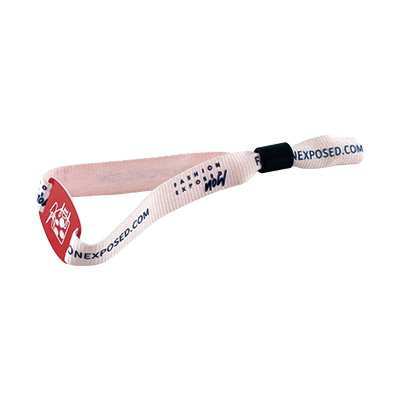
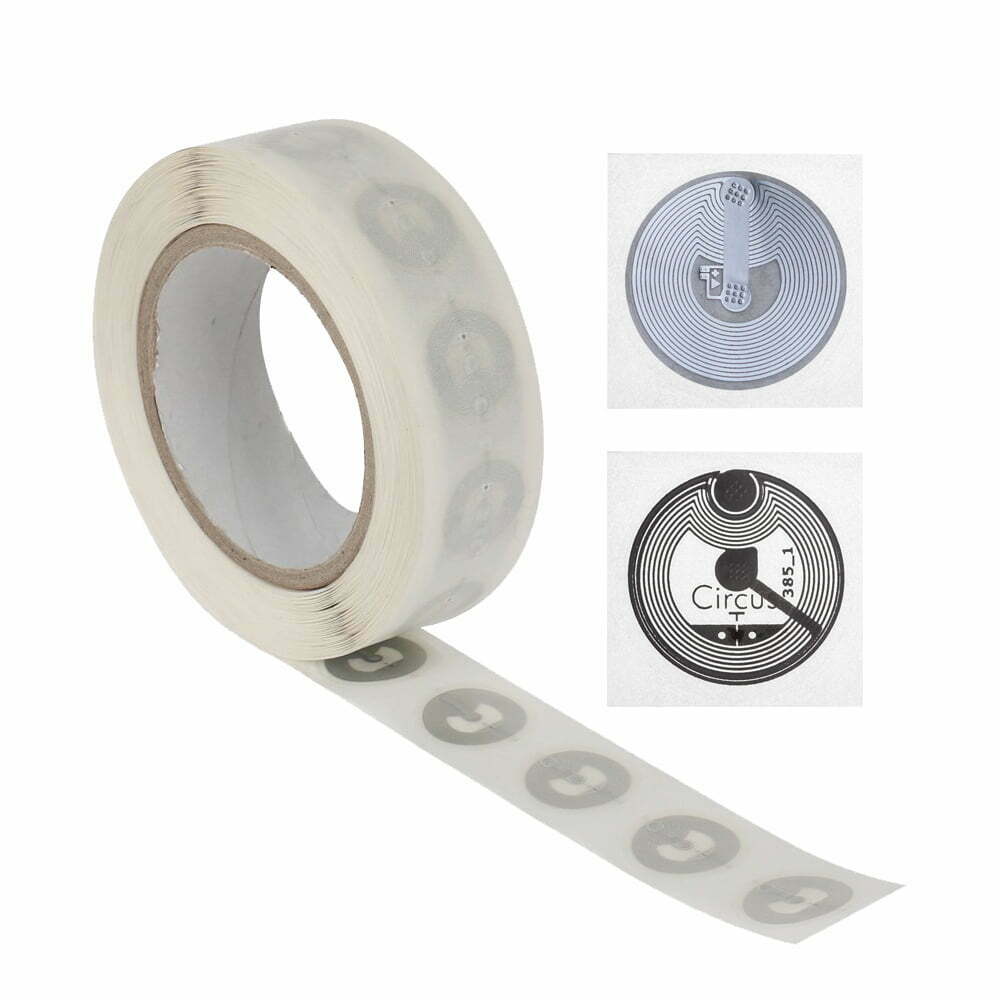
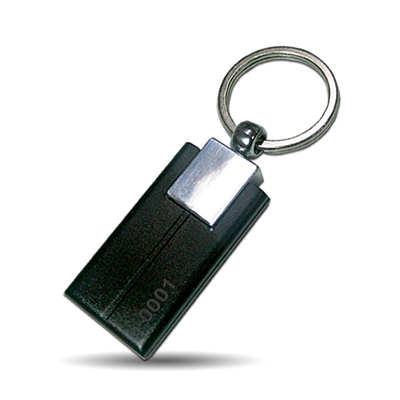
RFIDHYHet team van experts heeft de collectie gecategoriseerd en beoordeeld, onzichtbaar ingebed aanpassen RFID-tags (voor ingelijste olieverfschilderijen) en draagbare RFID-artefacttags (voor sculpturen) voor verschillende soorten werken. Tegelijkertijd, High-definition beeldopname en gestructureerde gegevensinvoer van basisinformatie voor alle werkzaamheden werden voltooid, het opzetten van een compleet digitaal archief op de “Volgen” platform.
De tweede fase was “Implementatie van slimme omgevingen”
In de nieuwe opslagruimte, alle intelligente mobiele stellingen geïntegreerde RFID-antenne-arrays van het planktype, waardoor real-time visualisatie van de locatie van de collectie mogelijk is. Bij de opslagingangen zijn hooggevoelige RFID-toegangsdeuren geïnstalleerd, automatisch alle in- en uitstapactiviteiten registreren.
De derde fase was “Procesherengineering”
Er werden draagbare RFID-inventarisapparaten van industriële kwaliteit aan het personeel verstrekt, en de gehele workflow vanaf het ontvangen, inventariseren, op basis van het nieuwe systeem is het ophalen naar de tentoonstelling geoptimaliseerd.
Projectresultaten
Eerst, De voorraadefficiëntie maakte een kwalitatieve sprong voorwaarts: de gehele inventarisperiode werd verkort van 15 Dagen tot 2 dagen, en de nauwkeurigheidsgraad nam toe tot meer dan 99.8%.
Ten tweede, het systeem maakt dit mogelijk “zoeken met één klik” voor artefactlocatie. Door de naam in het systeem in te voeren, wordt direct de locatie op de verrijdbare stelling weergegeven, inclusief het planknummer, het verminderen van de zoektijd van gemiddeld enkele uren naar minuten.
Ten derde, het realiseert een gesloten traceerbaarheidsbeheer van culturele relikwieën gedurende het hele proces. Vanaf de eerste release, vervoer, tentoonstelling, naar zijn terugkeer, het bewegingstraject en de tijdstempels van elk kunstwerk worden automatisch vastgelegd, het vormen van een onweerlegbare auditketen. Dit vermindert menselijke fouten en risico's aanzienlijk, wat resulteert in lagere verzekeringspremies. Dit project is een benchmark geworden voor de intelligente constructie van kunstmusea in China.
Toekomst
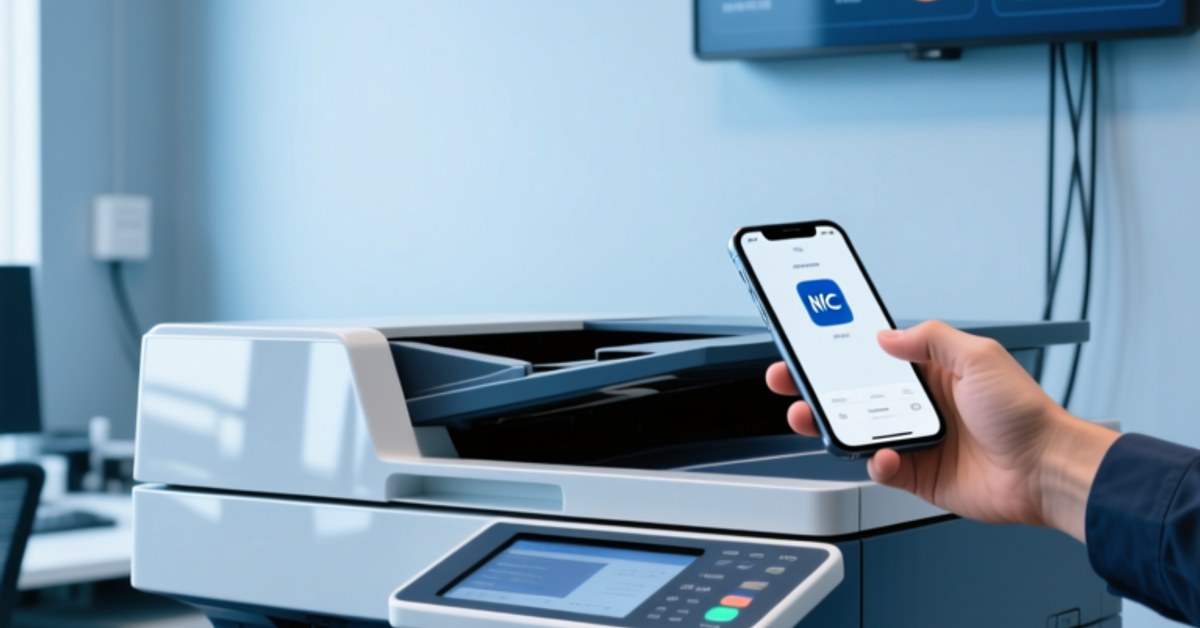
Op basis van dit systeem wil het museum interactieve rondleidingen ontwikkelen. In de toekomst, bezoekers kunnen hun mobiele telefoon gebruiken’ NFC-functie om kunstwerken op geautoriseerde locaties te benaderen voor toegang tot rijkere multimedia-uitleg, scheppingsverhalen, en zelfs eerdere tentoonstellingsrecords, het upgraden van statische displays naar een diepgaande interactieve ervaring. Dit is precies de uitgebreide waarde van een op RFID gebaseerd slim interactief museumsysteem.
Voor meer informatie,Alsjeblieft neem contact met ons op.