Im Bau, Industrielle Wartung, und Großoperationen, Persönliche Schutzausrüstung (PSA), wie Schutzhelme, Atemschutzmasken, Sicherheitsgurte, Handschuhe, und Schutzkleidung, erfolgt häufig über Miet- oder Sharing-Modelle und nicht über einmalige Käufe. Dieses Mietmodell reduziert die Vorabinvestitionen und steht im Einklang mit den Zielen der Kreislaufwirtschaft. Jedoch, Es stellt sich eine zentrale Herausforderung: Wie kann die Hygiene sein?, Lebensdauer, Wartungshistorie, und Häufigkeit der Nutzung jeder PSA zuverlässig überwacht werden?
RFID-Asset-Tracking von PSA, kombiniert mit dem Konzept eines Digitaler Produktpass (DPP), kann eine leistungsstarke Lösung bieten. Jedes PSA-Teil ist mit einem dauerhaften Etikett gekennzeichnet, waschbar RFID-Wäscheetikett oder RFID-PSA-Tag, jede Nutzung zulassen, Reinigung, und Reparaturereignis eindeutig identifiziert und aufgezeichnet werden. Dies ermöglicht eine sichere Wiederverwendung, effizientere Nutzung, und Einhaltung von Sicherheitsstandards.
In diesem Artikel wird untersucht, wie RFID -Tag Lebenszyklusüberwachung und DPP-Integration können die nächste Generation von Programmen zur Vermietung und Wiederverwendung von PSA vorantreiben, inklusive Daten, Vorteile, Herausforderungen, und Best Practices.
Herausforderungen bei Programmen zur Vermietung und Wiederverwendung von PSA
Rückverfolgbarkeit von Hygiene und Reinigung
In Miet-PSA-Systemen, Jedes Gerät muss gereinigt werden, desinfiziert, oder vor der Wiederverwendung gewaschen werden. Jedoch, ohne Tracking auf Artikelebene, Es ist schwierig zu garantieren, welche PSA gewaschen wurde, Wann, wie oft, oder ob es die Qualitätsprüfung bestanden hat. Das Ignorieren dieser Daten kann dazu führen, dass PSA über die sicheren Grenzen hinaus verwendet wird.
Nachverfolgung von Nutzung und Verschleiß
Jedes Stück PSA, B. einen Ganzkörpergurt oder einen Atemschutzbehälter, hat eine begrenzte Lebensdauer – gemessen in Betriebsstunden, Waschzyklen, oder Stressereignisse. Ohne eindeutige Kennung, Betreiber verlieren möglicherweise den Überblick darüber, welche Artikel das Ende ihrer Nutzungsdauer erreicht haben. Dies kann die Sicherheit und Zuverlässigkeit der Anlagen beeinträchtigen.
Verlust, Nichtübereinstimmung, und Bestandsschwund
PSA wird häufig zwischen Arbeitsstätten transportiert, Reinigungseinrichtungen, und Lagerhallen. Ohne robustes Tracking, Gegenstände können leicht verloren gehen oder falsch zugeordnet werden. In einigen industriellen Vermietungssektoren, bis zu 3-5% der Vermögenswerte gehen jährlich aufgrund schlechter Nachverfolgung verloren. (Während diese Zahl eher für allgemeine Vermietungsunternehmen gilt, wie z.B. Ausrüstungsverleih, es bietet einen gewissen Kontext.)
Einhaltung, Dokumentation, und Überprüfbarkeit
Aufsichtsbehörden oder betriebliche Sicherheitsaudits verlangen häufig einen dokumentierten Nachweis der persönlichen Schutzausrüstung (PSA) normgerecht genutzt und gewartet wird. Ohne Historie auf Artikelebene, Die Compliance-Berichterstattung erfolgt manuell, fehleranfällig, und es mangelt an Granularität.
Rfid + DPP-Lösung für persönliche Schutzausrüstung (PSA) Vermietung und Wiederverwendung
Eindeutige Identifizierung durch RFID-Tags
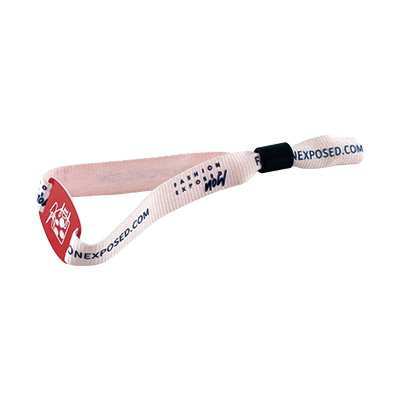
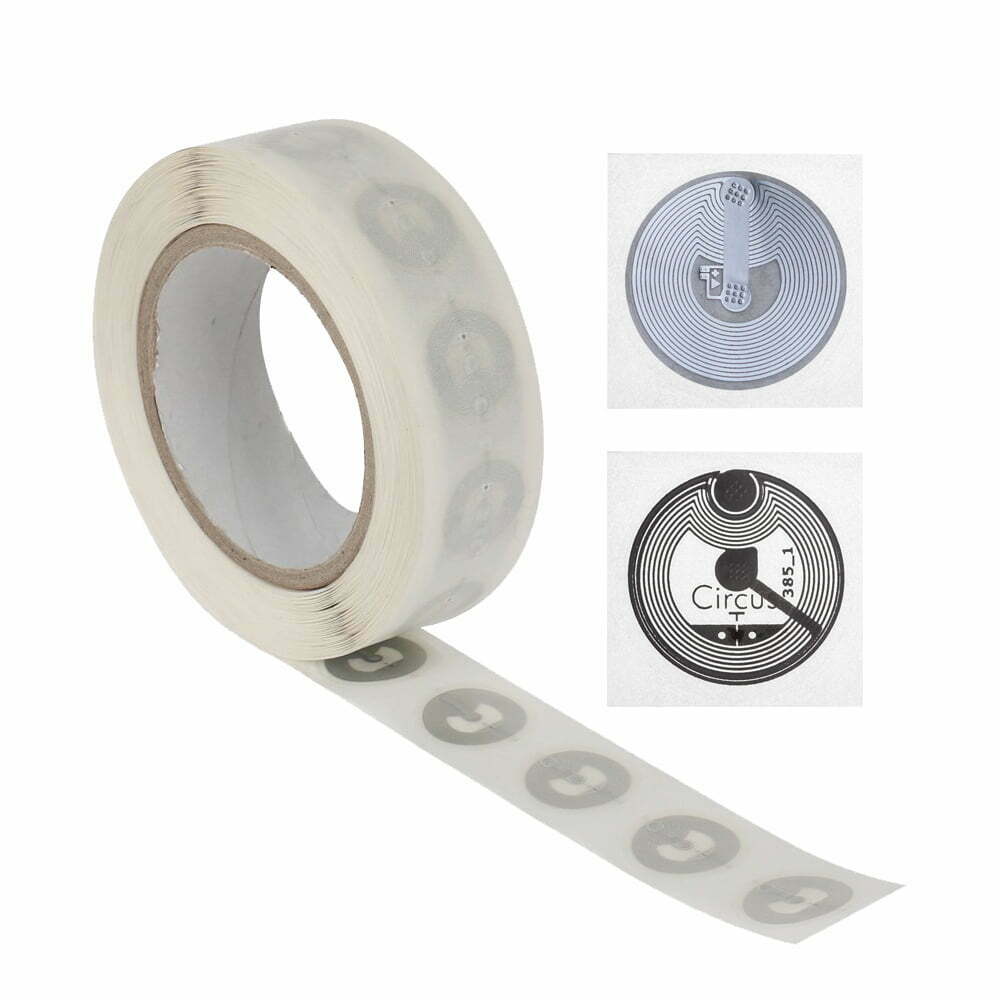
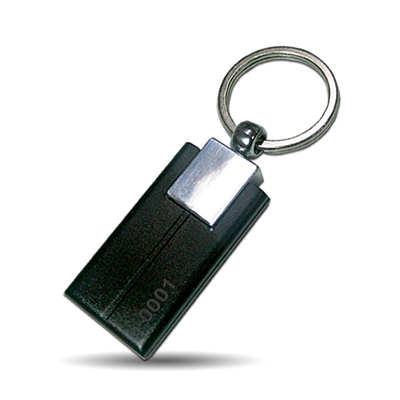
Jedes Teil der persönlichen Schutzausrüstung (PSA) ist mit einer robusten Ultrahochfrequenz ausgestattet (UHF) RFID -Tag oder ein RFID-PSA-Etikett in Wäschequalität, das einer Sterilisation standhält, Hitze, Abrieb, und chemische Korrosion. Dies ermöglicht die RFID-Asset-Tracking von persönlicher Schutzausrüstung (PSA) über den gesamten Lebenszyklus hinweg.
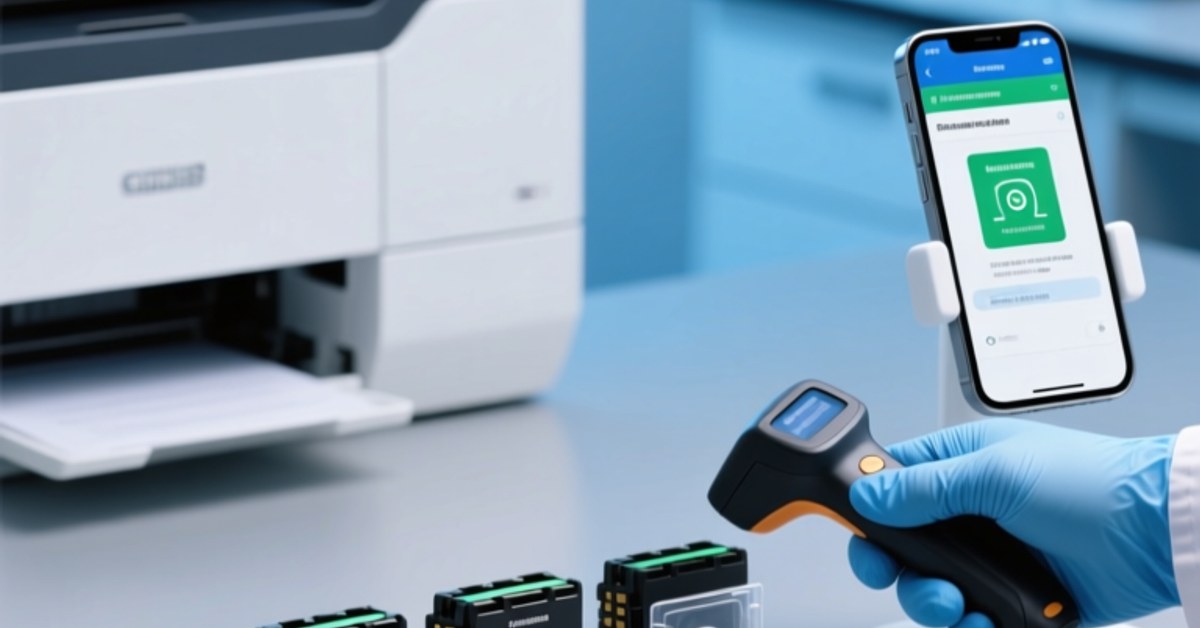
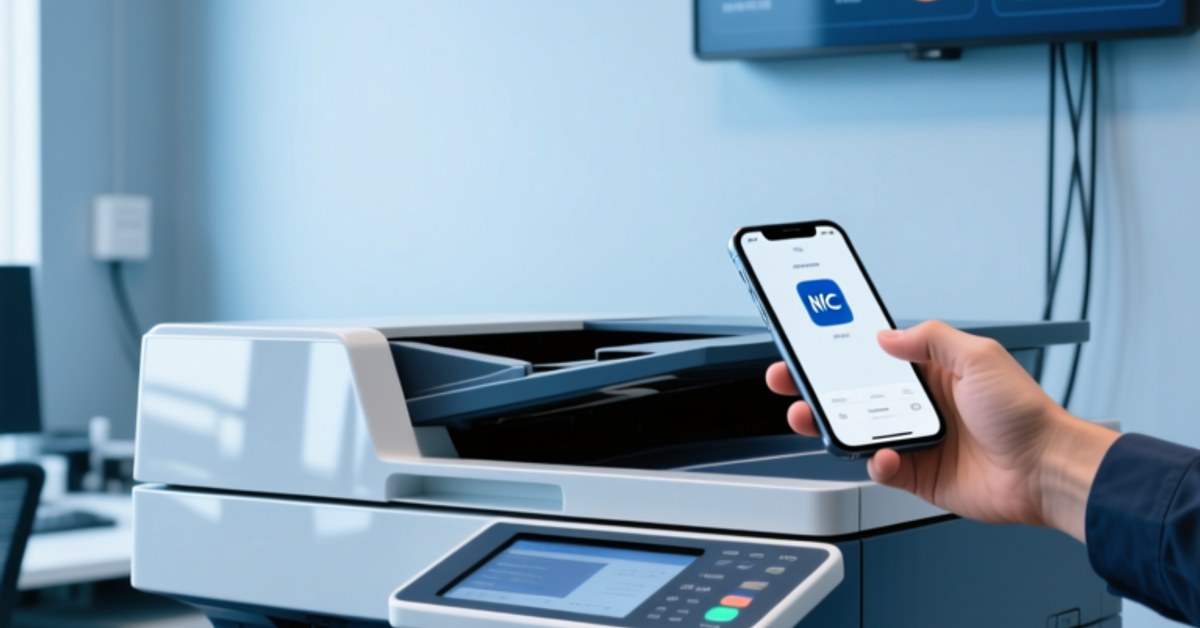
Diese Tags können in verwendet werden RFID-Inventarsysteme und RFID-Mietverwaltungssysteme, Ermöglicht Batch-Scannen außerhalb der Sichtlinie oder Scannen mit Zugangskontrolle. Dies beschleunigt den Check-in- und Check-out-Prozess erheblich.
Lifecycle-Log-Integration mit DPP
Ein digitaler Produktpass (DPP) ist eine digitale Aufzeichnung, die jeder gespeicherten PSA-Einheit beigefügt ist (oder Referenzen) seine komplette Lebenszyklusgeschichte: Herstellung, Anzahl der Verwendungen, Reinigungszyklen, Reparaturen, Inspektionen, und letztendlich, Ruhestand. Im Wesentlichen, Die eindeutige ID des RFID-Tags wird dem DPP-Datensatz in einer Cloud- oder Edge-Datenbank zugeordnet.
Jedes Mal, wenn PSA gemietet wird, zurückgegeben, gereinigt, oder repariert, Ein Lesegerät erfasst das Tag und protokolliert das Ereignis (Datum, Standort, Inspektor-ID, Status). Dies ist die Überwachung des Lebenszyklus von RFID-Tags.
Workflow-Beispiel
- Ausgabe/Kasse: Ein Arbeiter scannt die PSA-Einheit; Das System erfasst die Startzeit und die Arbeiter-ID.
- Nutzung und Rückgabe: Nach der Rückkehr, Ein Zutrittskontrollleser erfasst den RFID-PSA-Tag, Aufzeichnung der Nutzungsdauer.
- Reinigung/Wartung: In der Wäscherei oder Tankstelle, Der RFID-Tag wird gelesen, der Reinigungszähler wird erhöht, und der Status wird überprüft.
- Inspektion und Neuausstellung: Wenn das DPP angibt, dass sich das Gerät noch im zulässigen Zyklus befindet und keine erkennbaren Mängel aufweist, es wird wieder in den Pool eingegeben. Ansonsten, Es ist zur Stilllegung oder Reparatur markiert.
Dieses geschlossene RFID-Mietmanagement stellt sicher, dass jedes PSA-Teil nur innerhalb der Sicherheitsparameter wiederverwendet wird.
Die Rolle von RFIDHY
RFIDHY ist ein Hersteller von langlebigen RFID-Wäscheetiketten und einbettbare RFID-Transponder, die auf raue Industrieumgebungen zugeschnitten sind. Durch die Integration seiner RFID-Tag-Hardware in das DPP-System können Kunden eine umfassende PSA-Tracking-Lösung bereitstellen.
Vorteile
Verbesserte Sicherheit und Compliance
Durch die Durchsetzung einer Prüfung auf Artikelebene vor der Wiederverwendung, Das System minimiert das Risiko einer Überbeanspruchung oder unerkannter Schäden. Nachvollziehbare Inspektionsprotokolle unterstützen die Prüfbarkeit und Compliance.
Verbesserte Anlagennutzung
Betreiber können die Wiederverwendung von PSA-Einheiten bis kurz vor dem Ende ihrer Nutzungsdauer maximieren, anstatt sie aus Unsicherheit vorzeitig zu verwerfen. Die Grenzkosten der Nachverfolgung werden durch eine höhere Stückproduktion ausgeglichen.
Reduzieren Sie Verluste und verbessern Sie die Bestandsgenauigkeit
Mit RFID-Bestandssystemen und RFID-Mietverwaltungssystemen, Fälle von nicht übereinstimmenden oder verlorenen Einheiten werden deutlich reduziert. In ähnlichen Mietanwendungsfällen, Die Einführung der RFID-Technologie hat zu a geführt 60-80% Reduzierung des Lagerschwunds.
Arbeits- und Prozesseffizienz
Das automatisierte Scannen großer Mengen markierter Artikel reduziert die manuelle Dateneingabe und Bestandsprüfungen. RFID-Gates können Dutzende Artikel pro Sekunde verarbeiten. Diese Effizienz ist vergleichbar mit den Vorteilen der allgemeinen Vermietungs- und Bekleidungsvermietungsbranche.
ROI und Kostenvermeidung
Trotz der anfänglichen Investition in RFID-Tags/-Lesegeräte und -Integration, Viele Vermieter berichten von einer Amortisationszeit von 12-24 Monate. Zum Beispiel, in einem Gerätemietkoffer, Ein Unternehmen sparte durch RFID-Automatisierung Tausende von Arbeitsstunden ein.
In persönlicher Schutzausrüstung (PSA) Vermietungen, Zu den vermiedenen Kosten gehört die vorzeitige Stilllegung der Ausrüstung, regulatorische Strafen, Lagerverlust, und manuelle Audits.
Kreislaufwirtschaft und Nachhaltigkeit
Durch verbesserte Nachverfolgung der Wiederverwendung, Organisationen können die Lebensdauer von PSA-Artikeln verantwortungsvoll verlängern, Ziele der Kreislaufwirtschaft unterstützen, und Abfall reduzieren.
Best Practices und Herausforderungen bei der Implementierung
Tag-Auswahl und Haltbarkeit
Wählen Sie RFID-Wäscheetiketten oder RFID-PSA-Etiketten, die chemischen Angriffen standhalten, UV-Strahlen, Hitze, oder Abrieb. Das Substrat und die Verpackung des Etiketts sind entscheidend.
Systemintegration und Software
RFID-Lesegeräte, Middleware, und DPP-Datenbanken müssen in das Mietverwaltungs- oder ERP-System integriert werden. Durch die Echtzeitsynchronisierung wird der aktuelle Lebenszyklusstatus sichergestellt.
Lesen Sie Zuverlässigkeit und Interferenz
Metall, Feuchtigkeit, oder dichte Stoffe können zu Lesestörungen führen. Eine sorgfältige Antennenplatzierung und Feldtests sind erforderlich. (Dies ist eine häufige RFID-Herausforderung im Gesundheitswesen und in der Industrie.)
Datenverwaltung und Datenschutz
Während PSA-Ausweise nur Vermögensdaten enthalten, Die Gewährleistung einer sicheren Übertragung und einer ordnungsgemäßen Zugriffskontrolle ist von entscheidender Bedeutung. DPP-Datensätze sollten verschlüsselt und authentifiziert werden.
Change Management und Schulung
Betreiber, Wartungspersonal, und Sicherheitspersonal muss für das Scannen von Tags geschult werden, Interpretieren Sie DPP-Warnungen, und behandeln Ausnahmeprozesse.
Q&A – Häufige Fragen
| Q | A |
|---|---|
| Ist RFID ein Overkill für die PSA-Verleihung?? | Nicht im Maßstab. Sobald Sie Hunderte oder Tausende von Einheiten standortübergreifend verwalten, Die manuelle Nachverfolgung schlägt fehl. RFID skaliert linear, oft mit Kosten pro Einheit < USD 1 über mehrere Jahre. |
| Können die RFID-Tags einer aggressiven chemischen Reinigung standhalten?? | Ja – modern RFID-Wäscheetiketten Und eingebettete RFID-PSA-Tags sind für raue Umgebungen konzipiert. Lieferanten mögen RFIDHY auf Chemikalie testen, UV, und Abriebfestigkeit. |
| Wie viele Reinigungszyklen hält eine PSA-Einheit aus?? | Das hängt von der PSA-Klasse ab. Mit dem DPP-Modell können Sie Schwellenwerte festlegen (z.B. 200 Waschgänge bzw 1,000 Std.). Einmal überschritten, Das System meldet den Ruhestand. |
| Wie hoch ist die Lesezuverlässigkeit in dichten PPE-Stapeln?? | Mit dem richtigen Antennendesign und der richtigen Abschirmung, Sie können 20–50 überlappende Tags pro Sekunde zuverlässig lesen. Der Schlüssel dazu sind Gate-Lesegeräte oder Handhelds mit guter Kalibrierung. |
| Wird die Implementierung dieses Systems die Bank sprengen?? | Die Vorabkosten sind nicht trivial (Tags, Leser, Software). Viele Vermietungs-/Anlagenfirmen berichten jedoch über einen ROI innerhalb von ein bis zwei Jahren durch Arbeitseinsparungen, Verlustreduzierung, und höhere Auslastung. |
| Wie unterscheidet sich DPP von der einfachen Vermögensverfolgung?? | RFID-Asset-Tracking gibt Ihnen „Wo und Wann“ Auskunft. DPP bietet Ihnen den vollständigen historischen Kontext – die Herstellung, Wartung, Inspektion, Reparatur – Ermöglichung einer risikobasierten Wiederverwendungslogik. |
Ausblick und zukünftige Trends
- Smart Tags mit Sensoren: RFID-Tags der nächsten Generation können die Temperatur integrieren, Luftfeuchtigkeit, oder Dehnungssensoren, Verbesserung des Zustandsbewusstseins in Echtzeit.
- Blockchain-basierte Bereitstellungsvorhersage (DPP): Um das Vertrauen zu stärken, DPP-Datensätze können in einem manipulationssicheren Hauptbuch gespeichert werden.
- KI-gesteuerte vorausschauende Stilllegung: Zusammenführen von Nutzungsdaten und Inspektionsergebnissen, Systeme können Ausfallrisiken vorhersagen und Geräte im Voraus außer Betrieb nehmen.
- Standardisierung und Regulierung: Branchenverbände können standardisierte DPP-Formate für persönliche Schutzausrüstung entwickeln (PSA), ähnlich denen für andere regulierte Waren.
- Globale Akzeptanz im Bergbau, Öl & Gas, und Großbauindustrie: Aufgrund der Sicherheitsanforderungen und der Anlagengröße wird sich der Einsatz über typische Industriesektoren hinaus erstrecken.
Da immer mehr Vermietungs- und PSA-Verwaltungsunternehmen die Lebenszyklusüberwachung von RFID-Tags übernehmen, Die Integration mit DPPs wird sich von Innovation hin zu Benchmark-Erwartungen verlagern.
Abschluss
Der Aufstieg von PSA-Miet- und Wiederverwendungsmodellen im Baugewerbe, industriell, und sicherheitsrelevante Vorgänge erfordern eine zuverlässige Hygieneverfolgung, Versicherungsnutzung, und Überprüfbarkeit. Durch die Kombination von RFID-Asset-Tracking für PSA mit DPP-Logik, Organisationen können eine sichere Wiederverwendung durchsetzen, Verluste reduzieren, und die Auslastung steigern, und unterstützt gleichzeitig die Ziele der Kreislaufwirtschaft.
RFID-Anbieter wie RFIDHY spielen eine entscheidende Rolle, indem sie langlebig sind, Feldtaugliche RFID-Tags und ermöglichen eine vollständige Integration mit DPP-Systemen. Während das Ökosystem reift, Wir können mit einer schnelleren Akzeptanz rechnen, strengere Standards, und ein intelligenteres Netzwerk zur Wiederverwendung von PSA.
Wenn Sie Hilfe bei der Entwicklung eines RFID-fähigen Pilotprogramms für die Vermietung und Wiederverwendung von PSA benötigen (oder Tags auswählen, Leser, und Software), Bitte zögern Sie nicht Kontaktieren Sie uns– Ich berate Sie gerne.
Weitere Informationen,Bitte Kontaktieren Sie uns.