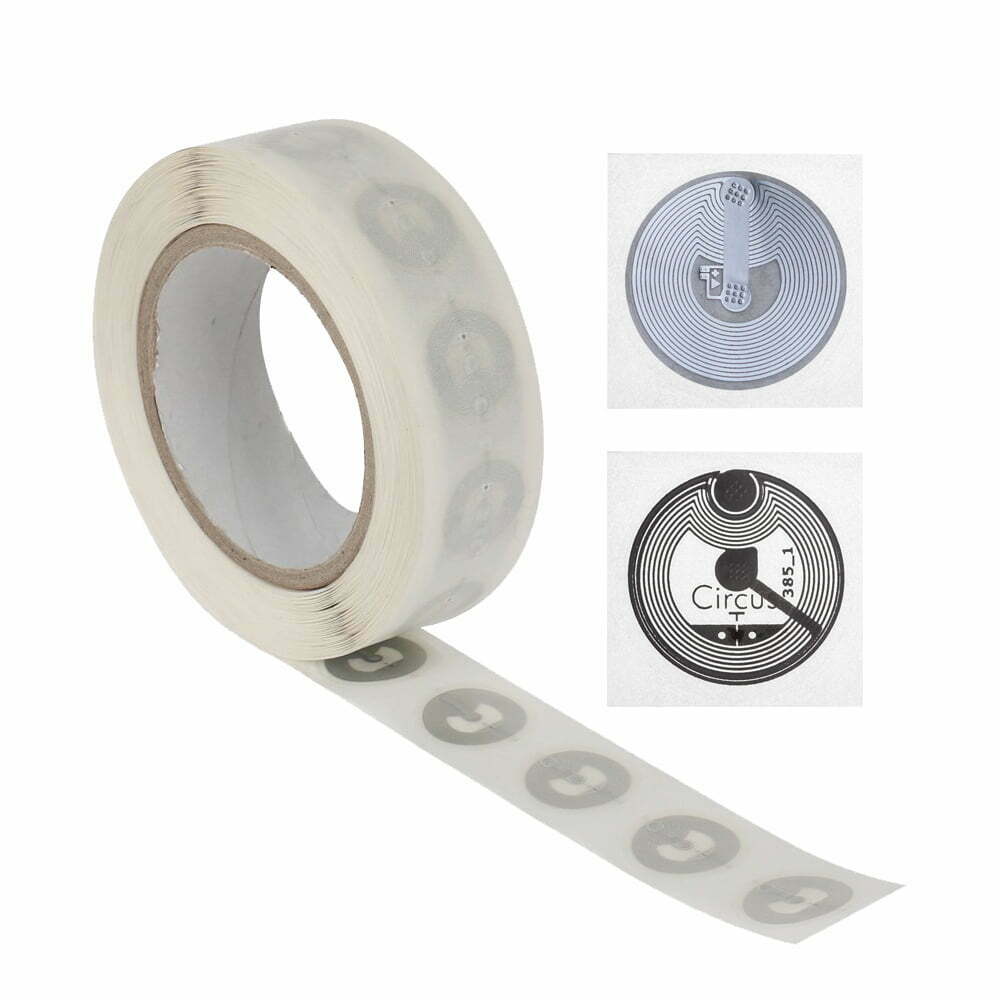
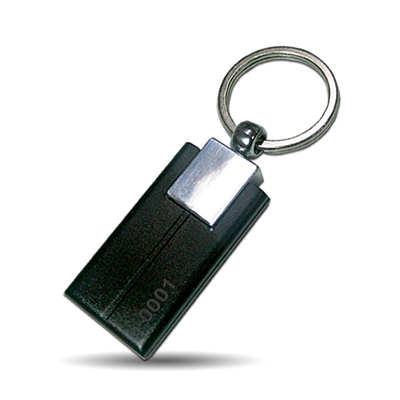
RFID (무선 주파수 식별) technology is a wireless identification and tracking technology that has been widely applied in various fields. 하지만, the application of traditional RFID 태그 in liquid environments has certain limitations. Fortunately, 지속적인 기술의 발전으로, the emergence of RFID anti-liquid tags has brought new opportunities for object tracking and management in liquid environments. This article will explore the applications of RFID anti-liquid tags, analyze their advantages, and discuss potential challenges.

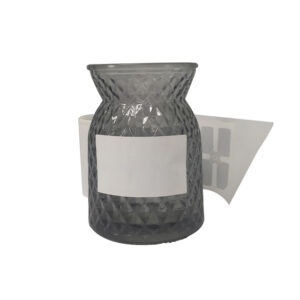
첫 번째, RFID anti-liquid tags have a wide range of applications. In many industries, especially in manufacturing, 기호 논리학, and healthcare sectors, tracking and managing objects in liquid environments are crucial. 예를 들어, in the food and beverage production industry, tracking and inventory management of liquid containers are essential for ensuring product quality and safety. 전통적인 RFID 태그 are prone to interference or damage in liquids, while RFID anti-liquid tags can work for extended periods in liquid environments while maintaining good performance.
둘째로, RFID anti-liquid tags offer several advantages. They exhibit high durability and waterproof capabilities. These tags are typically made from special materials that can resist liquid penetration and maintain the integrity of the tag. 뿐만 아니라, RFID anti-liquid tags demonstrate excellent read and write performance. Whether in liquids or near-liquid environments, these tags can accurately read and write data, ensuring accurate object tracking and information recording. 추가적으로, RFID anti-liquid tags can be seamlessly integrated with existing RFID 시스템 without significant modifications or investments.
하지만, the application of RFID anti-liquid tags also presents some challenges. 첫 번째, the read and write distance of RFID anti-liquid tags may be affected due to the interference of liquids with electromagnetic waves. 그러므로, careful consideration of the environmental conditions for signal transmission and reception is required when designing and deploying these tags. 둘째로, liquid environments may have multiple objects present, which can lead to interference and collisions between tags. 그러므로, appropriate tag layout and signal scheduling strategies need to be employed to ensure normal communication and data transmission between tags.

이러한 어려움을 극복하기 위해, researchers and technology companies are continuously working to improve the performance and reliability of RFID anti-liquid tags. 예를 들어, they are developing new materials to enhance the tags’ waterproof capabilities and anti-interference abilities. 동시에, they are exploring new communication protocols and algorithms to optimize communication and data transmission between tags. 추가적으로, 지능적인 RFID 시스템 are also under development, enabling real-time monitoring and management of objects in liquid environments, thereby improving overall production efficiency and logistics effectiveness.
결론적으로, RFID anti-liquid tags have significant implications for object tracking and management in liquid environments. They provide innovative solutions for tracking and managing objects in liquid environments. Despite some challenges during application, with ongoing research and technological advancements, RFID anti-liquid tags will play a crucial role in various domains, enhancing logistics efficiency, and improving product quality and safety. We look forward to further advancements and applications of RFID anti-liquid tag technology in the future.