Conclusion: RFID is a more scalable data carrier for textile DPPs
For large-scale textile DPP implementation, RFID outperforms QR codes in batch identification, data capacity, durability, and automation compatibility.
According to pilot projects in the apparel logistics and recycling industries, RFID-based DPP systems can reduce manual scanning costs by 30-50% and improve data integrity by over 40%, especially in multi-lifecycle scenarios such as resale and recycling.
What is a Textile DPP and the Importance of Data Carriers
A textile Digital Product Passport (DPP) requires persistent, machine-readable access to product data throughout its entire lifecycle – from fiber sourcing to recycling.
The data carrier determines whether DPP data can be efficiently collected, updated, and reused at scale.
Early DPP pilot projects primarily used QR codes, while advanced deployments are increasingly adopting RFID textile tags, particularly washable and embedded tags.
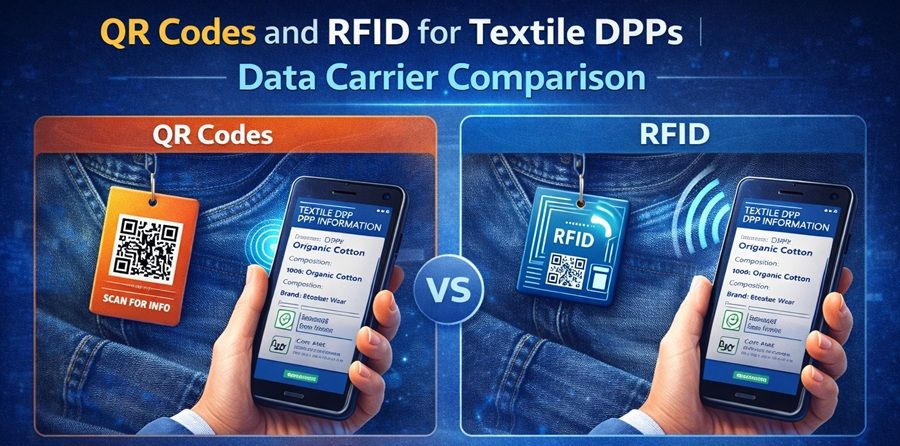
QR Codes vs. RFID: Data Carrier Comparison
1.Batch Identification: RFID has a structural advantage
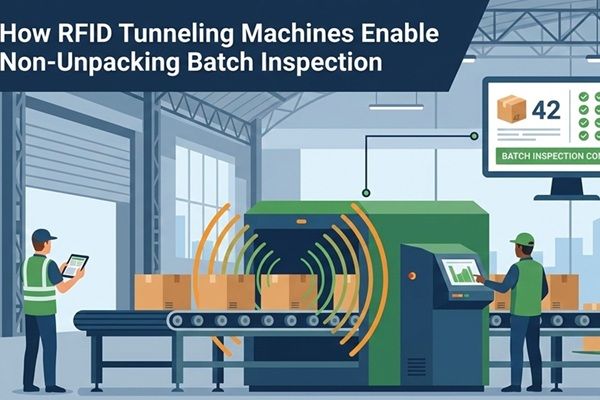
RFID enables true batch identification, while QR codes are limited to single-item scanning.
QR Codes
- Requires line-of-sight scanning
- Manual operation, item by item
- Throughput: Approximately 200-300 items/hour/person
RFID (UHF EPC Gen2)
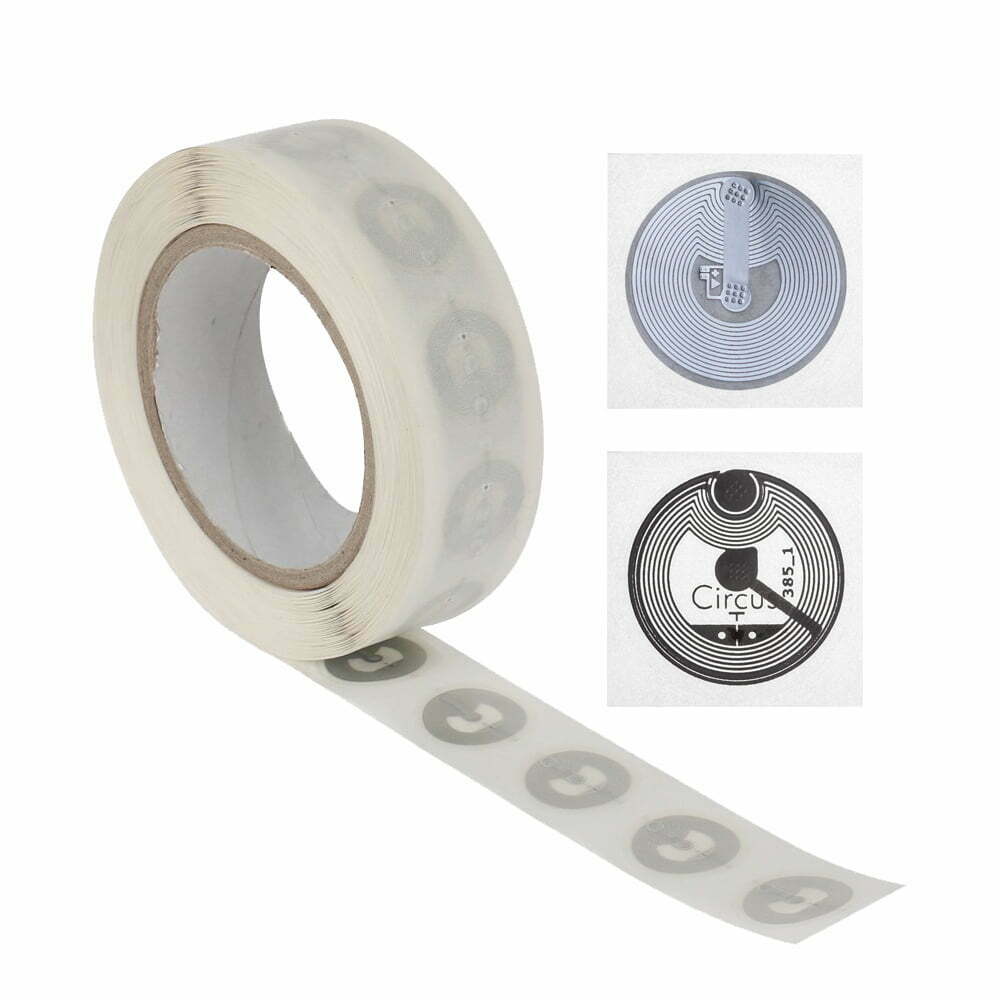
- Non-line-of-sight reading
- Supports hundreds of tags per second
- Throughput: Up to 5000+ items/hour using tunnel or handheld readers
- Standards and Models: ISO/IEC 18000-63 (EPC Gen2 v2)
- Common Chips: NXP UCODE 9, Impinj Monza R6/R6-P
Conclusion: For warehouses, sorting centers, and recycling plants, RFID is the only viable option for batch operations in DPPs.
2.Data Capacity: RFID Supports Richer DPP Logic
RFID offers higher and more flexible data capacity than QR codes.
| Carrier | Typical Data Capacity |
| QR Code | ~3 KB (static, printed) |
| UHF RFID | 96–512 bits EPC + up to 64 KB user memory (depending on the chip) |
| NFC RFID | 1–8 KB (NTAG 213/215/216) |
In textile DPP systems, RFID is typically used to store:
- Unique digital product ID
- Encrypted lifecycle pointer
- Recycling classification code
The actual DPP data is securely stored in the cloud and dynamically linked – this is a best practice recommended by the EU DPP working group.
3.Durability and Lifecycle Compatibility
Textile DPP requires years of durability – RFID excels in this area. QR code labels degrade after approximately 20-30 washes.
Washable RFID textile tags are tested for:
- 60-200 industrial washes
- Heat resistance up to 200°C
- Chemical resistance (detergents, solvents)
Typical textile RFID standards:
- OEKO-TEX® compatibility
- ISO 6330 (domestic washing)
- ISO 15797 (industrial washing)
Industry Use Cases: Best Application Scenarios for Each Technology
QR codes are suitable for consumer-facing access, while RFID excels in back-end automation.
QR Codes:
- Consumer transparency
- Smartphone interaction
- Low initial cost
RFID:
- Factory automation
- Inventory accuracy (>99%)
- Resale, rental, and recycling traceability
Hybrid DPP architectures (QR code + RFID) are becoming increasingly common in EU textile pilot projects.
Why Choose RFIDHY for Your Textile DPP Project
Customization is crucial in practical textile DPP – and this is where RFIDHY excels.
RFIDHY offers:
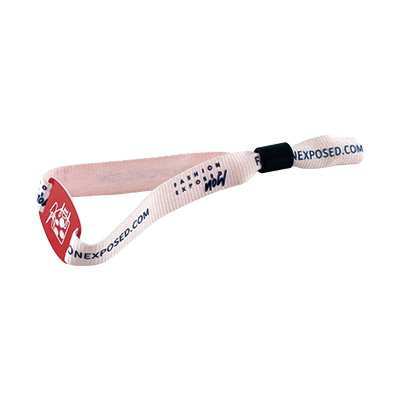
- Customizable washable RFID tags (woven, heat-sealed, embedded)
- Multi-chip options (UHF + NFC combination)
- GS1 Digital Link compliant EPC encoding
- Reader and middleware adaptation for ERP/PLM systems
RFIDHY does not sell standard tags, but focuses on scenario-based customization, supporting brands, recyclers, and system integrators in Europe and North America.
Q&A: Data Carrier Selection for Textile DPP
- Can QR codes alone meet the EU textile DPP compliance requirements?
Short answer: No, at least not for large-scale applications. QR codes lack batch identification capabilities and durability, making them unsuitable for industrial digital product passport (DPP) workflows.
- Is RFID technology mandatory for textile digital product passports (DPP)?
Currently, it is not legally mandatory, but RFID technology is strongly recommended for large-volume, multi-lifecycle textile production and operations.
- What is the current best practice?
Hybrid deployment: RFID technology is used for backend lifecycle data, and QR codes or NFC technology are used for consumer interaction.
For more information,please contact us.