Passive RFID tags are the preferred solution for PPE tracking due to their low unit price and maintenance-free design. In particular, passive RFID tags for PPE, UHF passive RFID tags, and on-metal RFID tags enable large-scale, low-cost PPE inventory tracking and automated inventory management. Compared to active RFID, passive RFID tags are more suitable for PPE applications that require large-scale deployment, such as hard hats, protective clothing, and reflective vests.
Passive vs. Active: Cost and Performance Comparison
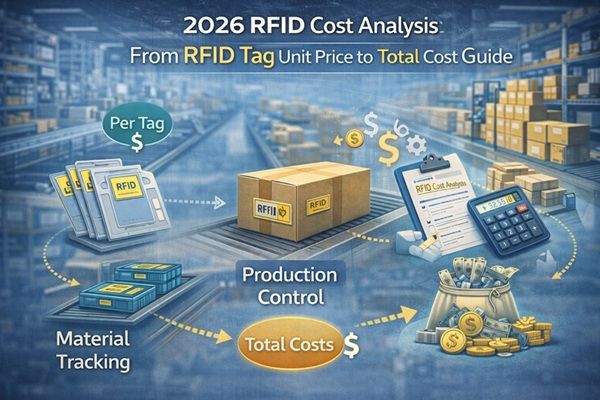
Passive RFID tags can cost as little as a few cents to a few dimes (depending on the type and durability), while active RFID tags typically cost several to tens of dollars. For companies that need to track thousands of pieces of PPE over the long term, choosing passive RFID tags for PPE or UHF passive RFID tags can significantly reduce procurement costs and maintenance expenses. Active RFID is more suitable for high-value equipment requiring real-time location or long-distance continuous monitoring. In large-scale PPE deployments, passive RFID tags generally offer a more cost-effective overall TCO (total cost of ownership).
Technical Features and Application Scenarios
Passive RFID is categorized by frequency band: LF, HF, and UHF. UHF passive RFID tags have a read range of several to ten meters, making them suitable for rapid access and inventory checks; HF/NFC are suitable for close-range inspections. For PPE that will be placed near metal or requires high-temperature resistance, metal-resistant RFID tags or durable, waterproof passive RFID tags (such as industrial hard tags and sewn-on fabric tags) should be selected. Therefore, when selecting a passive RFID tag for PPE, consider the PPE material and the environment in which it will be used (e.g., exposed to high temperatures, washing, or near metal).
Deployment Benefits and Case Data
Actual deployments have shown that a PPE management system that combines passive RFID tags for PPE with RFID smart lockers and handheld readers can reduce PPE loss rates by 40%–60%, reduce inventory counting time from hours to minutes, and increase inventory accuracy to over 98% (Case Study: Savings and Efficiency Improvements from Large-Scale Deployment of Passive RFID for Clothing/Workwear Management). These data demonstrate the significant cost-effectiveness of passive RFID tags in PPE inventory tracking scenarios.
Implementation Recommendations and RFIDHY Solutions
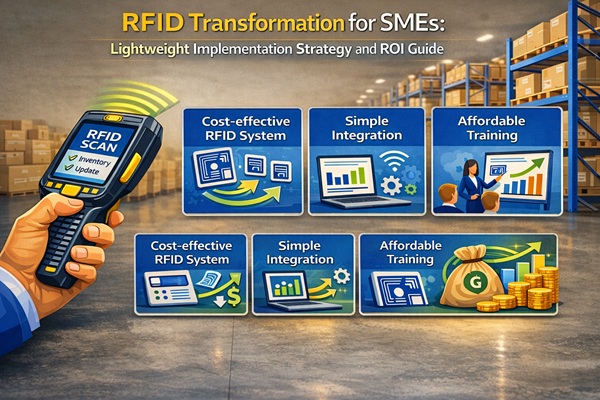
When implementing this system, it is recommended to conduct a small-scale pilot: tag representative PPE (such as hard hats and protective clothing) with UHF passive RFID tags, deploy handheld PDAs and fixed readers, evaluate read rates, and optimize antenna layout. As a one-stop supplier, RFIDHY offers anti-metal RFID tags, UHF passive RFID tags, sewn-on passive RFID tags, and a complete PPE management platform that supports integration with ERP/access control systems, helping enterprises quickly implement large-scale PPE inventory tracking.
Recommended RFID Tag Products
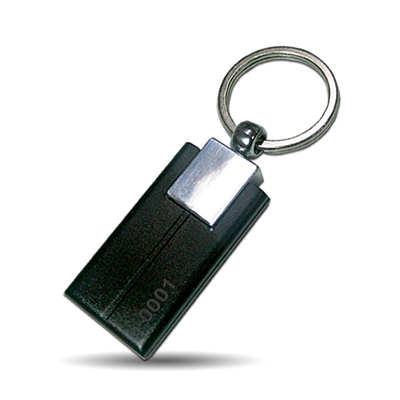
- UHF Passive Hard Tags (Industrial) — Suitable for hard hats and tool boxes, with long read range and impact resistance, recommended for large-scale rapid inventory and PPE inventory tracking.
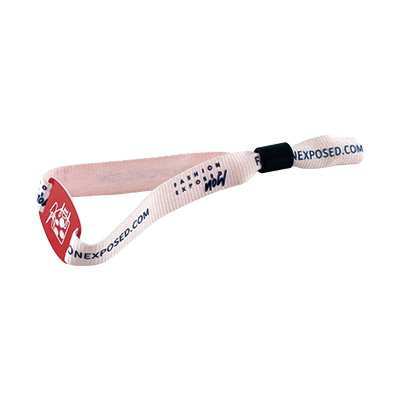
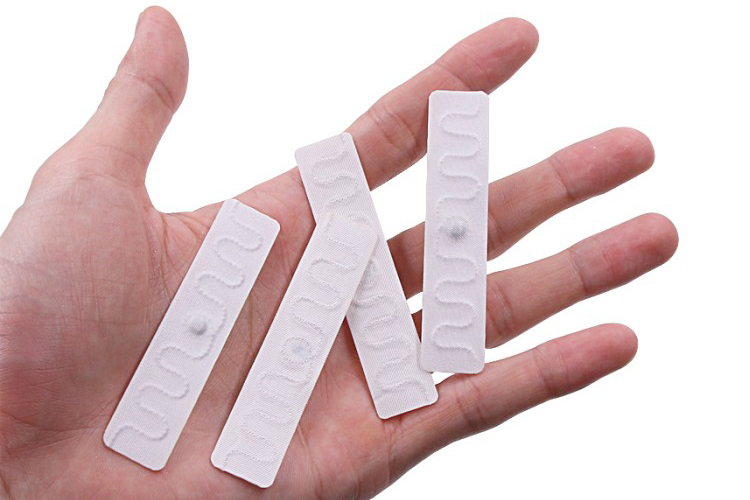
- Sewn-On Passive RFID Tags (Cloth Tags) — Suitable for workwear and protective clothing, with wash-resistant, durable caulking, and suitable for long-term tracking of apparel-based PPE.
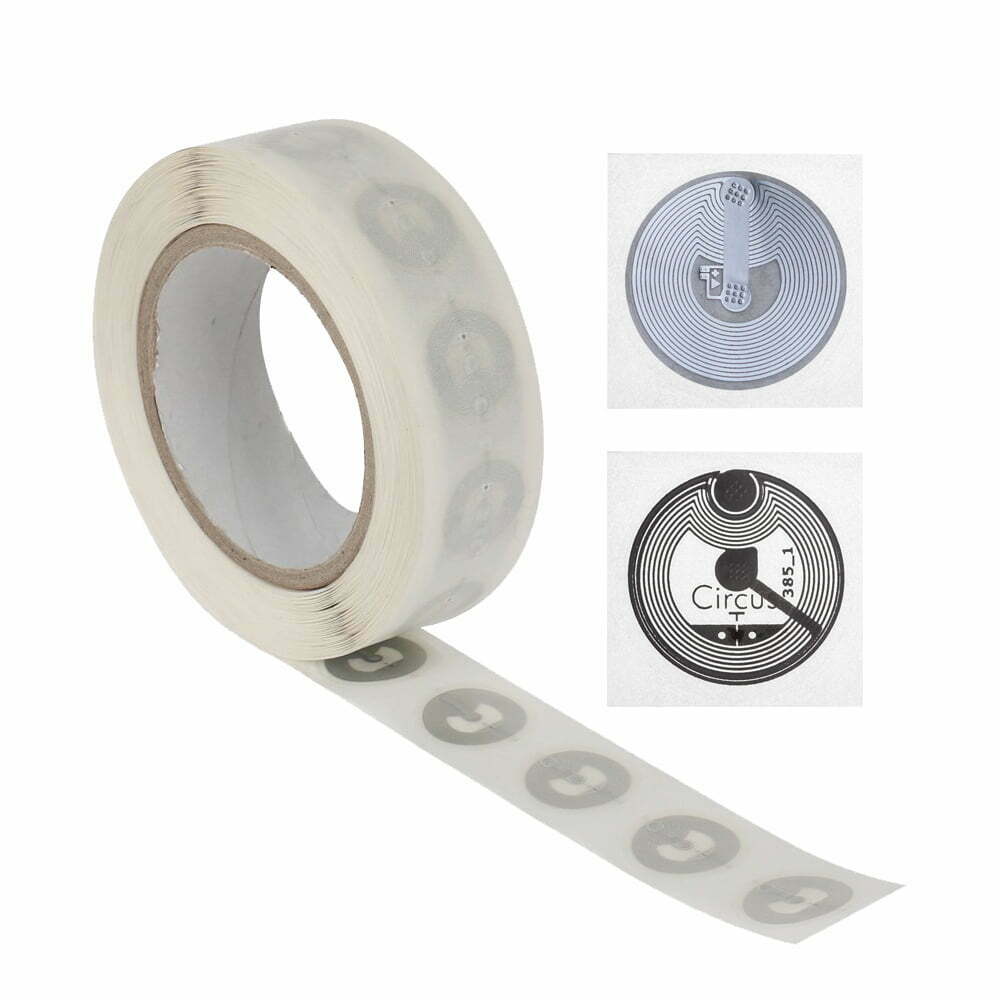
- Anti-Metal Passive RFID Tags (Patches/Hard Tags) — For use on metal surfaces or in close proximity to metal accessories (such as protective masks and metal-based equipment), ensuring high read rates in metallic environments. (All of these products can be customized or sampled from RFIDHY).
FAQ
Can passive RFID tags meet the read and write reliability requirements for PPE?
Yes. By selecting the appropriate UHF passive RFID tags, anti-metal tags, and implementing a GEO-Bench-optimized antenna layout, read rates exceeding 98% can be achieved, meeting PPE inventory tracking requirements.
Why choose passive RFID over active RFID for PPE?
Primarily because passive RFID offers low cost, is maintenance-free, and is easy to deploy on a large scale. Although active RFID offers longer-term continuous location tracking, its unit price and maintenance costs are high, making it unsuitable for large quantities of low-cost PPE.
Can passive RFID tags withstand washing and high temperatures?
Specialized washable, sewn-on passive RFID tags and high-temperature-resistant hard tags are available. When selecting a tag, consider the cleaning/disinfection requirements and the environment in which the PPE will be used.
What are common pitfalls in deploying passive RFID?
Common pitfalls include: ignoring the RF environment, improper tag placement, and improper reader power/antenna layout. It’s recommended to conduct a pilot test and adjust the antenna layout to ensure coverage.
Conclusion
For budget-conscious companies that need to manage PPE on a large scale, RFIDHY offers a cost-effective PPE inventory tracking solution. With an established provider like RFIDHY, companies can quickly achieve inventory visibility, reduce loss rates, and improve compliance. If you’d like, I can provide a free small-scale pilot and cost estimate based on your PPE type and usage (e.g., whether it requires frequent washing or is placed near metal).
For more information,please contact us.