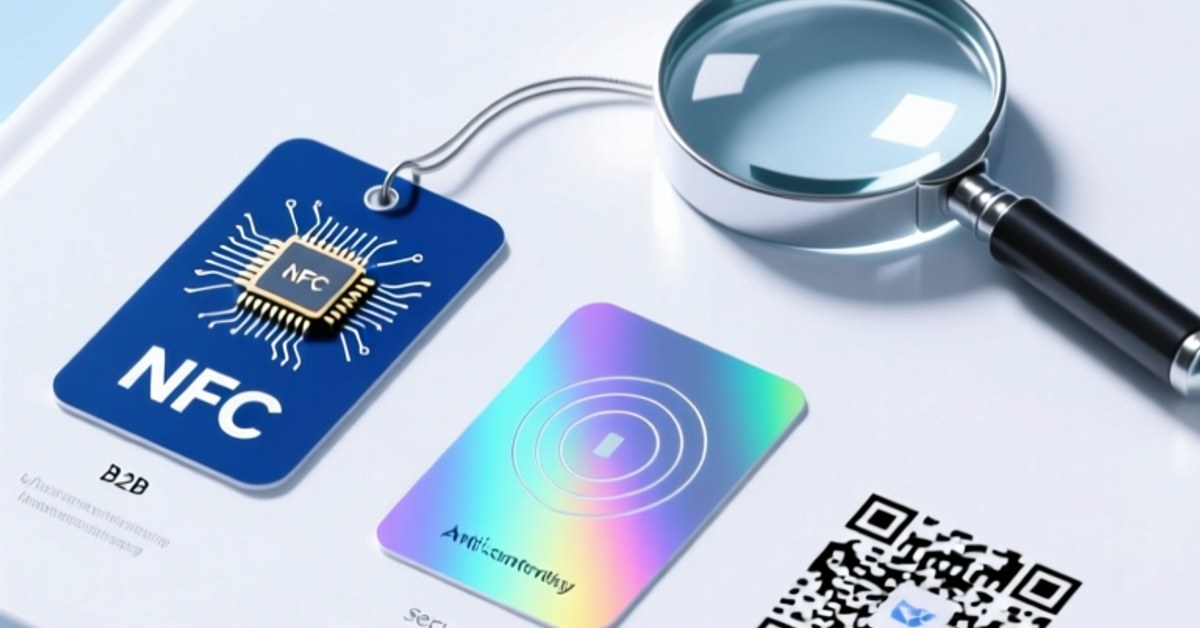
Pourquoi la technologie anti-contrefaçon n'est plus facultative
Le commerce mondial des produits contrefaits devrait atteindre $2.8 mille milliards par 2026. Pour les responsables de la protection des marques et les responsables de la conformité qualité, Choisir la bonne technologie d’authentification n’est pas seulement un choix technique : c’est un impératif stratégique. Une mauvaise décision peut nuire à la réputation, exposition juridique, et perte de revenus directs. Trois technologies dominent le paysage: hologrammes, Codes QR, et communication en champ proche (NFC). Chacun comporte des compromis distincts en matière de sécurité, coût, et expérience utilisateur. Ce guide fournit une comparaison basée sur des données pour vous aider à choisir la solution qui correspond à votre profil de risque et à votre réalité opérationnelle..
Comprendre les trois technologies d'authentification
Hologrammes: La première ligne de défense
Les hologrammes sont la norme traditionnelle depuis des décennies. Ils s'appuient sur des dispositifs optiquement variables qui changent d'apparence lorsqu'ils sont vus sous différents angles.. Bien qu'ils offrent un repère visuel familier, les techniques de réplication modernes ont considérablement réduit leur fiabilité. Selon des études industrielles, sur 60% des hologrammes présents sur les produits contrefaits saisis étaient des répliques optiquement convaincantes. Numérisation haute résolution, 3Impression D, et les matériaux holographiques abordables rendent la duplication plus facile que jamais.
Les principales limitations incluent:
- Vérification statique: Un hologramme ne peut pas communiquer d'informations dynamiques ni mettre à jour son statut.
- Aucune protection cryptographique: Il n'y a pas de signature numérique pour prouver l'authenticité au niveau du silicium.
- Contrôle visuel uniquement: La vérification dépend entièrement du jugement humain, ce qui est intrinsèquement subjectif.
Codes QR: L’option accessible mais vulnérable
Les codes QR ont été largement adoptés en raison de leur faible coût et de l'accessibilité des smartphones. Une fois numérisé, ils redirigent les consommateurs vers une page de destination, portail de vérification, ou base de données de traçabilité. Cependant, la vulnérabilité fondamentale réside dans le fait qu'un code QR n'est qu'une URL imprimée. Il peut être copié, usurpé, ou redirigé sans détection. Les contrefacteurs dupliquent souvent les véritables codes QR et les appliquent à des produits contrefaits., diriger les utilisateurs vers la même page Web d’apparence légitime et éroder la confiance.
Les vecteurs d'attaque courants incluent:
- Clonage: Copier un code QR valide et le répliquer sur des produits contrefaits.
- Usurpation d'URL: Redirection vers une fausse page de vérification conçue pour collecter des données utilisateur.
- Aucune preuve d'inviolabilité: Le support physique n'offre aucune protection contre le retrait ou la réapplication.
NFC: La sécurité cryptographique rencontre le confort du consommateur
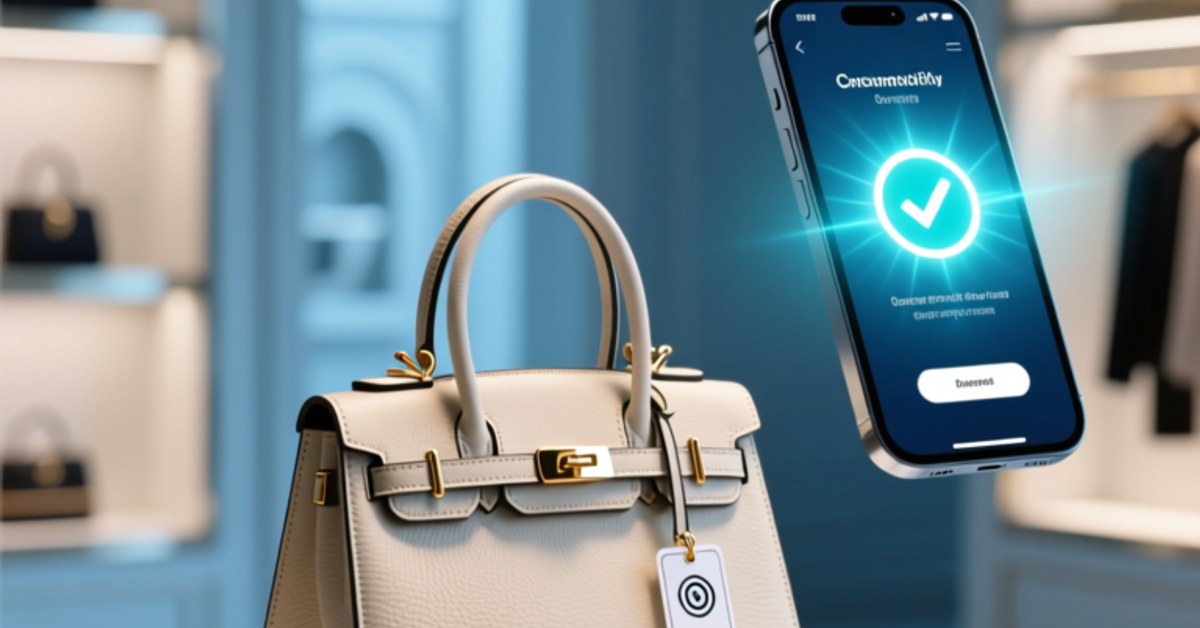
La technologie NFC intègre une micropuce sécurisée dans une étiquette ou un emballage de produit. Contrairement aux hologrammes et aux codes QR, chaque Étiquette NFC contient un identifiant cryptographique unique qui ne peut pas être cloné. Lorsqu'un consommateur pose un smartphone compatible NFC contre le produit, la puce effectue une prise de contact d'authentification mutuelle avec un serveur de vérification basé sur le cloud. Ce processus, souvent basé sur AES ou une infrastructure à clé publique (ICP), assure la sécurité de bout en bout.
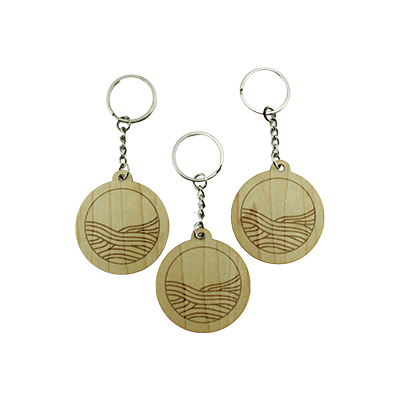
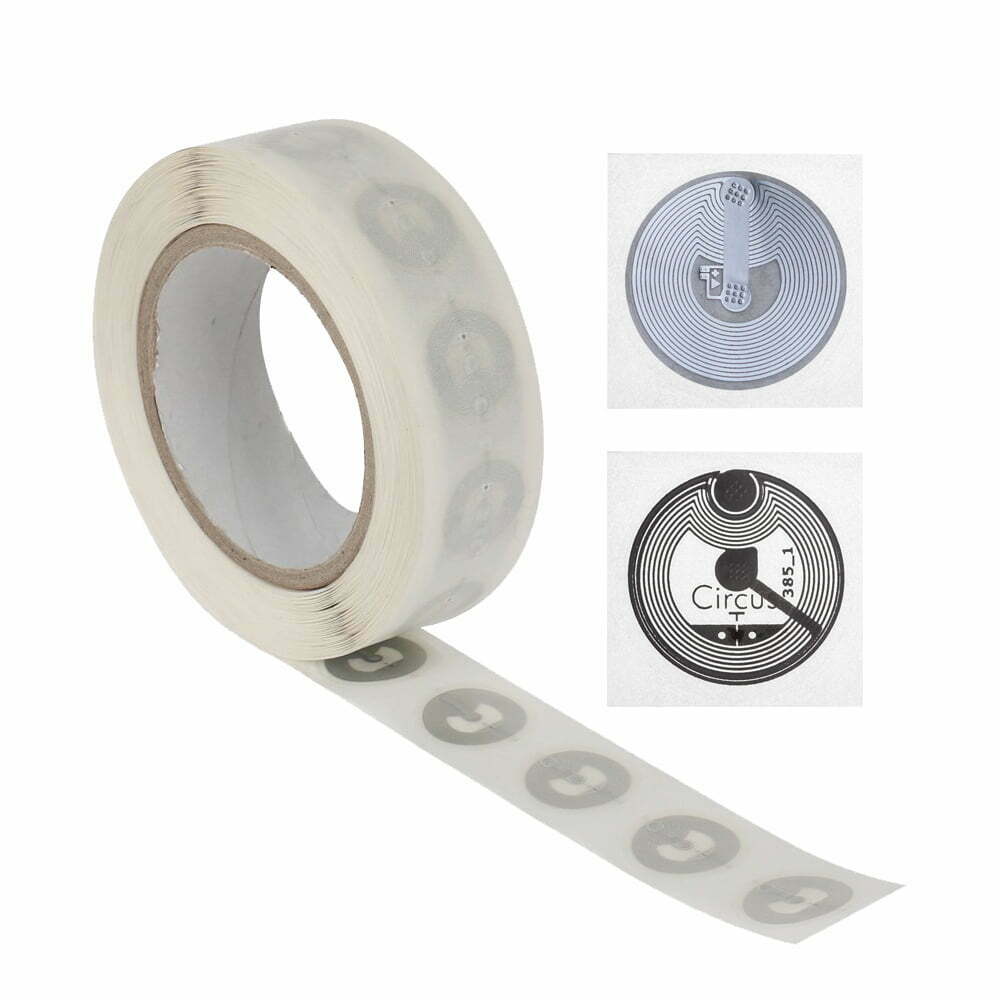
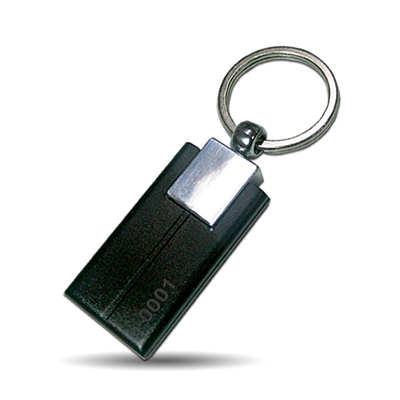
Balises NFC disponible à partir de NFCTRAVAIL gamme de standard Autocollants NFC et Incrustations NFC inviolable Incrustation humide NFC choix, offrant une flexibilité pour différents types d'emballage. Pour les articles de luxe, spécialisé Balises NFC avec vérification de signature, offre une sécurité de niveau bancaire sans compromettre la conception.
Analyse comparative: Coût, Sécurité, et vérifiabilité
Le tableau suivant détaille les dimensions critiques que les équipes d'approvisionnement et de conformité évaluent lors de la sélection de la technologie..
>
| Dimension | Hologramme | Code QR | NFC |
|---|---|---|---|
| Coût unitaire | Faible ($0.01–0,05) | Très faible (< $0.01) | Moyen ($0.10–0,50, en fonction de la puce et de la mémoire) |
| Difficulté de clonage | Modéré (mais en augmentant) | Très facile | Extrêmement élevé (racine de confiance matérielle) |
| Protection cryptographique | Aucun | Aucun (Basé sur une URL) | Chiffrement au niveau matériel (AES, CEC, etc.) |
| Vérification hors ligne | Inspection visuelle uniquement | Nécessite Internet pour la page de destination | Peut effectuer une authentification mutuelle hors ligne avec des clés publiques stockées |
| Interaction avec le consommateur | Visualisation passive | Numériser avec l'appareil photo | Appuyez avec la technologie NFC téléphones intelligents (91% des appareils) |
| Preuve d'altération | Faible (peut être superposé) | Aucun | Disponible via des boucles inviolables et des antennes destructibles |
| Intégration de la chaîne d'approvisionnement | Élément visuel autonome | Capacités de redirection limitées | Complet passeport produit numérique, analyses en temps réel |
| Préparation réglementaire | Minimal | Basique (sérialisation uniquement) | Conforme à l'UE ESPR, prend en charge DPP Passeport produit numérique |
Le problème de l'hologramme: Pourquoi les apparences peuvent tromper
Alors que les hologrammes bénéficient d'une forte reconnaissance de marque, ils souffrent d'un manque de confiance fondamental. Un consommateur ne peut pas distinguer un véritable hologramme de haute sécurité d'une contrefaçon bien conçue sans un échantillon de référence.. Même lorsque les forces de l’ordre saisissent des produits contrefaits, l'analyse médico-légale révèle souvent que les hologrammes ont été produits en utilisant les mêmes maîtres de gaufrage que les originaux, en raison de fuites dans la chaîne d'approvisionnement. Pour les équipes de conformité confrontées à des réglementations de plus en plus strictes, telles que la directive européenne sur les médicaments falsifiés, le fait de s'appuyer sur une caractéristique optique invérifiable engendre une responsabilité inacceptable..
Vulnérabilités du code QR dans les déploiements réels
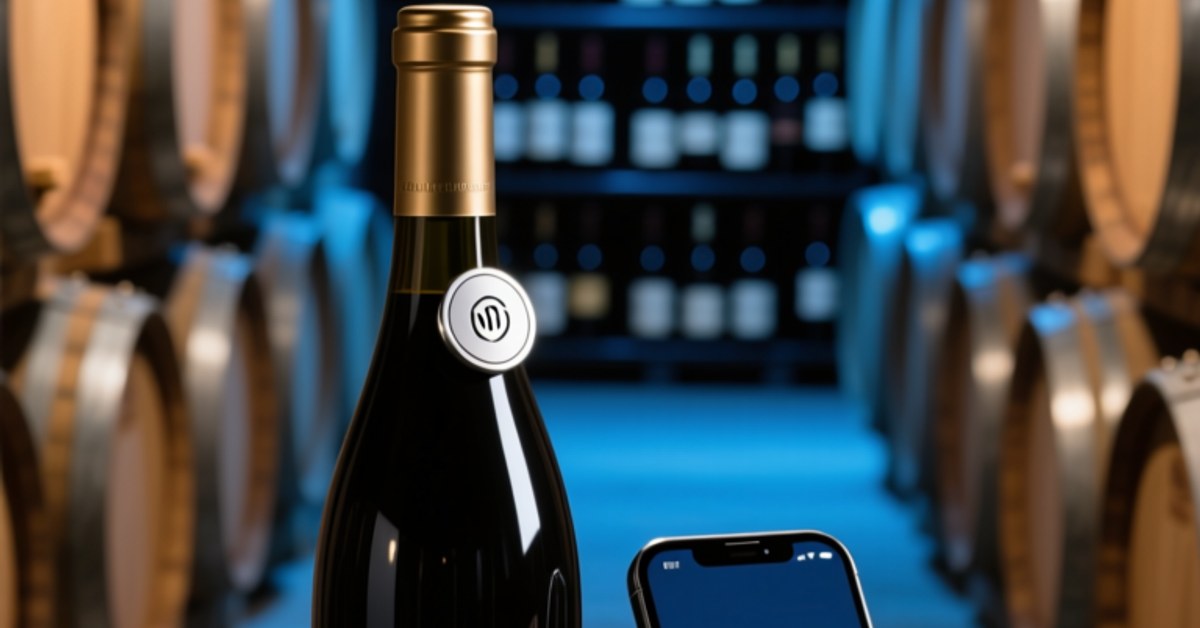
Les codes QR sont souvent commercialisés sous le nom d'« authentification numérique ».," mais il leur manque l'élément inviolable essentiel pour les environnements à enjeux élevés. Dans un incident bien documenté, des producteurs de vin contrefaits en Chine ont imprimé de véritables codes QR à partir de bouteilles authentiques et les ont apposés sur des contrefaçons; la page de vérification indiquait « authentique » à chaque fois. Sans identité ancrée matériellement, le système s'effondre. En outre, Les codes QR peuvent être remplacés après le point de vente, permettre des retours frauduleux ou des demandes de garantie.
Niveaux de sécurité des puces NFC: Choisir la bonne note
Toutes les implémentations NFC ne sont pas égales. Les équipes produit doivent adapter les capacités de sécurité de la puce au niveau de risque de la marque:
- Norme anti-contrefaçon (Série NXP NTAG): Fournit un numéro de série unique de 7 octets et une protection par mot de passe. Convient aux biens de consommation et aux accessoires de milieu de gamme.
- Cryptographie avancée (ADN ICODE NXP, ST25TA): Comprend un cryptage AES-128 intégré et une authentification mutuelle dynamique. Chaque analyse produit une réponse unique qui ne peut pas être rejouée. Idéal pour les montres de luxe, spiritueux haut de gamme, et produits pharmaceutiques.
- Éléments sécurisés de niveau bancaire (Infineon, NXP SmartMX): Fonctionne comme un microcontrôleur sécurisé dédié avec PKI, adapté aux secteurs réglementés et aux actifs de grande valeur.
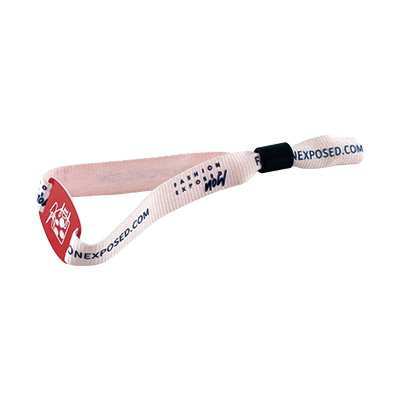
La gamme de produits NFCWORK inclut des balises avec ces différents niveaux de sécurité, ainsi qu'inviolable Bracelets NFC et Bracelets en silicone NFC pour les scénarios de contrôle d'accès aux événements et d'authentification portable. Pour une authentification de luxe, Les incrustations NFC intégrées à l'emballage créent un, contrôle discret qui renforce le prestige de la marque.
Cadre décisionnel: Comment choisir la bonne technologie
Utilisez la logique de sélection suivante pour aligner la technologie sur vos objectifs commerciaux.
- Si le coût est la priorité absolue et que la marge produit est très mince: Envisagez des codes QR sérialisés avec une plateforme d'analyse back-end robuste, mais accepte le risque du clonage. À combiner avec des marqueurs médico-légaux secrets pour une couche supplémentaire.
- Si une sécurité modérée et une reconnaissance de la marque sont nécessaires: Une approche à plusieurs niveaux utilisant des hologrammes et des balises NFC sur les SKU de grande valeur fournit une dissuasion visible et une vérification numérique.. De nombreuses marques de luxe s'associent avec succès Balises NFC avec une feuille holographique décorative pour une authentification à double effet.
- Si la conformité réglementaire et la confiance des consommateurs sont essentielles: NFC avec authentification cryptographique est la norme minimale viable. Le mandat du passeport produit numérique de l'UE ESPR recommande explicitement l'intégration d'identifiants électroniques sur les étiquettes imprimées.. Explorez la technologie NFC authentification des articles de luxe des solutions pour répondre à ces exigences.
Lors de l'évaluation des fournisseurs, demander la certification de sécurité du fabricant de la puce, support à l’intégration de vos systèmes ERP/MES, et la possibilité de schémas d'URL personnalisés qui améliorent l'expérience post-tap. Solutions de Technologie NFCWORK offrir une assistance de bout en bout, de la sélection des balises à l'infrastructure de vérification dans le cloud, garantissant que vous pouvez déployer sans chaînes d'approvisionnement fragmentées.
Pérenniser votre stratégie de protection de marque
La lutte contre la contrefaçon est une cible mouvante. La technologie que vous choisissez aujourd'hui doit s'adapter à l'évolution des menaces et à l'évolution des réglementations.. NFC fournit une plate-forme pour des mises à niveau continues : de nouveaux algorithmes cryptographiques peuvent être fournis en direct via des applications associées., et le matériel reste rétrocompatible avec la nouvelle génération téléphones intelligents. Alors que la réalité augmentée et les expériences de marque Web3 émergent, NFC agit comme un pont physique-numérique qu'un hologramme statique ou un code QR imprimé ne peut tout simplement pas imiter..
FAQ
Le NFC est-il plus cher que les hologrammes?
Le coût unitaire d’un tag NFC est supérieur à celui d’un hologramme basique, mais le coût total de possession est souvent inférieur si l'on prend en compte la réduction des pertes dues à la contrefaçon, données automatisées de la chaîne d'approvisionnement, et un engagement amélioré des consommateurs. Les balises NFC permettent également une valeur récurrente grâce aux services numériques post-achat.
Les codes QR peuvent-ils être suffisamment sécurisés pour la protection de la marque?
Les codes QR ne peuvent à eux seuls assurer la sécurité au niveau matériel. Bien que vous puissiez ajouter des serveurs de sérialisation et de validation, le tag physique reste copiable. Pour les industries où le clonage peut causer de graves dommages, NFC est l'approche recommandée.
Les consommateurs savent-ils comment utiliser NFC pour l'authentification?
Oui. Avec la multiplication des paiements sans contact et d'Apple Pay/Google Wallet, sur 91% des smartphones dans le monde prennent en charge la lecture NFC. Un simple message « appuyez pour vérifier » sur l'emballage suffit à guider les utilisateurs..
Quel est l'avantage du NFC par rapport au RFID pour la lutte contre la contrefaçon?
NFC opère à 13.56 MHz et est spécialement conçu pour l'authentification de proximité avec les smartphones grand public. RFID (UHF) est mieux adapté au suivi des stocks en vrac. Pour la vérification auprès du consommateur, NFC est la norme.
Comment NFCWORK peut-il aider à la mise en œuvre?
NFCWORK propose une gamme complète de Balises NFC, Autocollants NFC, Incrustations humides NFC, et Bracelets NFC conçu pour l'authentification. Nous proposons également des services de personnalisation de la mémoire, codage, et intégration cloud pour répondre à vos exigences de sécurité.
Protégez votre marque avec la bonne technologie d'authentification
Chez Technologie NFCWORK, nous comprenons l'équilibre nuancé entre le coût, sécurité, et expérience utilisateur. Notre équipe a aidé des marques mondiales dans le domaine du luxe, pharmaceutique, et les secteurs des biens de consommation déploient des solutions d'authentification NFC sécurisées qui réduisent la contrefaçon et renforcent la confiance des clients..
Contactez-nous pour une consultation ou explorez notre Portefeuille de produits NFC pour trouver le matériel adapté à votre projet.