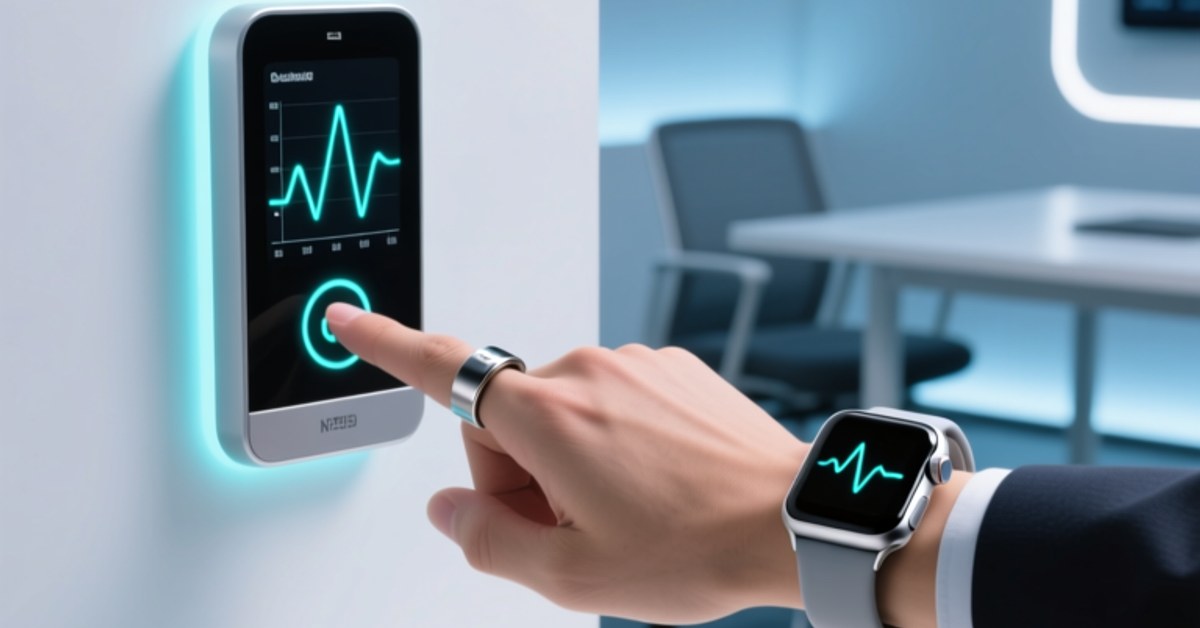
Le rôle croissant du NFC dans la technologie portable
La communication en champ proche a longtemps été associée aux paiements sans contact, mais son potentiel dans les wearables intelligents s'étend désormais à l'identité, contrôle d'accès, et surveillance de la santé. Pour les fabricants d’appareils portables et les chefs de produit, l'intégration du NFC ouvre une passerelle vers les applications d'entreprise et grand public qui exigent de la sécurité, simplicité, et échange de données instantané. Ce changement redéfinit ce qu'est une bague, bracelet, ou une montre intelligente peut faire bien plus que donner l'heure ou compter les pas.
Au cœur, un portable NFC abrite une minuscule étiquette passive ou active qui communique avec les lecteurs à courte distance. Avec la base installée mondiale de produits compatibles NFC téléphones intelligents et infrastructures, les appareils portables peuvent exploiter les écosystèmes existants pour les enregistrements à l'hôtel, insigne d'entreprise, authentification du club de fitness, et même l'appairage de dispositifs médicaux. La faible consommation de la technologie, protocoles standardisés, et des fonctionnalités de sécurité robustes le rendent idéal pour les appareils compacts, appareils toujours allumés.
Identité et accès: Votre portable comme clé
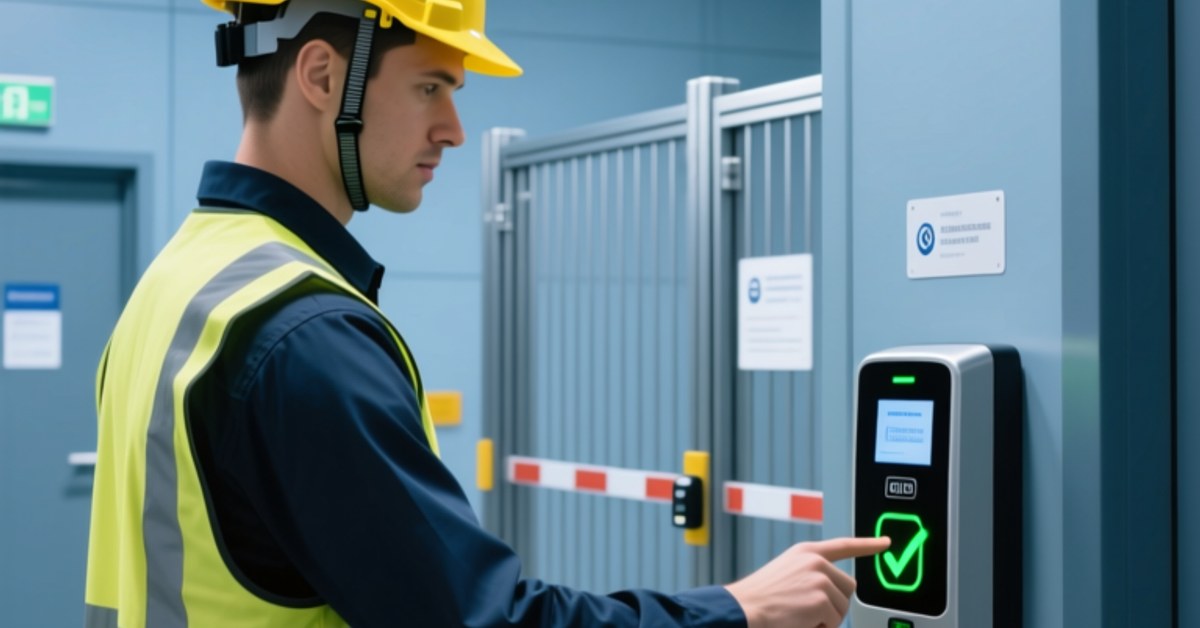
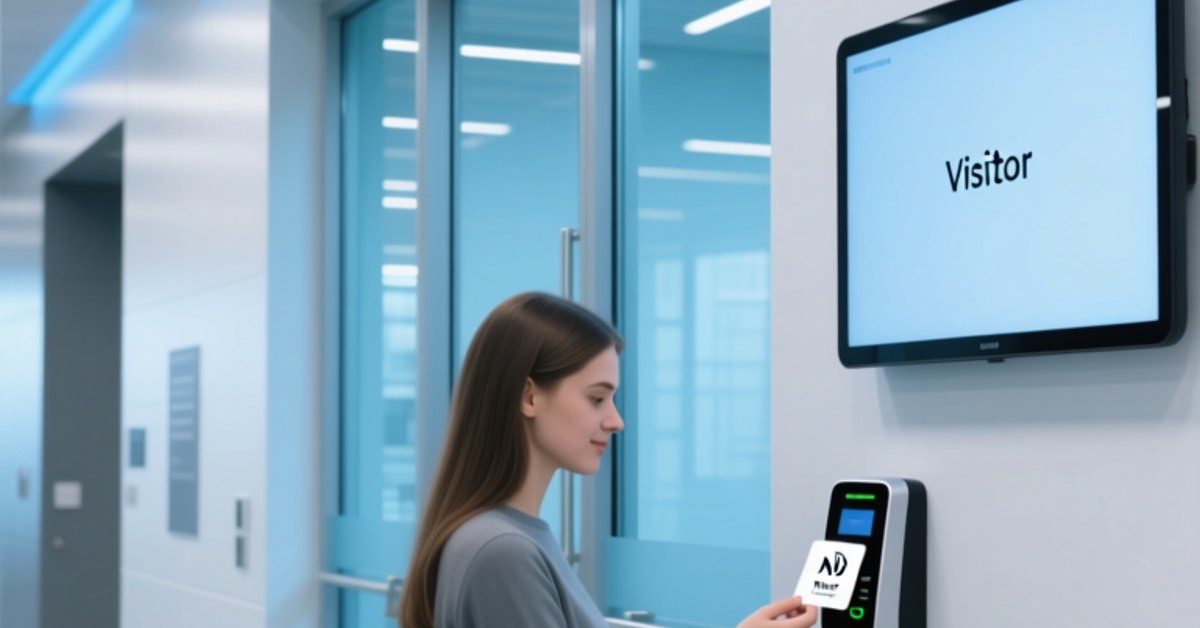
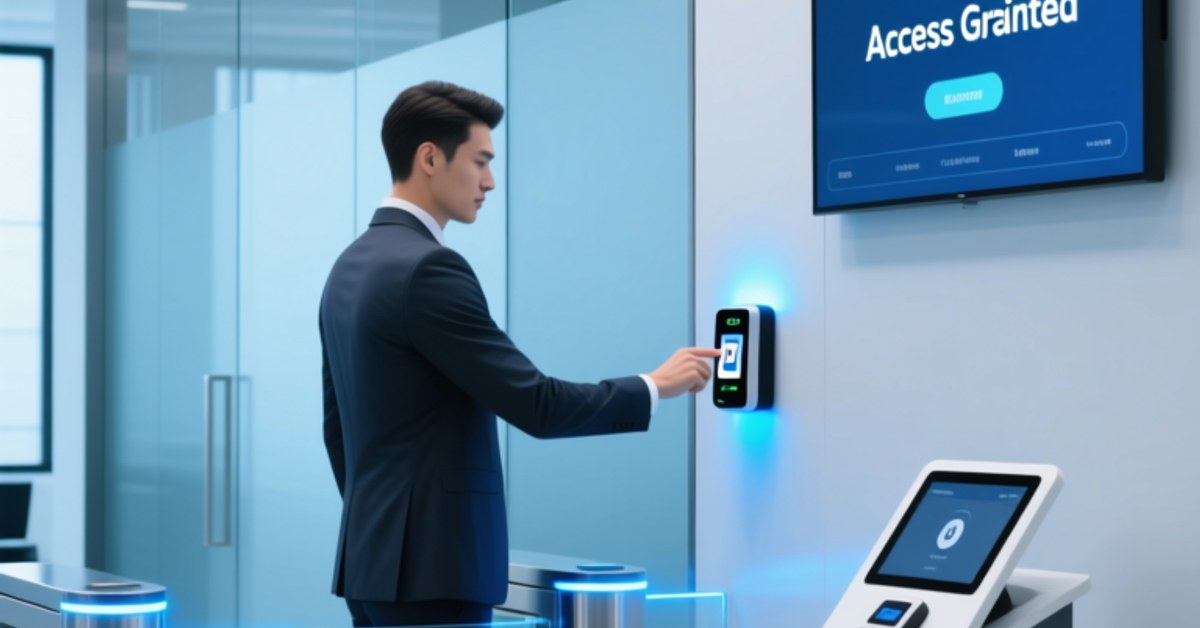
L'une des applications les plus intéressantes est l'identité et l'accès physique basés sur les appareils portables.. Au lieu de transporter des cartes ou de mémoriser des codes PIN, les utilisateurs peuvent s'authentifier en appuyant simplement sur une bague ou un bracelet intelligent NFC. Cela est passé rapidement d'une niche à un courant dominant dans plusieurs secteurs verticaux:
- Entreprise & accès au campus: Les employés utilisent Bracelets NFC ou des appareils portables de type porte-clés pour entrer dans les bureaux, garages de stationnement, et zones réglementées. L'intégration avec les systèmes de contrôle d'accès existants est simple grâce à des lecteurs compatibles ISO 14443 ou 15693 normes.
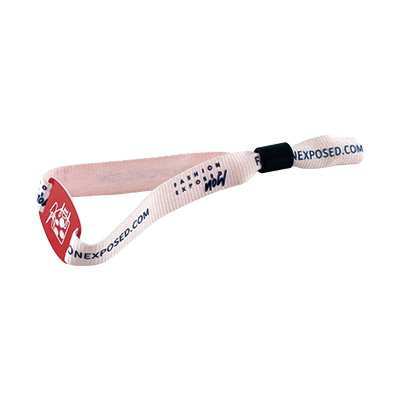
- Hospitalité & événements: Les hôtels délivrent des bracelets en silicone NFC qui font office de clés de chambre et de jetons de paiement sans espèces. Les festivals à grande échelle exploitent la même technologie pour les portes d’entrée, réduire les files d'attente et la fraude. (En savoir plus sur le NFC dans le divertissement intelligent)
- Adhésion & loyauté: Les gymnases et les clubs proposent des appareils portables NFC comme identifiant de membre pratique, combiner l'accès avec le paiement pour les distributeurs automatiques ou les zones premium. Chaque pression peut enregistrer la présence, personnaliser les paramètres de la machine, ou déclencher du contenu personnalisé.
Du point de vue de la sécurité, les appareils portables NFC modernes peuvent stocker des clés numériques protégées par cryptage et authentification mutuelle. Le lien vers le portefeuille numérique ou la plate-forme backend d'un utilisateur garantit une désactivation instantanée en cas de perte. Pour les OEM, concevoir un portable avec un élément sécurisé (comme une puce de la famille NXP NTAG DNA) ajoute une couche de confiance que les entreprises exigent.
Suivi de la santé: Faire le pont entre les technologies portables et les écosystèmes médicaux
Les appareils portables NFC deviennent des outils essentiels en matière de santé et de bien-être. Contrairement au Bluetooth, ce qui nécessite un appairage et consomme plus d'énergie, NFC permet une connexion rapide, échanges de données intentionnels : idéal pour les téléchargements sporadiques de données de santé ou la configuration d'appareils.
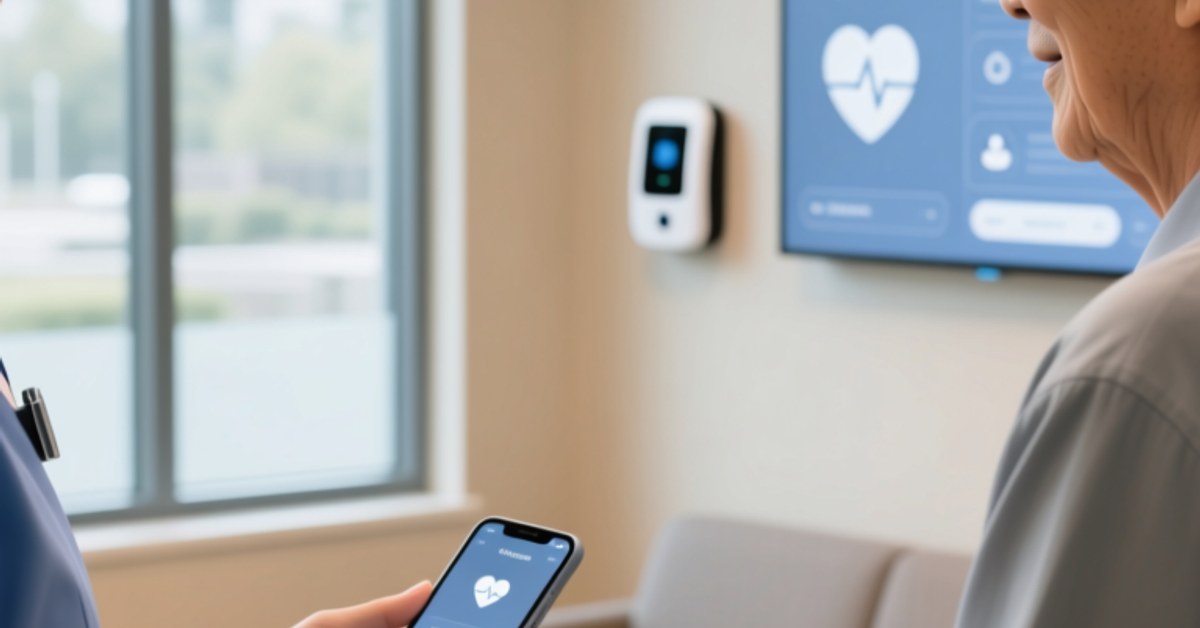
- Identification des patients: Un patient portant un bracelet NFC dans un hôpital peut être scanné à chaque point de service, connexion instantanée aux dossiers de santé électroniques. Cela réduit les erreurs et accélère le tri.
- Observance des médicaments: Les flacons de pilules intelligents ou les patchs portables utilisent NFC pour enregistrer la prise d'une dose. Un appui depuis une montre intelligente NFC peut transmettre des données à une application pour soignants.
- Aptitude & enregistrement des signes vitaux: NFC permet aux appareils portables tels que les bagues intelligentes de s'associer à des équipements de salle de sport, terminaux médicaux, ou des hubs domestiques pour la température corporelle, fréquence cardiaque, ou surveillance de la glycémie. La courte portée garantit la confidentialité et l’intentionnalité.
Les exigences techniques pour les applications en santé sont strictes: les étiquettes doivent résister à l’humidité, stérilisation répétée (pour bracelets patient réutilisables), et contact avec la peau. Les inlays NFC de qualité industrielle, tels que ceux encapsulés dans du silicone de qualité médicale, sont essentiels. Notre guide des tags NFC durables couvre ces spécifications en profondeur.
Considérations techniques pour l'intégration NFC portable
L'intégration du NFC dans un petit format comme une bague ou un bracelet fin nécessite une sélection minutieuse des composants.. Le tableau suivant résume les principaux aspects:
>
| Paramètre | Options typiques | Impact sur la conception portable |
|---|---|---|
| Puce NFC taper | NTAG 213/215/216 (standard), NTAG 424 ADN (sécurisé, crypté) | Taille de la mémoire, niveau de sécurité, et le coût; ADN recommandé pour les demandes d'identité. |
| Antenne | Bobine de cuivre gravée sur PCB flexible ou imprimée sur PET | Les facteurs de forme plus petits exigent des traces d'antenne plus fines et un réglage minutieux de la portée de lecture autour 1-3 cm. |
| Substrat & conditionnement | Incrustation encapsulée époxy, surmoulage de silicone, incrustation d'anneau en céramique | Exigences de durabilité (étanche, résistance aux chocs); les bracelets en silicone utilisent souvent des incrustations NFC préfabriquées pour une intégration simple. |
| Stratégie de puissance | Passif (récolté dans le champ des lecteurs) | Aucune batterie nécessaire; cependant, le NFC actif peut être utilisé dans les montres intelligentes pour le mode d'émulation de carte. Le passif est suffisant pour la plupart des tâches d’identité et d’accès. |
En plus, le portable doit être conforme aux normes du NFC Forum pour garantir l'interopérabilité. Pour les chefs de produits, travailler avec un fournisseur qui propose des incrustations NFC précertifiées réduit considérablement les délais de mise sur le marché. À RFIDHY, notre catalogue comprend une gamme d'inlays NFC conçus pour les appareils portables: des incrustations humides ultra fines pour les bracelets en cuir aux incrustations robustes pour les bracelets en silicone. (Découvrez les solutions NFC de RFIDHY)
Comment l'écosystème de produits RFIDHY accélère votre projet portable
Que vous prototypiez un anneau intelligent pour accéder à une salle de sport ou que vous mettiez à l'échelle une gamme de bracelets d'identification des patients, avoir les bons composants est crucial. Nos sites Web proposent une gamme complète de dispositifs portables et de composants NFC/RFID:
- Bracelets en silicone NFC: Confortable, étanche, et disponible en plusieurs couleurs – idéal pour l'hôtellerie et le contrôle d'accès. Notre usine précharge les identifiants uniques et encode les données en fonction des besoins de votre projet.
- Bagues intelligentes NFC: Anneaux en céramique ou époxy avec incrustations NFC haute performance intégrées, compatible avec les lecteurs Android et iOS.
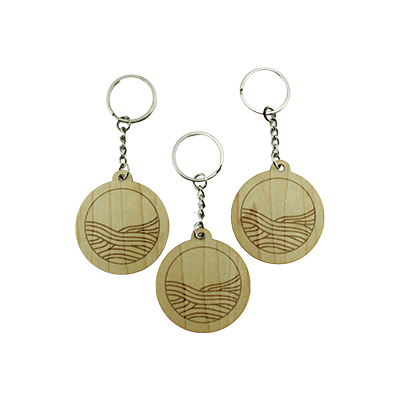
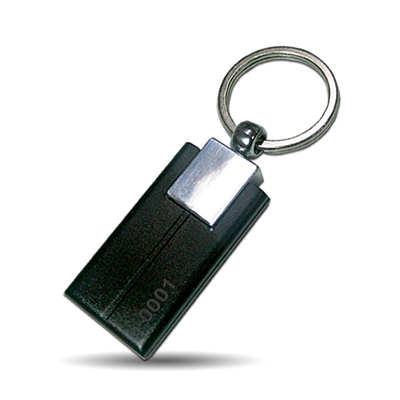
- Porte-clés NFC et des cartes: Pour les scénarios hybrides où les appareils portables complètent les jetons traditionnels.
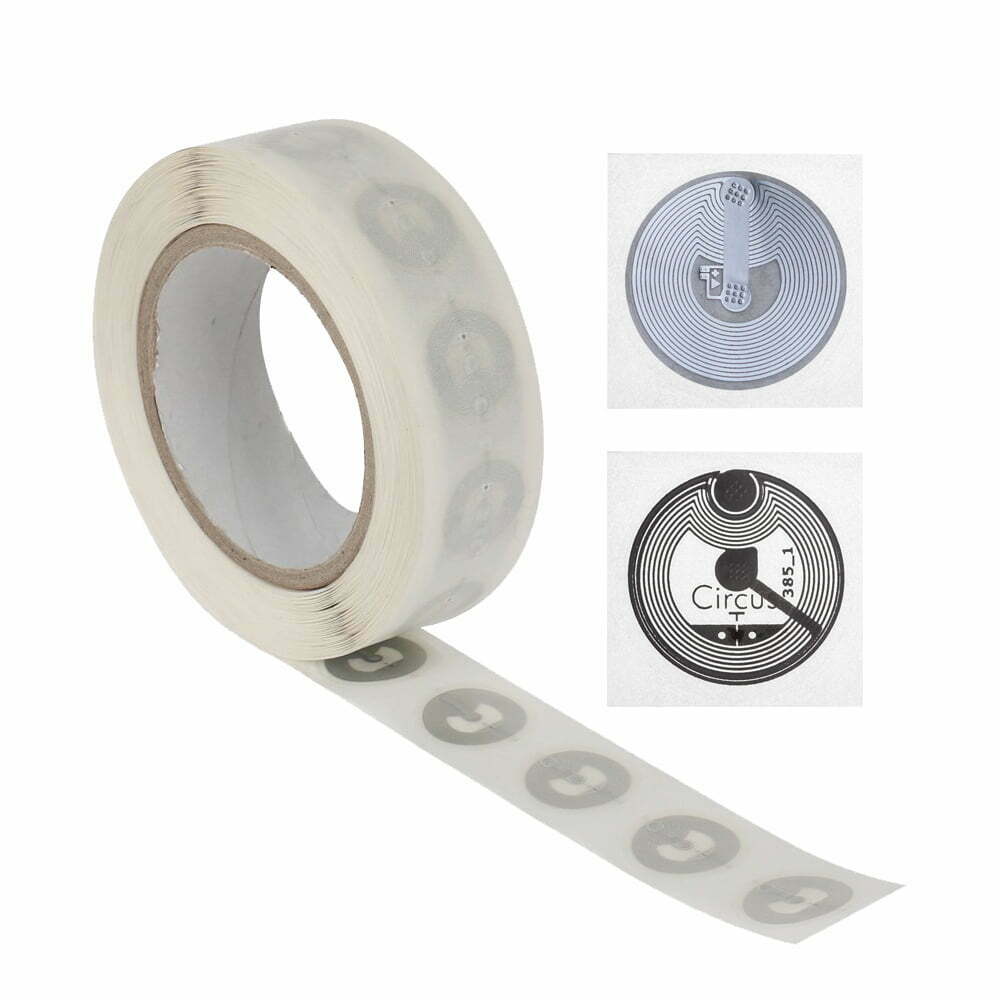
- Incrustations NFC personnalisées: Taille d'antenne personnalisée, ébrécher, et mémoire pour l'intégration dans votre propre boîtier portable.
Tous les produits s'appuient sur notre expertise en matière d'encodage NFC et de flexibilité de la chaîne d'approvisionnement.. Pour les entreprises ayant besoin d’un approvisionnement d’éléments sécurisé, nous prenons en charge les puces NXP DNA et pouvons gérer l'infrastructure de gestion des clés. Visite Page produit de NFCWORK pour notre gamme complète de wearables.
Choisir la bonne stratégie portable: Une comparaison rapide
>
| Type portable | Mieux pour | Points forts techniques |
|---|---|---|
| Bague intelligente NFC | Commodité, conception minimale, identifiant de salle de sport/d'adhésion | Passif, fonctionne sans batterie, Options d'anneau IP68 disponibles; utilise souvent NTAG 215/216 |
| Bracelet NFC | Événements, hôpitaux, utilisation sur plusieurs jours | Coupe ajustable, fermetures inviolables pour la sécurité; peut être pré-imprimé avec des codes QR et des données variables |
| Intégration de la montre intelligente NFC | Appareils multifonctions, santé + accéder | Élément sécurisé intégré, mode d'émulation de carte; peut stocker plusieurs cartes virtuelles |
| Patch ou étiquette compatible NFC | Observance médicale, enregistrement des données du capteur | Ultra-mince, flexible, peut inclure des capteurs; Interface I2C pour les données dynamiques |
Conclusion
Le NFC dans les wearables a mûri bien au-delà du mythe du tap-to-pay. Il offre désormais une réelle valeur commerciale grâce à une identité sécurisée, accès sans friction, et transfert de données de santé compatible HIPAA. Pour les OEM et les chefs de produits, l'opportunité réside dans le choix des bons composants NFC et dans la création d'expériences que les utilisateurs adoptent quotidiennement. À mesure que les infrastructures se développent, le portable qui ouvre une porte ou enregistre une lecture des signes vitaux deviendra aussi naturel que vérifier l'heure.
FAQ
- Une bague NFC peut-elle remplacer ma carte d'accès au bureau?
- Oui, si votre système de contrôle d'accès prend en charge les normes NFC telles que ISO 14443 (MIFARE). La bague doit être codée avec le format d’identification de votre établissement, et les lecteurs peuvent avoir besoin d'une mise à jour du firmware. De nombreux bâtiments commerciaux ont déjà adopté l'accès mobile, rendant l'intégration de l'anneau NFC simple.
- Les appareils portables de santé NFC nécessitent-ils des piles?
- Pas nécessairement. Passif Balises NFC n’ont pas besoin de piles : elles sont alimentées par le champ magnétique de l’appareil de lecture. Cela les rend parfaits pour les bagues et les bracelets utilisés pour l'identification des patients ou l'enregistrement rapide des données.. NFC actif (avec une batterie) est utilisé dans les montres intelligentes pour l'émulation de cartes, mais le téléchargement de données de santé via le robinet est généralement passif.
- Dans quelle mesure le NFC portable est-il sécurisé pour l'identité?
- La sécurité dépend de la puce NFC. Balises standards (NTAG 213/215/216) avoir des signatures d'originalité de base. Pour les applications d'identité haute sécurité, utiliser des puces comme NTAG 424 ADN prenant en charge le cryptage AES et l'authentification mutuelle. Combiné avec la validation côté serveur, Le NFC portable peut dépasser la sécurité du NFC traditionnel Cartes RFID.
- Quelle est la portée de lecture typique d'un portable NFC?
- La plupart des appareils portables NFC fonctionnent dans un rayon de 1 à 3 cm selon la conception de l'antenne, puissance du lecteur, et interférence métallique. Cette courte portée est intentionnelle pour la sécurité et la confidentialité. Pour le contrôle d'accès, c'est suffisant; Les données de santé Tap-to-Connect fonctionnent généralement à une distance de 1 à 2 cm..
- Puis-je obtenir des bracelets NFC personnalisés avec mon logo et des données préprogrammées?
- Absolument. RFIDHY et nos sites partenaires offrent une personnalisation complète: couleur, impression, codes QR variables, et pré-encodage des URL, Messages NDEF, ou clés sécurisées. Les quantités minimum de commande sont faibles, rendre le prototypage accessible. Visite Produits NFCWORK pour plus de détails.
Prêt à créer votre prochain portable NFC?
Que vous conceviez une bague intelligente pour les clubs membres, un bracelet pour un événement majeur, ou un bracelet d'identification patient pour un réseau hospitalier, les bons composants NFC sont essentiels. La gamme complète de RFIDHY — des incrustations NFC durables aux bracelets entièrement personnalisés — accélère votre développement et garantit la fiabilité.
Explorez les produits portables NFC ou Parlez à nos spécialistes