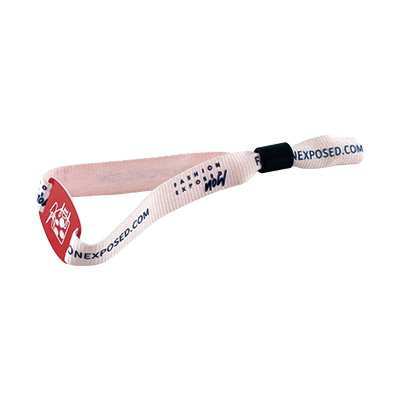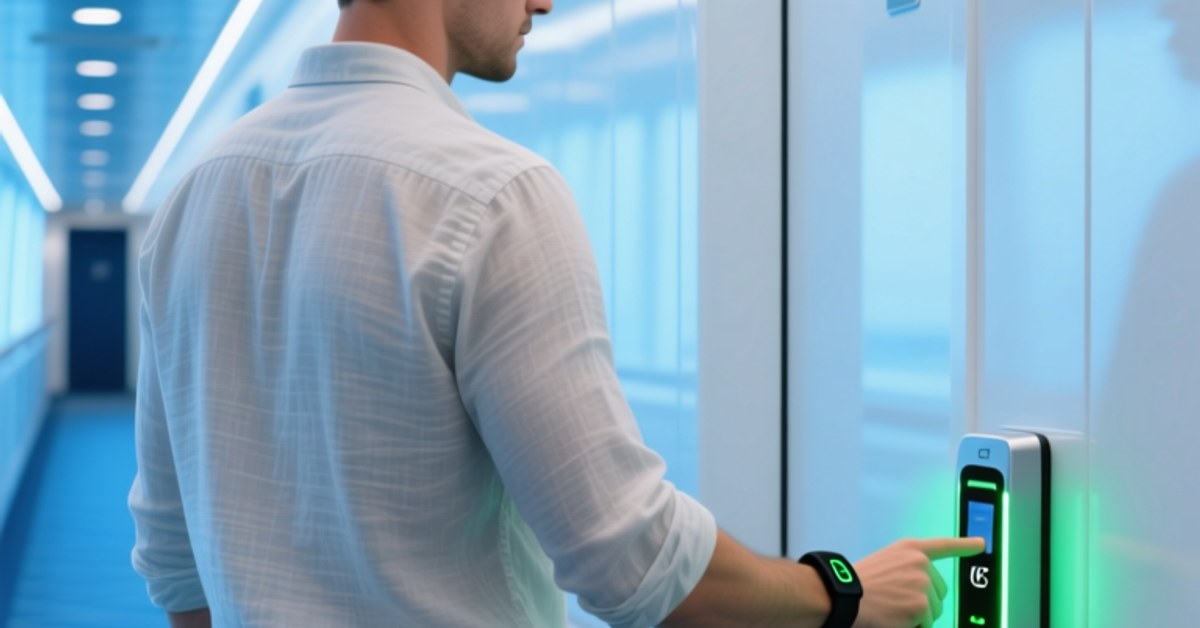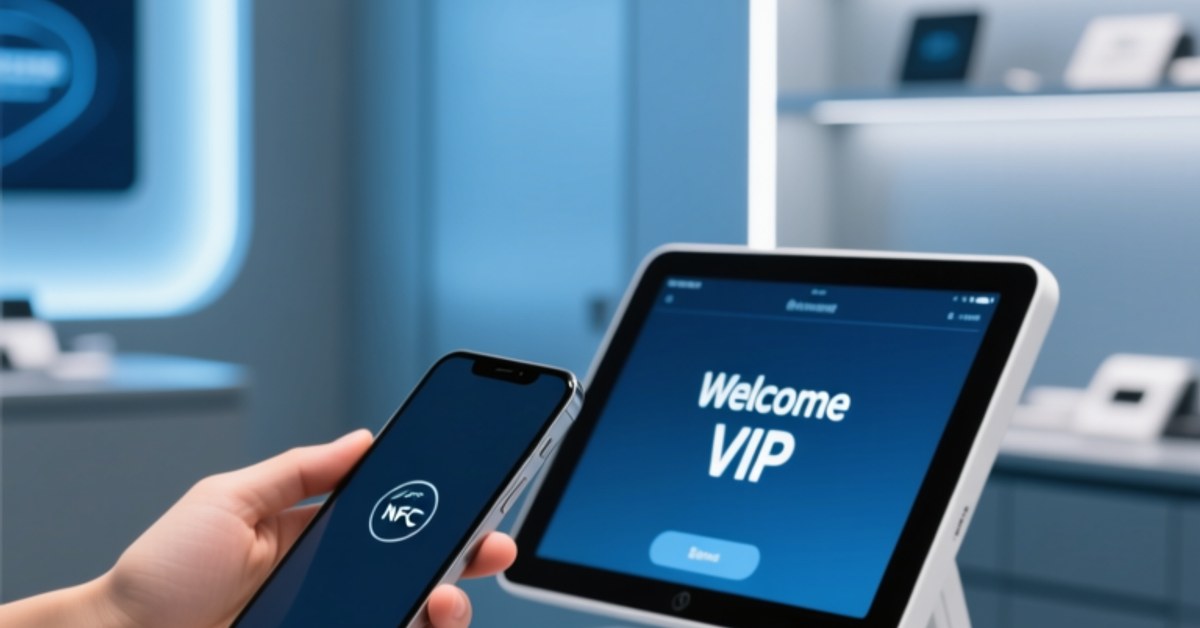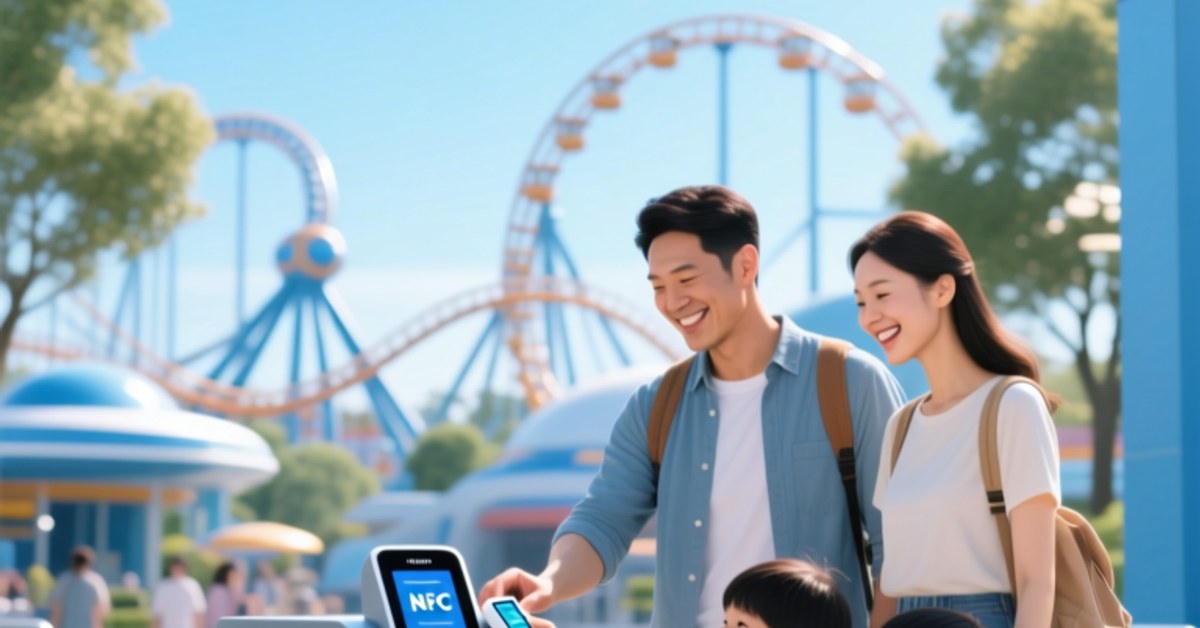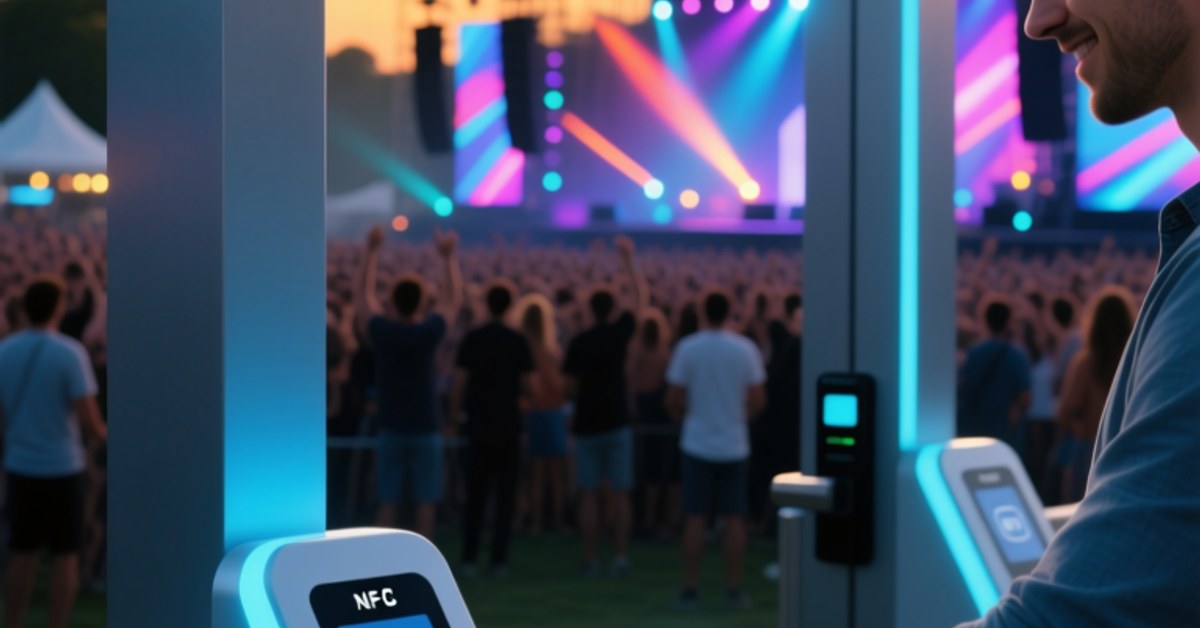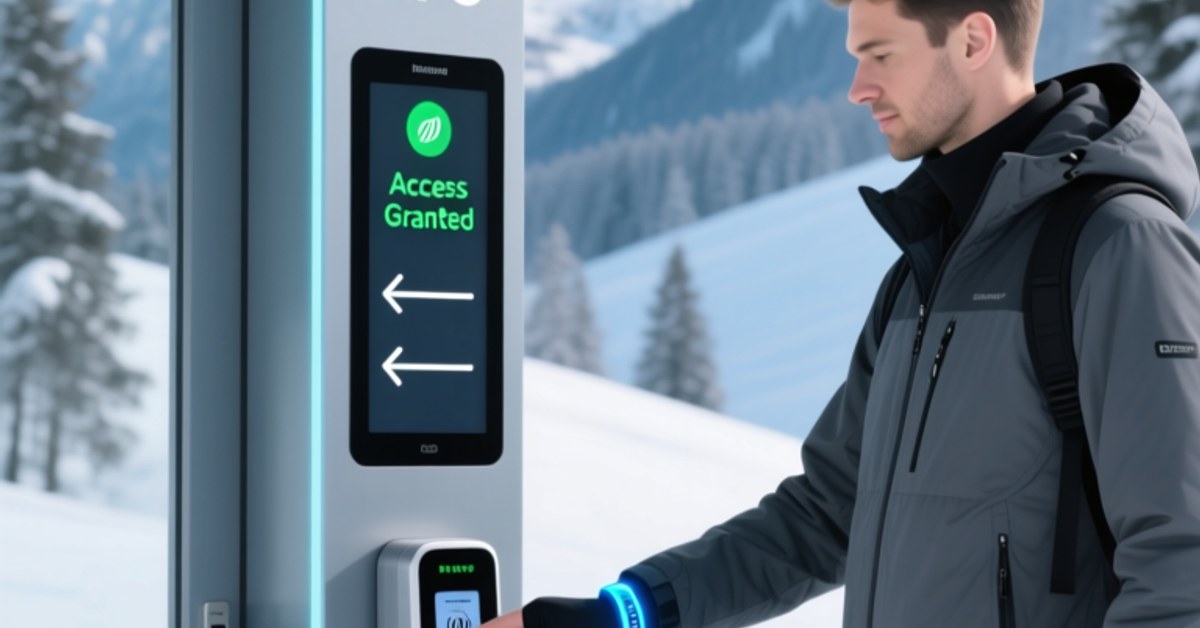
For ski resort operators, the guest journey covers more than snow quality. It includes arriving at the lift queue, storing equipment, buying food and beverages, using season passes, and getting through crowded spaces with minimum friction. NFC at ski resorts gives operators a unified way to manage those touchpoints. With a contactless wristband, resort staff can identify guests, open gates, assign lockers, and authorize payments without asking visitors to manage different tickets and cards.
Why NFC Is a Natural Fit for Winter Tourism
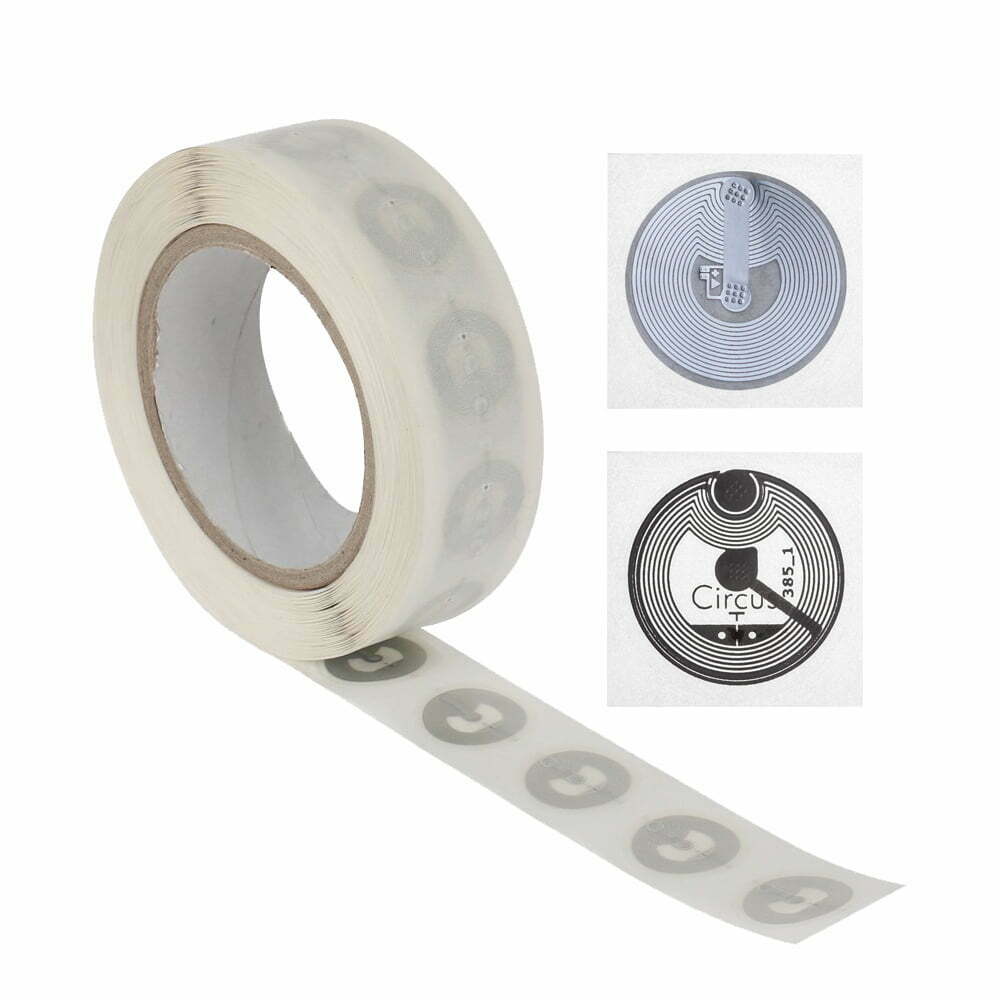
NFC, ou une communication sur le terrain, is a short-range contactless technology. A typical deployment combines an RFID/Bracelet NFC, un lecteur, and back-office software that controls access rights and guest accounts. Because NFC credentials can be encrypted and are unique, the system reduces unauthorized reuse and gives operators detailed control over who enters which area and when.
Winter tourism destinations demand durable components. Bracelets NFC are manufactured without paper elements that can be damaged by moisture. Silicone and PVC wristbands are strong enough for daily wear, and the NFC inlay is protected inside the band. This is why resorts increasingly consider an Bracelet RFID to be the default format for lift passes and guest credentials.
Lift Ticket and Gate Access with NFC
The most familiar use of ski resort NFC is lift pass access. Instead of a paper ticket that must be checked manually or inserted into a gate, each visitor receives an NFC wristband. The wristband contains an NFC inlay with a unique identifier. At the lift entrance, un fixe Lecteur RFID reads that identifier and checks it against the access-control database.
Lift operators can configure access products based on time, ski area, or number of entries. A day guest with an afternoon pass, Par exemple, can be denied access before the start time and allowed automatically once access begins. For season pass holders, the same wristband can remain active all season, reducing the time spent issuing paper passes.
At busy base areas, gate flow matters. Because NFC is a tap-and-go experience, staff do not need to examine each ticket. The gate software can also keep records of entries, which helps resort operators forecast demand and manage capacity on the mountain. Lecteurs fixes, similar to the RFID readers used in transit and event check-in systems, can be installed inside protective housings that are resistant to snow and moisture.
Cold Weather and Glove-Friendly Design
Skiers and snowboarders are often wearing several layers, and removing gloves to search for a phone or lift ticket is inconvenient. NFC wristbands are essentially a glove-friendly solution because they live on the wrist. Guests can wear an NFC silicone wristband above a jacket cuff or glove, making it easy to present to a gate reader.
Most NFC and RFID readers used for lift access operate at close range and do not require the user to touch a screen. There is no need to hold a phone at a specific angle or unlock a display. For thinner gloves, the credential can often be read while still on the wrist. For large mittens or waterproof shells, a small adjustment of the sleeve is enough to expose the wristband. This design simplicity keeps lift lines moving in cold weather.
Smart Ski Lockers and NFC Access
Another valuable Application NFC is ski locker management. Resorts often rent lockers for day visitors and season pass holders. Mechanical locks introduce a range of problems: lost keys, jammed locks, and no clear record of who is using which locker. Replacing those locks with NFC modules allows staff to assign a locker to a guest wristband in seconds.
The guest taps the wristband on the locker reader to open and close. When the rental period ends, the management system releases the locker. If a guest leaves a locker occupied overnight by mistake, staff can identify the credential and manage the exception straightforwardly.
NFC lockers are also useful for equipment rental flow. A guest wristband can be linked not only to a locker but also to the rental of skis, snowboards, or helmets. When the equipment is returned, the wristband credential deactivates those permissions. This streamlines end-of-day returns and reduces queuing at rental counters.
For back-of-house operations, Étiquettes RFID UHF can be placed on rental equipment, helping staff check inventory in the repair area and track cycles between huts and main rental stores. Standard RFID laundry tags can be used for staff uniforms and rental textiles that need to be cleaned after each use. These inventory tools pair well with an access control system built on NFC wristbands.
Mountain Dining and Retail Payments with NFC
Food and beverage outlets are a major part of mountain revenue. Lifts bring guests to remote dining points, where a wallet may be left in a downstairs locker. NFC can solve this by connecting the guest wristband to a cashless account. The design is similar to prepaid event systems: the wristband stores a virtual account reference, while the actual payment is managed on secure POS software.
At a restaurant counter, a guest taps the wristband on an NFC reader. The cashier sees the guest name and the available balance or spending authorization. Payment is approved instantly and the account linked to the wristband is updated. This speeds up the lunch rush and means fewer guests lose paper receipts.
Retail shops selling ski apparel, des lunettes, or souvenirs can use the same payment credential. The guest does not need a physical card at every outlet. If they want to add value, a top-up station or guest services desk can reload the account. Many resorts also use the same platform for staff dining areas and restricted access.
Season Pass Holder Benefits with NFC
Season pass holders are the loyal base of a winter resort. An NFC wristband can be a season-long membership credential, giving fast lift access, member pricing, and priority locker reservations. Because the wristband is durable and inexpensive to replace, resorts can keep guest services simple.
When a pass holder purchases a season pass online, the resort can issue a wristband with a unique serial number. At the first arrival, a guest services agent verifies identification and activates that serial number. From then on, the pass holder uses the wristband for gates, casiers, à manger, and retail, reducing the need to carry separate pieces of paper.
Resorts can also use NFC-enabled téléphones intelligents for account management or staff verification. Par exemple, a supervisor can scan a pass holder wristband with a phone to look up an account, update visitor information, or transfer locker access, without returning to a central desk. The same pattern supports staff-only zones and operational checkpoints. See our Smartphone compatible NFC page for more details on valid and versatile readers.
NFC dans les stations de ski: Product Categories and Typical Uses
The following table is a starting point for a resort design team.
>
| Zone de demande | Typical Product Category | But |
|---|---|---|
| Lift gates | NFC wristbands with embedded NFC inlays | Validates lift tickets and tracks entry |
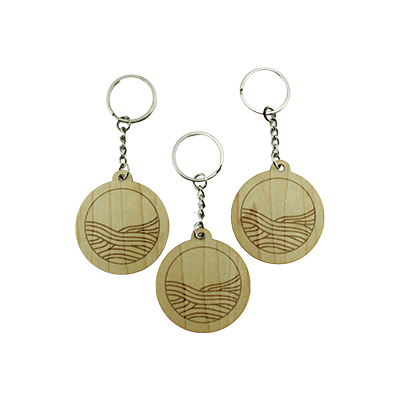
| Locker and rental management | NFC bracelets, cartes, ou porte-clés | Opens assigned lockers and grants rental permissions |
| On-mountain dining | Bracelets en silicone NFC | Replaces cash and cards at POS terminals |
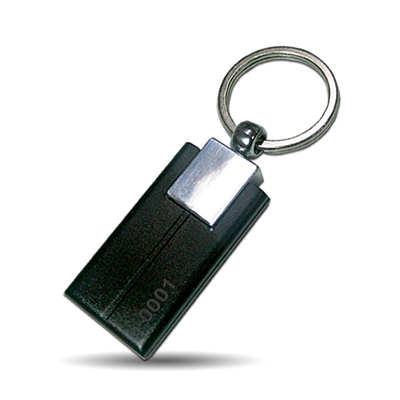
| Season pass services | Cartes NFC or durable keyfobs | Backup credentials and long-term pass experience |
| Back-of-house inventory | Étiquettes RFID UHF and RFID laundry tags | Tracks rental equipment, fournitures, and clean textiles |
Planning a Resort-Wide NFC Deployment
A successful NFC project at a ski resort requires coordination between hardware, logiciel, and operational processes. Operators should evaluate the following before rollout:
- Choose a credential standard. For guest-facing lift gates and payments, 13.56 MHz HF/NFC credentials are a common choice. They offer short read range and stronger access control. For inventory tracking, UHF RFID tags are usually more efficient.
- Consider installation locations. Fixed readers at lift gates should resist ice and moisture. Desktop RFID readers at rental shops need to be easy to connect to existing POS systems. Handheld RFID readers help staff check inventory or verify guest credentials outdoors.
- Plan the enrolment process. Guest services staff need a fast way to link a wristband to a ticket or account. Un bureau Lecteur RFID can be used to read the credential ID before assigning access rights.
- Select durable wristbands. Day guests may prefer a lightweight PVC band, while season pass holders may prefer a thicker NFC silicone wristband. The form factor affects the guest experience and cost, but the underlying technology remains the same.
- Intégration aux systèmes existants. Lift ticket software, affectation des casiers, and payment terminals should all talk to one account platform. A clean integration plan helps operators update or revoke credentials in real time.
Indoor and outdoor Applications NFC like these are part of the broader connected experience that resorts can deliver through visitor-facing technology. For related ideas, explorez notre Smart Entertainment page.
Finalement, NFC is not only a lift access tool. It is a modular platform that can increase operational control and improve the guest experience. Lift access at the gate, lockers in the village, and payments at a mountain restaurant can all be delivered through one digital identity. Winter destinations that plan this infrastructure now will be better prepared for the next generation of visitors.
NFC dans les stations de ski: Foire aux questions
Can guests keep their NFC wristbands on while wearing ski gloves?
Oui. Unlike phone screens or paper tickets, wristbands can be worn on the outer sleeve and simply presented to the reader. If hands are already exposed, guests can tap the band even while wearing thin gloves because NFC uses radio waves rather than optical recognition.
Can one NFC wristband handle lift access, casiers, and payments?
Oui, in an integrated system. The wristband carries an encrypted ID that is linked to a guest profile. The back-office decides if that ID has gate access, accès au casier, or payment rights. The same physical wristband can therefore be used for multiple services.
Do guests need a smartphone to use NFC at a ski resort?
Non. NFC wristbands include their own chip and antenna, so they operate independently of mobile phones. This makes the system suitable for children, older visitors, and people who do not want to carry a phone while skiing.
What happens if a guest loses their NFC wristband?
The resort can deactivate the old credential and issue a new wristband linked to the same guest profile. Un résistant Porte-clés NFC or card can also be kept in a locker as a backup. Because the wristband only stores an account identifier, the resort can revoke access quickly without replacing an entire ticket inventory.
Build a Smarter Ski Resort with NFCWORK Technology
Whether you are upgrading lift gates, introducing ski locker access, or planning contactless payments at mountain restaurants, the equipment choice makes the difference. RFIDHY provides NFC/Bracelets RFID, balises, lecteurs, and related products built for demanding environments. NFCWORK Technology can help you structure an end-to-end solution aligned with your winter tourism applications.