Introduzione: The Smart Home Consumables Challenge
Robot vacuums and floorcare devices have become indispensable in modern smart homes. As their adoption grows, so does the demand for consumables such as dust bags, panni per mop, and filters. These items are essential for maintaining peak performance, yet they also represent a significant aftermarket opportunity. Per i marchi, rivenditori, and aftermarket sellers, consumables offer recurring revenue and higher margins. Tuttavia, the market is also flooded with compatible and counterfeit parts that can damage devices, void warranties, and erode customer trust. NFC technology offers a powerful solution: by embedding Tag NFC into consumables, businesses can authenticate products, automate reordering, enhance machine interaction, e sostenere il riciclaggio. This guide explores how NFC is transforming robot vacuum and floorcare consumables.
Why Consumables Drive Aftermarket Revenue
In the smart home ecosystem, hardware sales are often a one-time transaction. Consumables, d'altra parte, generate continuous revenue. Dust bags need replacement every 1–3 months, mop pads may last only a few weeks, and filters require periodic changes. This creates a predictable, recurring revenue stream that boosts customer lifetime value. Inoltre, consumables typically carry higher profit margins than the devices themselves. For retailers and aftermarket sellers, offering genuine consumables is a way to maintain customer relationships and differentiate from low-quality alternatives. But how can brands ensure customers buy genuine parts? NFC provides a direct link between the physical consumable and digital verification.
- Recurring revenue: Regular replacement cycles create predictable sales.
- Higher margins: Consumables often yield better profitability than hardware.
- Customer retention: Auto-reorder and reminders keep customers engaged.
- Tutela del marchio: NFC authentication combats counterfeits and unauthorized compatible parts.
Genuine vs Compatible Parts: NFC as an Authentication Layer
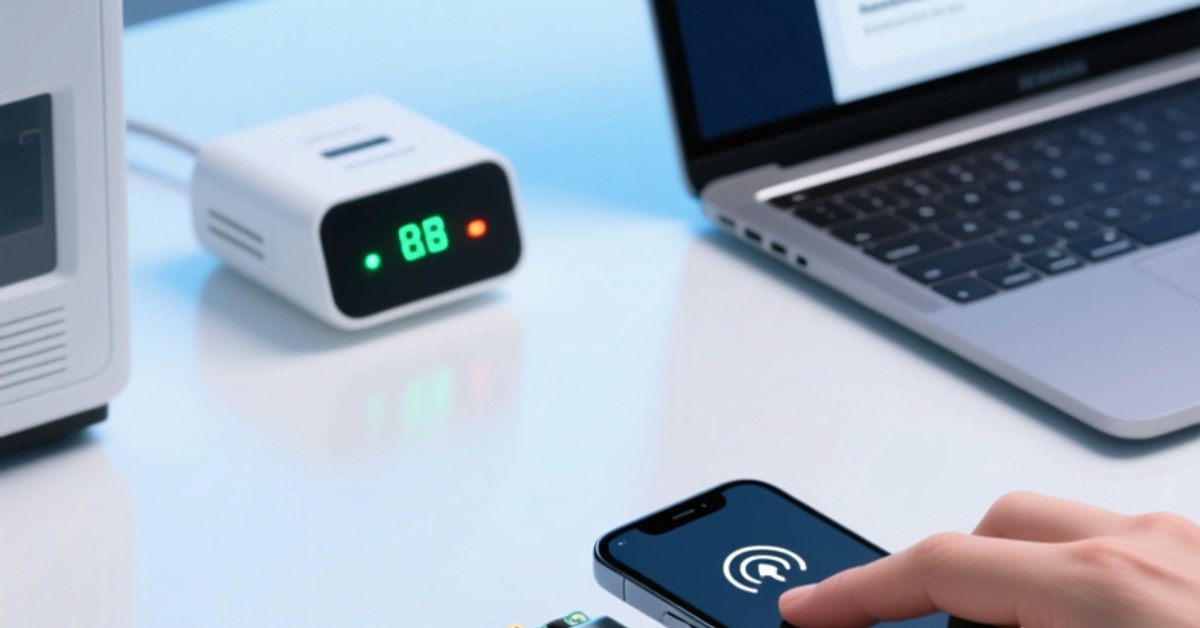
The floorcare aftermarket is rife with compatible parts that claim to fit major brands. While some third-party options are legitimate, many are counterfeit or substandard, leading to poor cleaning performance, device damage, and safety risks. Per i marchi, distinguishing genuine parts from imitations is challenging. Tag NFC embedded in dust bags, panni per mop, and filters can carry a unique digital identity. When a user taps their smartphone or the robot vacuum’s dock reads the tag, the system verifies authenticity in real time. This not only protects consumers but also safeguards brand reputation and warranty programs.
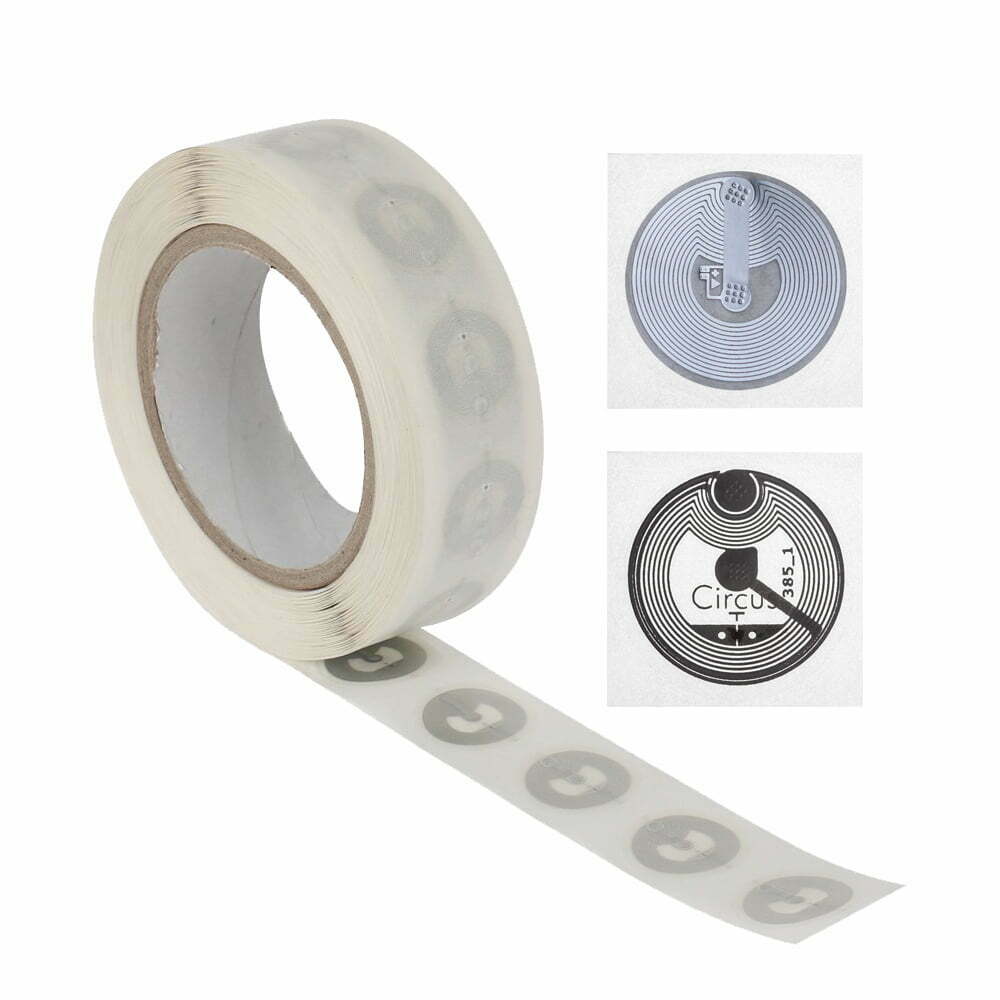
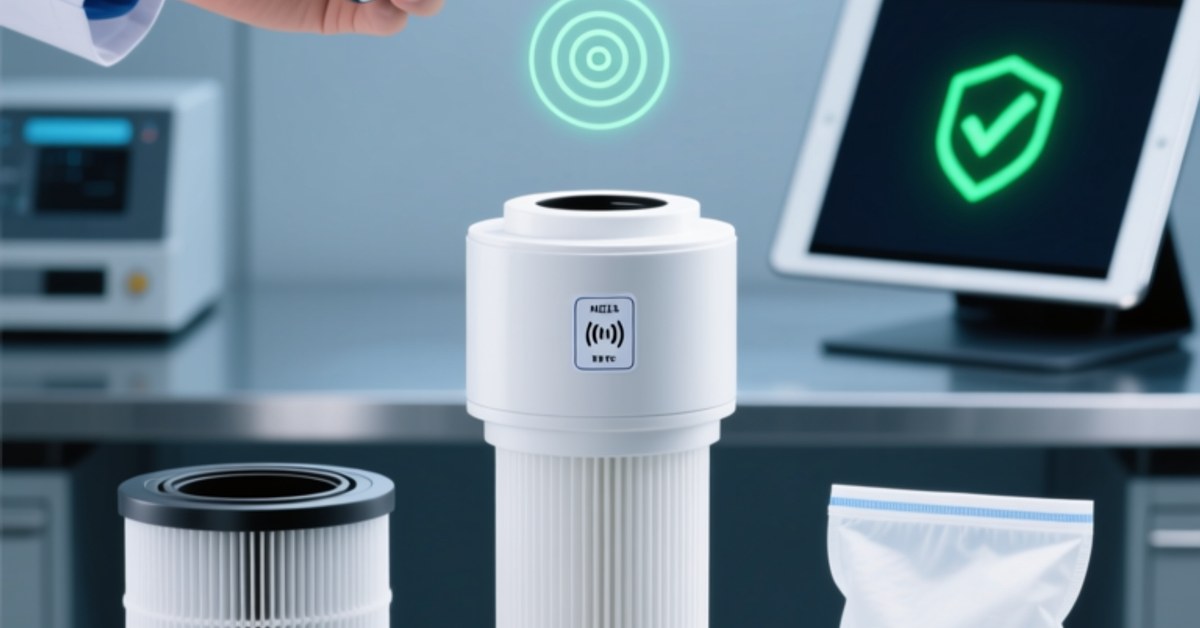
Tag NFC, such as those offered by Nfcwork, can be integrated into consumables as stickers, intarsi, or durable labels. For dust bags, a small Adesivo NFC on the bag’s collar can be scanned before installation. Mop pads can incorporate a flexible NFC inlay that withstands moisture. Filters can use heat-resistant NFC tags. Each tag can be encoded with a unique ID, numero di lotto, and manufacturing date, enabling full traceability.
>
| Consumable | Integrazione NFC | Authentication Benefit |
|---|---|---|
| Sacchetti per la polvere | Adesivo NFC on bag collar | Verifies genuine bag, prevents use of counterfeit bags that may leak. |
| Mop pads | Flexible NFC inlay sewn into pad | Ensures microfiber quality and machine compatibility. |
| Filters | Heat-resistant NFC tag on frame | Confirms HEPA grade and proper fit. |
Replacement Reminders and Auto-Reorder: NFC-Powered Convenience
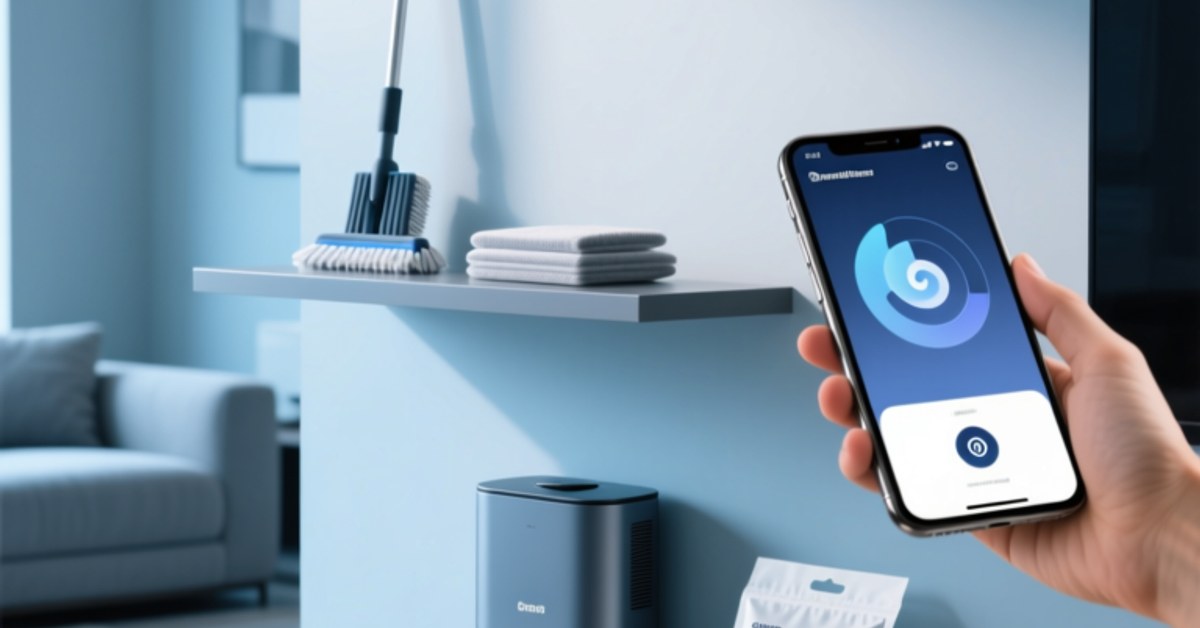
One of the biggest pain points for robot vacuum owners is knowing when to replace consumables. NFC technology can automate this process. When a consumable with an NFC tag is installed, the robot vacuum or dock can read the tag and record the installation date. The companion app can then estimate the remaining lifespan based on usage data and send a reminder when replacement is due. Even better, the app can offer a one-tap reorder option. For users, this eliminates guesswork and ensures the device always runs with genuine parts. Per i marchi, it creates a seamless reorder channel that increases sales and reduces churn.
Imagine a user receives a notification: ‘Your dust bag is 80% full. Tap to reorder a genuine replacement.’ A tap on the notification opens the app, pre-filled with the correct model. The user confirms, and the new bag arrives with an NFC tag ready to be scanned. This level of convenience is a competitive differentiator in the smart home market. It also allows brands to offer subscription models, further stabilizing revenue.
Dock and Machine Interaction: How NFC Enables Smart Recognition
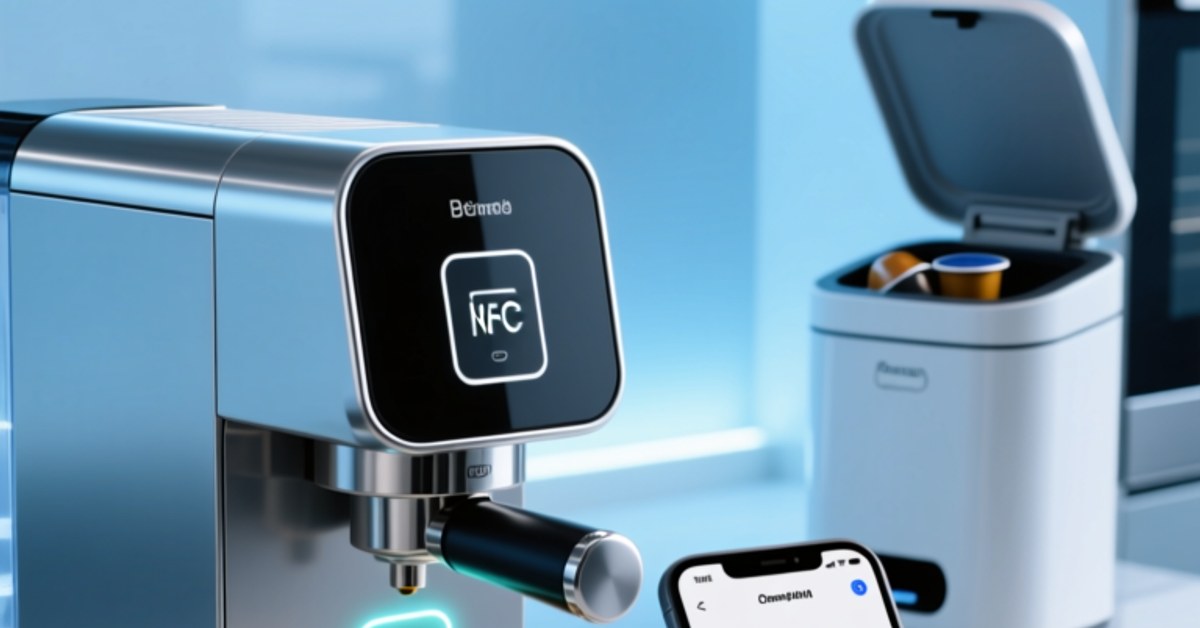
NFC isn’t just for authentication and reordering; it can also enhance the interaction between consumables and the machine itself. Modern robot vacuum docks are increasingly sophisticated, featuring auto-empty, mop washing, and drying functions. By integrating an NFC reader into the dock or the robot, the system can detect which consumable is installed and adjust settings accordingly. Per esempio, if a user inserts a mop pad designed for deep cleaning, the robot might increase water flow and scrubbing intensity. If a standard dust bag is detected, the dock can optimize suction power to match the bag’s capacity.
This machine-to-consumable communication ensures optimal performance and prevents damage. It also opens the door to personalized cleaning routines. Brands can offer premium consumables that unlock special features, creating a tiered product ecosystem. Lettori NFC, such as those from Rfidhy, can be embedded into docks. These readers are compact and can read NFC tags at close range, making them ideal for consumable recognition.
Recycling and Waste: NFC for a Circular Economy
Floorcare consumables often end up in landfills, contributing to environmental waste. NFC tags can support recycling efforts by storing material composition and disposal instructions. When a consumable reaches end-of-life, the user can tap the tag to access recycling guidance. In some regions, NFC can even facilitate deposit-return schemes or recycling rewards. This aligns with the growing regulatory push for Digital Product Passports (Dpp), which require detailed product information throughout the lifecycle. For more on Dpp, vedi il nostro Passaporto dei prodotti digitali pagina. By embedding NFC tags, brands demonstrate environmental responsibility and meet emerging compliance requirements.
Inoltre, NFC can help track recycled content. Ad esempio, a mop pad made from recycled plastic could have an NFC tag that verifies its recycled content percentage. This transparency builds trust with eco-conscious consumers and supports a circular economy for smart home consumables.
Implementing NFC in Robot Vacuum Consumables: Considerazioni pratiche
Tag Selection and Placement
Choosing the right NFC tag depends on the consumable. Dust bags are typically made of paper or non-woven fabric; a flexible NFC sticker or inlay works well. Mop pads require tags that can withstand repeated washing and moisture; NFC inlays encapsulated in waterproof material are suitable. Filters need tags that tolerate heat and airflow; specialized NFC tags with adhesive backing can be attached to the frame. Placement should be consistent to ensure reliable reading. For dust bags, the collar is ideal. For mop pads, a corner or edge is common. For filters, the outer frame is best. Tag NFC da RFIDTAGHY offer various form factors, including NFC stickers and inlays, to fit different consumables.
Reader Integration
To read the tags, you need NFC readers in either the robot vacuum, the dock, or a smartphone. Smartphone are the most accessible, as most modern phones support NFC. For automatic recognition, an NFC reader module can be integrated into the dock. This module reads the tag when the consumable is inserted. The data is then sent to the cloud for verification and tracking. Per i marchi, this means designing hardware with NFC capabilities or providing a companion app that guides users to scan tags manually. The investment is relatively low, and the benefits—authentication, reorder, and enhanced user experience—are substantial.
Data and Privacy
NFC tags can be static (sola lettura) or dynamic (riscrivibile). For authentication, a unique static ID is often sufficient. Tuttavia, dynamic tags can update usage data, such as remaining capacity. Privacy must be considered: the tag should not store personal data. Invece, it should contain a reference ID that links to a secure cloud database. This approach protects user privacy while enabling powerful features.
Analisi costi-benefici
Integrating NFC tags into consumables adds a small cost per unit—typically a few cents—but delivers significant value. Brands can reduce counterfeit losses, increase reorder rates, and gather valuable usage data. Retailers can offer authenticated products and build customer loyalty. Aftermarket sellers can differentiate by offering genuine, NFC-verified parts. The return on investment is often realized quickly through improved customer retention and incremental sales.
Conclusione: The Future of Smart Home Consumables is NFC-Enabled
As robot vacuums and floorcare devices continue to evolve, consumables will play an increasingly important role in the smart home ecosystem. NFC technology offers a simple yet powerful way to authenticate genuine parts, automate reordering, enhance machine interaction, and support sustainability. Per i marchi, rivenditori, and aftermarket sellers, integrating NFC into dust bags, panni per mop, and filters is not just a technical upgrade—it’s a strategic move to build trust, drive recurring revenue, and differentiate in a competitive market. By partnering with experienced Soluzione NFC providers like NFCWORK Technology, you can bring these benefits to your customers.
FAQ
What is NFC for robot vacuum consumables?
NFC (Comunicazione vicino al campo) for robot vacuum consumables refers to embedding small NFC tags into items like dust bags, panni per mop, and filters. These tags can be read by smartphone or NFC readers in the vacuum dock to authenticate the product, track usage, and trigger reordering.
How does NFC authentication work for dust bags?
Each dust bag with an NFC tag contains a unique digital ID. Quando scansionato, the system checks this ID against a secure database to verify it is a genuine part. This prevents counterfeit bags from being used, which could damage the vacuum or reduce performance.
Can NFC tags on mop pads trigger auto-reorder?
SÌ. The robot vacuum or companion app can monitor usage and, when the mop pad nears the end of its life, send a reminder. A tap on the notification can automatically reorder a replacement, often pre-filled with the correct model.
Are NFC tags durable enough for wet mop pads?
SÌ, when properly encapsulated. Waterproof NFC inlays or tags with protective coatings can withstand moisture and repeated washing. They are designed to remain functional throughout the life of the mop pad.
What are the benefits of NFC for floorcare brands?
Brands benefit from reduced counterfeiting, increased consumable sales, improved customer retention, and valuable usage data. NFC also enables premium features and subscription models, creating new revenue streams.
How does NFC support recycling of consumables?
NFC tags can store material composition and recycling instructions. When a consumable is finished, users can tap the tag to learn how to recycle it properly. This supports circular economy goals and helps brands comply with Digital Product Passport regulations.
Which NFC products are best for floorcare consumables?
Adesivi NFC, intarsi flessibili, and durable tags are ideal. For dust bags, NFC stickers work well. For mop pads, waterproof NFC inlays are recommended. For filters, heat-resistant NFC tags are suitable. Suppliers like NFCWORK and RFIDTAGHY offer a range of NFC tags and inlays for these applications.
Do users need a special app to read NFC tags?
Most modern smartphones have built-in NFC readers. Brands can integrate reading functionality into their existing companion app, so users simply tap their phone to the tag. No additional hardware is needed for basic authentication.
Ready to Integrate NFC into Your Floorcare Consumables?
NFCWORK Technology specializes in NFC tags, intarsi, and reader solutions for smart home consumables. Whether you are a robot vacuum brand, a retailer, or an aftermarket seller, we can help you design and implement NFC-enabled dust bags, panni per mop, and filters. Our solutions support authentication, auto-reorder, dock interaction, and recycling compliance.
Contattaci today to discuss your project, o esplora il nostro Prodotti NFC E soluzioni per saperne di più.