Pourquoi le doigt bat le poignet: Le potentiel inexploité des appareils portables NFC Ring
Bracelets, porte-clés, et les portefeuilles pour smartphones dominent la conversation sur les appareils portables depuis des années. Pourtant, pour de nombreuses interactions quotidiennes : payer le café, déverrouiller une porte de bureau, ou vérifier son identité dans une salle de sport : le facteur de forme le plus intuitif est celui que nous utilisons depuis des millénaires: la bague. Un anneau NFC déplace la technologie passive sans contact sur le doigt, combinant la vitesse d'un robinet avec un facteur de forme qui n'a jamais besoin d'être sorti d'un sac ou d'une poche. Pour les startups de matériel portable, entreprises de technologie financière, et intégrateurs de contrôle d'accès, Les anneaux NFC représentent une opportunité unique d'offrir des expériences utilisateur fluides et plus naturelles, sont plus difficiles à perdre, et s'intègre sans effort dans les routines quotidiennes.
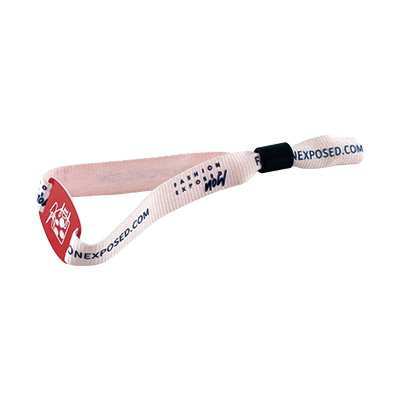
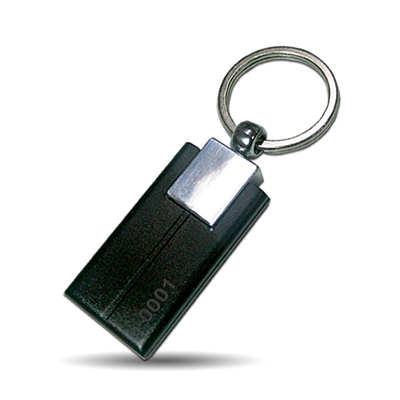
À RFIDHY, nous avons vu à quel point Appareils portables NFC-depuis Bracelets NFC à Porte-clés NFC—peut transformer l’accès et l’engagement. La bague, cependant, ajoute une couche de permanence personnelle que les autres appareils portables ne peuvent égaler. Cet article plonge dans les avantages uniques du facteur de forme en anneau, cas d'utilisation réels couvrant les paiements, accès physique, transit, et identité, et des considérations de conception clés pour aider les équipes produit à créer des solutions sécurisées, des solutions durables que les utilisateurs voudront réellement porter tous les jours.
Les avantages uniques du facteur de forme en anneau
Qu'est-ce qui différencie une bague intelligente d'une montre intelligente ou d'une carte? Ce n’est pas seulement une question d’esthétique : le facteur de forme en anneau introduit une ergonomie concrète, comportemental, et des avantages opérationnels qui ont un impact direct sur l'adoption par les utilisateurs et la fiabilité du système.
Toujours disponible, Zéro friction
Contrairement à un téléphone qui vit dans une poche ou à un bracelet qui peut interférer avec les manches, une bague NFC reste au doigt 24/7. Les utilisateurs n'ont pas besoin de récupérer un appareil; ils tendent simplement la main à un lecteur. Cette posture « toujours disponible » élimine les étapes du flux d'interaction, réduire le temps de transaction et supprimer les obstacles qui peuvent amener les utilisateurs à abandonner un système. Pour les opérateurs de transport en commun ou les gestionnaires d’immeubles, la différence entre une pression de 2 secondes et une tâtonnement de 5 secondes avec un téléphone peut définir le débit aux heures de pointe.
Passif, Fonctionnement sans batterie
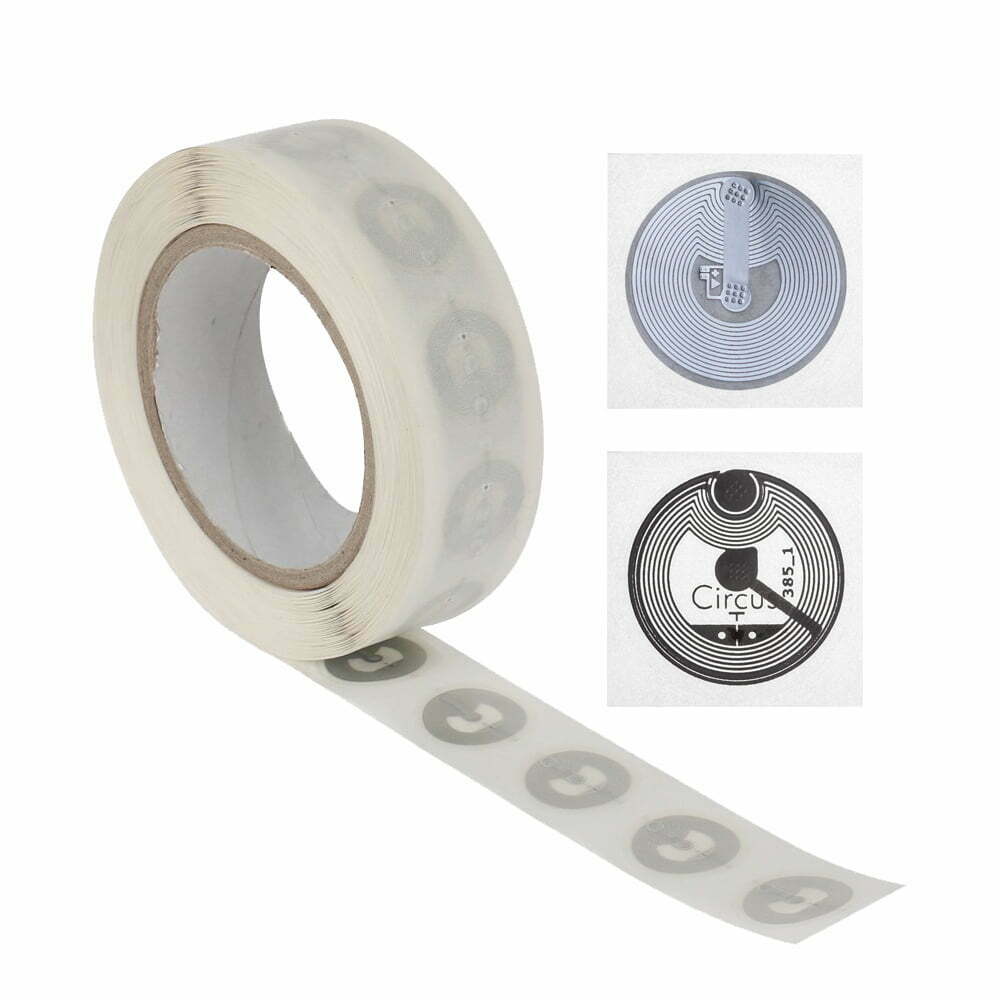
Les anneaux NFC fonctionnent sans source d'alimentation interne. Ils récupèrent l’énergie du champ RF du lecteur, tout comme un Étiquette NFC intégré dans un Autocollant NFC ou Incrustation NFC. Cela signifie pas de charge, pas de dégradation de la batterie, et pas de remplacement prévu. Pour les chefs de produits, la nomenclature (Nomenclature) reste mince, l'imperméabilisation devient plus simple, et les coûts de maintenance à long terme diminuent considérablement. Lorsqu’il est conçu correctement, un anneau NFC passif peut durer aussi longtemps que le corps en métal ou en céramique qui l'abrite.
Intuitif, Geste culturellement familier
Les bagues ont une signification symbolique et fonctionnelle depuis des siècles. Le fait de taper avec une bague contre un lecteur semble naturel : une extension d'une interaction humaine semblable à une poignée de main.. Cela réduit la courbe d'apprentissage et renforce la confiance des utilisateurs, en particulier dans les applications destinées aux consommateurs comme paiements sans contact ou programmes de fidélité. Entreprises Fintech intégrant Paiement par anneau NFC les solutions signalent souvent des taux d'inscription plus élevés lorsque le jeton ressemble à un accessoire personnel plutôt qu'à un autre gadget à gérer.
Risque réduit de perte et d’égarement
Les cartes tombent; les bracelets sont oubliés. Une bague qui reste au doigt toute la journée, pendant les averses, séances d'entraînement, et le sommeil – a un taux de perte nettement inférieur. Pour les environnements de contrôle d’accès (gymnases, espaces de coworking, campus d'entreprise), cela se traduit par moins de coûts de réémission et moins de pression sur les ressources du service d'assistance. Les intégrateurs peuvent également associer l’identifiant unique de l’anneau à un seul utilisateur sans se soucier du partage de jetons., renforcer les pistes d'audit.
Discret et élégant
Les anneaux NFC modernes sont fabriqués à partir de matériaux comme la céramique, titane, et acier inoxydable hypoallergénique, conçu pour ressembler à des bijoux traditionnels. Cet attrait esthétique les rend adaptés aux environnements de haute sécurité où la technologie manifeste pourrait ne pas être la bienvenue. (hôtels de luxe, clubs privés) et pour les consommateurs soucieux de la mode qui ne porteraient jamais de bracelet en plastique. Le facteur de forme d'anneau portable comble ainsi le fossé entre le jeton d'identité de qualité industrielle et l'accessoire du quotidien.
Cas d'utilisation des paiements: Transformer l'anneau en compagnon de portefeuille numérique
Les capacités de paiement en anneau NFC comptent parmi les moteurs d’intérêt commercial les plus convaincants.. En chargeant un identifiant de carte tokenisé sur un élément NFC sécurisé, une bague peut émuler une carte bancaire sans contact ou un instrument propriétaire à valeur stockée.
Dans un déploiement typique, l'anneau NFC contient un élément sécurisé qui stocke les applets de paiement conformes aux spécifications sans contact EMVCo. Lorsque vous appuyez sur un terminal POS standard, la transaction se déroule comme n’importe quel paiement sans contact par carte. Les institutions financières qui explorent déjà des projets pilotes de paiement portable ont constaté que les utilisateurs dépensent plus fréquemment et présentent une plus grande rigidité de portefeuille lorsqu'un anneau remplace une carte en plastique traditionnelle.. La raison est simple: la bague est toujours à portée de main, effectuer des transactions spontanées de faible valeur (café, transit, vente) sans friction tout en conservant la même sécurité cryptographique qu'une carte à puce.
Pour les environnements en boucle fermée : cafétérias d'entreprise, campus universitaires, propriétés de villégiature : un anneau NFC peut servir de jeton à valeur stockée lié à un Paiement sans numéraire NFC système. Contrairement à une application pour smartphone qui nécessite des contacts sur l'écran et des déverrouillages biométriques, un paiement en anneau est une action en un seul clic qui ne interrompt pas le flux de l'utilisateur. Cela le rend idéal pour les lignes à grande vitesse et les restaurants à service rapide où chaque seconde compte.
Les équipes produit développant une plateforme de paiement en anneau NFC doivent examiner attentivement le processus de provisionnement.. La tokenisation en direct via une application mobile associée est désormais standard, permettant aux utilisateurs de gérer quelle carte ou quel compte est lié à l'anneau. L'anneau lui-même reste un vaisseau passif, mais l'application devient le centre de contrôle des contrôles de solde, historique des transactions, et désactivation à distance. Cette architecture maintient l'anneau simple et la sécurité gérable, toutes les opérations sensibles étant effectuées côté serveur ou dans l'environnement d'exécution fiable du smartphone de provisionnement.
Accès aux portes et transit: Repenser l'interaction physique avec les espaces
Le contrôle d'accès est le domaine où les anneaux NFC brillent vraiment. Le geste – tapoter la main sur un lecteur – est déjà un modèle mental pour la plupart des gens grâce à la saisie des cartes sans contact.. L'anneau supprime simplement le besoin de porter un identifiant distinct.
Accès aux bureaux et aux entreprises
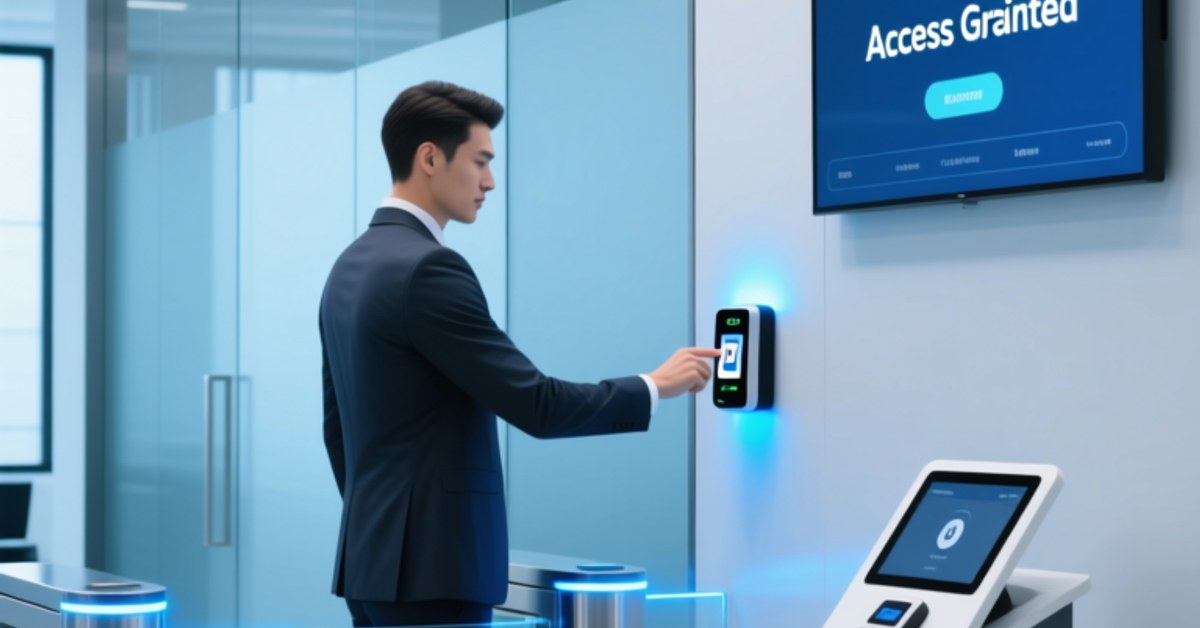
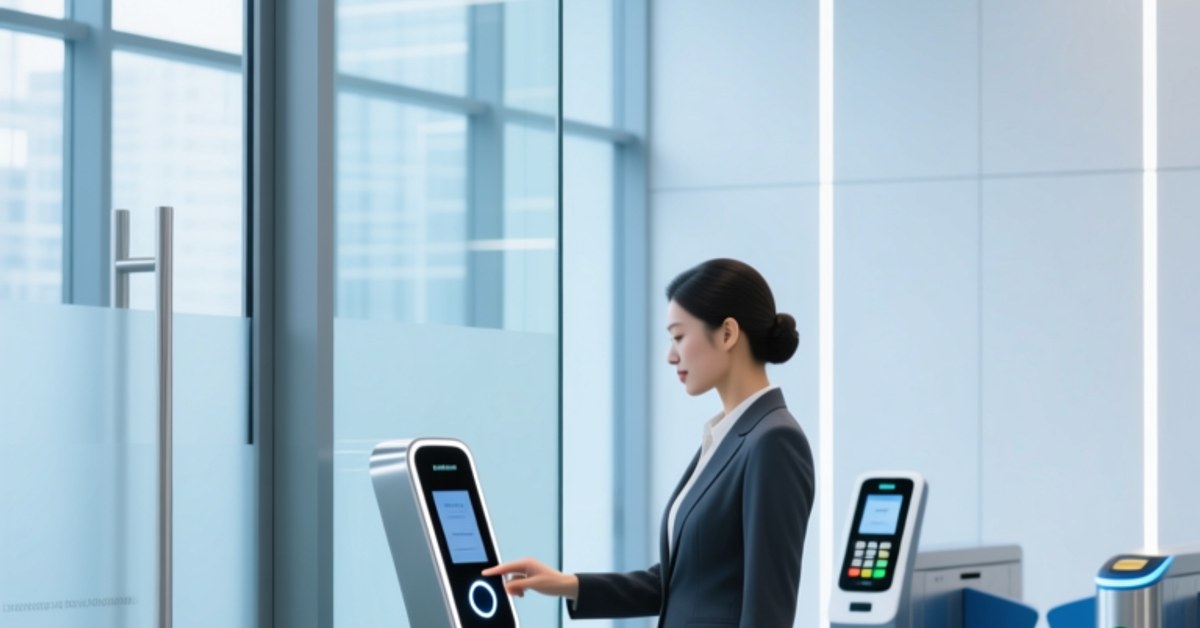
Les bureaux modernes abandonnent les badges en plastique pour devenir plus flexibles accès portable solutions. Un anneau NFC peut contenir plusieurs clés d'accès: un pour l'entrée du bâtiment, un autre pour les zones à plancher restreint, et un troisième pour les portails de stationnement. Les intégrateurs peuvent encoder ces clés en utilisant des formats standards (MIFARE DESFeu, ADN NTAG, ou enregistrements NDEF personnalisés) qui fonctionnent avec les lecteurs existants, éliminant le besoin de révisions des infrastructures. Contrairement à un identifiant d'accès mobile basé sur un smartphone qui peut souffrir de batteries déchargées ou de retards de couplage Bluetooth., l'anneau fournit une réponse instantanée « sur le lecteur » sans dépendance à l'état d'alimentation du combiné.
Pour les lieux de travail hybrides où les employés partagent un bureau partagé et ont besoin d'un accès temporaire à des ressources partagées (casiers, imprimantes, salles de réunion), la présence persistante de la bague sur le doigt garantit une expérience utilisateur cohérente sans la frustration des badges oubliés. Les journaux d'accès peuvent être liés directement à l'UID de l'anneau de l'individu, et parce que les bagues sont rarement prêtées, le système obtient un niveau de confiance d'identité plus élevé.
Billetterie de transports en commun et d’événements de masse
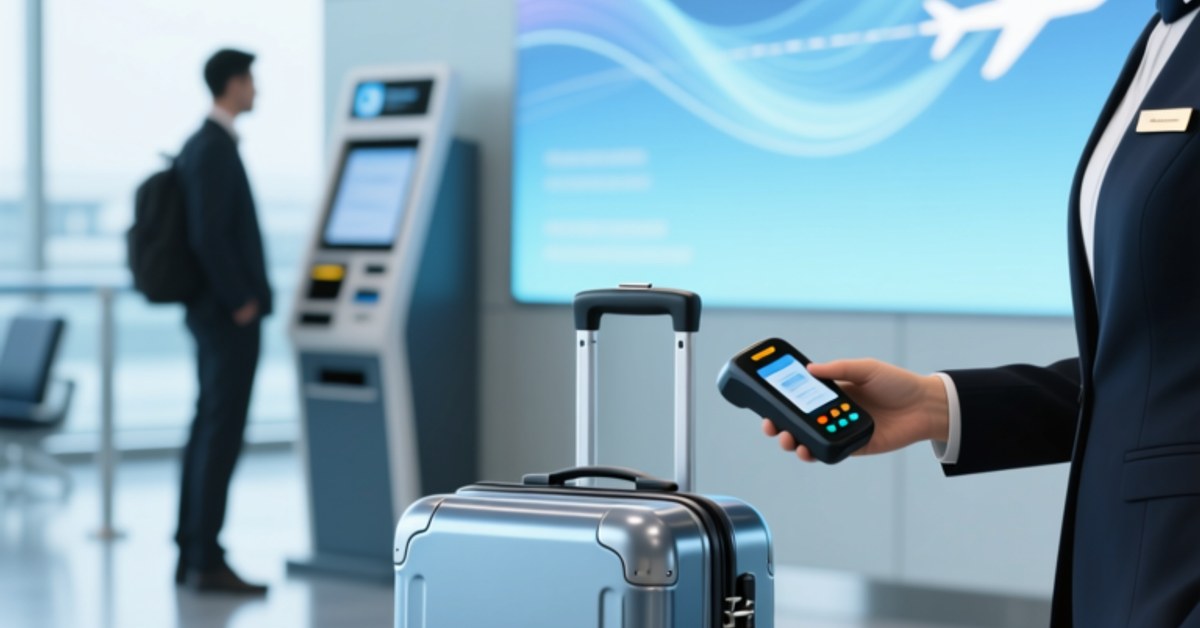
Les systèmes de transport en commun du monde entier évoluent vers une billetterie basée sur un compte qui prend en charge une variété de médias, y compris les appareils portables. Un anneau NFC codé avec une application spécifique aux transports en commun peut remplacer une carte tarifaire pour entrer et sortir des bus., les trains, et les ferries. La nature toujours disponible de l'anneau signifie que les navetteurs ne manquent jamais un clic car leur carte est enfouie dans un sac..
De la même manière, lors de grands événements – festivals, conférences, stades—Bracelets NFC sont déjà populaires pour l'accès et les paiements sans numéraire. Les anneaux NFC offrent la même fonctionnalité mais avec une plus longue durée de vie., facteur de forme réutilisable. Les organisateurs d'événements peuvent émettre des bagues comme identifiants VIP ou comme laissez-passer pour plusieurs jours, améliorant la sensation haut de gamme tout en réduisant les déchets plastiques. Post-événement, l'anneau peut être réapprovisionné pour des applications compagnons ou des programmes de fidélité, prolonger sa durée de vie au-delà d’un seul événement.
Vérification d'identité: Relier l’identité numérique au doigt
Au-delà d’ouvrir des portes et de déplacer de l’argent, l'anneau NFC peut porter des attributs d'identité cryptographiquement vérifiables. Identité de l'anneau NFC les cas d'utilisation couvrent l'accès logique (connexion aux systèmes), vérification de la présence physique (enregistrement dans une salle de sport ou un hôpital), et même la génération de signatures numériques.
Dans les environnements d'entreprise, un anneau NFC portant un authentifiant compatible FIDO2 ou un certificat compatible PIV peut servir de jeton monofacteur ou multifacteur sans mot de passe. Lorsque vous appuyez sur un ordinateur portable ou une tablette compatible NFC, l'anneau présente un identifiant de clé publique qui prouve la présence de l'utilisateur sans saisir de mot de passe. Parce que la clé privée ne quitte jamais l’élément sécurisé de l’anneau, les menaces de phishing sont pratiquement éliminées. Pour les administrateurs informatiques, la gestion des informations d'identification en anneau via une infrastructure MDM ou PKI centralisée est simple et réduit la charge de travail du support technique liée à la réinitialisation des mots de passe.
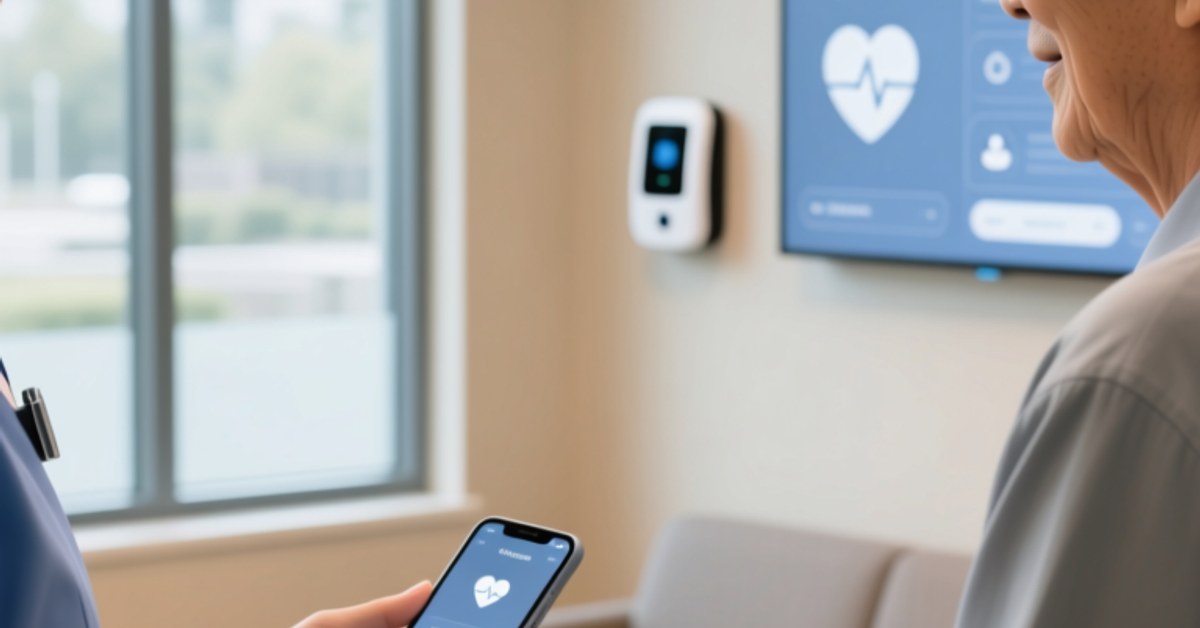
Dans les établissements de santé et de remise en forme, un anneau NFC peut stocker des informations d'adhésion et des indicateurs de consentement liés à la santé. Un membre du gymnase appuie sur l'anneau à l'entrée pour enregistrer sa visite, et le même appui sur un équipement connecté identifie l'utilisateur pour des paramètres d'entraînement personnalisés. Les hôpitaux peuvent émettre des bagues pour les patients liées aux identifiants du dossier médical et permettre une vérification de l'identité dans le respect de la confidentialité aux kiosques.. Dans tous ces scénarios, la bague reste avec la personne, honorant le principe selon lequel l'identité doit être aussi personnelle et persistante que l'individu qu'elle représente.
Durabilité et usage quotidien: Concevoir un anneau qui dure
Aussi brillante que soit la technologie, un portable échouera s’il ne peut pas survivre à la vie quotidienne. Un anneau NFC doit résister à l’eau, transpirer, impacts, et l'exposition aux produits chimiques, tout en maintenant des performances RF fiables.
Sélection des matériaux
Les anneaux NFC de haute qualité sont généralement fabriqués en céramique (zircone) ou des métaux de haute qualité comme le titane et l'acier inoxydable 316L. Ces matériaux résistent aux rayures, ternir, et corrosion, les rendant adaptés à 24/7 porter. La céramique offre un avantage supplémentaire: il est transparent aux RF, ce qui signifie que l'antenne NFC peut être intégrée à l'intérieur de l'anneau sans problèmes de blindage métallique. Les anneaux métalliques nécessitent une conception d'antenne soignée, intégrant souvent un blindage en ferrite et une fente soigneusement placée, mais peut toujours offrir une excellente plage de lecture lorsqu'il est conçu correctement.
Résistance à l'eau et à l'environnement
Parce que les anneaux NFC sont passifs et ne contiennent pas de batterie, atteindre la résistance à l’eau est plus simple qu’avec des appareils portables électriques. Un anneau NFC correctement scellé peut facilement répondre aux normes IP68, survivre à une immersion dans l'eau douce à des profondeurs au-delà 1 mètre. Les utilisateurs peuvent se doucher, nager, et se laver les mains sans souci. L'absence de ports de chargement élimine un point d'entrée commun pour l'humidité et la poussière, améliorant encore la longévité.
Tests d'usure quotidiens
Pour les équipes produit entrant dans l’espace, il est essentiel d’effectuer des essais d’usure approfondis. Variables telles que la rotation de la bague au doigt, la présence de lotions ou d'huiles, et le contact métal sur métal avec les poignées de porte influencent tous les performances RF.. Dans des bagues bien conçues, la plage de lecture reste stable dans une grande variété de conditions réelles. La performance est également liée au lecteur: une haute qualité Lecteur NFC avec une ouverture d'antenne généreuse compensera de nombreuses variables environnementales. Le partenariat avec des experts en solutions RFID qui peuvent fournir des conseils sur la correspondance des étiquettes de lecteur est une étape cruciale pour les intégrateurs..
Aperçu de l'architecture de déploiement
>
| Couche | Composants clés | Considération de conception |
|---|---|---|
| Matériel d'anneau | Passif Étiquette NFC ébrécher, antenne, corps en céramique/métal | Réglage de la fréquence, imperméabilisation, optimisation de la plage de lecture |
| Élément sécurisé | DESFire EV3, ADN NTAG, Applet de carte Java | Cryptage, défi-réponse, conformité (EMVCo, FIDO2) |
| Infrastructure des lecteurs | Lecteurs NFC, terminaux de paiement, panneaux d'accès | Compatibilité avec les systèmes existants, conception d'antenne, planification de la densité |
| Application de provisionnement | SDK mobile, passerelle de tokenisation, CMS back-end | Expérience utilisateur, Mises à jour OTA, désactivation à distance |
| Tableau de bord de gestion | Console d'administration Web, Intégrations d'API | Analytique, révocation, gestion du cycle de vie |
Considérations de conception pour les équipes produit
La commercialisation d’un anneau NFC implique bien plus que la sélection du matériel. Les domaines suivants nécessitent une attention particulière:
- Expérience utilisateur: La zone de frappe doit être intuitive. La plupart des bagues positionnent la puce NFC sur la face inférieure ou sur un visage spécifique pour favoriser un geste naturel. Intégration (taille de bague, liaison de compte) doit être sans friction.
- Architecture de sécurité: Choisissez entre une solution simple basée sur l’UID (pour un accès à faible sécurité) et authentification mutuelle sécurisée basée sur les éléments (pour les paiements et l'identité à haute assurance). Chacun comporte des compromis en matière de coût et de complexité.
- Interopérabilité: Testez l'anneau contre les lecteurs les plus courants du marché cible. Un anneau qui fonctionne parfaitement avec un modèle de lecteur mais échoue avec un autre peut faire dérailler un pilote.
- Confidentialité des données: Assurez-vous qu'aucune donnée personnelle n'est transmise en clair lors des événements de tap et que les systèmes back-end sont conformes aux réglementations régionales en matière de confidentialité..
- Esthétique et dimensionnement: Proposer une gamme de tailles et de finitions. Une approche universelle fonctionne rarement pour les bijoux. Collaborez avec des spécialistes de la fabrication de RFIDHY qui comprennent l'ingénierie portable de précision.
Comment les anneaux NFC s'intègrent dans l'écosystème plus large des appareils portables
Les anneaux NFC ne rivalisent pas avec les montres intelligentes ou les trackers de fitness : ils les complètent. Alors qu'une smartwatch propose un affichage, surveillance de la fréquence cardiaque, et interactions avec les applications, l'anneau NFC excelle en silence, identification et transaction rapides. De nombreux utilisateurs porteront les deux, utiliser la bague pour l'accès et le paiement et la montre pour les notifications et le suivi de la santé. Pour les stratèges produits, l'anneau ouvre une nouvelle catégorie de passif, des wearables centrés sur l’identité qui peuvent être déployés dans des écosystèmes qui acceptent déjà identification portable intelligente.
Pour les entreprises qui déploient déjà Bracelets NFC pour des événements ou un accès à l'hôtel, l'ajout d'une option d'anneau NFC augmente le choix du client et ouvre des opportunités de vente incitatives premium. L'infrastructure reste la même; seuls le facteur de forme et le flux d'approvisionnement changent. Cette modularité fait des anneaux NFC un ajout attrayant à tout système basé sur des jetons..
FAQ
Qu'est-ce qu'une bague NFC?
Une bague NFC est un appareil portable porté au doigt qui contient un NFC passif (Communication en champ proche) puce et antenne. Il peut communiquer avec des lecteurs compatibles pour effectuer des tâches telles que le paiement sans contact, accès aux portes, vérification d'identité, et partage de données, le tout sans batterie.
Comment fonctionne un paiement par anneau NFC?
Un anneau NFC chargé avec une carte bancaire tokenisée ou un compte à valeur stockée fonctionne exactement comme une carte sans contact. Tenez l'anneau à proximité d'un terminal PDV compatible NFC, et la transaction se termine en quelques instants. L'anneau utilise les mêmes normes de sécurité EMV que les cartes plastiques.
Un anneau NFC peut-il être utilisé pour le contrôle d'accès aux bâtiments?
Oui. Les anneaux NFC peuvent remplacer les badges d'accès traditionnels. Ils stockent les informations d'identification cryptées que les lecteurs de porte compatibles reconnaissent. Parce que la bague reste à ton doigt, il est toujours disponible et réduit le risque de badges perdus ou partagés.
Une bague NFC est-elle étanche? Quelle est sa durabilité pour un usage quotidien?
La plupart des anneaux NFC de haute qualité sont en céramique, titane, ou en acier inoxydable et sont étanches aux normes IP68, ce qui signifie qu'ils peuvent être immergés dans l'eau. Ils sont conçus pour résister aux activités quotidiennes, y compris le lavage des mains, se doucher, et faire de l'exercice.
Comment un anneau NFC gère-t-il la vérification d'identité?
Un anneau NFC peut stocker des clés cryptographiques qui permettent une connexion sans mot de passe à des ordinateurs et à des services en ligne ou prouvent l'appartenance à des installations sécurisées.. Appuyer sur l'anneau d'un lecteur NFC envoie un message sécurisé, Informations d'identification résistantes au phishing sans exposer de mot de passe.
Quels lecteurs fonctionnent avec les anneaux NFC?
Les anneaux NFC fonctionnent avec n'importe quel lecteur conforme à la norme ISO 14443, le même type que celui utilisé pour les cartes de crédit et les badges d'accès sans contact.. Avant un déploiement à grande échelle, il est recommandé de tester le modèle d'anneau spécifique avec la marque de votre lecteur pour confirmer la plage de lecture et la vitesse de transaction.
Où puis-je me procurer des anneaux NFC pour mon projet?
Les anneaux NFC sont disponibles auprès de fournisseurs spécialisés de matériel portable. NFCTRAVAIL propose une gamme de wearables NFC, y compris les anneaux, porte-clés, et des bracelets, adapté à l'accès, paiement, et demandes d'identité. Contactez notre équipe pour discuter des conceptions personnalisées et du support d'intégration.
Prêt à proposer des solutions NFC Ring à vos clients?
Que vous développiez une plateforme de paiement portable, mise à niveau d'un écosystème de contrôle d'accès, ou explorer les jetons d'identité sécurisés, le bon partenaire matériel fait toute la différence. À RFIDHY et NFCTRAVAIL, nous fournissons une assistance de bout en bout, depuis la conception d'anneaux NFC personnalisés et la fabrication en masse jusqu'à l'infrastructure de lecteurs et aux logiciels d'approvisionnement.. Faisons de l'avenir de l'identité portable une réalité que vos utilisateurs ne voudront jamais quitter..