Εισαγωγή: Δύο φορητοί παράγοντες μορφής, Μία Υποκείμενη Δυνατότητα NFC
Η επικοινωνία κοντινού πεδίου δεν περιορίζεται πλέον σε smartphones και πλαστικές κάρτες. Φορητοί παράγοντες μορφής όπως Δακτύλιοι NFC και έξυπνα ρολόγια τώρα προσφέρετε απρόσκοπτες εμπειρίες tap-and-go για έλεγχο πρόσβασης επιχειρήσεων, ταυτότητα υπαλλήλου, πληρωμές καφετέριας χωρίς μετρητά, check-in εκδήλωσης, και αλληλεπίδραση περιουσιακών στοιχείων. Για διαχειριστές προϊόντων, ομάδες προμηθειών, και αρχιτέκτονες πληροφορικής, η πρόκληση δεν είναι η Τσιπ NFC η ίδια—επιλέγει το φυσικό φάκελο που ταιριάζει καλύτερα στις καθημερινές ροές εργασίας, αποδοχή χρήστη, και το συνολικό κόστος ιδιοκτησίας.
RFIDHY και το NFCWORK εξυπηρετούν ενοποιητές συστημάτων και οργανισμούς που ενσωματώνουν το NFC σε καθημερινά αντικείμενα. Αυτό το άρθρο παρέχει ένα δομημένο πλαίσιο αποφάσεων που συγκρίνει παθητικούς δακτυλίους NFC με ενεργές πλατφόρμες smartwatch, αντιμετώπιση της άνεσης, αντισταθμίσεις μπαταρίας και φόρτισης, μοντέλα αλληλεπίδρασης, και προσαρμογή για συγκεκριμένο σενάριο. Είτε η ανάπτυξή σας στοχεύει 500 εργαζόμενοι σε μια πανεπιστημιούπολη ή 10,000 συμμετέχοντες σε ένα φεστιβάλ, Η εκ των προτέρων επιλογή του σωστού συντελεστή μορφής αποφεύγει τις δαπανηρές μετασκευές και την απογοήτευση των χρηστών.
Form Factor: Μέγεθος, Βάρος, και ολοήμερη άνεση
Η επιτυχία των φορητών συσκευών εξαρτάται συχνά από την άνεση. Μια συσκευή που καταλήγει σε ένα συρτάρι δεν μπορεί να προσφέρει απόδοση επένδυσης (ROI).. Οι δακτύλιοι NFC και τα smartwatches καταλαμβάνουν τα αντίθετα άκρα του φυσικού φάσματος.
Δακτύλιοι NFC είναι συνήθως κατασκευασμένα από κεραμικό, τιτάνιο, ή εποξειδική ρητίνη. Ζυγίζουν μεταξύ τους 5 και 15 γραμμάρια και δεν έχουν οθόνη, κουμπιά, ή κινούμενα μέρη. Γιατί είναι πλήρως παθητικά, μπορούν να φορεθούν 24/7 χωρίς ανησυχία για εξάντληση της μπαταρίας ή ερεθισμό του δέρματος που προκαλείται συνήθως από τις επαφές φόρτισης. Τα δαχτυλίδια είναι διακριτικά και ιδανικά για περιβάλλοντα ανοιχτής ακρόασης όπου οι εργαζόμενοι πρέπει να χτυπούν τους αναγνώστες ενώ μεταφέρουν πακέτα, χειρισμός μηχανημάτων, ή φορώντας γάντια.
Έξυπνα ρολόγια, ακόμα και τα πιο συμπαγή μοντέλα, ζυγίζει 30–60 γραμμάρια και περιλαμβάνει οθόνη, μπαταρία, και συχνά ένας αισθητήρας καρδιακών παλμών. Ο παράγοντας μορφής προσθέτει όγκο που ορισμένοι χρήστες βρίσκουν αποδεκτό για παρακολούθηση φυσικής κατάστασης αλλά ενοχλητικό κατά τη διάρκεια του ύπνου ή κάτω από στενά ομοιόμορφα μανίκια. Ωστόσο, η οθόνη εξυπηρετεί πρόσθετους σκοπούς πέρα από το NFC—μπορεί να εμφανίζει ειδοποιήσεις, χρονοδιαγράμματα βάρδιων, ή κωδικούς πρόσβασης—καθιστώντας την πλατφόρμα πολλαπλών λειτουργιών.
Κάτω από την εργονομία, τα στοιχεία NFC διαφέρουν. Ένας δακτύλιος NFC ενσωματώνει ένα παθητικό Ετικέτα NFC (συνήθως ένα τσιπ NTAG® ή ICODE®) που αντλεί ενέργεια από το πεδίο ανάγνωσης κατά τη διάρκεια ενός αγγίγματος. Ένα έξυπνο ρολόι περιέχει έναν ενεργό ελεγκτή NFC που μπορεί να εκκινήσει την εξομοίωση κάρτας ή την επικοινωνία peer-to-peer. Και οι δύο μπορούν να πραγματοποιούν ανέπαφες συναλλαγές, αλλά τα υποκείμενα ηλεκτρονικά επηρεάζουν σημαντικά τις περιπτώσεις χρήσης και τη συντήρηση.
Για ομάδες που αξιολογούν την άνεση σε κλίμακα, εξετάστε εάν ο χρήστης σας θα φορά τη συσκευή για μια ολόκληρη βάρδια, διανυκτέρευση, ή μόνο κατά τη διάρκεια διακριτών γεγονότων. Ο παρακάτω πίνακας συνοψίζει τις βασικές αντισταθμίσεις παραγόντων μορφής.
>
| Διάσταση | Δαχτυλίδι NFC | Έξυπνο ρολόι |
|---|---|---|
| Βάρος (σολ) | 5– 15 γρ | 30– 60 γρ |
| Πηγή ισχύος | Κανένας (παθητικό NFC) | Επαναφορτιζόμενη μπαταρία Li-ion |
| Οθόνη | Κανένας | Οθόνη αφής ή μονόχρωμη οθόνη |
| Εισαγωγή χρήστη | Πατήστε μόνο χειρονομία | Επαφή, κουμπί, φωνή, χειρονομίες |
| Νερό / αντοχή στη σκόνη | IP68 τυπικό, πλήρως σφραγισμένο | IP68 κοινό, αλλά ευπάθεια θύρας φόρτισης |
| Τυπική διάρκεια φθοράς | 24/7 χωρίς αφαίρεση | Την ημέρα; απαιτεί φόρτιση κατά τη διάρκεια της νύχτας |
Μπαταρία και φόρτιση: The Fundamental Trade-off
Η διαχείριση της μπαταρίας είναι συχνά ο καθοριστικός επιχειρησιακός πονοκέφαλος για εταιρικά wearables. Η διαφορά εδώ είναι δυαδική: ένας δακτύλιος NFC δεν απαιτεί καμία απολύτως φόρτιση, ενώ ένα smartwatch απαιτεί καθημερινή ή κάθε άλλη προσοχή.
Ένας παθητικός δακτύλιος NFC συλλέγει ενέργεια από το πεδίο ραδιοσυχνοτήτων του αναγνώστη κατά τη διάρκεια του γεγονότος με σύντομο πάτημα. Δεν έχει μπαταρία, χωρίς λειτουργία ύπνου, και κανένας κύκλος τέλους ζωής συνδεδεμένο με κύκλους φόρτισης. Για αναπτύξεις μεγάλου όγκου — ας πούμε, 2,000 προσωπικό αποθήκης που χρησιμοποιεί δακτυλίους NFC για χρόνο και παρακολούθηση και πρόσβαση στον εξοπλισμό—η λειτουργική εξοικονόμηση στην υποδομή φόρτισης, μπαταρίες αντικατάστασης, και τα εισιτήρια του γραφείου εξυπηρέτησης μπορεί να είναι σημαντικά. Δακτύλιοι NFC όπως αυτοί που είναι διαθέσιμοι σε Κατάλογος προϊόντων της NFCWORK μπορεί να εκδοθεί μία φορά και αναμένεται να διαρκέσει χρόνια, χωρίς να απαιτείται συμπεριφορά χρήστη πέρα από τη χρήση του δαχτυλιδιού.
Τα έξυπνα ρολόγια συσκευάζουν μια μπαταρία που συνήθως παρέχει 1-3 ημέρες χρόνου λειτουργίας, ανάλογα με τη χρήση της οθόνης και τη μέτρηση αισθητήρα. Η φόρτιση απαιτεί μια βάση ή ένα μαγνητικό σφουγγάρι ανά μονάδα, προσθέτοντας υλικοτεχνική πολυπλοκότητα σε ένα κοινό εργατικό δυναμικό. Οι διαχειριστές IT πρέπει να διαχειρίζονται τους σταθμούς φόρτισης, ανταλλακτικές συσκευές για εργαζόμενους που ξεχνούν να φορτίσουν, και υποβάθμιση της μπαταρίας σε διάστημα 12–18 μηνών. Στα θετικά, η τροφοδοτούμενη πλατφόρμα υποστηρίζει επεξεργασία στη συσκευή, εμφάνιση πληροφοριών βάρδιας σε πραγματικό χρόνο, και παράδοση με βάση το Bluetooth σε τηλέφωνα—πολύτιμες δυνατότητες που δεν μπορεί να προσφέρει ένας παθητικός ήχος.
Η επιλογή, τότε, είναι μεταξύ της πάντα διαθέσιμης απλότητας και της δυνατότητας πλούσιας σε χαρακτηριστικά με κόστος επαναλαμβανόμενης φόρτισης. Για τους περισσότερους ελέγχους πρόσβασης και αναγνώρισης χρησιμοποιήστε περιπτώσεις όπου η κύρια ενέργεια είναι ένα πάτημα, ο σχεδιασμός του δαχτυλιδιού χωρίς συντήρηση κερδίζει. Όταν οι εργαζόμενοι πρέπει να δουν χρονοδιαγράμματα, λήψη ειδοποιήσεων, ή εκτελέστε εσωτερικές εφαρμογές, το smartwatch γίνεται απαραίτητο.
Μοντέλα αλληλεπίδρασης: Με βάση το πάτημα vs. Μεσολάβηση οθόνης
Πώς αλληλεπιδρούν οι χρήστες με τον χρόνο ενσωμάτωσης των φορητών σχημάτων, ποσοστά σφάλματος, και τους τύπους ροών εργασίας που μπορείτε να ψηφιοποιήσετε.
Αλληλεπίδραση δακτυλίου NFC
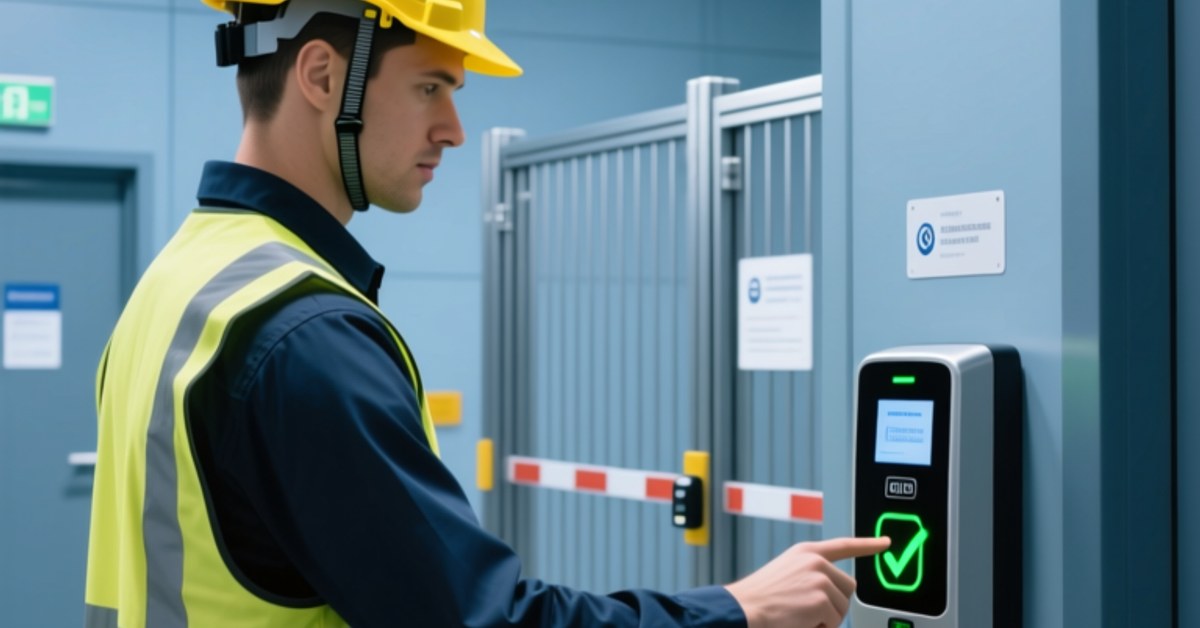
Η αλληλεπίδραση είναι καθαρά ένα φυσικό πάτημα σε έναν αναγνώστη NFC. Χωρίς οθόνη σημαίνει ότι δεν υπάρχει οπτική ανάδραση στο ίδιο το δαχτυλίδι; Η επιβεβαίωση πρέπει να προέρχεται από το LED/ήχο της συσκευής ανάγνωσης ή από μια συνδεδεμένη οθόνη τερματικού. Αυτή η απλότητα είναι ένα πλεονέκτημα σε περιβάλλοντα υψηλής απόδοσης—τουρνικέ, κλειδαριές πόρτας, Σταθμοί φόρτισης EV—όπου η ταχύτητα έχει σημασία. Οι εργαζόμενοι σε ένα εργοστάσιο παραγωγής μπορούν να χτυπήσουν ένα δαχτυλίδι σε ένα βιομηχανικός αναγνώστης RFID χωρίς να αφαιρέσετε γάντια, μια ματιά σε ένα φως πύλης, και προχωρήστε. Η έλλειψη οθόνης εξαλείφει επίσης την απόσπαση της προσοχής, κατασκευή δακτυλίων κατάλληλων για κρίσιμες για την ασφάλεια ζώνες.
Αλληλεπίδραση Smartwatch
Το NFC που βασίζεται σε έξυπνα ρολόγια μπορεί να εκκινηθεί μέσω μιας εφαρμογής ή μιας προφορτωμένης κάρτας, συχνά απαιτείται ένα πάτημα κουμπιού ή μια χειρονομία αφύπνισης πριν το αγγίξετε. Η οθόνη μπορεί να εμφανίσει μια επιβεβαίωση συναλλαγής, ένα PIN πρόσβασης, ή έναν δυναμικό κωδικό QR. Αυτή η αμφίδρομη αλληλεπίδραση είναι χρήσιμη για προγράμματα αφοσίωσης, πληρωμές σε πολλά στάδια, και εξατομικευμένες υπηρεσίες. Ωστόσο, Το UX που βασίζεται στην οθόνη μπορεί να επιβραδύνει την απόδοση σε ένα σενάριο εισόδου εργοστασίου σε σύγκριση με ένα απλό κουδούνισμα, και το σπάσιμο της οθόνης είναι μια ανησυχία σε ανθεκτικά περιβάλλοντα.
Για αναπτύξεις όπου η λειτουργία hands-free είναι κρίσιμης σημασίας, χειρισμός υλικού, υγειονομική υγιεινή χεριών, περιπολία ασφαλείας—το ασυνήθιστο άγγιγμα ενός δακτυλίου NFC παρέχει συχνά ταχύτερες και πιο αξιόπιστες αναγνώσεις. Για ρόλους στο front of house ή στους πελάτες όπου η εμφάνιση ενός ονόματος ή επιπέδου πρόσβασης προσθέτει αξία, η οθόνη του smartwatch προσφέρει σαφή πλεονεκτήματα.
Χρησιμοποιήστε το Case Fit Matrix: Αντιστοίχιση συντελεστή φόρμας με την εργασία
Δεν απαιτεί κάθε εφαρμογή οθόνη. Η ακόλουθη μήτρα απεικονίζει τα κοινά φορητά για επιχειρήσεις Εφαρμογές NFC στον καταλληλότερο παράγοντα μορφής με βάση τις τυπικές απαιτήσεις πεδίου.
>
| Εφαρμογή | Προτιμώμενος παράγοντας μορφής | Βασικός λόγος |
|---|---|---|
| Έλεγχος πρόσβασης εργαζομένων (πόρτες, τουρνικέ) | Δαχτυλίδι NFC | Πάντα διαθέσιμος, χωρίς χρέωση, ταχύτητα πατήματος |
| Καφετέρια / πώληση χωρίς μετρητά | Και οι δύο | Δακτύλιοι για ταχύτητα; ρολόγια για ένδειξη ισορροπίας |
| Τερματικά ώρας και προσέλευσης | Δαχτυλίδι NFC | Φιλικό προς τα γάντια, διαρκής, μηδενική συντήρηση |
| Ταυτοποίηση προσωπικού του νοσοκομείου & υγιεινή χεριών | Δαχτυλίδι NFC | Αδιάβροχος, απολυμαίνονται, καμία παγίδα βακτηρίων οθόνης |
| Check-in εκδήλωσης & βραχιολάκι χωρίς μετρητά (φεστιβάλ) | Έξυπνο ρολόι (ή βραχιολάκι) | Δεκτή χρήση καρπού, οθόνη για λεπτομέρειες εισιτηρίου |
| Επιμελητεία αποθήκης & έλεγχος περιουσιακών στοιχείων | Δαχτυλίδι NFC | Τραχύς, δεν μπορεί να πέσει, λειτουργεί με Αναγνώστες UHF RFID |
| Κλειδί ξενοδοχείου & πρόσβαση σε ανέσεις | Δαχτυλίδι NFC | Πάντα επισκέπτης, δεν χρειάζεται επιστροφή |
| Εταιρικό πρόγραμμα ευεξίας (παρακολούθηση φυσικής κατάστασης) | Έξυπνο ρολόι | Αισθητήρες υγείας, πρόοδος με βάση την οθόνη |
Όπου μπορούν να χρησιμεύσουν και οι δύο παράγοντες μορφής, Η τελική απόφαση συχνά εξαρτάται από το προφίλ χρήστη και τους περιβαλλοντικούς περιορισμούς. Για ένα εργατικό δυναμικό που ήδη κουβαλάει smartphones, ένα έξυπνο ρολόι μπορεί να διπλασιάσει τις δυνατότητες; ένας δακτύλιος επεκτείνει το NFC χωρίς να προσθέσει άλλη οθόνη. Σε σενάρια που αντιμετωπίζουν οι επισκέπτες, όπως ξενοδοχεία, Τα δαχτυλίδια προσφέρουν έναν παράγοντα απόλαυσης και εξαλείφουν το κόστος των χαμένων πλαστικών καρτών. Το NFCWORK παρέχει προσαρμόσιμοι δακτύλιοι NFC που μπορούν να προκωδικοποιηθούν με μοναδικά αναγνωριστικά, URL, ή εγγραφές NDEF για να ταιριάζουν με κάθε περίπτωση χρήσης.
Λήψη της Απόφασης: Βασικά Κριτήρια Επιλογής
Κατά την αξιολόγηση παραγόντων φόρμας για τον επόμενο δοκιμαστικό σας φορητό NFC ή την πλήρη κυκλοφορία, συνιστούμε να βαθμολογήσετε πιθανές λύσεις με βάση αυτά τα πέντε κριτήρια:
- Πάντα διαθέσιμη απαίτηση. Εάν το wearable πρέπει να λειτουργεί ανά πάσα στιγμή χωρίς προετοιμασία από τον χρήστη, το παθητικό δαχτυλίδι είναι η μόνη επιλογή.
- Ανάγκη για οπτική ανατροφοδότηση. Εάν οι χρήστες πρέπει να δουν δυναμικά δεδομένα (χρονοδιαγράμματα, ισορροπίες, ειδοποιήσεις), ένα smartwatch είναι απαραίτητο.
- Περιβαλλοντική τραχύτητα. Αξιολογήστε την έκθεση στο νερό, χημικά, σκόνη, και αντίκτυπο. Οι δακτύλιοι με κεραμικά ή εποξειδικά περιβλήματα αντέχουν γενικά πιο σκληρό χειρισμό από ένα ρολόι με οθόνη.
- Αποδοχή από τον χρήστη και μόδα. Τα δαχτυλίδια είναι διακριτικά και έχουν ψηλότερα 24/7 συμμόρφωση με τη φθορά στις ρυθμίσεις λευκού γιακά; Τα ρολόγια ενδέχεται να αντιμετωπίσουν αντίσταση εάν οι εργαζόμενοι φορούν ήδη προσωπικά ρολόγια.
- Συνολικό κόστος ιδιοκτησίας (TCO). Σημειώστε όχι μόνο την τιμή μονάδας αλλά και τα αξεσουάρ φόρτισης, αντικατάσταση μπαταρίας, Υποστήριξη πληροφορικής, και ποσοστό αντικατάστασης από απώλεια ή θραύση.
Τόσο οι δακτύλιοι NFC όσο και τα έξυπνα ρολόγια μπορούν να αξιοποιήσουν την ίδια υποδομή NFC—αναγνώστες, ενδιάμεσο λογισμικό, και συστήματα υποστήριξης. Αυτό σημαίνει ότι μπορείτε να ξεκινήσετε με έναν παράγοντα μορφής και να επεκταθείτε στον άλλο αργότερα χωρίς αναβάθμιση περονοφόρου. Για παράδειγμα, ένα Σύστημα αναγνώρισης φορητών συσκευών NFC αναπτυχθεί πρώτα με δαχτυλίδια για πρόσβαση στις εγκαταστάσεις, μπορεί αργότερα να ενσωματώσει έξυπνα ρολόγια για επόπτες που χρειάζονται ειδοποιήσεις στον καρπό.
Έξυπνα φορητά οικοσυστήματα: Εκεί που συγκλίνουν δαχτυλίδια και ρολόγια
Η επιλογή δεν είναι πάντα αποκλειστική. Σε πολλές σύγχρονες αρχιτεκτονικές επιχειρήσεων, δαχτυλίδια και ρολόγια συνυπάρχουν. Ένας συνεργάτης της αποθήκης φοράει ένα δαχτυλίδι NFC για ταμείο εξοπλισμού και πρόσβαση στην πόρτα, ενώ ο διαχειριστής ορόφων χρησιμοποιεί ένα έξυπνο ρολόι για να λαμβάνει ενημερώσεις λίστας επιλογής σε πραγματικό χρόνο και εξακολουθεί να χρησιμοποιεί NFC για έλεγχο ταυτότητας ντουλαπιών. Και οι δύο συσκευές μπορούν να διαχειρίζονται μέσω μιας κοινής πλατφόρμας διαπιστευτηρίων NFC που βασίζεται στο cloud, όπως αυτά που ενσωματώνονται από RFIDHY συνεργάτες.
Η ανάγνωση προηγούμενων άρθρων NFCWORK μπορεί να προσφέρει βαθύτερες βουτιές σε συγκεκριμένους κλάδους. NFC σε Smart Wearables: Πέρα από τις πληρωμές στην ταυτότητα, Πρόσβαση, και Υγεία διερευνά τον τρόπο με τον οποίο τα παθητικά και ενεργά wearables αναδιαμορφώνουν το περιβάλλον του νοσοκομείου και του γραφείου. Σχεδιασμός φορητών συσκευών Fitness με δυνατότητα NFC καλύπτει τεχνικά ζητήματα για ομάδες προϊόντων που κατασκευάζουν συσκευές με επίκεντρο την υγεία.
Τελικά, ο "σωστός" φορετός παράγοντας μορφής είναι αυτός που θα φορούν οι χρήστες σας με συνέπεια και που ο οργανισμός υποστήριξής σας μπορεί να διατηρήσει χωρίς τριβές. Διαχωρίζοντας τη βασική δυνατότητα NFC από το φυσικό φάκελο, μπορείτε να κάνετε μια ενημερωμένη ανταλλαγή μεταξύ δαχτυλιδιών που δεν απαιτούν συντήρηση και ρολογιών με πλούσια χαρακτηριστικά, ευθυγράμμιση της τεχνολογίας με την καθημερινή πραγματικότητα του εργατικού δυναμικού σας.
Οι δακτύλιοι NFC πρέπει να φορτιστούν?
Οχι. Οι δακτύλιοι παθητικού NFC περιέχουν τσιπ και κεραία αλλά όχι μπαταρία. Συλλέγουν ενέργεια από το ηλεκτρομαγνητικό πεδίο του αναγνώστη κατά τη διάρκεια της βρύσης, έτσι δεν χρειάζονται ποτέ φόρτιση. Αυτό τα καθιστά ιδιαίτερα κατάλληλα για εφαρμογές πρόσβασης και αναγνώρισης πάντα σε λειτουργία.
Μπορεί ένας δακτύλιος NFC να αντικαταστήσει ένα έξυπνο ρολόι για πληρωμές χωρίς μετρητά?
Ναί, για απλές ανέπαφες συναλλαγές σε τυπικά τερματικά πληρωμής NFC. Ωστόσο, ένας δακτύλιος NFC δεν παρέχει οθόνη για την εμφάνιση επιβεβαίωσης συναλλαγής, ισορροπία, ή προτροπές πίστης. Ένα smartwatch μπορεί να εμφανίσει αυτές τις πληροφορίες, και σε ορισμένες ρυθμίσεις επιτρέπει την επιλογή κάρτας, που μπορεί να απαιτούνται για πορτοφόλια πολλαπλών χρήσεων.
Ποιο φορετό είναι πιο ανθεκτικό σε βιομηχανικά περιβάλλοντα?
Δακτύλιοι NFC, ιδιαίτερα εκείνα με κεραμική ή πλήρη εποξειδική ενθυλάκωση, είναι γενικά πιο ανθεκτικά. Δεν έχουν θύρα φόρτισης, οθόνη, ή μηχανικά κουμπιά. Πολλοί δακτύλιοι φέρουν βαθμολογία IP68 και αντέχουν την έκθεση στο νερό, ελαιογραφίες, και ήπιες χημικές ουσίες, λαμβάνοντας υπόψη ότι τα έξυπνα ρολόγια μπορεί να υποφέρουν από διάβρωση της θύρας ή ζημιά στην πρόσκρουση της οθόνης.
Είναι οι δακτύλιοι NFC συμβατοί με υπάρχοντες αναγνώστες ελέγχου πρόσβασης NFC?
Τυπικά ναι, όσο ο τύπος τσιπ NFC του δακτυλίου (Π.χ., NTAG216, ICODE SLIX) υποστηρίζεται από την υποδομή ανάγνωσης. Οι περισσότεροι εταιρικοί αναγνώστες που διαβάζουν κάρτες MIFARE ή NTAG μπορούν επίσης να διαβάσουν δαχτυλίδια με την ίδια τεχνολογία τσιπ. Συνιστάται να δοκιμάσετε τη συμβατότητα με τα συγκεκριμένα μοντέλα αναγνώστη στην ανάπτυξή σας.
Έτοιμοι να αξιολογήσετε τους δακτυλίους NFC για το επόμενο έργο αναγνώρισης ή πρόσβασης με φορητές συσκευές? Εξερευνήστε τη γκάμα των προσαρμοσμένων κωδικοποιημένων δακτυλίων NFC του NFCWORK, ετικέτες NFC βιομηχανικής ποιότητας, και λύσεις ανάγνωσης. Η ομάδα μας βοηθά τους ενοποιητές συστημάτων και τους εταιρικούς αγοραστές να επιλέξουν τον σωστό παράγοντα μορφής, τύπος τσιπ, και μέθοδο κωδικοποίησης για να ταιριάζει με την εφαρμογή σας. Επικοινωνήστε μαζί μας για να συζητήσετε ένα πιλοτικό πρόγραμμα ή να ζητήσετε δείγματα.