Johdanto: Uusi mandaatti farmaseuttiselle jäljitettävyydelle
Lääketeollisuus on läpikäymässä perustavanlaatuista muutosta. Sääntelykehykset, kuten Yhdysvallat. Huumeiden toimitusketjun turvalaki (DSCSA) ja EU:n lääkeväärennösdirektiivi (FMD) vaativat nyt päästä päähän jäljitettävyyttä, sarjoittaminen, ja reseptilääkkeiden todentaminen. Vaikka perinteiset viivakoodit ja 2D-tietomatriisit ovat muodostaneet vaatimustenmukaisuuden selkärangan, NFC-lääkkeiden jäljitettävyys on nousemassa tehokkaaksi täydennykseksi, joka tarjoaa reaaliaikaisen todennuksen, potilaan sitoutuminen, ja parannettu kylmäketjun näkyvyys.
klo NFCWORK-tekniikka, emme näe NFC:tä olemassa olevien sarjoitusstandardien korvikkeena, mutta käytännöllisenä kerroksena, joka lisää turvallisuutta, yksinkertaisuus, ja kuluttajien suora vuorovaikutus lääkkeiden toimitusketjuihin.
DSCSA:n ja EU:n suu- ja sorkkatautivaatimusten ymmärtäminen
DSCSA: Täysi yksikkötason jäljitettävyys 2023
DSCSA velvoittaa täysin sähköisen, yhteentoimiva järjestelmä reseptilääkkeiden jäljittämiseksi pakkaustasolla kaikkialla Yhdysvalloissa. toimitusketju. Keskeisiä vaatimuksia ovat mm:
- Tuotteen tunniste (mukaan lukien NDC, sarjanumero, erän numero, viimeinen käyttöpäivä) jokaisessa paketissa.
- Tapahtumatiedot ja tiliotteet vaihdetaan jokaisen omistajanvaihdoksen yhteydessä.
- Varmistusjärjestelmät epäilyttävien tai laittomien tuotteiden havaitsemiseksi ja niihin reagoimiseksi.
- Vain valtuutetut kauppakumppanit.
EU:n suu- ja sorkkatauti: Turvaominaisuudet ja käytöstä poistaminen
EU:n suu- ja sorkkatauti edellyttää kahta turvaominaisuutta useimmissa reseptilääkkeissä:
- Yksilöllinen tunniste (UI) koodattu 2D-datamatriisiin.
- Käsittelyä estävä laite (ATD).
Apteekkien ja sairaaloiden on tarkistettava ja poistettava käyttöliittymä jakelupisteessä kansallisen varastojärjestelmän kautta.
Molemmilla asetuksilla pyritään estämään väärennetyt lääkkeet, poikkeaminen, ja virheitä, mutta valvonta riippuu suuresti skannauksesta ja tietojen eheydestä. NFC voi vahvistaa näitä järjestelmiä ottamalla käyttöön yksinkertaisempia, kuluttajaystävällinen todentaminen ja syvemmät oivallukset toimitusketjusta.
NFC-yhteensopiva serialisointi: Miten se toimii
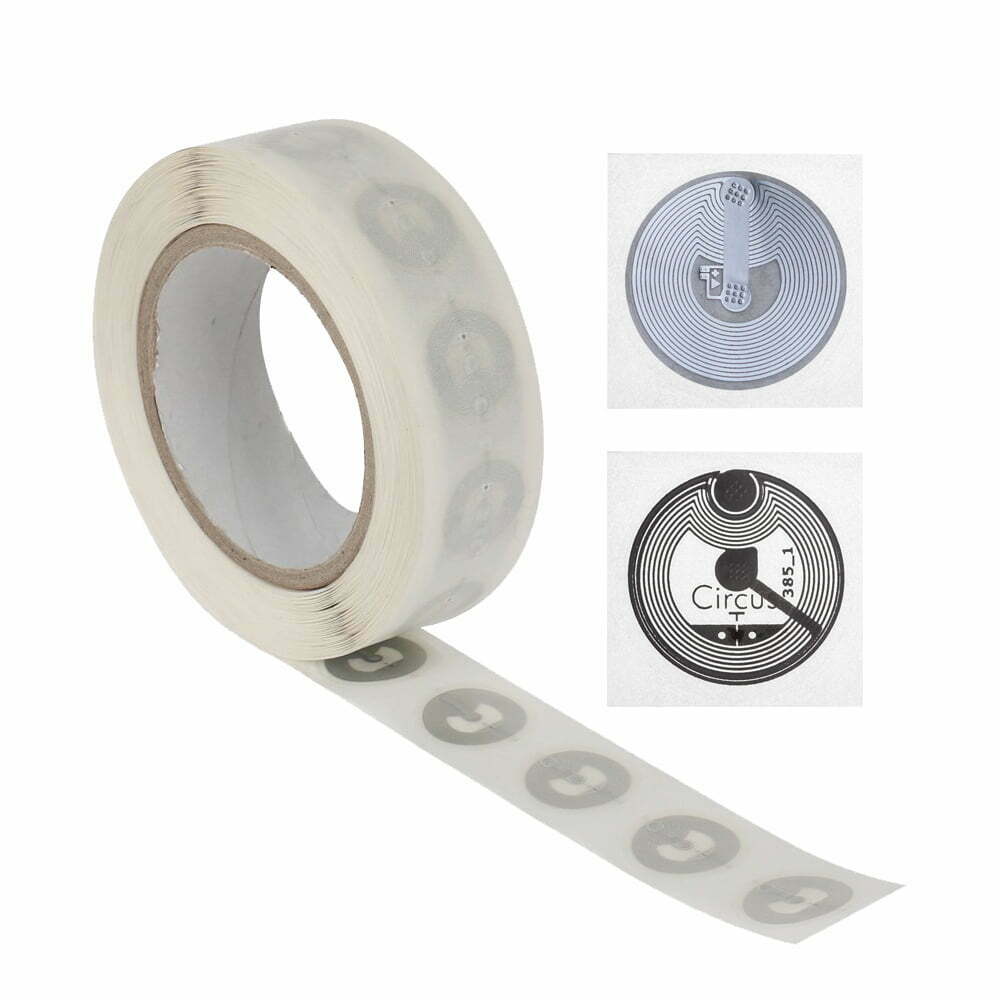
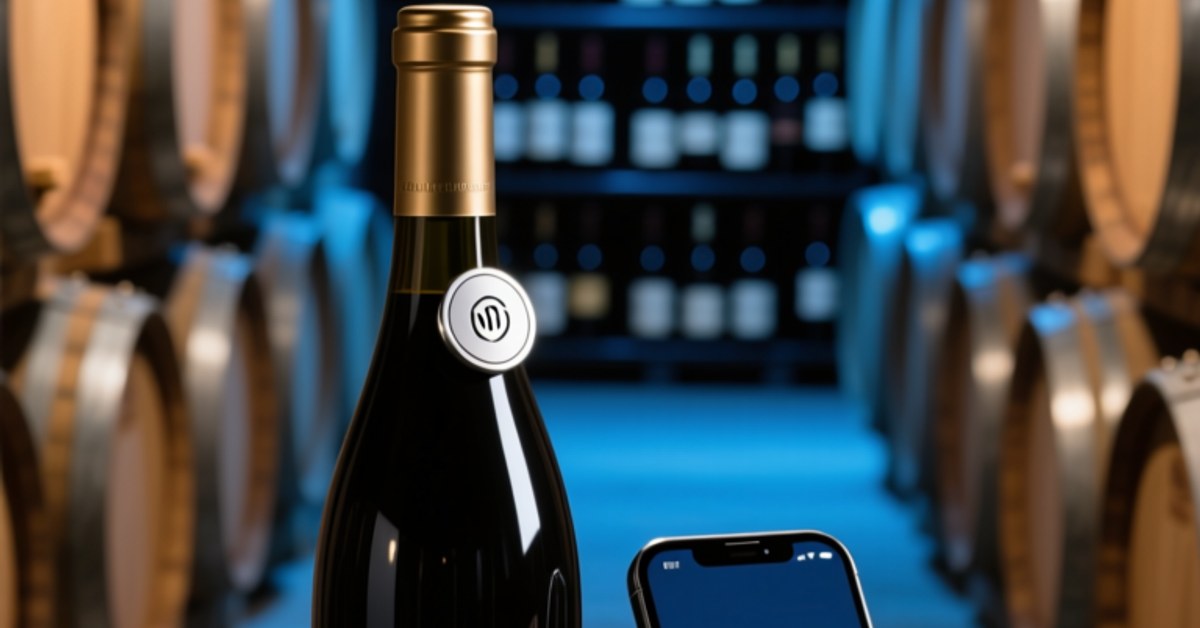
NFC -tunnisteet lääkepakkauksiin upotettuna voi tallentaa yksilöllisen tunnisteen, joka linkittää suojattuun digitaaliseen tietueeseen. Käyttämällä NFC -tunnisteet tai NFC-tarrat, jokaisesta yksiköstä – yksittäiseen laatikkoon tai injektiopulloon asti – tulee älykäs, yhdistetty objekti.
Sarjastamismenetelmä NFC:llä
Tyypillinen NFC-sarjan lähestymistapa integroituu olemassa oleviin yritysjärjestelmiin:
- Tunnisteen koodaus: Pakkauslinjalla, NFC upotteet on otettu käyttöön ainutlaatuisella sarjanumerolla, erätiedot, ja pilvipohjainen identiteetti.
- Tietojen yhdistäminen: The NFC -siruUID ja koodatut tiedot on linkitetty valmistajan ERP- tai serialisointitietovarastoon.
- Reaaliaikainen vahvistus: Yksinkertainen napautus NFC-yhteensopiva älypuhelin hakee tuotteen täydellisen historian – aitouden, kylmäketjun tila, ja alkuperä.
Koska NFC käyttää lyhyen kantaman langatonta viestintää, se tarjoaa luontaisia turvallisuusetuja: vaaditaan tahallinen napautus, vähentää tahattomia skannauksia ja mahdollistaa tietojen valikoivan paljastamisen.
Poikkeaman estolaitteet ja toimitusketjun eheys
Farmaseuttinen kiertokulku – lääkkeiden ohjaaminen laillisista toimitusketjuista – maksaa teollisuudelle miljardeja ja vaarantaa potilaat. NFC lisää tehokkaan poikkeaman eston suojakerroksen.
Geotietoisuus ja peukaloinnin tunnistus
Kun NFC-tunnisteita sisältävät lääkepakkaukset skannataan kuljetuksen aikana, logistiikkakumppanit voivat tallentaa sijainnin, aika, ja huoltajuuden muutokset. Yhdessä pilvipohjaisten sääntöjen kanssa, luvattomat liikkeet tai puuttuvat skannaukset laukaisevat hälytyksiä. Lisäksi, NFC-tunnisteet voidaan suunnitella peukaloinnin havaitsevilla ominaisuuksilla: sinetin rikkominen tai etiketin poistaminen muuttaa tunnisteen kapasitanssia, potentiaalisen häiriön signalointi.
Aggregaatio ja vanhempien ja lasten väliset suhteet
NFC auttaa ylläpitämään koontihierarkioita – tapauksia, kuormalavoja, ja lähetykset. Yhteyttämällä RFID -tunnisteet (UHF) kotelotasolla NFC-merkityillä yksittäisillä yksiköillä, toimitusketjun johtajat saavat sekä joukkoskannauksen että rakeisen jäljitettävyyden. Tämä hybridilähestymistapa on erityisen arvokas lääkevarastoissa ja jakelukeskuksissa.
Organisaatioille, jotka modernisoivat logistiikkaansa, kädessä pidettävät RFID-lukijat ja kiinteät RFID-lukijat voi täydentää NFC-käyttöönottoa, varmistaa nopean tarkastuksen avaamatta laatikoita.
Potilaan todentaminen ja sitoutuminen: Turvallisuushana
Yksi NFC-lääkkeiden jäljitettävyyden muuttavimmista näkökohdista on potilaiden suora osallistuminen. Yksinkertaisella napautuksella, potilaat voivat:
- Tarkista lääkkeen aitous ennen käyttöä.
- Tarkista vanhentumispäivät ja eränumerot reaaliajassa.
- Käytä digitaalisia esitteitä, annostusohjeet, tai videooppaita.
- Varmista, että tuotetta ei ole vedetty takaisin tai siirretty muualle.
Tämä tuotemerkin omistama vahvistuskanava rakentaa luottamusta ja tukee lääkityksen noudattamista – kaikki samalla tuottaen valmistajille nollaosapuolen tietoja, täysin tietosuojamääräysten mukainen.
Kylmäketjun huomioita: NFC lämpötilan tunnistus
Monet biologiset aineet, rokotteet, ja erikoislääkkeet vaativat tiukkaa lämpötilan valvontaa. Aktiiviset NFC-tunnisteet sisäänrakennetuilla lämpötila-antureilla voivat kirjata retkiä koko toimitusketjussa. Kun apteekki tai potilas koputtaa pakkausta, NFC-laite paljastaa, jos tuote on altistunut vahingollisille lämpötiloille.
Tämä kylmäketjun näkyvyys on kriittinen hyvien jakelukäytäntöjen noudattamiseksi (BKT) ja jätteen vähentämiseksi. Lääkeyritykset voivat integroida NFC-lämpötilalokit olemassa oleviin sarjointitietoihinsa, luoda täydellinen digitaalinen tuotepassi jokaiselle esineelle.
NFC:n integrointi olemassa oleviin lääkejärjestelmiin
Yhteinen huolenaihe on yhteentoimivuus. NFC ei häiritse olemassa olevia GS1-yhteensopivia viivakoodeja; se toimii heidän rinnallaan. Tiedot voidaan jäsentää vastaamaan GS1 Electronic Product Code Information Services -palvelua (EPCIS) standardit, varmistaa saumattoman integraation seuranta- ja jäljitysalustojen kanssa.
Valmistajat voivat aloittaa pienestä – ehkä lisäämällä NFC-tunnisteita korkean riskin tuotteisiin, arvokkaat SKU:t ja mittakaava sijoitetun pääoman tuottoprosentin perusteella. NFC-koodausratkaisut ja pilvipalvelut on suunniteltu liitettäviksi olemassa oleviin MES- ja serialisointilaitteistoihin minimaalisella häiriöllä.
Global Pharmaceutical Compliance: Käytännön etenemissuunnitelma
>
| Alue | asetuksessa | Keskeiset vaatimukset | NFC-panos |
|---|---|---|---|
| USA | DSCSA | Yksikkötason serialisointi; yhteentoimiva jäljitys | Yksikkötason tunniste yksilöllisellä tunnuksella; potilaan tarkistus |
| EU | FMD | Ainutlaatuinen tunniste + ATD; käytöstä poistaminen annostelun yhteydessä | Peukaloinnin havaitsevat NFC-tarrat; reaaliaikainen käytöstäpoiston vahvistus |
| Kiina | Lääkkeiden jäljitettävyyttä koskevat säännökset | Sarjaistetut koodit; keskitetty raportointi | NFC-koodattu kansallisella lääkekoodilla; pilvivarmennus |
Toimivallasta riippumatta, NFC tarjoaa joustavan, potilaskeskeinen kerros, joka parantaa perinteisiä sarjointimuotoja.
Miksi NFC muiden tekniikoiden sijaan?
- Kuluttajavalmis: Lähes kaikki modernia älypuhelimet on NFC; erillistä skanneria ei tarvita.
- Turvallisuus: Lyhyen kantaman kommunikaatio minimoi luvausriskit; tiedot voidaan salata ja luoda dynaamisesti.
- Monikäyttöinen: Sama tagi tukee sarjoitusta, väärennösten torjunta, markkinointi, ja potilaskoulutus.
- Kestävyys: Antimetalliset RFID-tunnisteet ja NFC-tunnisteet kestävät ankarat olosuhteet, mukaan lukien kylmäketjuympäristöt.
Lääkeyhtiöille, jotka etsivät tulevaisuuteen sopivaa serialisointistrategiaa, NFC lisää digitaalisen ulottuvuuden, jota paperietiketit ja passiiviset viivakoodit eivät voi vastata.
NFC-farmaseuttisen jäljitettävyyden käyttöönotto RFIDHY:n avulla
RFIDHY tarjoaa kattavan sarjan NFC- ja RFID-komponentteja farmaseuttiseen sarjoitukseen: alkaen NFC-tunnisteet ja tarrat to UHF RFID -lukijat ja puettavat vaatteet kliinisiin olosuhteisiin. Ratkaisumme on suunniteltu integroitumaan maailmanlaajuisiin seuranta- ja jäljityskehikkoihin samalla kun ne tuottavat konkreettisia parannuksia potilasturvallisuuteen.
Arvioitpa DSCSA-yhteensopivuuden päivityksiä, potilaan suoran tunnistamisen tutkiminen, tai biologisten aineiden turvaaminen NFC-yhteensopivalla kylmäketjuvalvonnalla, NFCWORK-tekniikka tarjoaa laitteiston, ohjelmisto, ja asiantuntemusta visiosi toteuttamiseen.
Faq
Mikä on NFC-lääkkeiden jäljitettävyys?
NFC-lääkkeiden jäljitettävyys käyttää Near Field Communication -tunnisteita lääkepakkauksissa ainutlaatuisen digitaalisen identiteetin tallentamiseen tai linkittämiseen. Tämä mahdollistaa reaaliaikaisen vahvistuksen, serialisoinnin vaatimustenmukaisuus (DSCSA/FMD), ja suora potilastunnistus kautta älypuhelimet.
Korvaako NFC 2D-viivakoodit DSCSA:lle tai EU FMD:lle?
Ei. NFC toimii täydentävänä kerroksena. Nykyiset määräykset edellyttävät erityisiä tietovälineitä (kuten GS1-datamatriisi), ja NFC-tunnisteet voivat esiintyä rinnakkain, tarjoaa lisäturvaa ja kuluttajavuorovaikutusta rikkomatta vaatimustenmukaisuusvaatimuksia.
Kuinka NFC voi auttaa estämään lääkkeiden väärinkäytön??
NFC-tunnisteet voidaan lukea huoltajuuden siirroissa, lokipaikka ja aikaleimat. Yhdessä pilvipohjaisten sääntöjen kanssa, luvattomat liikkeet merkitään. Peukaloinnin tunnistusominaisuudet estävät edelleen tarrojen vaihtamisen tai tuotteen väärentämisen.
Voiko NFC toimia kylmäketjuympäristöissä?
Kyllä. Erikoistuneet NFC-tunnisteet ja RFID -tunnisteet on suunniteltu kestämään äärimmäisiä lämpötiloja. Lämpötila-antureilla varustetut aktiiviset NFC-tunnisteet voivat kirjata kylmäketjun retkiä, varmistaa biologisten aineiden ja rokotteiden noudattamisen.
Tarvitsevatko potilaat erityisen sovelluksen lääketieteellisten NFC-tunnisteiden skannaamiseen??
Yleensä, ei. Useimmat nykyaikaiset NFC-yhteensopivat älypuhelimet voivat lukea NFC-tunnisteita natiivisti. Brändit voivat myös ohjata kuluttajat kevyeen verkkosovellukseen tai progressiiviseen verkkosovellukseen (PWA) paremman kokemuksen saamiseksi, ohjelmistojen lataamisen välttämiseksi.
Vahvista lääkkeiden toimitusketjuasi NFC-jäljitettävyyden avulla
klo NFCWORK-tekniikka, Tarjoamme päästä päähän NFC- ja RFID-ratkaisuja, jotka auttavat lääkeyrityksiä saavuttamaan maailmanlaajuisen serialisoinnin vaatimustenmukaisuuden, suojella potilaita, ja rakentaa luottamusta brändiin. Tutustu valikoimaamme NFC -tunnisteet, RFID-lukijat, ja muokattavat alustat, jotka on suunniteltu biotieteiden toimitusketjuille.
Ota yhteyttä asiantuntijoihimme keskustellaksesi jäljitettävyysprojektistasi →