Einführung: Das neue Mandat für die Rückverfolgbarkeit von Arzneimitteln
Die Pharmaindustrie befindet sich in einem grundlegenden Wandel. Regulierungsrahmen wie in den USA. Gesetz zur Sicherheit der Arzneimittellieferkette (DSCSA) und die EU-Fälschungsschutzrichtlinie (FMD) erfordern nun eine lückenlose Rückverfolgbarkeit, Serialisierung, und Überprüfung verschreibungspflichtiger Medikamente. Während herkömmliche Barcodes und 2D-Datenmatrizen das Rückgrat der Compliance bilden, Die NFC-Rückverfolgbarkeit von Arzneimitteln entwickelt sich zu einer leistungsstarken Ergänzung – sie bietet Echtzeit-Authentifizierung, Patienteneinbindung, und verbesserte Sichtbarkeit der Kühlkette.
Bei NFCWORK-Technologie, Wir sehen NFC nicht als Ersatz für bestehende Serialisierungsstandards, sondern als praktische Schicht, die für mehr Sicherheit sorgt, Einfachheit, und direkte Verbraucherinteraktion mit pharmazeutischen Lieferketten.
Verständnis der DSCSA- und EU-FMD-Anforderungen
DSCSA: Vollständige Rückverfolgbarkeit auf Einheitenebene durch 2023
Das DSCSA schreibt eine vollelektronische Regelung vor, interoperables System zur Rückverfolgung verschreibungspflichtiger Medikamente auf Packungsebene in den USA. Lieferkette. Zu den wichtigsten Anforderungen gehören::
- Produktkennung (einschließlich NDC, Seriennummer, Losnummer, Verfallsdatum) auf jedem Paket.
- Bei jedem Eigentümerwechsel werden Transaktionsinformationen und Kontoauszüge ausgetauscht.
- Verifizierungssysteme zur Erkennung und Reaktion auf verdächtige oder illegale Produkte.
- Nur autorisierte Handelspartner.
EU FMD: Sicherheitsmerkmale und Außerbetriebnahme
Die EU FMD schreibt für die meisten verschreibungspflichtigen Arzneimittel zwei Sicherheitsmerkmale vor:
- Eine eindeutige Kennung (Benutzeroberfläche) in einer 2D-Datenmatrix kodiert.
- Ein Manipulationsschutzgerät (ATD).
Apotheken und Krankenhäuser müssen die UI an der Abgabestelle über ein nationales Repository-System überprüfen und außer Betrieb nehmen.
Ziel beider Regelungen ist es, Arzneimittelfälschungen zu verhindern, Umleitung, und Fehler – die Durchsetzung hängt jedoch stark vom Scannen und der Datenintegrität ab. NFC kann diese Systeme stärken, indem es einfachere Funktionen ermöglicht, verbraucherfreundliche Verifizierung und tiefere Einblicke in die Lieferkette.
NFC-fähige Serialisierung: Wie es funktioniert
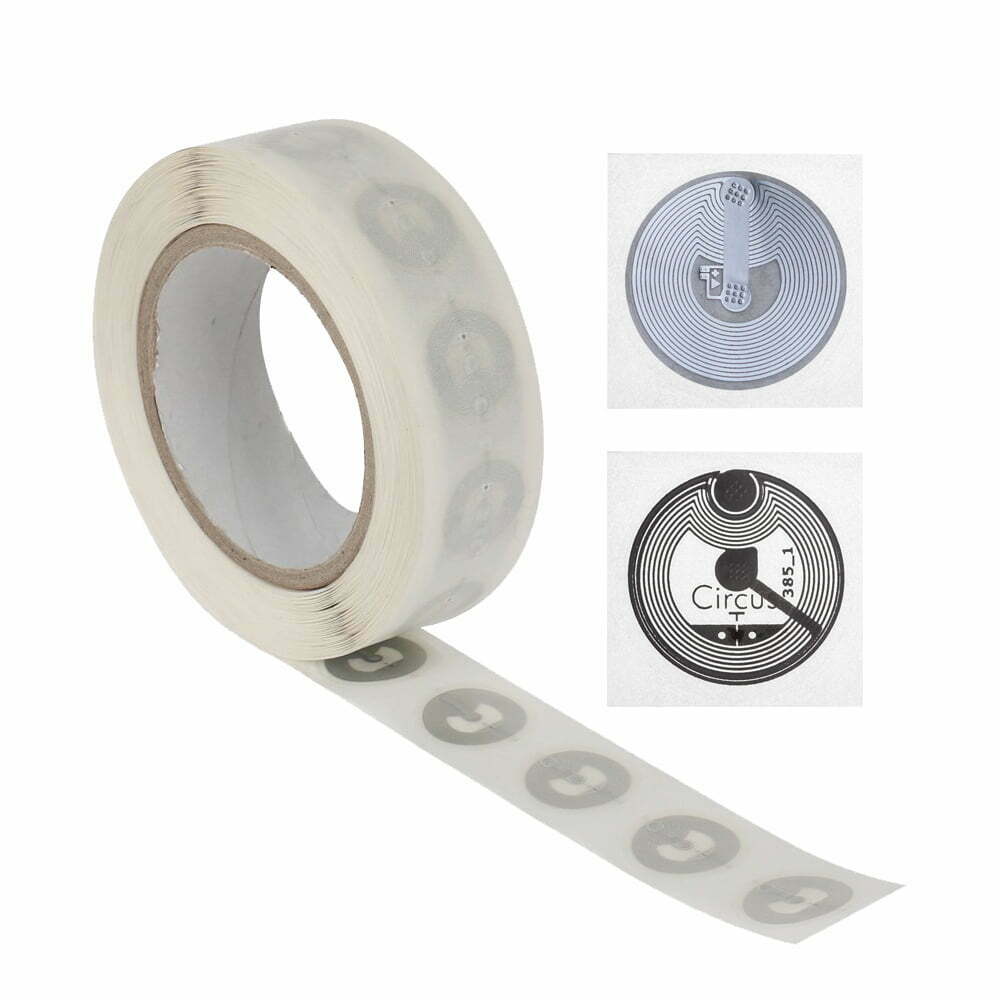
NFC-Tags In Arzneimittelverpackungen eingebettete Medikamente können eine eindeutige Kennung speichern, die mit einer sicheren digitalen Aufzeichnung verknüpft ist. Benutzen NFC-Tags oder NFC -Aufkleber, Jede Einheit – bis hin zum einzelnen Karton oder Fläschchen – wird zu einem Smart, verbundenes Objekt.
Serialisierungsansatz mit NFC
Ein typischer NFC-Serialisierungsansatz lässt sich in bestehende Unternehmenssysteme integrieren:
- Tag-Kodierung: An der Verpackungslinie, NFC-Inlays werden mit einer eindeutigen Seriennummer in Auftrag gegeben, Chargendaten, und eine cloudbasierte Identität.
- Datenassoziation: Der NFC-ChipDie UID und die codierten Daten werden mit dem ERP- oder Serialisierungs-Repository des Herstellers verknüpft.
- Echtzeitüberprüfung: Ein einfacher Tipp mit einem NFC-fähiges Smartphone Ruft die vollständige Historie des Produkts ab – Authentizität, Kühlkettenstatus, und Herkunft.
Denn NFC nutzt drahtlose Kommunikation über kurze Distanzen, es bietet inhärente Sicherheitsvorteile: ein bewusstes Antippen ist erforderlich, Reduzierung versehentlicher Scans und Ermöglichung der selektiven Offenlegung von Informationen.
Anti-Diversion-Kontrollen und Lieferkettenintegrität
Die Umleitung von Medikamenten aus legitimen Lieferketten kostet die Branche Milliarden und gefährdet Patienten. NFC bietet eine leistungsstarke Schutzschicht gegen Umleitung.
Geoerkennung und Manipulationserkennung
Wenn Arzneimittelverpackungen mit NFC-Tags während des Transports gescannt werden, Logistikpartner können den Standort erfassen, Zeit, und Sorgerechtsänderungen. Kombiniert mit cloudbasierten Regeln, Unbefugte Bewegungen oder fehlende Scans lösen Alarme aus. Zusätzlich, NFC-Tags können mit manipulationssicheren Funktionen ausgestattet werden: Das Brechen eines Siegels oder das Entfernen eines Etiketts verändert die Kapazität des Etiketts, Signalisierung möglicher Störungen.
Aggregation und Eltern-Kind-Beziehungen
NFC hilft bei der Aufrechterhaltung von Aggregationshierarchien – Fällen, Paletten, und Sendungen. Durch Assoziieren RFID -Tags (UHF) auf Gehäuseebene mit NFC-getaggten Einzeleinheiten, Supply-Chain-Manager erhalten sowohl Massenscans als auch detaillierte Rückverfolgbarkeit. Dieser Hybridansatz ist besonders wertvoll in Pharmalagern und Vertriebszentren.
Für Organisationen, die ihre Logistik modernisieren, Handheld-RFID-Lesegeräte Und Feste RFID-Lesegeräte kann die NFC-Bereitstellung ergänzen, Gewährleistung einer schnellen Überprüfung, ohne Kartons öffnen zu müssen.
Patientenverifizierung und -einbindung: Ein Tipp für Sicherheit
Einer der transformativsten Aspekte der NFC-Rückverfolgbarkeit von Arzneimitteln ist die direkte Einbeziehung des Patienten. Mit einem einfachen Fingertipp, Patienten können:
- Überprüfen Sie vor der Anwendung die Echtheit eines Arzneimittels.
- Überprüfen Sie Ablaufdaten und Chargennummern in Echtzeit.
- Greifen Sie auf digitale Broschüren zu, Dosierungsanleitung, oder Videoanleitungen.
- Bestätigen Sie, dass ein Produkt nicht zurückgerufen oder umgeleitet wurde.
Dieser markeneigene Verifizierungskanal schafft Vertrauen und unterstützt die Medikamenteneinhaltung – und generiert gleichzeitig Zero-Party-Daten für Hersteller, Vollständig konform mit den Datenschutzbestimmungen.
Überlegungen zur Kühlkette: NFC-Temperaturerfassung
Viele Biologika, Impfungen, und Spezialmedikamente erfordern eine strenge Temperaturkontrolle. Aktive NFC-Tags mit integrierten Temperatursensoren können Abweichungen entlang der Lieferkette protokollieren. Wenn ein Apotheker oder Patient auf die Packung tippt, Das NFC-Gerät verrät, ob das Produkt schädlichen Temperaturen ausgesetzt war.
Diese Transparenz der Kühlkette ist für die Einhaltung guter Vertriebspraktiken von entscheidender Bedeutung (BIP) und zur Abfallreduzierung. Pharmaunternehmen können NFC-Temperaturprotokolle in ihre vorhandenen Serialisierungsdaten integrieren, Erstellen einer vollständigen digitaler Produktpass für jeden Artikel.
Integration von NFC in bestehende Pharmasysteme
Ein häufiges Anliegen ist die Interoperabilität. NFC stört bestehende GS1-kompatible Barcodes nicht; es funktioniert neben ihnen. Daten können so strukturiert werden, dass sie mit den GS1 Electronic Product Code Information Services übereinstimmen (EPCIS) Standards, Gewährleistung einer nahtlosen Integration mit Track-and-Trace-Plattformen.
Hersteller können klein anfangen – vielleicht indem sie NFC-Tags zu hochriskanten Produkten hinzufügen, hochwertige SKUs – und Skalierung basierend auf der Kapitalrendite. NFC-Kodierungslösungen und Cloud-Dienste sind so konzipiert, dass sie sich mit minimaler Unterbrechung in bestehende MES- und Serialisierungshardware integrieren lassen.
Globale Pharma-Compliance: Eine praktische Roadmap
>
| Region | Verordnung | Hauptanforderungen | NFC-Beitrag |
|---|---|---|---|
| USA | DSCSA | Serialisierung auf Einheitenebene; interoperable Rückverfolgung | Tag auf Einheitenebene mit eindeutiger ID; Patientenüberprüfung |
| EU | FMD | Eindeutiger Bezeichner + ATD; Stilllegung bei Abgabe | Manipulationssichere NFC-Etiketten; Stilllegungsbestätigung in Echtzeit |
| China | Vorschriften zur Rückverfolgbarkeit von Arzneimitteln | Serialisierte Codes; zentrale Berichterstattung | NFC-codiert mit nationalem Arzneimittelcode; Cloud-Verifizierung |
Unabhängig von der Gerichtsbarkeit, NFC bietet eine flexible, patientenzentrierte Ebene, die herkömmliche Serialisierungsformate verbessert.
Warum NFC gegenüber anderen Technologien?
- Verbraucherbereit: Fast alles modern Smartphones habe NFC; kein dedizierter Scanner erforderlich.
- Sicherheit: Die Kommunikation über kurze Entfernungen minimiert Skimming-Risiken; Daten können verschlüsselt und dynamisch generiert werden.
- Mehrzweck: Das gleiche Tag unterstützt die Serialisierung, Anti-Fälschungen, Marketing, und Patientenaufklärung.
- Haltbarkeit: Anti-Metall-RFID-Tags und NFC-Tags halten rauen Bedingungen stand, einschließlich Kühlkettenumgebungen.
Für Pharmaunternehmen, die eine zukunftsfähige Serialisierungsstrategie suchen, NFC fügt eine digitale Dimension hinzu, mit der Papieretiketten und passive Barcodes nicht mithalten können.
Implementierung der NFC-Rückverfolgbarkeit von Arzneimitteln mit RFIDHY
RFIDHY bietet eine umfassende Suite von NFC- und RFID-Komponenten für die Pharmaserialisierung: aus NFC-Tags und Aufkleber Zu UHF-RFID-Lesegeräte Und Wearables für klinische Umgebungen. Unsere Lösungen sind so konzipiert, dass sie sich in globale Track-and-Trace-Frameworks integrieren lassen und gleichzeitig spürbare Verbesserungen der Patientensicherheit liefern.
Ob Sie DSCSA-Compliance-Upgrades evaluieren, Erforschung der direkten Patientenauthentifizierung, oder den Schutz von Biologika durch NFC-gestützte Kühlkettenüberwachung, NFCWORK-Technologie stellt die Hardware zur Verfügung, Software, und Fachwissen zur Umsetzung Ihrer Vision.
FAQ
Was ist NFC-Rückverfolgbarkeit von Arzneimitteln??
Die NFC-Rückverfolgbarkeit von Arzneimitteln nutzt Near Field Communication-Tags auf Arzneimittelverpackungen, um eine eindeutige digitale Identität zu speichern oder mit dieser zu verknüpfen. Dies ermöglicht eine Echtzeitüberprüfung, Serialisierungskonformität (DSCSA/FMD), und direkte Patientenauthentifizierung über Smartphones.
Ersetzt NFC 2D-Barcodes für DSCSA oder EU FMD??
NEIN. NFC dient als ergänzende Schicht. Aktuelle Vorschriften erfordern bestimmte Datenträger (wie GS1-Datenmatrix), und NFC-Tags können nebeneinander existieren, Bietet zusätzliche Sicherheit und Verbraucherinteraktion, ohne Compliance-Anforderungen zu verletzen.
Wie kann NFC dazu beitragen, die Umleitung von Medikamenten zu verhindern??
NFC-Tags können im eichpflichtigen Verkehr gelesen werden, Protokollierungsort und Zeitstempel. Kombiniert mit cloudbasierten Regeln, Unerlaubte Bewegungen werden gekennzeichnet. Manipulationserkennungsfunktionen verhindern außerdem den Austausch von Etiketten oder Produktverfälschungen.
Kann NFC in Kühlkettenumgebungen funktionieren??
Ja. Spezialisierte NFC-Tags und RFID -Tags sind für extreme Temperaturen ausgelegt. Aktive NFC-Tags mit Temperatursensoren können Abweichungen von der Kühlkette protokollieren, Bereitstellung einer überprüfbaren Compliance für Biologika und Impfstoffe.
Benötigen Patienten eine spezielle App, um pharmazeutische NFC-Tags zu scannen??
Allgemein, NEIN. Die meisten modernen NFC-fähigen Smartphones können NFC-Tags nativ lesen. Marken können Verbraucher auch zu einer leichtgewichtigen Web-App oder einer progressiven Web-App weiterleiten (PWA) für ein verbessertes Erlebnis, Dadurch entfällt die Notwendigkeit, Software herunterzuladen.
Stärken Sie Ihre pharmazeutische Lieferkette mit NFC-Rückverfolgbarkeit
Bei NFCWORK-Technologie, Wir bieten End-to-End-NFC- und RFID-Lösungen, die Pharmaunternehmen dabei helfen, die globale Serialisierungskonformität zu erreichen, Patienten schützen, und Markenvertrauen aufbauen. Entdecken Sie unser Sortiment NFC-Tags, RFID-Lesegeräte, und anpassbare Plattformen für Life-Science-Lieferketten.
Kontaktieren Sie unsere Experten, um Ihr Rückverfolgbarkeitsprojekt zu besprechen →