Introdução
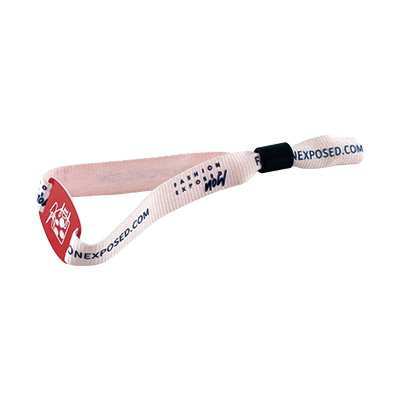
À medida que os dispositivos eletrônicos vestíveis evoluem – desde anéis inteligentes e adesivos médicos até pulseiras de silicone e roupas conectadas – a confiabilidade, a funcionalidade NFC miniaturizada não é mais opcional. Para fabricantes, selecionando o certo Incrustação NFC vestível ou OEM do módulo NFC parceiro impacta diretamente o desempenho, conformidade, e tempo de lançamento no mercado. Este guia fornece uma visão concisa, estrutura de fornecimento acionável baseada em recursos de componentes NFC do mundo real, disponíveis por meio de RFIDHY, RFIDTAGHY, NFCTRABALHO, e PulseiraHY.
O que são incrustações e módulos NFC?
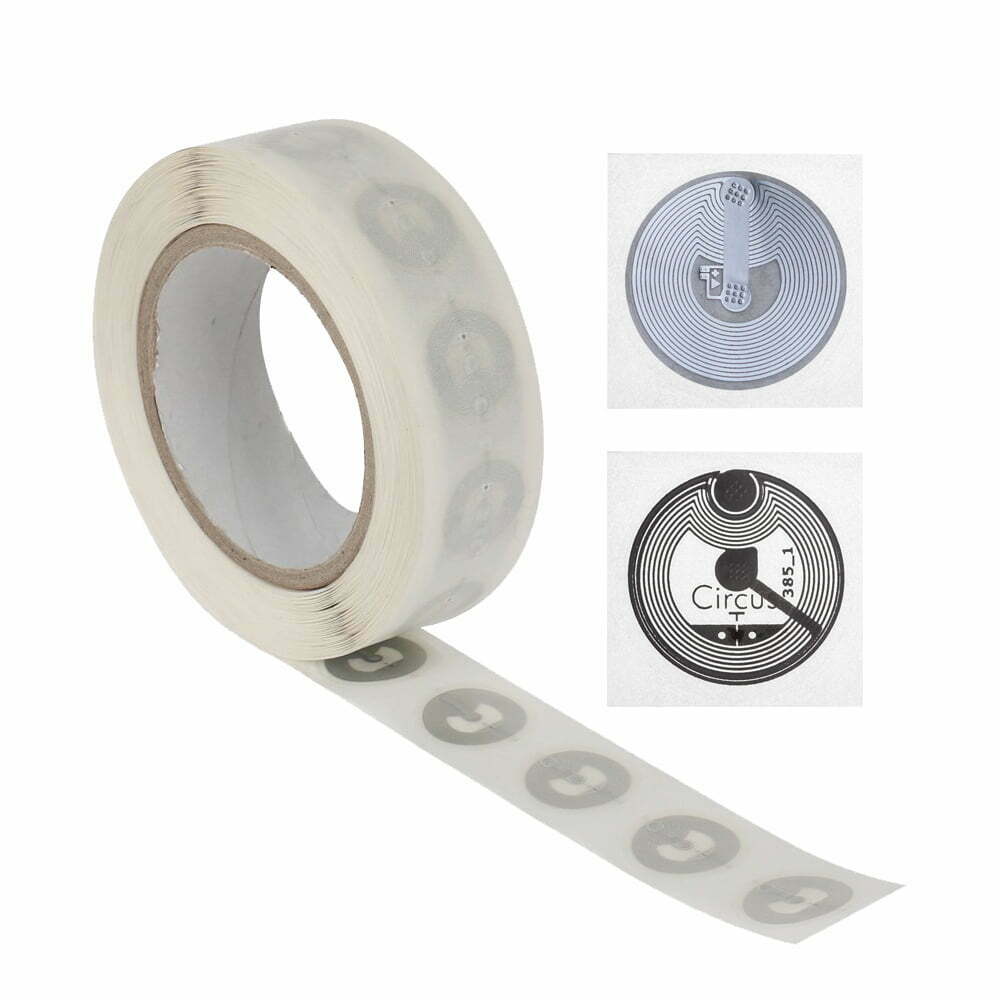
Um Embutimento NFC consiste em uma antena e circuito integrado (CI) montado em um substrato - normalmente PET, circuito impresso flexível (CPF), ou têxtil. Um Módulo NFC adiciona recursos de proteção ou suporte (Por exemplo, suporte adesivo, compatibilidade de sobremoldagem, ou almofadas SMD) para integração robusta em wearables. —Saiba mais sobre solução nfc para hotéis.
Guia de seleção de chips
Escolher o IC certo determina a capacidade de memória, segurança, modo de energia, e capacidade de interface. Abaixo está uma comparação de chips amplamente implantados compatíveis com NFCWORK e RFIDHY incrustações: —Saiba mais sobre pulseira térmica RFID.
>
| Tipo de chip | Memória | Nível de segurança | Suporte I²C | Caso de uso típico |
|---|---|---|---|---|
| Margem NXP 213/215/216 | 144–888 bytes | Proteção básica por senha | Não | Autenticação passiva, passaporte de produto digital (DPP) tags em Passaporte de Produto Digital |
| NXP NTAG I²C Plus | 1 KB EEPROM + 1 KB de RAM | Suporte de elemento seguro | Sim | Smartwatches bidirecionais & wearables de saúde |
| NXP MIFARE DESFire EV3 | 2–8KB | CC EAL5+, AES-256 | Não | Controle de acesso seguro em Identificação vestível inteligente |
| STMicroeletrônica ST25DV | 2–64KB | I²C + Interface dupla RF | Sim | Patches médicos de modo duplo e roupas inteligentes laváveis |
Tipos de substrato de antena
O substrato define flexibilidade, durabilidade, e resiliência ambiental:
>
| Substrato | Prós | Contras |
|---|---|---|
| BICHO DE ESTIMAÇÃO | Baixo custo, alta consistência, ideal para laminação | Raio de curvatura limitado; não é adequado para curvas apertadas |
| CPF (PCB flexível) | Excelente conformabilidade, suporta integração SMD | Custo mais alto; requer manuseio preciso |
| Têxtil | Lavável, respirável, integração perfeita de roupas | Faixa de leitura inferior; ajuste especializado necessário |
Fatores de forma do módulo
Combine o formato físico com o seu processo de fabricação:
- Incrustação molhada: Com adesivo – ideal para laminação em pulseiras de silicone (PulseiraHY) ou camadas de tecido
- Incrustação seca: Sem adesivo — projetado para moldagem por inserção em wearables rígidos
- Módulo SMD: Montável em superfície – usado em smartwatches e rastreadores baseados em PCB
- Módulo pronto para sobremoldagem: Encapsulado em termoplástico ou silicone — otimizado para Identificação vestível inteligente aplicações que exigem vedação IP67+
Considerações sobre aquisições
Prazos de entrega, Quantidade mínima, e garantia de qualidade são essenciais para o planejamento da produção:
- Quantidade mínima: 1,000–10.000 unidades para incrustações padrão; ≥10.000 para designs personalizados
- Tempo de espera: 2–4 semanas para itens de estoque (Por exemplo, RFIDTAGHY Incrustações de alta frequência); 6–8 semanas para ajuste de antena personalizado ou engenharia de substrato
- Padrões de qualidade: ISO/IEC 14443-A/B e 15693 conformidade; ±5% de tolerância de ajuste de antena; teste de adesão de acordo com ASTM D3359
Personalizado vs.. Incrustações padrão
>
| Fator | Incrustações padrão | Incrustações personalizadas |
|---|---|---|
| Tempo de lançamento no mercado | 2–3 semanas | 6–10 semanas |
| Custo por unidade | Mais baixo (economia de escala) | Mais alto (NRE + ferramentas) |
| Flexibilidade de projeto | Limitado às dimensões do catálogo | Forma completa, tamanho, cor, e controle de substrato |
| Usar quando | Validando a funcionalidade NFC antecipadamente ou lançando o MVP | Atendendo à ergonomia única, marca, ou requisitos regulamentares |
Melhores práticas de integração
Para preservar o desempenho do NFC em formatos vestíveis restritos: —Saiba mais sobre kit inicial rfid.
- Mantenha uma zona de prevenção de antena ≥3 mm ao redor de metal ou materiais condutores em gabinetes
- Valide o alcance de leitura NFC pós-sobremoldagem usando dispositivos de referência (Por exemplo, Samsung Galaxy S23, iPhone 14/15)
- Execute a validação de pré-produção com pelo menos três dispositivos habilitados para NFC smartphones nas plataformas Android e iOS
Combinações recomendadas de chip-substrato
>
| Tipo vestível | Ficha recomendada | Substrato ideal |
|---|---|---|
| Pulseira de silicone | NTAG 215 | Incrustação úmida de PET |
| Anel inteligente | MIFARE DESFire EV3 | Incrustação seca FPC |
| Alça de pano | ST25DV | Incrustação têxtil |
| Relógio inteligente | NTAG I²C Plus | Módulo SMD FPC |
| Adesivo médico | ST25DV | PET têxtil ou de grau médico |
Perguntas frequentes
- Fazer RFIDHY e NFCWORK oferecem suporte OEM para incrustações NFC personalizadas?
Sim - ambos RFIDHY e NFCTRABALHO fornecer serviços completos de OEM, incluindo design de antena, personalização de chips, e engenharia de substrato para fabricantes qualificados de dispositivos vestíveis. - As incrustações NFC estão em conformidade com os requisitos DPP da UE??
Todos os NTAG- e incrustações baseadas em DESFire de RFIDTAGHY e NFCTRABALHO apoiar estruturas de dados compatíveis com NDEF necessárias para a implementação do Digital Product Passport. - Posso testar incrustações NFC antes de fazer pedidos de grande volume??
Sim – kits de amostra (incluindo PET, CPF, e variantes têxteis) estão disponíveis mediante solicitação via CONTATE-NOS. - Quais certificações seus módulos NFC possuem?
Os produtos estão em conformidade com ISO/IEC 14443-A/B, CE, FCC, e RoHS. As incrustações têxteis de nível médico atendem à ISO 10993 padrões de biocompatibilidade quando aplicável.
Pronto para integrar NFC ao seu próximo wearable?
Contate nossa equipe de engenharia gratuitamente Consulta de incrustações NFC, revisão de viabilidade personalizada, e solicitação de amostra. Nós apoiamos OEM do módulo NFC parcerias com produção escalável, prototipagem rápida, e documentação completa - tudo apoiado pela cadeia de fornecimento global da RFIDHY e NFCWORK.