소개
스마트 반지와 의료용 패치부터 실리콘 손목 밴드와 연결된 의류에 이르기까지 웨어러블 전자 제품이 발전함에 따라, 소형화된 NFC 기능은 더 이상 선택 사항이 아닙니다.. 제조업체를 위해, 오른쪽을 선택 NFC 인레이 웨어러블 또는 NFC 모듈 OEM 파트너는 성과에 직접적인 영향을 미칩니다, 규정 준수, 출시 시기. 이 가이드는 간결한 내용을 제공합니다., 실제 NFC 구성 요소 기능을 기반으로 한 실행 가능한 소싱 프레임워크를 통해 제공됩니다. RFIDHY, RFID 태그, NFCWORK, 그리고 손목밴드HY.
NFC 인레이 및 모듈이란 무엇입니까??
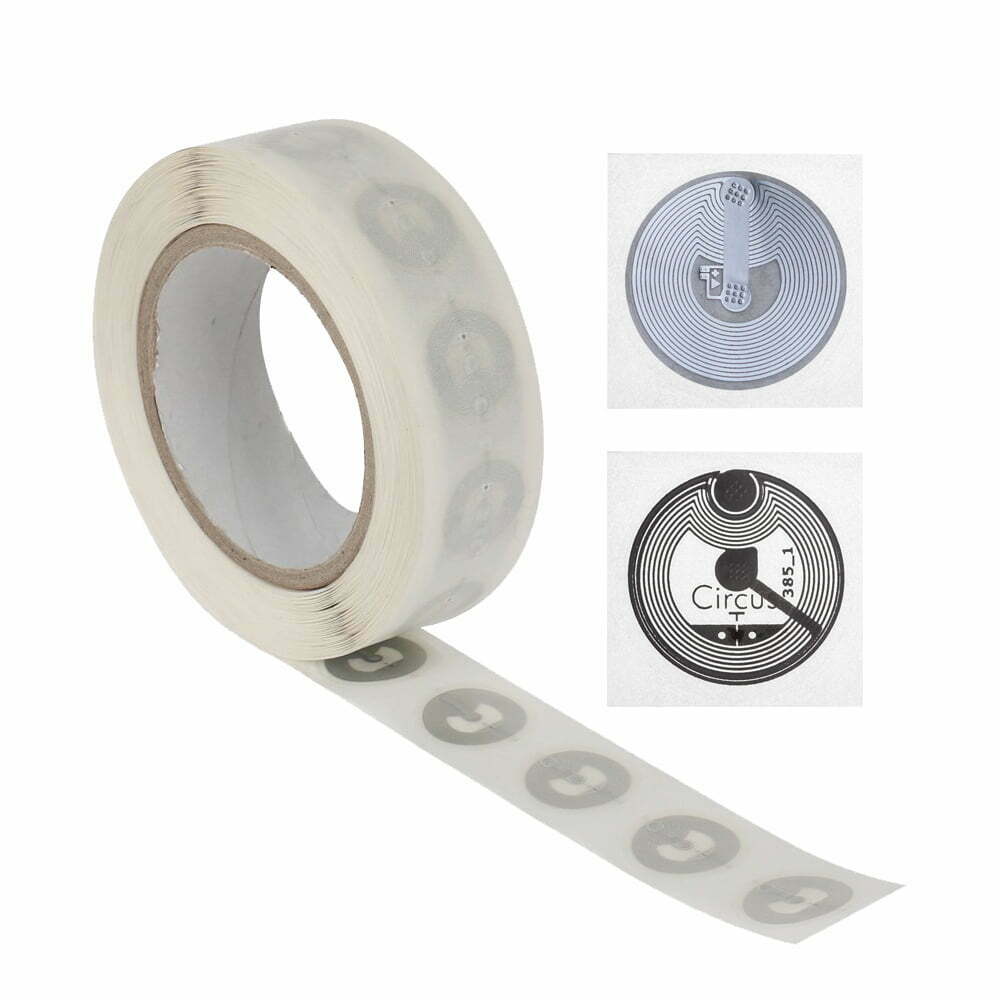
안 NFC 인레이 안테나와 집적회로로 구성 (IC) 기판에 장착(일반적으로 PET), 유연한 인쇄 회로 (FPC), 또는 직물. 안 NFC 모듈 보호 하우징 또는 캐리어 기능 추가 (예를 들어, 접착 백킹, 오버몰드 호환성, 또는 SMD 패드) 웨어러블에 대한 강력한 통합을 위해. —자세히 알아보기 호텔 NFC 솔루션.
칩 선택 가이드
올바른 IC를 선택하면 메모리 용량이 결정됩니다, 보안, 전원 모드, 및 인터페이스 기능. 다음은 NFCWORK와 호환되는 널리 배포된 칩을 비교한 것입니다. RFIDHY 인레이: —자세히 알아보기 RFID 열 손목띠.
>
| 칩 유형 | 메모리 | 보안 수준 | I²C 지원 | 일반적인 사용 사례 |
|---|---|---|---|---|
| NXP 마진 213/215/216 | 144-888바이트 | 기본 비밀번호 보호 | 아니요 | 수동 인증, 디지털 제품 여권 (DPP) 태그 디지털 제품 여권 |
| NXP NTAG I²C 플러스 | 1 KB EEPROM + 1 KB RAM | 보안 요소 지원 | 예 | 양방향 스마트워치 & 건강 웨어러블 |
| NXP MIFARE DESFire EV3 | 2-8KB | CC EAL5+, AES-256 | 아니요 | 보안 액세스 제어 스마트 웨어러블 식별 |
| ST마이크로일렉트로닉스 ST25DV | 2-64KB | I²C + RF 듀얼 인터페이스 | 예 | 듀얼 모드 의료용 패치 및 세탁 가능한 스마트 의류 |
안테나 기판 유형
기판은 유연성을 정의합니다, 내구성, 환경 회복력:
>
| 기판 | 장점 | 단점 |
|---|---|---|
| 애완 동물 | 저렴한 비용, 높은 일관성, 라미네이션에 이상적 | 제한된 굽힘 반경; 좁은 곡선에는 적합하지 않습니다. |
| FPC (유연한 PCB) | 우수한 순응성, SMD 통합 지원 | 더 높은 비용; 정밀한 핸들링이 필요합니다 |
| 직물 | 빨 수 있는, 통기성이 있는, 원활한 의류 통합 | 낮은 판독 범위; 전문적인 튜닝이 필요함 |
모듈 폼 팩터
제조 공정에 맞게 물리적 형식을 일치시키세요.:
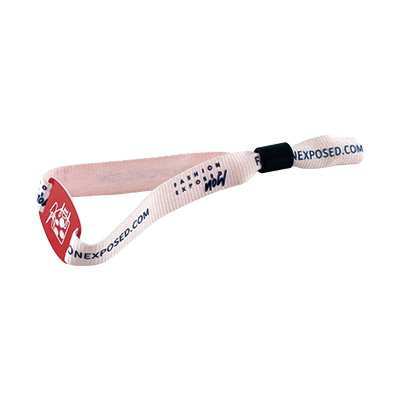
- 습식 인레이: 접착식 - 실리콘 손목 밴드에 라미네이팅하는 데 이상적 (손목밴드HY) 또는 직물 층
- 드라이 인레이: 접착제 없음 - 견고한 웨어러블 장치의 인서트 성형용으로 설계됨
- SMD 모듈: 표면 실장 가능 - PCB 기반 스마트워치 및 추적기에 사용됨
- 오버몰드 가능 모듈: 열가소성 수지 또는 실리콘으로 캡슐화 - 다음에 최적화됨 스마트 웨어러블 식별 IP67+ 밀봉이 필요한 애플리케이션
조달 고려 사항
리드타임, MOQ, 및 품질 보증은 생산 계획에 매우 중요합니다.:
- MOQ: 1,000– 표준 인레이의 경우 10,000개 단위; 맞춤형 디자인의 경우 ≥10,000
- 리드타임: 2–재고 품목의 경우 4주 (예를 들어, RFID 태그 HF 인레이); 6맞춤형 안테나 튜닝 또는 기판 엔지니어링에 –8주
- 품질 기준: ISO/IEC 14443-A/B 및 15693 규정 준수; ±5% 안테나 튜닝 허용 오차; ASTM D3359에 따른 접착력 테스트
맞춤형 대. 표준 인레이
>
| 요인 | 표준 인레이 | 맞춤형 인레이 |
|---|---|---|
| 출시 시간 | 2-3주 | 6-10주 |
| 단위당 비용 | 낮추다 (규모의 경제) | 더 높은 (NRE + 압형) |
| 디자인 유연성 | 카탈로그 크기로 제한됨 | 전체 모양, 크기, 색상, 및 기판 제어 |
| 사용 시기 | NFC 기능을 조기에 검증하거나 MVP 출시 | 독특한 인체공학의 만남, 브랜딩, 또는 규제 요구 사항 |
통합 모범 사례
제한된 웨어러블 폼 팩터에서 NFC 성능을 유지하려면: —자세히 알아보기 RFID 스타터 키트.
- 인클로저의 금속 또는 전도성 물질 주위에 ≥3mm 안테나 회피 구역을 유지하십시오.
- 참조 장치를 사용하여 오버몰딩 후 NFC 판독 범위 검증 (예를 들어, 삼성 갤럭시 S23, 아이폰 14/15)
- 3개 이상의 NFC 지원 제품으로 사전 제작 검증을 수행합니다. 스마트 폰 Android 및 iOS 플랫폼 전반에 걸쳐
권장되는 칩-기판 조합
>
| 웨어러블 유형 | 추천 칩 | 최적의 기판 |
|---|---|---|
| 실리콘 손목밴드 | NTAG 215 | PET 습식 인레이 |
| 스마트링 | MIFARE DESFire EV3 | FPC 건식 인레이 |
| 천 스트랩 | ST25DV | 직물 인레이 |
| 스마트워치 | NTAG I²C 플러스 | FPC SMD 모듈 |
| 의료용 패치 | ST25DV | 섬유 또는 의료용 PET |
FAQ
- 하다 RFIDHY NFCWORK는 맞춤형 NFC 인레이에 대한 OEM 지원을 제공합니다.?
예 - 둘 다 RFIDHY 그리고 NFCWORK 안테나 설계를 포함한 완전한 OEM 서비스 제공, 칩 맞춤화, 자격을 갖춘 웨어러블 장치 제조업체를 위한 기판 엔지니어링. - NFC 인레이는 EU DPP 요구 사항을 준수합니까??
모든 NTAG- 및 DESFire 기반 인레이 RFID 태그 그리고 NFCWORK Digital Product Passport 구현에 필요한 NDEF 호환 데이터 구조 지원. - 대량 주문을 하기 전에 NFC 인레이를 테스트할 수 있나요??
예 — 샘플 키트 (PET를 포함한, FPC, 및 직물 변형) 요청 시 다음을 통해 이용 가능합니다. 문의하기. - NFC 모듈에는 어떤 인증이 있습니까??
제품은 ISO/IEC 14443-A/B를 준수합니다., CE, FCC, 및 RoHS. 의료용 텍스타일 인레이는 ISO를 충족합니다. 10993 해당되는 경우 생체 적합성 표준.
NFC를 차세대 웨어러블에 통합할 준비가 되었습니다.?
우리 엔지니어링 팀에 무료로 문의하세요 NFC 인레이 상담, 맞춤형 타당성 검토, 샘플 요청. 우리는 지원합니다 NFC 모듈 OEM 확장 가능한 생산과의 파트너십, 신속한 프로토타이핑, 및 전체 문서 - 모두 RFIDHY 및 NFCWORK의 글로벌 공급망이 지원합니다..