Introduction
À mesure que l'électronique portable évolue, des bagues intelligentes et patchs médicaux aux bracelets en silicone et vêtements connectés, la fiabilité, la fonctionnalité NFC miniaturisée n’est plus facultative. Pour les fabricants, sélectionner le bon Incrustation NFC portable ou Module NFC OEM le partenaire a un impact direct sur les performances, conformité, et délais de mise sur le marché. Ce guide offre un résumé concis, cadre d'approvisionnement exploitable fondé sur les capacités réelles des composants NFC disponibles via RFIDHY, RFIDTAGHY, NFCTRAVAIL, et BraceletHY.
Que sont les incrustations et modules NFC?
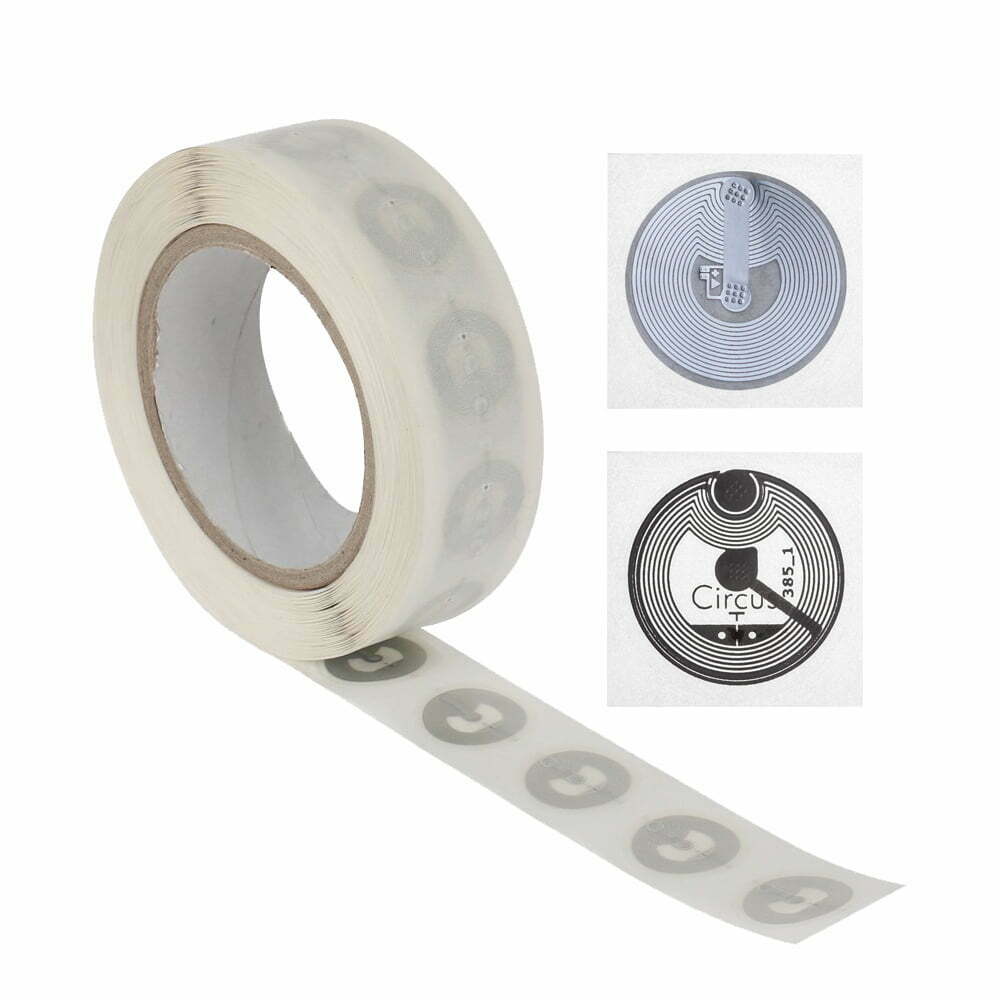
Un Incrustation NFC se compose d'une antenne et d'un circuit intégré (CI) monté sur un substrat, généralement en PET, circuit imprimé souple (FPC), ou textile. Un Module NFC ajoute un boîtier de protection ou des fonctionnalités de support (Par exemple, support adhésif, compatibilité surmoulée, ou pastilles CMS) pour une intégration robuste dans les wearables. —En savoir plus sur solution NFC pour hôtel.
Guide de sélection des puces
Choisir le bon circuit intégré détermine la capacité de la mémoire, sécurité, mode d'alimentation, et capacité d'interface. Vous trouverez ci-dessous une comparaison des puces largement déployées compatibles avec NFCWORK et RFIDHY incrustations: —En savoir plus sur bracelet thermique rfid.
>
| Type de puce | Mémoire | Niveau de sécurité | Prise en charge I²C | Cas d'utilisation typique |
|---|---|---|---|---|
| Marge NXP 213/215/216 | 144–888 octets | Protection par mot de passe de base | Non | Authentification passive, passeport produit numérique (DPP) balises dans Passeport produit numérique |
| NXP NTAG I²C Plus | 1 Ko EEPROM + 1 Ko de RAM | Prise en charge des éléments sécurisés | Oui | Montres intelligentes bidirectionnelles & appareils portables de santé |
| NXP MIFARE DESFire EV3 | 2–8 Ko | CC EAL5+, AES-256 | Non | Contrôle d'accès sécurisé dans Identification portable intelligente |
| STMicroelectronics ST25DV | 2–64 Ko | I²C + Double interface RF | Oui | Patchs médicaux bi-mode et vêtements intelligents lavables |
Types de substrat d'antenne
Le substrat définit la flexibilité, durabilité, et résilience environnementale:
>
| Substrat | Avantages | Inconvénients |
|---|---|---|
| ANIMAL DE COMPAGNIE | Faible coût, haute consistance, idéal pour le laminage | Rayon de courbure limité; ne convient pas aux courbes serrées |
| FPC (PCB flexible) | Excellente conformabilité, prend en charge l'intégration CMS | Coût plus élevé; nécessite une manipulation précise |
| Textile | Lavable, respirant, intégration transparente des vêtements | Plage de lecture inférieure; réglage spécialisé requis |
Facteurs de forme des modules
Adaptez le format physique à votre processus de fabrication:
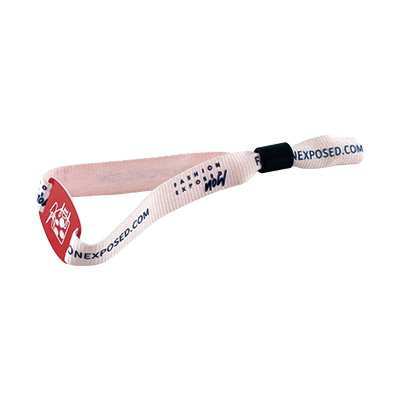
- Incrustation humide: Dos adhésif : idéal pour plastifier des bracelets en silicone. (BraceletHY) ou couches de tissu
- Incrustation sèche: Sans adhésif — conçu pour le moulage par insertion dans des appareils portables rigides
- module CMS: Montable en surface – utilisé dans les montres intelligentes et les trackers basés sur PCB
- Module prêt pour le surmoulage: Encapsulé dans du thermoplastique ou du silicone — optimisé pour Identification portable intelligente applications nécessitant une étanchéité IP67+
Considérations relatives à l'approvisionnement
Délais, MOQ, et l'assurance qualité sont essentielles à la planification de la production:
- MOQ: 1,000–10 000 unités pour les inlays standards; ≥10 000 pour les conceptions personnalisées
- Délai de mise en œuvre: 2–4 semaines pour les articles en stock (Par exemple, RFIDTAGHY Incrustations HF); 6–8 semaines pour le réglage personnalisé de l'antenne ou l'ingénierie du substrat
- Normes de qualité: ISO/CEI 14443-A/B et 15693 conformité; Tolérance de réglage d'antenne de ± 5 %; tests d'adhérence selon ASTM D3359
Personnalisé vs. Incrustations standards
>
| Facteur | Incrustations standards | Incrustations personnalisées |
|---|---|---|
| Délai de mise sur le marché | 2–3 semaines | 6–10 semaines |
| Coût par unité | Inférieur (économie d'échelle) | Plus haut (NRE + outillage) |
| Flexibilité de conception | Limité aux dimensions du catalogue | Pleine forme, taille, couleur, et contrôle du substrat |
| Utiliser quand | Validation anticipée de la fonctionnalité NFC ou lancement de MVP | À la rencontre d’une ergonomie unique, image de marque, ou exigences réglementaires |
Meilleures pratiques d'intégration
Pour préserver les performances NFC dans des facteurs de forme portables limités: —En savoir plus sur kit de démarrage RFID.
- Maintenir une zone d'évitement d'antenne ≥ 3 mm autour du métal ou des matériaux conducteurs dans les boîtiers
- Valider la plage de lecture NFC après le surmoulage à l'aide d'appareils de référence (Par exemple, SamsungGalaxy S23, iPhone 14/15)
- Effectuer une validation de pré-production avec au moins trois appareils compatibles NFC téléphones intelligents sur les plateformes Android et iOS
Combinaisons puce-substrat recommandées
>
| Type portable | Puce recommandée | Substrat optimal |
|---|---|---|
| Bracelet en silicone | NTAG 215 | Incrustation humide en PET |
| Bague intelligente | MIFARE DESFire EV3 | Incrustation sèche FPC |
| Sangle en tissu | ST25DV | Incrustation textile |
| Montre intelligente | NTAG I²C Plus | Module FPC CMS |
| Patch médical | ST25DV | PET textile ou médical |
FAQ
- Faire RFIDHY et NFCWORK offrent une prise en charge OEM pour les incrustations NFC personnalisées?
Oui, les deux RFIDHY et NFCTRAVAIL fournir des services OEM complets, y compris la conception d'antennes, personnalisation de la puce, et ingénierie des substrats pour les fabricants qualifiés d'appareils portables. - Les incrustations NFC sont-elles conformes aux exigences DPP de l'UE?
Tous les NTAG- et incrustations basées sur DESFire de RFIDTAGHY et NFCTRAVAIL prendre en charge les structures de données conformes au NDEF requises pour la mise en œuvre du passeport produit numérique. - Puis-je tester les incrustations NFC avant de passer des commandes en volume?
Oui — kits d'échantillons (y compris PET, FPC, et variantes textiles) sont disponibles sur demande via CONTACTEZ-NOUS. - Quelles certifications portent vos modules NFC?
Les produits sont conformes à la norme ISO/IEC 14443-A/B, CE, FCC, et RoHS. Les incrustations textiles de qualité médicale sont conformes à la norme ISO 10993 normes de biocompatibilité le cas échéant.
Prêt à intégrer NFC dans votre prochain portable?
Contactez notre équipe d'ingénierie gratuitement Consultation d'incrustation NFC, examen de faisabilité personnalisé, et demande d'échantillon. Nous soutenons Module NFC OEM des partenariats avec une production évolutive, prototypage rapide, et une documentation complète, le tout soutenu par la chaîne d'approvisionnement mondiale de RFIDHY et NFCWORK.
Demander des échantillons d'incrustations NFC & Consultation