Johdanto
Kun puettava elektroniikka kehittyy – älysormuksista ja lääketieteellisistä laastareista silikonirannekkeisiin ja liitettyihin vaatteisiin – luotettavaa, Pienoistettu NFC-toiminto ei ole enää valinnainen. Valmistajille, oikean valinnan NFC-inlay puettava tai NFC-moduuli OEM kumppani vaikuttaa suoraan suorituskykyyn, noudattamista, ja aika markkinoille. Tämä opas antaa ytimekkäästi, toimiva hankintakehys, joka perustuu todellisiin NFC-komponenttiominaisuuksiin, jotka ovat saatavilla RFIDHY, RFIDTAGHY, NFCWORK, ja RannekeHY.
Mitä ovat NFC-inlayt ja -moduulit?
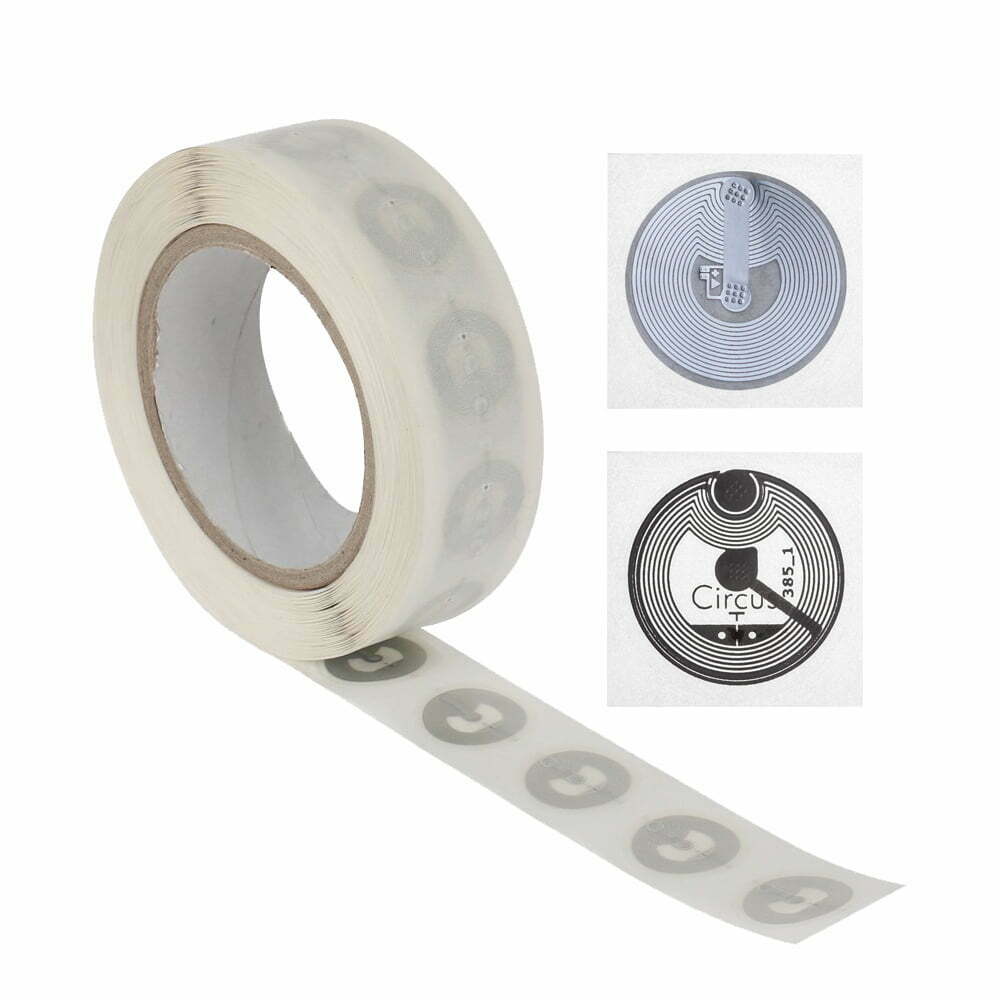
An NFC upote koostuu antennista ja integroidusta piiristä (IC) asennettu alustalle - tyypillisesti PET, joustava painettu piiri (FPC), tai tekstiiliä. An NFC moduuli lisää suojaavan kotelon tai kannattimen ominaisuuksia (ESIM., liimautuva tausta, ylimuotin yhteensopivuus, tai SMD-tyynyt) kestävään integrointiin puettavissa oleviin laitteisiin. – Lisätietoja aiheesta hotel nfc -ratkaisu.
Sirujen valintaopas
Oikean IC:n valinta määrittää muistikapasiteetin, turvallisuus, tehotila, ja käyttöliittymäominaisuudet. Alla on vertailu laajalti käytössä olevista siruista, jotka ovat yhteensopivia NFCWORK:n ja RFIDHY upotukset: – Lisätietoja aiheesta RFID lämpöranneke.
>
| Sirun tyyppi | Muisti | Turvataso | I²C-tuki | Tyypillinen käyttötapaus |
|---|---|---|---|---|
| NXP NTAG 213/215/216 | 144-888 tavua | Perus salasanasuojaus | Ei | Passiivinen todennus, digitaalinen tuotepassi (DPP) tunnisteet sisään Digitaalinen tuotepassi |
| NXP NTAG I²C Plus | 1 KB EEPROM + 1 KB RAM | Turvallinen elementtituki | Kyllä | Kaksisuuntaiset älykellot & puettavat terveydenhuollon vaatteet |
| NXP MIFARE DESFire EV3 | 2–8 KB | CC EAL5+, AES-256 | Ei | Suojattu kulunvalvonta sisään Älykäs puettava tunnistus |
| STMicroelectronics ST25DV | 2–64 KB | I²C + RF-kaksoisliitäntä | Kyllä | Kaksitoimiset lääketieteelliset laastarit ja pestävät älyvaatteet |
Antennialustatyypit
Substraatti määrittää joustavuuden, kestävyys, ja ympäristön sietokyky:
>
| Substraatti | Plussat | Miinukset |
|---|---|---|
| LEMMIKKI | Alhaiset kustannukset, korkea konsistenssi, ihanteellinen laminointiin | Rajoitettu taivutussäde; ei sovellu tiukoille kaarteille |
| FPC (Joustava piirilevy) | Erinomainen mukautuvuus, tukee SMD-integraatiota | Korkeammat kustannukset; vaatii tarkkaa käsittelyä |
| Tekstiili | Pestävä, hengittävä, saumaton vaatteiden integrointi | Alempi lukualue; tarvitaan erikoissäätöä |
Moduulin muototekijät
Yhdistä fyysinen muoto valmistusprosessiisi:
- Märkä inlay: Liimataustainen – ihanteellinen laminointiin silikonirannekkeisiin (RannekeHY) tai kangaskerroksia
- Kuiva inlay: Ei liimaa – suunniteltu jäykkien puettavien laitteiden muovaukseen
- SMD moduuli: Pinta-asennus – käytetään PCB-pohjaisissa älykelloissa ja seurantajärjestelmissä
- Ylimuovausvalmius moduuli: Kapseloitu kestomuoviin tai silikoniin – optimoitu Älykäs puettava tunnistus IP67+ tiivistystä vaativiin sovelluksiin
Hankintoja koskevat näkökohdat
Läpimenoajat, MOQ:t, ja laadunvarmistus ovat kriittisiä tuotannon suunnittelussa:
- MOQ: 1,000–10 000 yksikköä vakiokuormituksille; ≥10 000 räätälöidyille malleille
- läpimenoaika: 2-4 viikkoa varastotuotteille (ESIM., RFIDTAGHY HF inlayt); 6–8 viikkoa mukautettuun antenniviritykseen tai substraattisuunnitteluun
- Laatustandardit: ISO/IEC 14443-A/B ja 15693 noudattamista; ±5 % antennin viritystoleranssi; adheesiotesti ASTM D3359 mukaan
Mukautettu vs. Normaalit inlayt
>
| Tekijä | Normaalit inlayt | Custom Inlays |
|---|---|---|
| Aika markkinoille | 2-3 viikkoa | 6-10 viikkoa |
| Yksikkökohtainen hinta | Alentaa (mittakaavaetu) | Korkeampi (NRE + työkalut) |
| Suunnittelun joustavuus | Rajoitettu luettelon mittoihin | Täysi muotoinen, koko, väri, ja substraatin ohjaus |
| Käytä Milloin | NFC-toimintojen varmistus varhaisessa vaiheessa tai MVP:n käynnistäminen | Tapaa ainutlaatuisen ergonomian, brändäys, tai lakisääteisiä vaatimuksia |
Integraation parhaat käytännöt
Säilyttää NFC-suorituskyvyn rajoitetuissa puettavissa muodoissa: – Lisätietoja aiheesta RFID-aloitussarja.
- Säilytä ≥3 mm:n antennin välttelyalue metallien tai johtavien materiaalien ympärillä koteloissa
- Vahvista NFC-lukualueen jälkimuovaus käyttämällä vertailulaitteita (ESIM., Samsung Galaxy S23, iPhone 14/15)
- Suorita tuotantoa edeltävä validointi vähintään kolmella NFC-yhteensopivalla älypuhelimet Android- ja iOS-alustoilla
Suositeltavat lastun ja alustan yhdistelmät
>
| Käytettävä tyyppi | Suositeltu siru | Optimaalinen alusta |
|---|---|---|
| Silikoninen ranneke | Väite 215 | PET märkä inlay |
| Älykäs rengas | MIFARE DESFire EV3 | FPC kuiva inlay |
| Kangashihna | ST25DV | Tekstiilikuormitus |
| Älykello | NTAG I²C Plus | FPC SMD moduuli |
| Lääketieteellinen laastari | ST25DV | Tekstiiliä tai lääketieteellistä PET |
Faq
- Tehdä RFIDHY ja NFCWORK tarjoavat OEM-tuen mukautetuille NFC-uoksille?
Kyllä - molemmat RFIDHY ja NFCWORK tarjoavat täydet OEM-palvelut, mukaan lukien antennien suunnittelu, sirun mukauttaminen, ja substraattisuunnittelu päteville puettavien laitteiden valmistajille. - Ovatko NFC-inlayt EU:n DPP-vaatimusten mukaisia?
Kaikki NTAG- ja DESFire-pohjaiset upotteet RFIDTAGHY ja NFCWORK tukevat NDEF-yhteensopivia tietorakenteita, joita tarvitaan Digital Product Passport -toteutukseen. - Voinko testata NFC-upotuksia ennen volyymitilausten tekemistä?
Kyllä - näytesarjat (mukaan lukien PET, FPC, ja tekstiiliversiot) ovat saatavilla pyynnöstä kautta OTA YHTEYTTÄ. - Mitä sertifikaatteja NFC-moduuleillasi on?
Tuotteet ovat ISO/IEC 14443-A/B -standardin mukaisia, CE, FCC, ja RoHS. Lääketieteellinen tekstiiliupo on ISO-standardin mukainen 10993 bioyhteensopivuusstandardit tarvittaessa.
Valmiina integroimaan NFC seuraavaan puettavaan laitteeseen?
Ota yhteyttä suunnittelutiimiimme ilmaiseksi NFC-inlay konsultointi, mukautettu toteutettavuusarvio, ja näytepyyntö. Me tuemme NFC-moduuli OEM kumppanuuksia skaalautuvan tuotannon kanssa, nopea prototyyppi, ja täydellinen dokumentaatio – kaikki RFIDHY:n ja NFCWORKin maailmanlaajuisen toimitusketjun tukemana.