Em indústrias perigosas como petróleo e gás, a segurança do trabalhador não é negociável. Ainda, as medidas de segurança tradicionais muitas vezes ficam aquém em ambientes de alto risco. De acordo com a OSHA, 20% de mortes no local de trabalho ocorrer na construção, mineração, e extração de petróleo – muitos deles devido a atrasos nas respostas de emergência ou acesso não autorizado a zonas restritas.
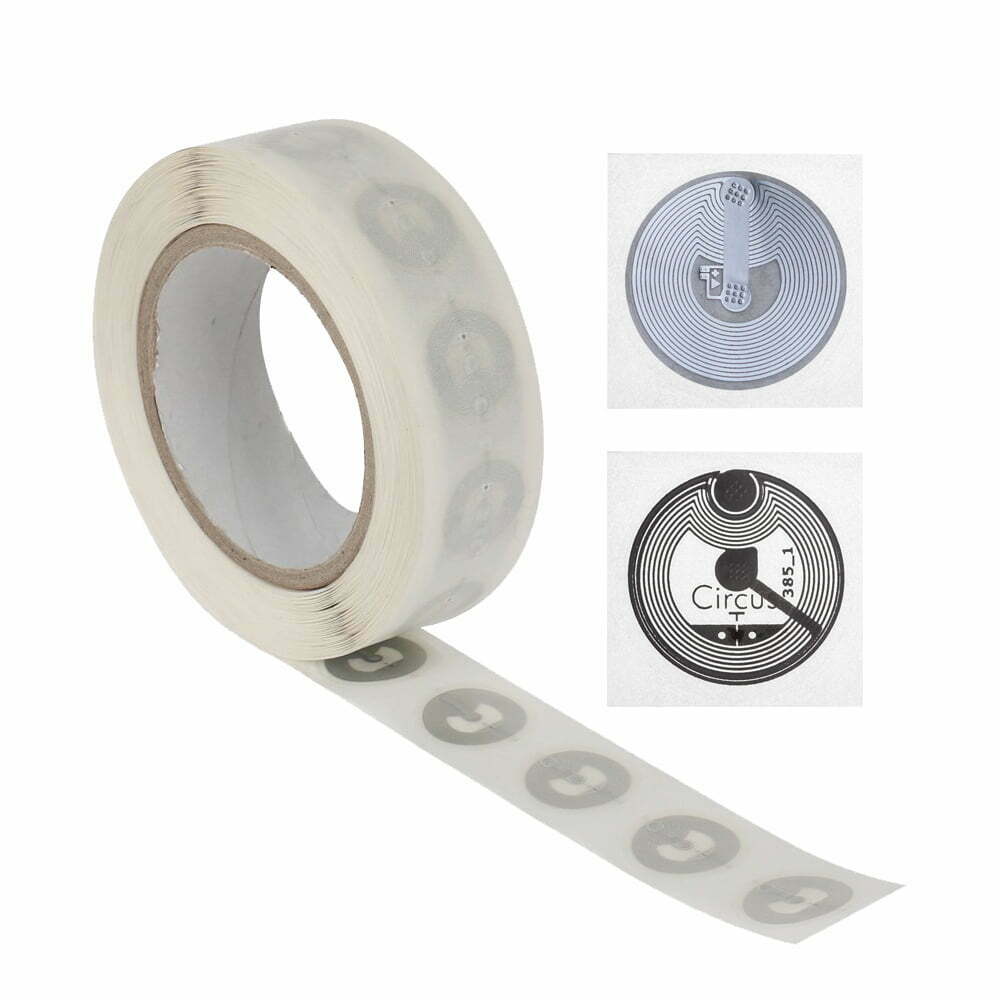
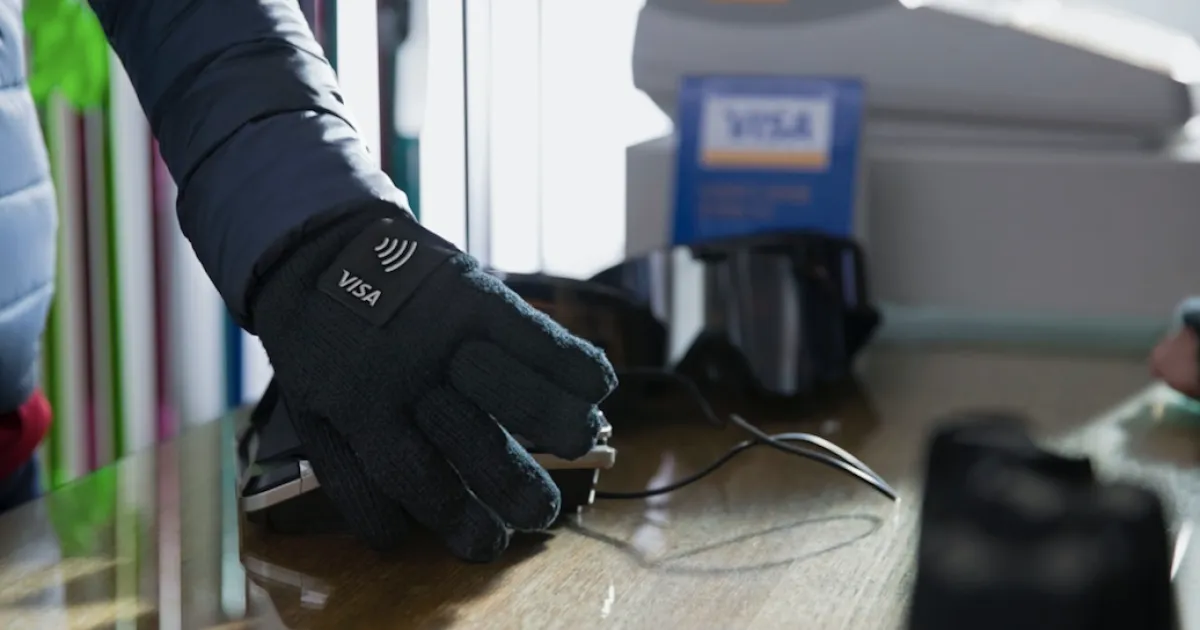
Vestíveis habilitados para NFC estão transformando os protocolos de segurança. Por incorporação Tags NFC em pulseiras, capacetes, e emblemas, as empresas podem monitorar a localização dos trabalhadores, acionar alertas instantâneos, e acessar dados médicos críticos durante emergências. Este guia explora a tecnologia, requisitos de conformidade, e o impacto no mundo real dos wearables NFC em ambientes perigosos.
1.Como funcionam os wearables NFC: Visão geral da tecnologia
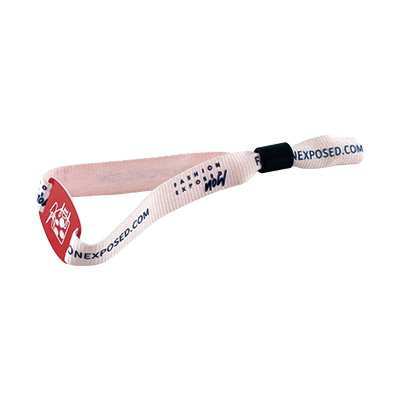
a.Pulseiras NFC com tags incorporadas
Como funciona:
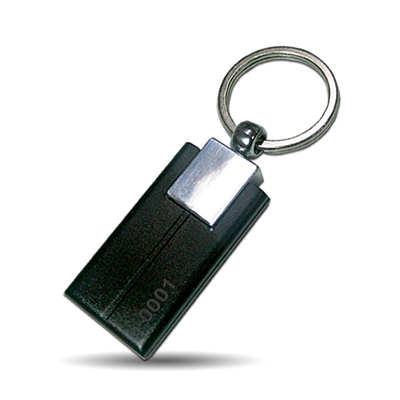
- Os trabalhadores usam pulseiras ou crachás habilitados para NFC.
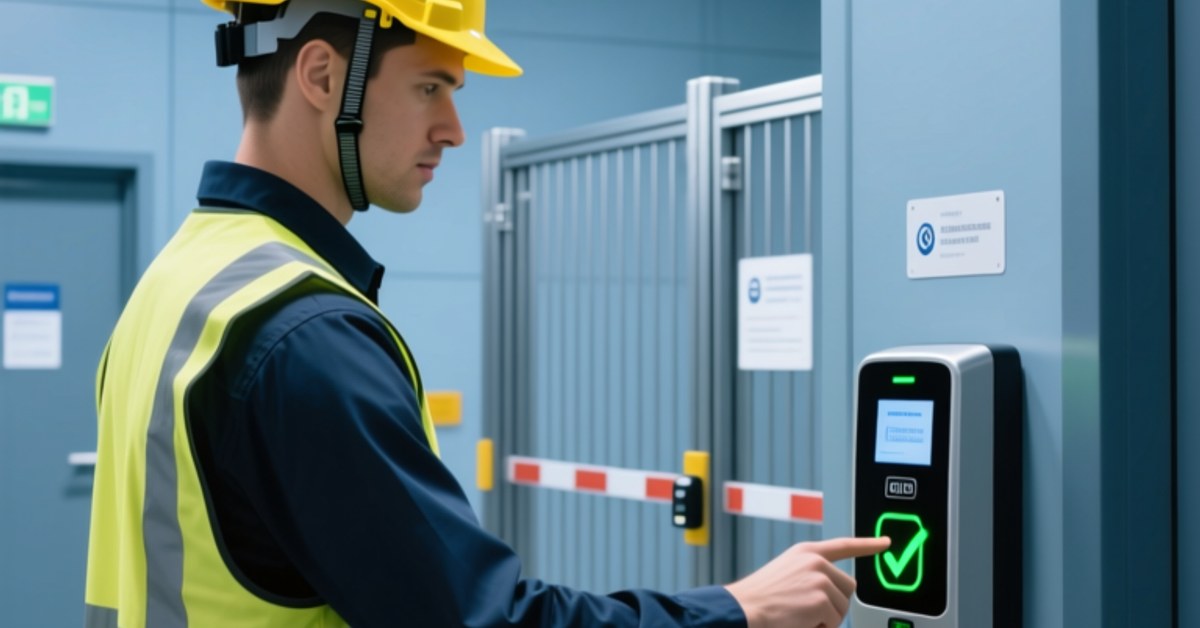
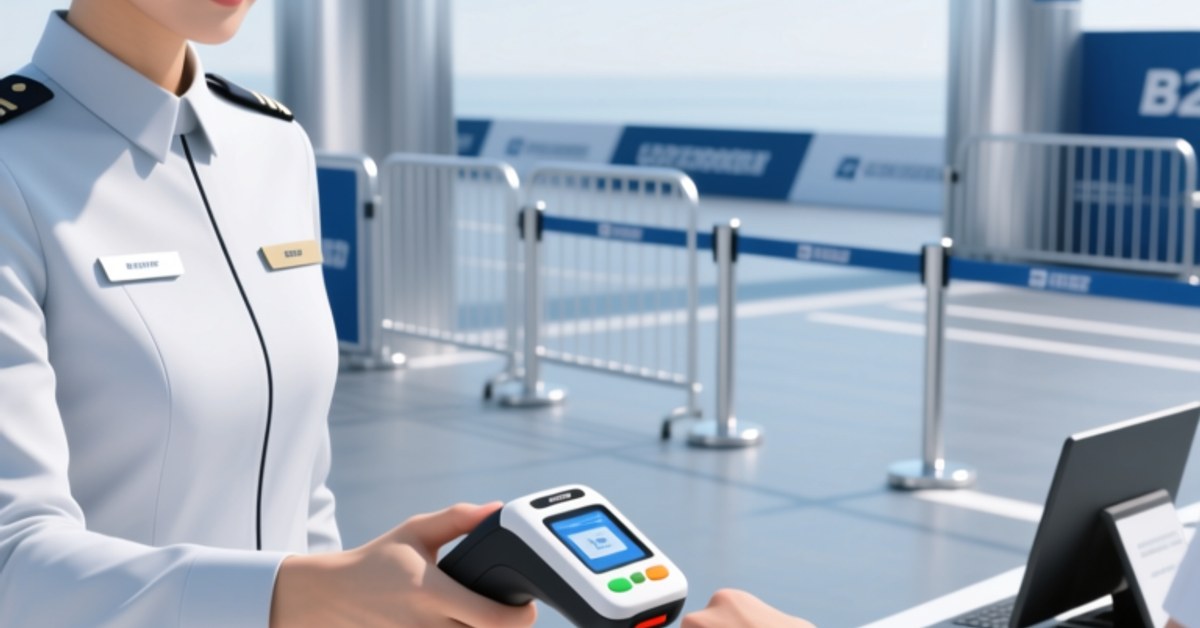
- Leitores nas entradas das zonas escaneiam etiquetas para verificar as permissões de acesso.
- Alertas são acionados se pessoal não autorizado entrar em áreas restritas.
Principais recursos:
- Rastreamento de localização em tempo real: Identifica a localização dos trabalhadores dentro 10 precisão em centímetros.
- Armazenamento de dados de emergência: Armazena tipo sanguíneo, alergias, e contatos de emergência.
b. Integração de zonas de risco
Como funciona:
- Leitores NFC são instalados em zonas perigosas (Por exemplo, locais de perfuração, armazenamento de produtos químicos).
- As tags se comunicam com os leitores para registrar os horários de entrada/saída e monitorar os limites de exposição.
2.Principais recursos dos wearables de segurança NFC
a. Alertas de zona restrita
Problema: O acesso não autorizado a áreas de alto risco causa 15% de acidentes industriais (OSHA).
Solução: Leitores NFC nas entradas das zonas acionam alarmes se pessoal não identificado entrar.
Exemplo:
Uma refinaria no Texas reduziu os incidentes de acesso não autorizado 60% usando crachás habilitados para NFC.
b. Acesso emergencial a dados
Problema: Respostas médicas atrasadas pioram as lesões em 30% de casos (NIOSH).
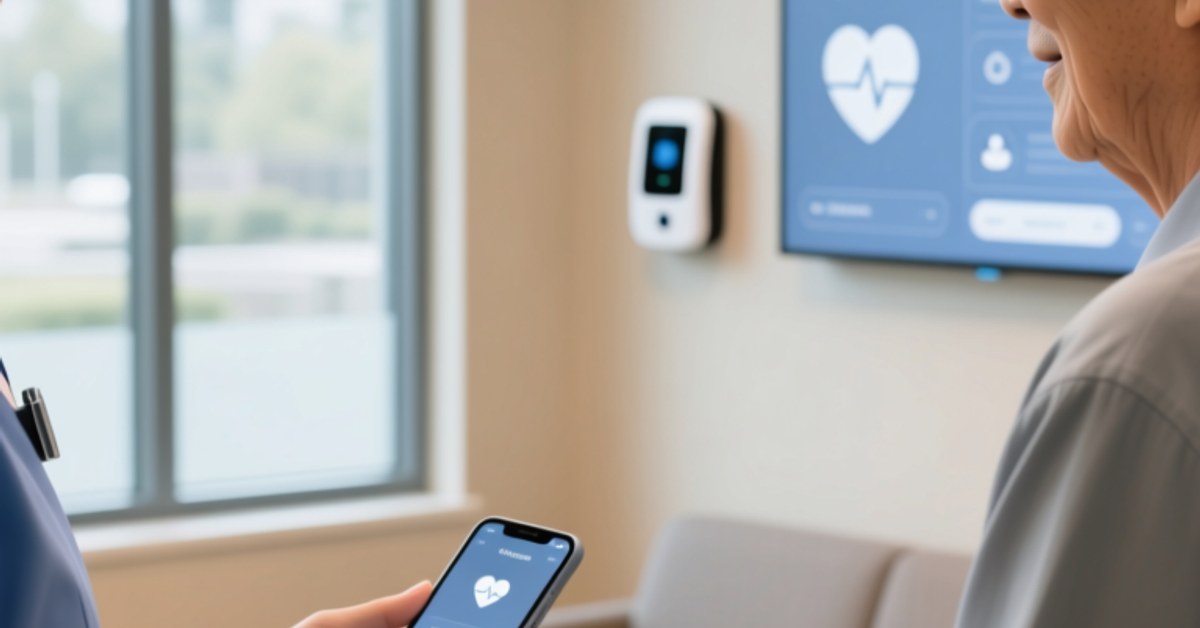
Solução: Os socorristas escaneiam pulseiras NFC para acessar:
- Tipo sanguíneo.
- Alergias.
- Contatos de emergência.
Exemplo:
Uma empresa de mineração na Austrália reduziu o tempo de resposta a emergências em 40% usando wearables NFC.
c.Monitoramento de Exposição
Problema: A exposição prolongada a toxinas ou radiação leva a problemas de saúde a longo prazo.
Solução: Tags NFC registrar a duração da exposição e alertar os trabalhadores quando os limites forem atingidos.
3.Conformidade: Certificação ATEX e IECEx
a.Diretiva ATEX (UE)
O que é: Garante que o equipamento seja seguro para uso em atmosferas explosivas.
Requisitos NFC:
- Tags e leitores devem suportar temperaturas e pressões extremas.
- Materiais anti-faíscas para ambientes de petróleo e gás.
b. Certificação IECEx (Global)
O que é: Padrão internacional para segurança em ambientes explosivos.
Requisitos NFC:
- Impermeabilização com classificação IP68.
- Projetos resistentes a EMI para evitar interferências.
Para a ponta: Escolha wearables NFC com certificação dupla ATEX/IECEx para operações globais.
4.Estudo de caso: 40% Menos incidentes de segurança no campo petrolífero
Problema: Um campo petrolífero do Mar do Norte experimentou 12 incidentes de segurança anualmente, incluindo entradas não autorizadas em zonas e respostas de emergência atrasadas.
Solução:
- Emitimos pulseiras habilitadas para NFC para todos 500 trabalhadores.
- Leitores instalados em zonas perigosas.
Resultados (12 Meses):
- Incidentes de segurança diminuíram 40%.
- Tempo de resposta a emergências melhorado em 35%.
- Alcançou total conformidade com os regulamentos de segurança da UE.
Fonte: Relatório interno da Offshore Energy Solutions (2024).
5.ROI de wearables NFC em indústrias perigosas
| Métrica | Antes da NFC | Depois da NFC |
| Incidentes de segurança | 12/ano | 7/ano (-40%) |
| Tempo de resposta a emergências | 8 minutos | 5 minutos (-35%) |
| Multas de Conformidade | $50,000/ano | $0 |
| Economia anual | $0 | $120,000+ |
Fonte: Análises de custos de segurança OSHA e NIOSH (2023).
👇 Clique para solicitar:
[Solicite pulseiras de segurança habilitadas para NFC]
Por que os wearables NFC são o futuro da segurança industrial?
Desde alertas de perigo em tempo real até acesso instantâneo a dados médicos, Os wearables NFC capacitam as empresas a proteger os trabalhadores e, ao mesmo tempo, atender a padrões de segurança rigorosos. Em indústrias de alto risco, esta tecnologia não é apenas uma atualização – é uma tábua de salvação.