Бирдиктүү жумуш орунуна өтүү
Корпоративдик объекттер жана IT лидерлери кызматкерлердин имараттарга кирүү жолун жөнөкөйлөтүү үчүн кысымга кабылышат, жалпы кызматтарды колдонуу, жана жумуш күнү аркылуу өтүү. Салттуу орнотуулар көбүнчө бир нече эсептик дайындарды талап кылат: эшиктер үчүн жакындык картасы, кагаз келүү билети, басып чыгаруу үчүн өзүнчө ID, жана кафеде төлөм үчүн дагы бир карта. Бул бөлүнүү административдик чыгымдарды жана коопсуздук боштуктарын жаратат.
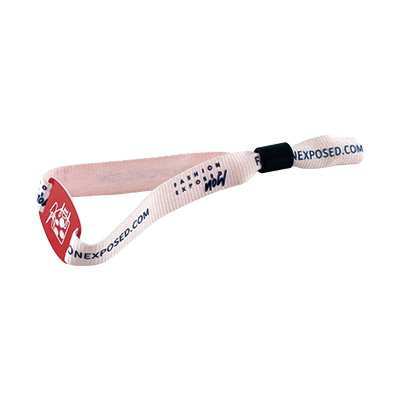
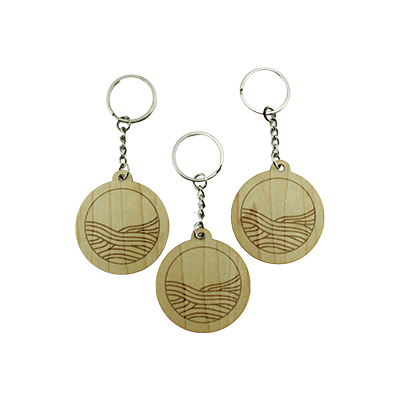
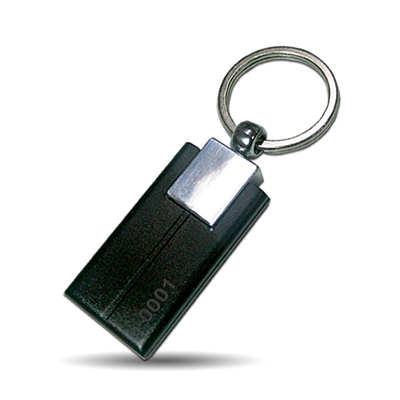
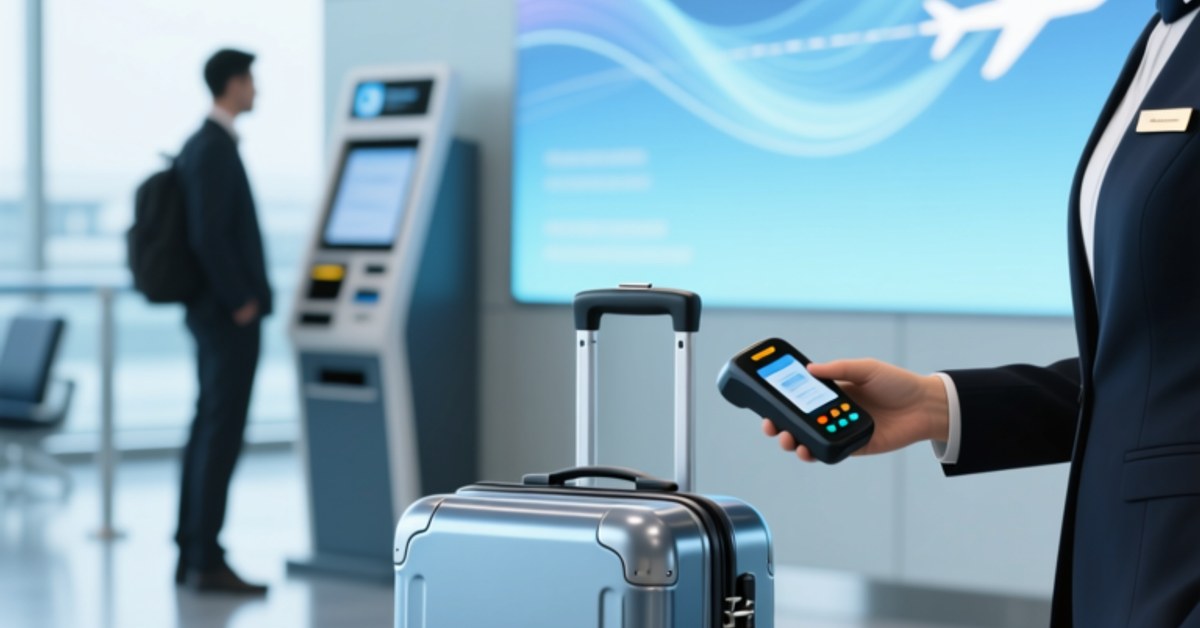
Ан NFC кызматкеринин төш белгиси бул функцияларды бир контактсыз эсепке бириктирет. HF/NFC технологиясы боюнча курулган, төш белги заманбап мүмкүндүк окурмандар менен иштейт, конокторду башкаруу системалары, убакыт жана катышуу терминалдары, жана жумуш ордунда көптөгөн кызматтар. Анткени аны NFC иштетилген аркылуу окуй алат Смартфон ошондой эле туруктуу окурмандар, ал ошондой эле санариптик кошуу үчүн мүмкүнчүлүктөрдү ачат, убактылуу эсептик дайындарды активдештирүү, жана бөлүшүү үчүн аныктоонун иш процесстери.
Сатып алуу жана операциялык топтор үчүн, бир смарт ID картага кирүү программа кайра чыгарууну азайтышы мүмкүн, подрядчыны ишке киргизүүнү жөнөкөйлөтүү, жана иштеп жаткан эшик аппаратурасын толук оңдоону талап кылбастан, кызматкерлердин тажрыйбасын жакшыртуу. Ошол эле учурда, туура төш белги куруу тандоо, чип платформасы, коддоо ыкмасы, жана интеграция жолу жайгаштыруу коопсуз жана масштабдуу бойдон калаарын аныктайт.
NFC Кызматкер Белгилери Заманбап Кирүүнү башкарууда кантип иштейт
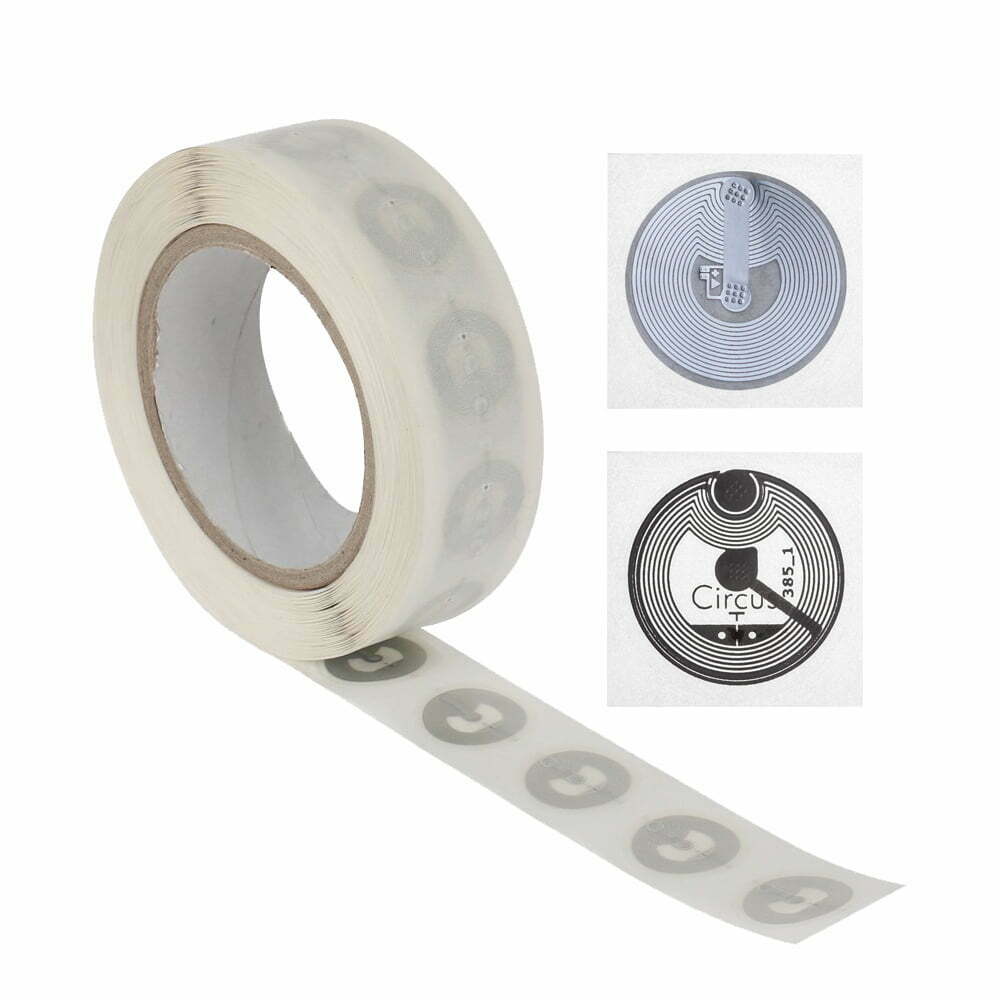
NFC кызматкер төш белгилери адатта иштейт 13.56 МГц жана ISO менен туура келет 14443 же ISO 15693 стандарттар. Аларда пассивдүү интегралдык микросхема жана ПВХга салынган антенна бар, курама, же поликарбонат карта корпусу. NFC иштетилген окурманга же заманбап смартфонго сунушталганда, төш белги окурман талаасынан энергия алып, чипке жана системанын конфигурациясына жараша шифрленген же жөнөкөй маалыматтарды алмаштырат.
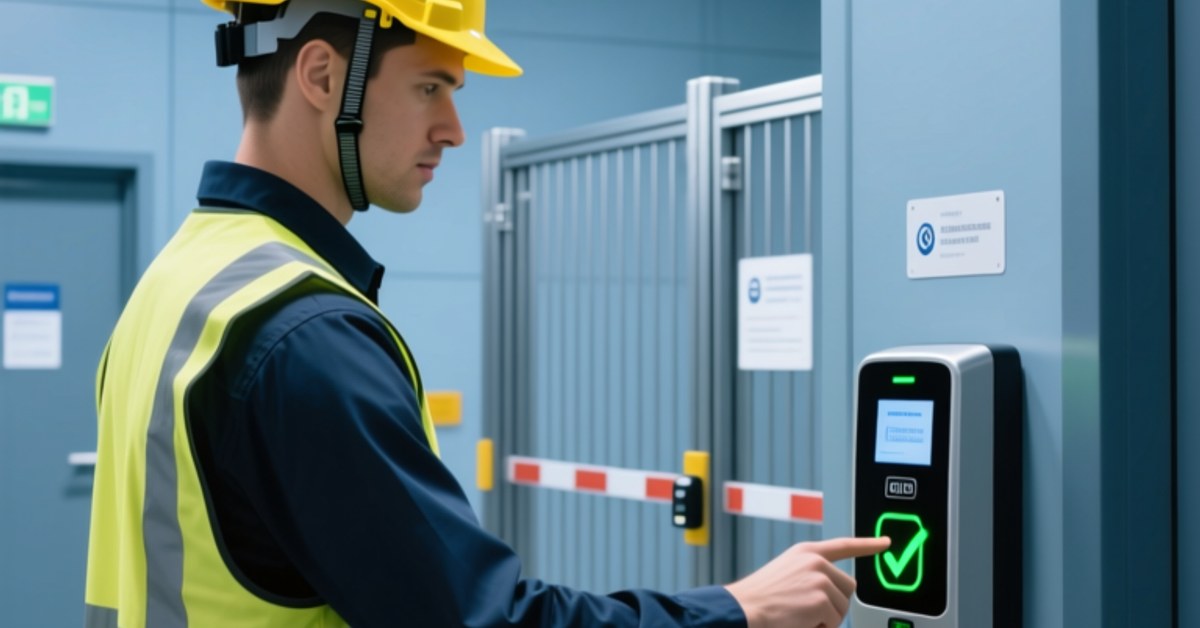
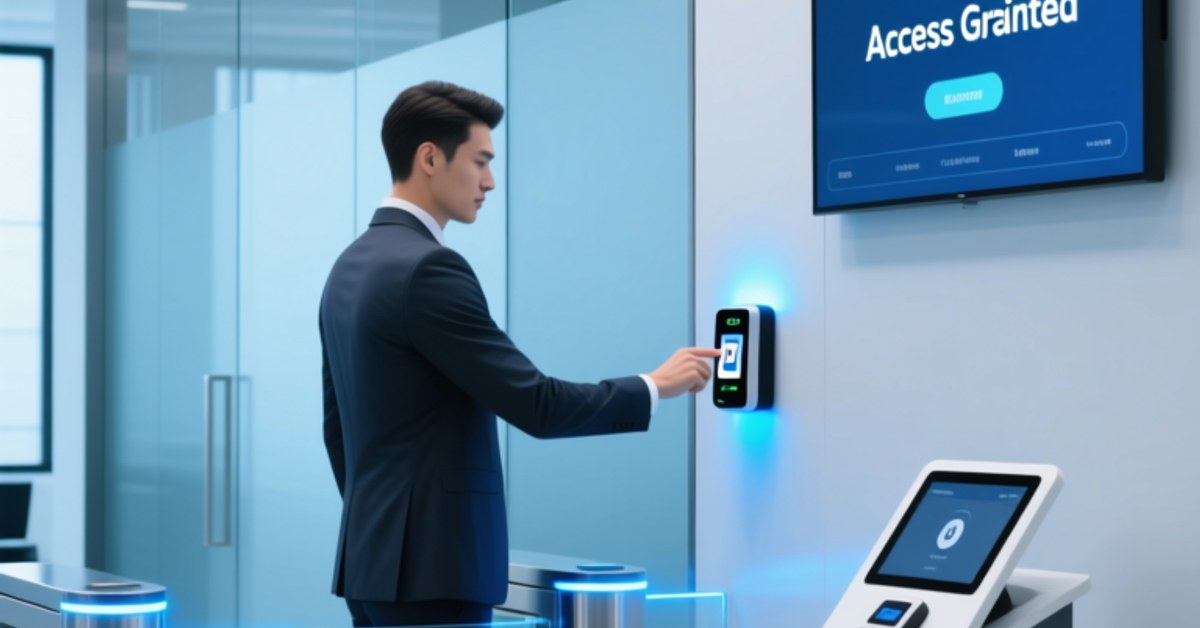
Офис чөйрөлөрүндө, эшиктерге дубалга орнотулган окурмандар, турникеттер, лифттер, жана паркинг дарбазалары кирүү мүмкүнчүлүгүн башкаруу системасы менен бириктирилиши мүмкүн. А туруктуу RFID Reader же NFC окугуч панели контроллерге бейджик идентификаторун жөнөтөт, графиктердин негизинде кирүүнү ырастайт, зоналар, жана тазалоо деңгээли. Ошол эле бейджик клондоштуруунун алдын алуу үчүн өз ара аутентификацияны жана диверсификацияланган ачкычтарды колдой алат.
Жалпы кеңсеге кирүүнү башкаруу NFC интеграция пункттары кирет:
- Фойелерде эшиктин окурмандары, кеңселер, жана чектелген кабаттар
- Кампустун кире беришиндеги турникеттер жана ылдамдык дарбазалары
- Кабат деңгээлиндеги чектөөлөр үчүн лифт көздөгөн башкаруу панелдери
- Унаанын кирүүсүнө жол тосмолор
- Көп факторлуу талаптар менен сервер бөлмөсү жана маалымат борборунун эшиктери
Колдонуудагы инфраструктураны алмаштырбастан мүмкүндүктү башкаруу интеграциясы
Жалпы тынчсыздануулардын бири - NFC бейджиктерин жайылтуу окурманды дүңүнөн алмаштырууга мажбурлайбы. Көп учурларда, андай эмес. Көптөгөн бар 13.56 MHz окурмандары мурунтан эле MIFARE DESFire колдойт, MIFARE Classic, же башка NFC-шайкеш чиптер. Эгерде учурдагы кирүү системасы эски төмөн жыштыкты колдонсо 125 кГц жакындык карталары, этаптуу миграция талап кылынышы мүмкүн, бирок бул миграцияны адегенде критикалык эшиктерге NFC-жөндөмдүү окурмандарды кошуу менен пландаштырса болот.
Интеграция көбүнчө PACS сатуучунун API же стандарттык протоколдору аркылуу ишке ашырылат. Мүмкүнчүлүктү башкаруу программасы картанын сериялык номерин же колдонмонун идентификаторун сактайт жана аны кызматкердин жазуусу менен байланыштырат. Кызматкердин төш белгиси тапшырылганда, система уруксаттарды текшерет. Бир нече имараттар же аралаш окурман парктары бар уюмдар үчүн, бир каталогдо идентификацияны борборлоштуруу бейджиктин өмүр циклин башкарууну жеңилдетет.
Ички ресурстар командаларга варианттарды баалоого жардам берет: карап чыгуу NFC карталары жана тегдери жана акылдуу жумуш орду чечимдери ишеним грамотасынын форматын тандоодон мурун.
Батареясыз Белги Дизайн Артыкчылыктары
NFC кызматкер төш белгилеринин негизги артыкчылыгы - алар пассивдүү жана батареясыз. активдүү айырмаланып RFID Тэгдери же батареяларды талап кылган Bluetooth иштетилген бейджиктер, NFC смарт ID карталары эч кандай ички энергия булагын талап кылбайт. Бул түздөн-түз операциялык артыкчылыктарга ээ:
- Менчиктин жалпы наркын төмөндөтүү: Батарея алмаштыруу жок, заряддоо доктары, же жок кылынган батареялар.
- Узак кызмат мөөнөтү: Чип жана антенна физикалык жактан бүтүн болсо, төш белги иштей берет.
- Күтүлбөгөн каталар жок: Батарея менен иштеген төш белги эшикте иштебей калышы мүмкүн; пассивдүү төш белги окурмандын күчү менен иштейт.
- Ичке жана бышык форма фактору: Батареясы жок карталар жука болушу мүмкүн, басып чыгарууга болот, жана учурдагы ID төш белги ээлери менен шайкеш келет.
- Оңой туруктуулук: Азыраак сарпталуучу материалдар жана азыраак электрондук калдыктар корпоративдик туруктуулук максаттарын колдойт.
Курулуш жетекчилери үчүн, батарейкасыз бейджиктер ошондой эле өлгөн эсептик маалыматтарга байланыштуу жардам кызматына билеттердин азайышын билдирет. Пассивдүү NFC технологиясынын ишенимдүүлүгү аны трафик көп болгон кызматкерлердин кире беришине жана бир нече жума бою колдонулбай турган подрядчынын төш белгилерине ылайыктуу кылат..
>
| Мүмкүнчүлүгү | Батареясыз NFC бейджиги | Батарея менен иштеген активдүү бейджик |
|---|---|---|
| Кубат булагы | Окурман талаасы | Ички батарея |
| Тейлөө түйшүгү | Минималдуу | Батареяны алмаштыруу же кайра заряддоо |
| Кадимки окуу диапазону | Байланышсыз, кыска жана орто | Узак диапазон болушу мүмкүн |
| Эң туура | Эшик кирүү, Кызматкердин ID, зыяратчы өтөт | Узак аралыкта жайгашкан жерди көзөмөлдөө же реалдуу убакытта сезүү |
Карточкалык материалдар жана кызматкерлердин төш белгилери үчүн форма фактору
Объекттердин командалары көбүнчө төш белгинин физикалык дизайнын көз жаздымда калтырышат. Күнүмдүк колдонуу үчүн, тез-тез иштөөгө туруштук бере турган карт корпустарын тандаңыз, лентаны колдонуу, жана кээде нымдуулуктун же ысыктын таасири. PVC, Үй жаныбары, жана поликарбонат курама карталары кеңири таралган. Бондор үчүн уяча штамп же клип тиркеме опциясы талап кылынышы мүмкүн. Подрядчы чөйрөлөр үчүн, бышык композициялык денелер алмаштыруу курсун азайтышы мүмкүн.
Эгерде ошол эле ишеним грамотасы басып чыгаруу же визуалдык ID үчүн колдонулса, картанын бети жогорку сапаттагы басып чыгарууну колдойт. Көптөгөн уюмдар биригишет NFC чиптери кызматкерлердин сүрөттөрү менен, бөлүмдөр, жана шашылыш байланыш маалыматы. Алдын ала басып чыгарылган же үй ичиндеги персоналдаштыруу процесси эрте аныкталышы керек, анткени ал карт запастарын жана принтердин чыгымдалуучу материалдарын тандоого таасирин тийгизет..
Смартфондорду кошумча эсеп катары колдонуу
Анткени NFC бейджиктери көптөгөн NFC иштетилген технологиянын негизинде курулган Смартфон, уюмдардын уюлдук кирүү капчыктарына инсандыгын кеңейтүү мүмкүнчүлүктөрү бар. Белгиге негизделген программа дароо телефондорго өтүүнү талап кылбайт, бирок негизги эсеп форматын каалаган болсо, келечектеги мобилдик мүмкүнчүлүктү колдоо үчүн тандалышы мүмкүн. Кызматкерлер телефондорун көтөрүп жүргөн мекемеге кирүү үчүн, бул бейджикке көз карандылыкты азайтышы мүмкүн. Бирок, физикалык белгилер коноктор үчүн маанилүү бойдон калууда, подрядчиктер, телефондорго уруксат берилбеген жерлер, жана көрүнөө аныкталуучу ишеним грамотасы катары.
Бул гибриддик ыкма жөнүндө кененирээк талкууланат NFC иштетилген смартфон бет.
Конокторду жана подрядчыларды башкаруу
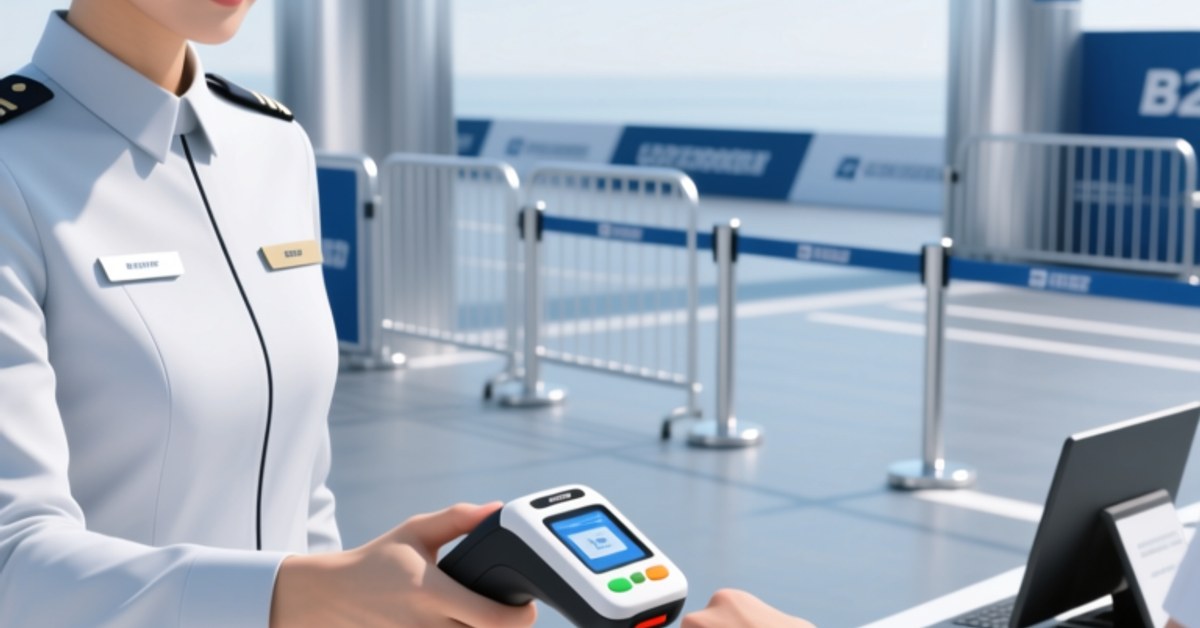
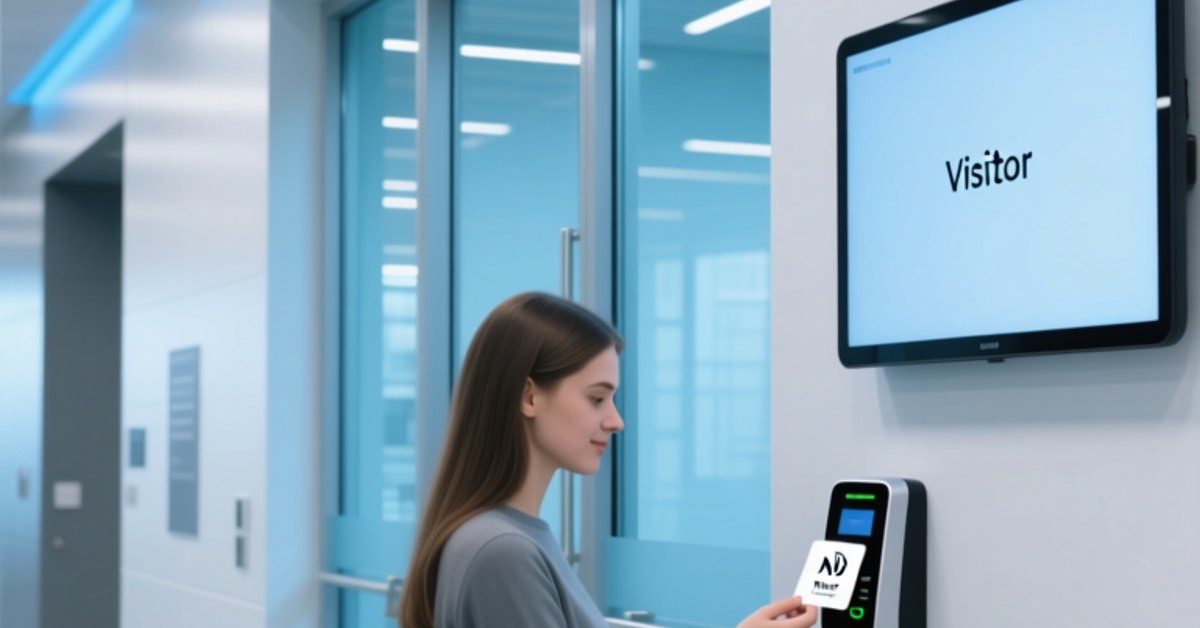
Конокторду жана подрядчыларды башкаруу көптөгөн кеңселердин коопсуздук программаларындагы эң алсыз жерлердин бири бойдон калууда. Келүүчүлөрдүн кагаз журналдары, кол жазма белгилери, жана кол менен коштоолорду текшерүү кыйын жана кампустун масштабын кеңейтүү кыйын. NFC кызматкеринин төш белгисинин программасы зыяратчылар үчүн убактылуу ишеним грамоталарына чейин узартылышы мүмкүн, сатуучулар, жана подрядчылар. Качан коноктордун төш белгисин башкаруу толугу менен санарип болуп саналат, алдыңкы офис командалары кол журналдары жок пропусктарды чыгара жана жокко чыгара алышат.
NFC бейджиктери менен конокторду каттоону жеңилдетүү
Конокторду башкаруу системасы иш тактасын колдоно алат RFID Reader же конок келгенде убактылуу төш белгини коддоо үчүн кабылдамадагы NFC окурманы. Конокторду башкаруу системасынан алдын ала каттоо маалыматтары төш белгинин сериялык номери менен байланыштырылышы мүмкүн, алдыңкы бөлүмдүн кызматкерлери секунданын ичинде төш белги чыгарууга мүмкүндүк берет. Ошол эле төш белги менен программаланган болот:
- Жарактуу кирүү жана чыгуу убакыт терезелери
- Белгилүү кабаттарга кирүү, жолугушуу бөлмөлөрү, жана жалпы мейкиндиктер
- зыяратчы келгенде хост-кызматкер кабарлоо
- Сапардын аягында автоматтык түрдө мөөнөтү бүтөт
Анткени төш белги пассивдүү, зыяратчылар кокусунан Bluetooth өчүрүү же батареясы түгөнүп, аны өчүрө албайт. Зыяратчы жөн гана белгиленген окурмандарга картаны көрсөтөт. күндүн аягында, төш белги кабыл алуу бассейнине кайтып келет же бир жолку келгендер үчүн биротоло өчүрүлөт.
Подрядчы жана Убактылуу мүмкүндүктөрдү көзөмөлдөө
Подрядчылар көбүнчө бир жолку келүүчүлөргө караганда кеңири мүмкүнчүлүккө муктаж, бирок алардын жетилиши дагы эле чектелиши керек, кайтарылып алынуучу, жана аудитордук. Подрядчылар үчүн көп колдонмо NFC бейджиги белгиленген зоналарды камтышы мүмкүн, убакыт чектөөлөр, жана коопсуздук же шайкештик абалы. Эгерде подрядчынын тапшырмасы аяктаса, инсандыгын тастыктаган жазуу борбордон жокко чыгарылышы мүмкүн, жана бейджик мындан ары кирүү мүмкүнчүлүгүн бербейт.
Объектилердин командалары үчүн, кызматкерлер жана подрядчылар үчүн бир эле инфраструктураны колдонуу өзүнчө убактылуу төш белги системасын сактоонун зарылдыгын азайтат. Ал ошондой эле ырааттуу аудит изи түзөт. Субподрядчы кабаттардын же долбоордук аймактардын ортосунда көчүп келгенде, кирүү саясаты төш белгини ээрчийт.
Көп колдонмо төш белгиси: Бир карта, Көптөгөн Колдонуулар
NFC кызматкеринин төш белгисинин эң жогорку мааниси, ал жөн гана эшиктин ачкычы эмес, көп колдонмонун идентификациялык тастыктамасы катары каралса келет.. Мүмкүнчүлүктөрдү башкаруу пайдубалы туруктуу болгондон кийин объекттер жана IT менеджерлери жумуш орду кызматтарын акырындык менен кошо алышат.
типтүү көп колдонмо пайдалануу камтыйт:
>
| Жумуш орду кызматы | NFC бейджик колдонуу учуру |
|---|---|
| Физикалык мүмкүнчүлүк | эшиктер, турникеттер, лифттер, паркинг |
| Убакыт жана катышуу | Жумуш аймактарында кирүү/чыгуу терминалдары |
| Логикалык мүмкүнчүлүк | PC кирүү, VPN, принтер PKI же SSO менен жупташканда чыгарылат |
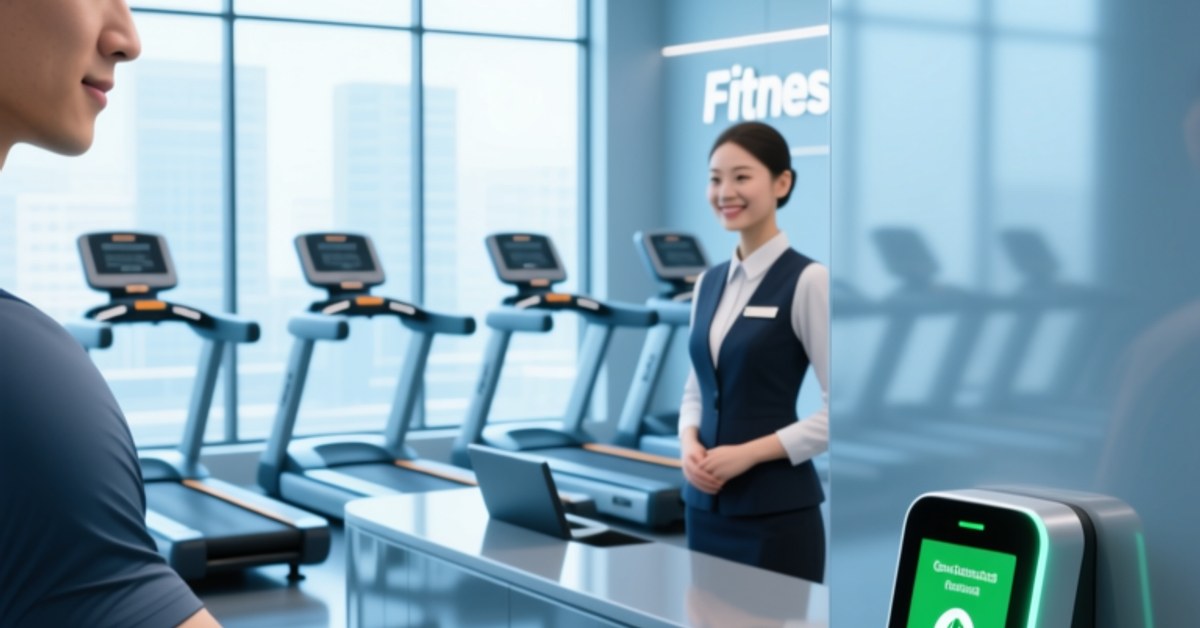
| Кафетерия жана соода | Накталай эмес төлөм же тамактануу планынын балансы |
| Жолугушуу бөлмөлөрү | Ээлеп коюуну ырастоо жана бөлмө панелин текшерүү |
| EV заряддоо | Заряддоо станцияларында кызматкерлердин аутентификациясы |
Практикада, бир карта жана көп колдонуу курулуш кызматтарынын ортосунда тыгыз координацияны талап кылат, коопсуздук, жана IT. Жалпы архитектура PACSти эшикке кирүү үчүн ыйгарым укуктуу булак жана башка кызматтар үчүн инсандыкты башкаруу платформасы катары колдонот.. Бейджик чипинде бир нече тиркемелер болушу мүмкүн, бирок арткы система ар бир кызмат эмне кыла аларын аныктайт. Бул жокко чыгаруу борборлоштурулган сакталат: кызматкер кеткенде, бардык кызматтар бир эле учурда токтойт.
Убактылуу же сырттан алынган жумушчу күчү бар уюмдар үчүн, көп колдонмо төш белгиси, ошондой эле чектелген иш-подрядчынын ишеним грамотасы катары берилиши мүмкүн. Мисалы, коомдук тамактануу боюнча подрядчы белгиленген сааттарда тейлөө лифттерине жана белгилүү бир кабатка кире алат, плюс кафетерия накталай эмес төлөм уруксат болсо. Ошол эле бейджик байланышы жок имаратка кирүү мүмкүнчүлүгүн бербейт.
Объекттер жана IT командалары үчүн жайгаштыруу маселелери
NFC кызматкеринин төш белгисин ийгиликтүү жайылтуу бул картаны жана окурманды тандоо эмес. Бул коопсуздук боюнча тегиздөө талап кылынат, объектилер, HR, жана IT. Төмөнкү ойлор тобокелдиктерди азайтууга жана кайра иштетүүдөн качууга жардам берет.
1. Эсептик маалымат технологиясын жана коопсуздук талаптарын аныктаңыз
бир тандаңыз NFC Chip учурдагы же келечектеги окурмандарыңыз колдогон платформа. Common ойлор чип эс өлчөмүн камтыйт, шифрлөө колдоо, жана төш белги сериялык номерди гана сактайбы же санарип кеңсесинин ишеним грамотасы сыяктуу кошумча маалыматтарды сактайбы. Жогорку коопсуздук объектилери үчүн, картанын сериялык номерине гана таянбастан, өз ара аутентификацияны жана диверсификацияланган ачкычтарды колдогон чиптерди тандаңыз.
2. Каттоо жана коддоо иш процесстерин пландоо
Персоналдаштырууну рабочий RFID окугуч жана төш белги басып чыгаруучу программалык камсыздоо менен үй ичинде ишке ашырууга болот, же алдын ала коддолгон бейджик кызматы аркылуу. Тышкы бюрону колдонсоңуз, кызматкерлердин маалыматтары кандайча берилээрин аныктоо, картанын сериялык номерлери кирүү системасына кантип импорттолот, жана сапатты көзөмөлдөө кандайча текшерилет. Келүүчү жана подрядчынын төш белгилери үчүн, алдынкы столдун жөнөкөй болушун камсыз кылуу, кайталануучу коддоо процесси.
3. Толук жайылтуудан мурун учкуч
Бир имараттан баштаңыз, бир кабат, же кызматкерлердин чакан тобу. Окурмандын иштешин ырастоо, бейджик багыты, тилке жана кармагыч эффекттери, жана системанын кечигүү убактысы. Пилот ошондой эле кош технологиялуу окурмандар сыяктуу четки учурларды аныктоого жардам берет, дарбазага кирүү, жана лифттик интеграция. Кампусту кеңейтүүдөн мурун ички окуу материалдарын тактоо үчүн пилотту колдонуңуз.
4. Жок кылууну жана жашоо циклин башкарууну түзүү
Жоголгон же уурдалган төш белгилер дароо жокко чыгарылууга тийиш. Мүмкүнчүлүктү көзөмөлдөө программасы HR же коопсуздук топторуна бейджикти өчүрүп, башка кызматтарга таасирин тийгизбестен алмаштырууга мүмкүндүк бериши керек. Ачык ишеним грамотасынын өмүр цикли-суроо, бекитүү, коддоо, дайындоо, токтотуу, жаңылоо, жокко чыгаруу-системаны текшере турган абалда кармап, жетим эсептерди азайтат.
5. Дарек Купуялык жана Кызматкерлер менен байланыш
Анткени NFC бейджиктери бир нече кызматтарды колдоого алат, кандай маалыматтар сакталганы жана алар кандайча колдонулганы тууралуу ачык-айкын болуңуз. Бейджик идентификаторду же кошумча жеке маалыматтарды гана сактай тургандыгын билдириңиз. Кызматкерлер таптап-смартфон менен өз ара аракеттенүүсүнө тынчсызданышы мүмкүн болгон жерлер үчүн, NFC кызматкеринин бейджиктери окурманга берилмейинче маалыматтарды өткөрбөй турганын тактаңыз.
6. Жалпы жайылтуу каталарынан качыңыз
Бир нече маселелер башка катуу NFC бейджигин жайылтуудан баш тартышы мүмкүн:
- Окурман сайтынын сурамжылоосун өткөрүп жиберүү: Учурдагы эшик контроллерлору жана окурман моделдери тандалган NFC чипти колдоого албашы мүмкүн.
- Бир гана коопсуздук текшерүүсү катары картанын сериялык номерин колдонуу: Сериялык номерлерди клондосо болот. Кооптуу аймактарда коопсуз аутентификацияны колдонуңуз.
- Кирүүнү башкаруудан мурун бардык колдонмолорду коддоо туруктуу: Физикалык жетүү ишенимдүү иштегенден кийин кызматтарды кошуу оңой.
- Кызматкерлердин баарлашуусуна көңүл бурбоо: Төш белгини кантип жана кайда колдонуу керектиги тууралуу башаламандык жардам кызматынын жүктөмүн көбөйтөт.
- Коноктордун жана подрядчынын төш белгилерине кийинки ой катары мамиле кылуу: Убактылуу эсептик дайындар кызматкерлердин бейджиктери сыяктуу эле жашоо циклин көзөмөлдөөнү талап кылат.
NFC Кызматкерлеринин Белгилери үчүн Бизнес Кейс куруу
Объекттер жана IT-менеджерлер көп учурда эски төш белгилерден миграцияны негиздеши керек. Эң күчтүү аргументтер операциялык эффективдүүлүк, коопсуздукту жакшыртуу, жана эсептик документтин жашоо циклинин баасы төмөн. Аппараттык баага гана көңүл буруунун ордуна, үч жылдан беш жылга чейинки жалпы наркын баалоо. Батареясыз бейджиктер батареяны алмаштырууну жокко чыгарат жана кайра чыгарууну азайтат, жана бир нече ишеним грамоталарын бир төш белгиге бириктирүү административдик татаалдыкты азайтат.
Практикалык бизнес иши камтыйт:
- Жоголгон же сынган бейджиктер үчүн үстөлдүн колдоосу кыскартылган
- Конокторду кабыл алууда тезирээк иштетүү
- Подрядчылар үчүн жакшыраак аудит жолдору жана убактылуу жетүү
- өзүнчө тамактын баасы алынып салынды, басып чыгаруу, жана паркинг карталары
- Түзүү жана кирүү мүмкүнчүлүгүн жокко чыгаруу үчүн кол менен кийлигишүүлөр азыраак
Бөлүнгөн эсептик дайындардан бир Smart IDге
Корпоративдик кеңселер өзүнчө прокси картадан баш тартып жатышат, кагаз зыяратчы өтөт, жана бир максаттуу төш белгилер. NFC кызматкеринин төш белгиси бирдиктүү болууга практикалык жолду камсыз кылат жумуш орду NFC идентификациясы бул коопсуздукту жакшыртат, административдик жүктү азайтат, жана түшкү төлөөгө эшиктин кирүүсүнө чейин күнүмдүк операцияларды колдойт. Батареясыз бейджик дизайнына басым жасоо менен, колдонуудагы мүмкүнчүлүктү башкаруу менен интеграциялоо, зыяратчыларды жана подрядчыларды башкаруу, жана көп колдонууга даярдыгы, объектилер жана IT менеджерлери уюм менен масштабдуу системаны орното алышат.
FAQ
NFC кызматкеринин бейджиктери кеңсеге кирүү үчүн жетиштүү коопсузбу??
Ооба, шифрлөө жана туура мүмкүндүк алуу саясаты менен ишке ашырылганда. Өз ара аутентификацияны колдогон бейджик чиптерин тандаңыз жана диверсификацияланган ачкычтарды текшерген физикалык кирүү башкаруу тутумун колдонуңуз. Коопсуздугу жогору аймактар үчүн сериялык номерлерге гана ишенүүдөн алыс болуңуз.
NFC бейджиктери учурдагы карта окугучтары менен иштейби?
Көптөгөн заманбап 13.56 MHz окурмандары мурунтан эле NFC шайкеш бейджиктерди колдошот. Эгер учурдагы тутумуңуз эски системаны колдонсо 125 кГц жакындык карталары, этап-этабы менен окурманды жаңылоо талап кылынышы мүмкүн. Сайттын изилдөөсү шайкештиктин кемчиликтерин аныктайт.
Коноктордун бейджиктеринин мөөнөтү автоматтык түрдө бүтө алабы?
Ооба. Убактылуу бейджиктер дата жана убакыт чектөөлөрү менен программаланышы мүмкүн. Кирүү терезеси өткөндөн кийин, PACS физикалык төш белги сакталып калса да кирүүдөн баш тартат.
Бир NFC бейджиги унаа токтотуучу жай үчүн колдонулушу мүмкүнбү, басып чыгаруу, жана кафетерий төлөө?
Ооба. Көп колдонмо NFC бейджиги физикалык жетүү үчүн бөлүнүшү мүмкүн, убакыт жана катышуу, логикалык мүмкүнчүлүк, жана сакталган баалуу кызматтар. Келечектеги кеңейүүнү жөнөкөйлөтүү үчүн чиптин эс тутумунун структурасын жайылтуудан мурун пландаштырыңыз.
Кызматкер төш белгисин жоготкондо эмне болот?
Белги кирүү башкаруу системасында дароо жокко чыгарылып, физикалык эшиктин жабдыктарын өзгөртпөстөн алмаштырылышы мүмкүн.. Бул башка кызматкерлерге тоскоолдук кылбастан, объектти уруксатсыз пайдалануудан коргойт.
Батареясыз NFC бейджиктери кубаттоону талап кылат?
Жок. Пассивдүү NFC бейджиктери окурман талаасынан күч алат, ошондуктан алар батарейкалардын же заряддоонун кереги жок. Бул тейлөөнү азайтат жана өлүп калган батарейкалардын токтоп калуу убактысын жок кылат.
NFC менен жумуш ордуңузду модернизациялаңыз
NFCWORK Технологиясы корпоративдик объекттерге жана интеграторлорго кирүү мүмкүнчүлүгүн көзөмөлдөөдөн конокторду башкарууга жана көп тиркеме идентификаторуна чейин практикалык NFC кызматкеринин төш белги программаларын иштеп чыгууга жардам берет..
- Батареясыз смарт ID картаны жайылтуу боюнча көрсөтмө
- Окурман, карта, жана коддоо шайкештигин колдоо
- Масштабдуу келүүчү жана подрядчынын эсептик иш процесстери
Жумуш ордуңуздагы NFC идентификациялык долбоору тууралуу биздин команда менен сүйлөшүңүз же изилдөө NFC өнүмдөрү.