Introducción: Por qué el cumplimiento normativo de los juguetes necesita una capa digital
Los juguetes vendidos en la UE se rigen ahora por un entorno de seguridad de producto más estricto. El Reglamento General de Seguridad de los Productos (GPSR), aplicable desde 13 Diciembre 2024, amplía las obligaciones de trazabilidad e información al consumidor para todos los productos de consumo, incluyendo juguetes. Al mismo tiempo, La Directiva sobre seguridad de los juguetes 2009/48/CE sigue estableciendo normas químicas detalladas., mecánico, Requisitos eléctricos y de inflamabilidad.. Para fabricantes, importadores y equipos de cumplimiento de exportaciones, El desafío ya no es solo pasar las pruebas de laboratorio, sino también demostrar y mantener la información de seguridad durante todo el ciclo de vida del producto..
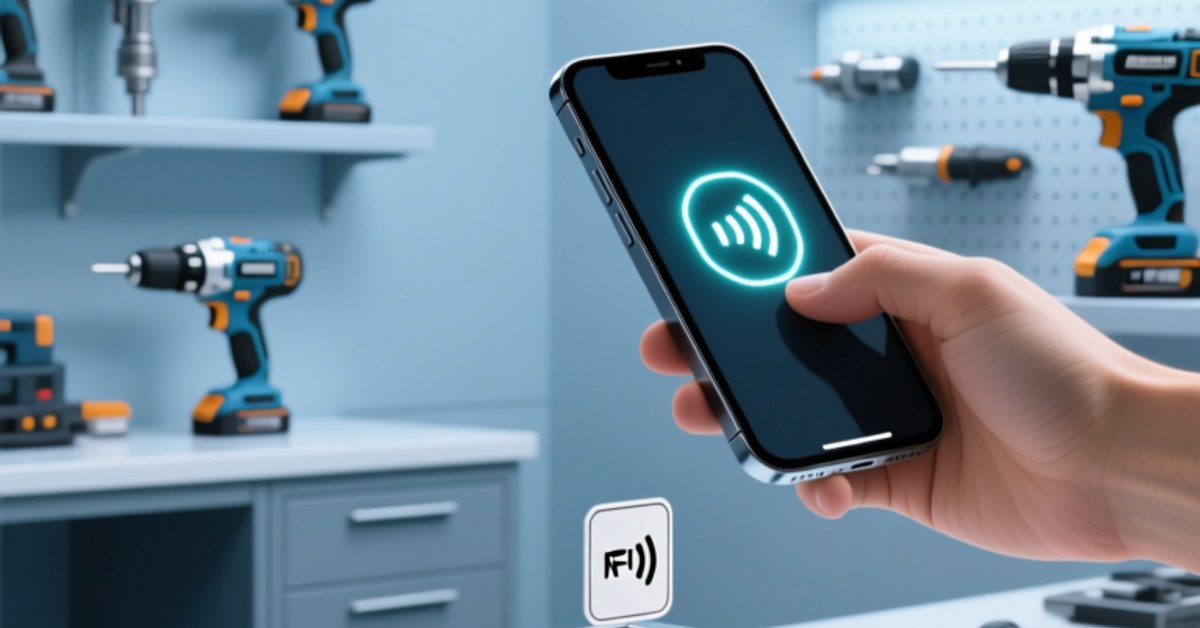
Una NFC Pasaporte de producto digital para juguetes proporciona una respuesta práctica. Al adjuntar un Etiqueta NFC, Etiqueta NFC o incrustación NFC en el producto o embalaje, Cada juguete puede vincularse a un registro basado en la nube que contiene documentación de seguridad., advertencias, datos por lotes y actualizaciones de recuperación en vivo. Padres, Los minoristas y reguladores pueden escanear con un teléfono inteligente habilitado para NFC y acceder a la información correcta al instante.. Para obtener información sobre el caso de uso más amplio, ver Pasaporte de producto digital.
Desde una perspectiva de marca, esto es más que un archivo de cumplimiento. Un bien diseñado DPP puede reducir las consultas de soporte, dar confianza a los minoristas durante las auditorías, y crear un registro de seguridad digital consistente en toda la fábrica., almacén y punto de venta. Para equipos de exportación, También simplifica la documentación específica del mercado porque el mismo identificador NFC puede mostrar el idioma y los detalles regulatorios para el país de destino..
Qué requiere GPSR para los juguetes
GPSR (UE) 2023/988 reemplazó la Directiva sobre seguridad general de los productos e introdujo obligaciones amplias para los productos de consumo comercializados en el mercado de la UE. Para marcas de juguetes, las siguientes áreas son especialmente relevantes:
- Identificación y trazabilidad del producto.: Los productos deben llevar información que permita su identificación., incluido el tipo, número de lote o de serie, y detalles del fabricante o importador.
- Información y advertencias de seguridad: Las instrucciones y advertencias deben ser claras., en el idioma del mercado objetivo, y accesible antes de la compra y durante el uso.
- Documentación técnica: Los operadores económicos deberán mantener expedientes técnicos, evaluaciones de riesgos y, donde se aplica, Declaración de conformidad.
- Transparencia en las ventas a distancia: Los listados en línea deben mostrar información del fabricante y de la persona responsable., Imágenes y advertencias del producto..
- Respuesta a incidentes y retiradas: Las empresas deben contar con procedimientos para acciones correctivas, Comunicación de los consumidores y cooperación con las autoridades de vigilancia del mercado..
Muchos de estos requisitos se extienden más allá de la etiqueta física.. Un pasaporte de producto digital complementa la etiqueta impresa al permitir buscar la misma información, actualizable y adaptable al idioma.
Relación con la Directiva sobre seguridad de los juguetes
La Directiva sobre seguridad de los juguetes 2009/48/CE sigue siendo la principal norma técnica de seguridad para los juguetes.. Cubre clasificación por edades., piezas pequeñas, límites de migración química, inflamabilidad, seguridad e higiene electrica. Bajo GPSR, Estos requisitos técnicos existentes se ven reforzados por obligaciones más estrictas de trazabilidad y comunicación.. Por lo tanto, un DPP estructurado debería vincular el expediente técnico del juguete., informes de prueba y declaración de conformidad con el identificador NFC único en lugar de tratar los datos de seguridad como una carpeta de papel estática.
Digitalización de documentación de seguridad con NFC
Los juguetes generan múltiples documentos de seguridad: diseñar evaluaciones de riesgos, EN 71 informes de prueba, Declaraciones REACH, Certificaciones electrónicas o de contacto con alimentos., etiquetas de advertencia, Justificación de la clasificación por edad e información del importador.. Administrar estos registros en todos los SKU, lotes y mercados es difícil con sistemas de papel o de hojas de cálculo únicamente..
Un pasaporte de producto digital NFC digitaliza la cadena de documentos. Cada juguete o unidad de embalaje recibe un número de serie Etiqueta NFC o incrustación NFC. Cuando se escanea, la etiqueta abre una página segura del producto que muestra o vincula a los documentos de seguridad relevantes. La etiqueta en sí no almacena el archivo completo.; lleva un identificador único o URL que se conecta al registro de la nube. Esto permite a los fabricantes actualizar un documento., cambiar una advertencia, o publicar un aviso de retirada sin reimprimir etiquetas.
>
| Tipo de documento | Papel en GPSR/seguridad de los juguetes | Cómo lo admite un DPP NFC |
|---|---|---|
| Declaración de conformidad de la UE | Confirma el cumplimiento de la Directiva sobre seguridad de los juguetes. | Vincular la última versión firmada al SKU o lote exacto |
| EN 71 informes de prueba | Evidencia de mecánica, pruebas químicas y de inflamabilidad | Publicar certificados vigentes para reguladores y compradores. |
| Evaluación de riesgos | Documenta los peligros y las medidas de mitigación. | Almacene análisis de riesgos controlados por versiones por familia de productos |
| Advertencias y clasificación por edades | Comunicación requerida sobre seguridad del consumidor | Entregar advertencias específicas del idioma después del escaneo |
| Datos de lotes y producción. | Trazabilidad para retiradas e investigaciones | Asignar identificador NFC a fábrica, fecha, materiales y proveedores |
La clave es tratar la etiqueta NFC como un soporte de datos controlado., no la base de datos en sí. Separando la identidad de la etiqueta física del registro en la nube, las marcas pueden agregar nuevos informes de prueba, cambiar los datos de la persona responsable, o expandirse a otros idiomas de la UE sin tocar las líneas de producción. Esta separación también admite versiones.: Cada cambio de documento se almacena con una marca de tiempo y un estado de aprobación., Lo cual es valioso durante los controles de vigilancia del mercado..
Factores de forma NFC comunes para juguetes
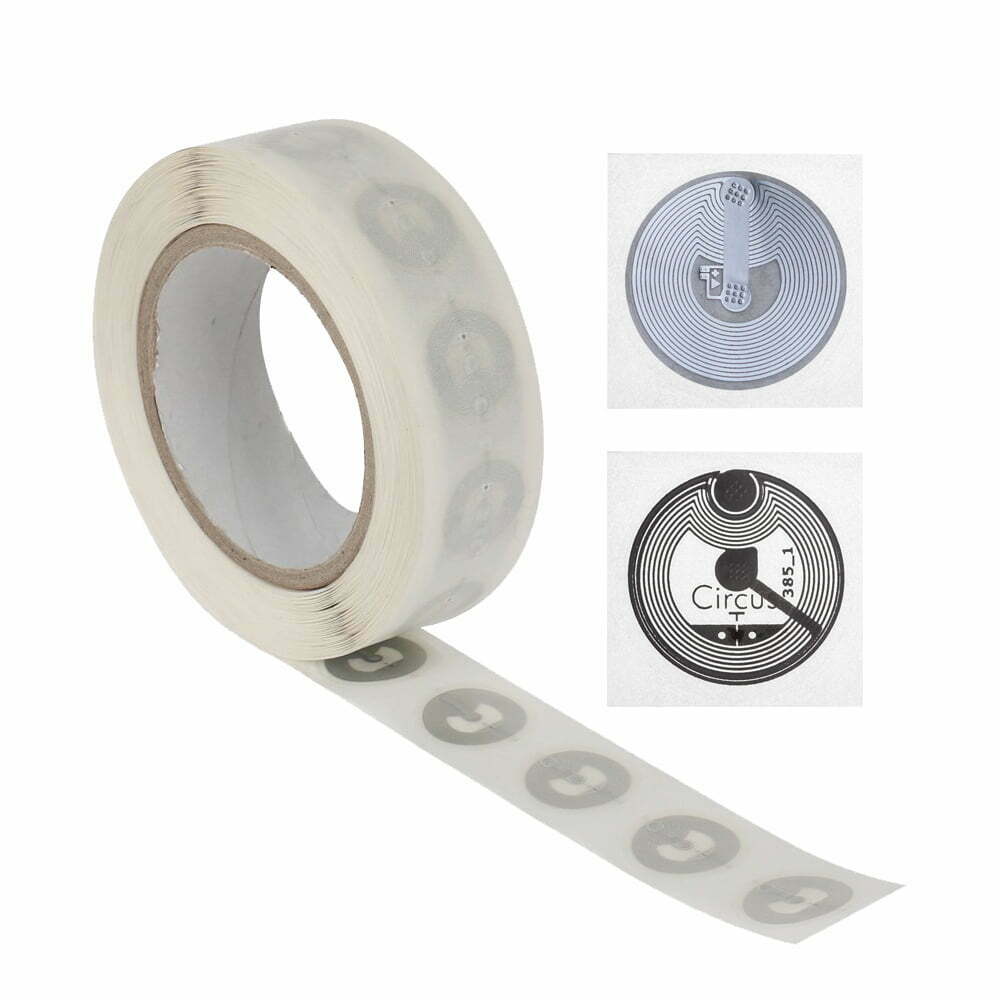
- Pegatinas de NFC: Apto para cajas de cartón, hojas de instrucciones y embalaje exterior.
- Incrustaciones NFC: Delgado y flexible, adecuado para incrustar debajo de etiquetas, dentro de carcasas de plástico, o dentro de tarjetas laminadas de papel.
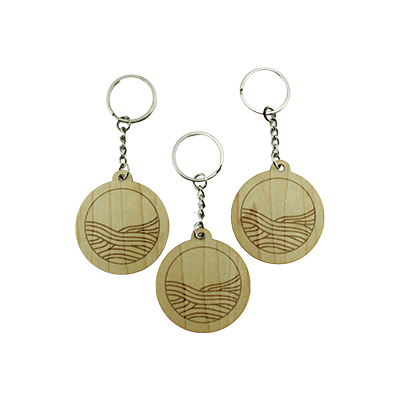
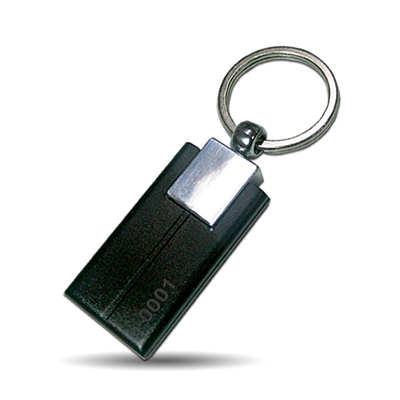
- Etiquetas NFC: Opciones duraderas para etiquetas colgantes o etiquetas de productos adheridas donde se necesita una mayor resistencia física.
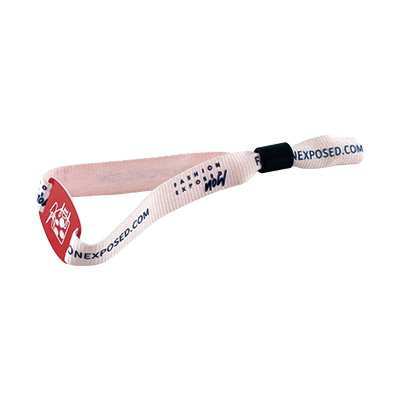
- Pulseras NFC y pulseras RFID: Útil para kits de campaña de juguetes., eventos interactivos, o conjuntos de productos coleccionables donde el pasaporte digital también respalda el compromiso.
Para categorías de productos, Los fabricantes pueden seleccionar entre Etiquetas NFC, Adhesivos NFC e incrustaciones NFC dependiendo del sustrato del juguete, Diseño de embalaje y rango de lectura requerido.. Para juguetes de mayor volumen o de plástico, Las finas incrustaciones NFC se pueden incrustar debajo de una etiqueta o dentro de una carcasa de plástico.. Para embalajes de cartón, Las pegatinas NFC pueden ser más prácticas. Las opciones de productos RFID y NFC relacionados también están disponibles en RFIDHY y PulseraHY donde los factores de forma incluyen Pulseras NFC y pulseras RFID para kits de campaña o accesorios de juguetes interactivos.
Recordatorio y respuesta a incidentes
Bajo GPSR, cuando se descubre que un juguete presenta un riesgo, Los operadores económicos deben tomar medidas correctoras inmediatamente e informar a los consumidores y a las autoridades.. en un retiro, El mayor desafío operativo es llegar al consumidor adecuado con la instrucción adecuada en el momento adecuado.. Un aviso de retiro físico en el estante de una tienda no sigue al producto en casa.
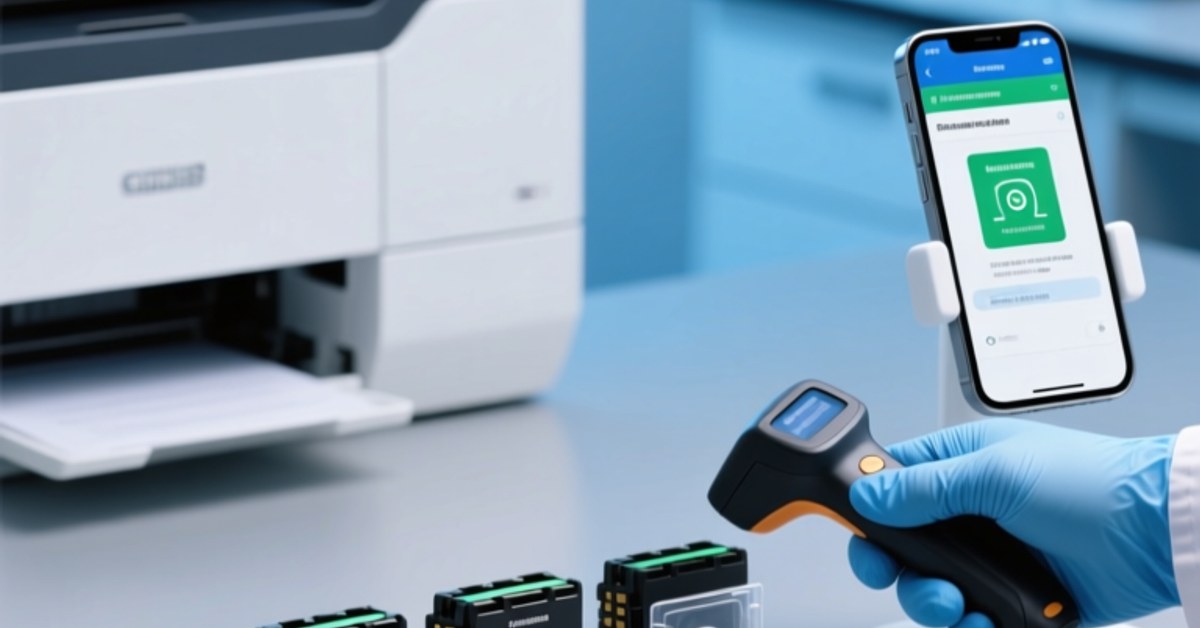
NFC cambia esto. Porque el pasaporte digital del producto está vinculado a un registro en la nube, un fabricante puede actualizar el estado del producto a "retirada del mercado" o "requiere reparación". Los consumidores que escanean el juguete ven las instrucciones más recientes.: dejar de usar, solicitar reembolso, comprobar el número de lote, o acceder a un portal de devoluciones. Los minoristas y distribuidores pueden escanear varias unidades con un teléfono inteligente con NFC o un lector portátil para verificar el stock afectado.. Esto reduce el riesgo de avisos en papel obsoletos y acelera la visibilidad de la cadena de suministro..
Categorías de productos como Etiquetas UHF RFID y lectores RFID de mano También puede admitir la clasificación de retiros a nivel de almacén cuando se combina con pasaportes a nivel de unidad habilitados para NFC.. Sin embargo, para juguetes orientados al consumidor, NFC sigue siendo el más práctico porque funciona con estándar teléfonos inteligentes sin equipo adicional. Ver Teléfono inteligente habilitado para NFC para compatibilidad de dispositivos.
Las autoridades de vigilancia del mercado esperan cada vez más que las empresas demuestren que pueden comunicar medidas correctivas de forma rápida y precisa.. Un pasaporte de producto digital proporciona un rastro auditable que muestra cuándo se publicó la información de retirada y qué SKU o lotes se vieron afectados.. Esto hace que el proceso de retirada sea más transparente interna y externamente..
Flujo de trabajo de recuperación realista con un DPP NFC
>
| Paso | Acción | Función del DPP de NFC |
|---|---|---|
| 1. Identificación de riesgos | El equipo de calidad o seguridad confirma un peligro | Actualizar el estado de riesgo de DPP para los SKU/lotes afectados |
| 2. Notificación de autoridad | Notificar a la vigilancia del mercado a través del proceso requerido. | Mantener un registro de auditoría de fechas y medidas correctivas. |
| 3. comunicación con el consumidor | Emitir aviso de retirada e instrucciones | Muestra la última alerta de seguridad cuando se escanea el juguete. |
| 4. Devoluciones / reparar | Recoger productos o guiar la reparación. | Enlace al formulario de devolución, localizador de centros de servicio o instrucciones de reparación |
| 5. Cierre | Cerrar incidente después de la acción correctiva | Archive el registro de incidentes y restaure el estado normal del producto |
Acceso del consumidor a información de seguridad
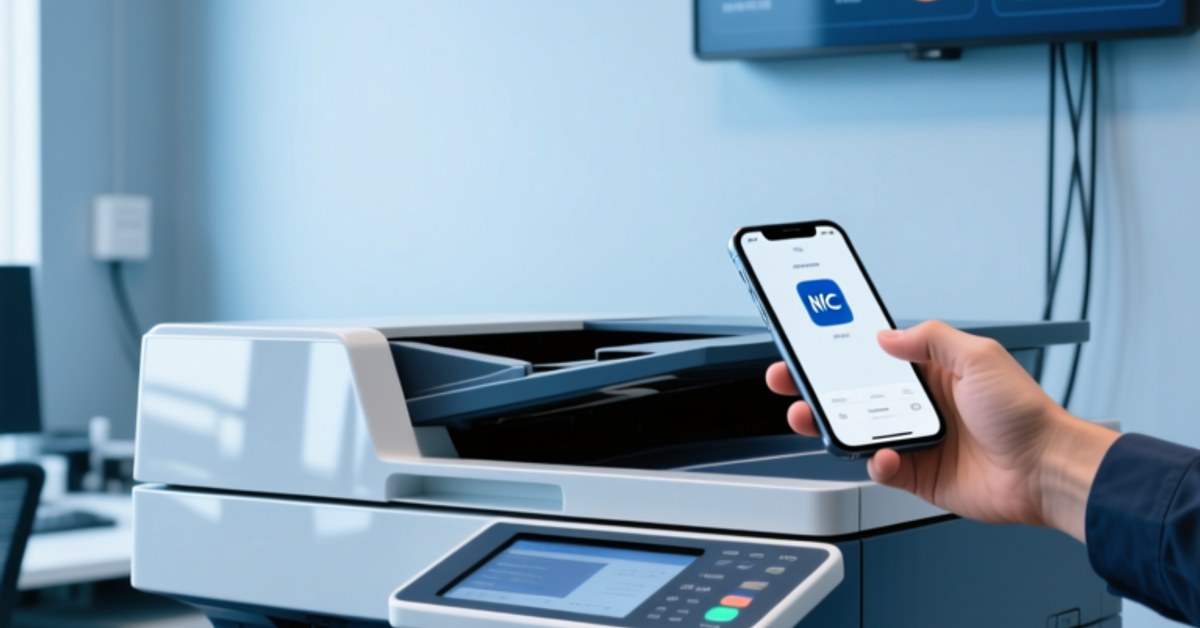
Los padres no necesitan una aplicación especial. La mayoría de los dispositivos Android y iPhone modernos admiten la lectura NFC de forma nativa o mediante funciones del sistema.. Un toque en el juguete o en el embalaje abre una página web adaptada a dispositivos móviles.. Esta página puede mostrar:
- Idoneidad de edad y advertencias de peligro.
- Instrucciones de lavado o cuidado.
- Información sobre extracción o reciclaje de baterías para juguetes electrónicos
- Detalles del fabricante y de la persona responsable en la UE
- Estado de recuperación en vivo
- Instrucciones multilingües para el país de venta.
Porque el pasaporte está basado en URL, puede respetar la privacidad evitando la recopilación obligatoria de datos personales. Por ejemplo, los padres pueden ver información de seguridad sin crear una cuenta. Si desea una participación más rica, como registro o prueba de propiedad, puede ofrecer formularios de suscripción opcionales.
Para ventas en línea, El mismo enlace DPP se puede utilizar en las páginas de productos para mostrar advertencias en el idioma del comprador antes de la compra.. Esto respalda los requisitos de ventas a distancia de GPSR y ayuda a reducir las devoluciones de pedidos causadas por información de seguridad faltante o poco clara..
Lista de verificación de implementación para fabricantes de juguetes
Utilice esta lista de verificación para pasar del concepto regulatorio a un programa de pasaporte de producto digital NFC implementable. Una implementación exitosa generalmente requiere una estrecha alineación entre el cumplimiento, ingeniería de embalaje y TI. La siguiente lista de verificación no es un estándar legal, pero proporciona un camino estructurado. Valide siempre los requisitos finales con su persona responsable en la UE, organismo notificado o asesor legal.
- Mapear familias de productos y documentos de cumplimiento. Identificar qué expedientes técnicos, Los informes de prueba y las advertencias se aplican a cada SKU..
- Seleccione el factor de forma NFC correcto. Comparar etiquetas NFC, Adhesivos NFC e incrustaciones NFC según el material, método de archivo adjunto, evidencia de manipulación y seguridad infantil.
- Elige unidad, serialización por lotes o a nivel de SKU. Para juguetes de alto riesgo, Los identificadores a nivel de unidad mejoran la precisión de la recuperación.; para artículos de bajo costo, el nivel de lote puede ser suficiente.
- Diseñar un modelo de datos DPP. Incluir ID de producto, fabricante, persona responsable, lote, grado de edad, advertencias, documentos, estado de recuperación y contenido multilingüe.
- Integrar con sistemas existentes. Conecte el DPP al PLM, ERP, MES o impresión de etiquetas para que los nuevos SKU generen pasaportes automáticamente.
- Validar la legibilidad de NFC. Prueba sobre el producto final envasado, especialmente en plástico, láminas o superficies curvas.
- Establecer un gobierno de actualización. Definir quién puede cambiar los documentos de seguridad, estado de recuperación y advertencias, y cómo se aprueban las versiones.
- Capacitar a los equipos de cumplimiento y servicio al cliente. Asegúrese de que comprendan lo que ven los consumidores después del escaneo y cómo intensificar los problemas de seguridad..
- ejecutar un piloto. Comience con una línea de productos, medir las tasas de escaneo, admitir consultas y recuperar el rendimiento de la simulación antes de escalar.
Preguntas frecuentes
Qué es GPSR y cuándo se aplica a los juguetes?
El Reglamento general de seguridad de los productos de la UE (UE) 2023/988 se aplica a productos de consumo, incluyendo juguetes, y ha sido aplicable desde 13 Diciembre 2024. Añade una trazabilidad más sólida, información de seguridad y obligaciones de retirada junto con la Directiva sobre seguridad de los juguetes 2009/48/CE.
¿Un pasaporte de producto digital NFC reemplaza la documentación en papel??
Un DPP NFC es una capa digital práctica, no es un reemplazo completo para todos los registros legales. Debe vincularse a la última Declaración de Conformidad., Informes de prueba y advertencias mientras los fabricantes conservan los archivos técnicos requeridos.. En muchos casos, un DPP mejora el acceso y el control de versiones en comparación con los registros solo en papel.
¿Puede un pasaporte de producto digital NFC admitir retiradas del mercado??
Sí. Porque la etiqueta NFC serializada apunta a un registro en la nube, las marcas pueden actualizar el estado del producto para retirarlo, reparar o dejar de usar. Los consumidores que escanean el juguete después de la actualización ven las instrucciones más recientes sin necesidad de una nueva etiqueta física..
Qué factores de forma NFC funcionan mejor para los juguetes infantiles?
La mejor opción depende del producto y embalaje.. Las pegatinas NFC funcionan bien en envases de cartón, mientras que las finas incrustaciones NFC se pueden incrustar debajo de las etiquetas o dentro de carcasas de plástico. Para peluches o artículos textiles, las marcas pueden usar etiquetas colgantes o etiquetas NFC cosidas con una ubicación segura para los niños. Seleccionar el tamaño de etiqueta NFC correcto, El sustrato y el método de fijación deben probarse en el producto final..
¿Es fácil escanear para el consumidor sin una aplicación especializada??
La mayoría de los dispositivos Android y iPhone modernos con NFC pueden leer etiquetas NFC sin una aplicación de terceros. El escaneo abre una página de producto adaptable a dispositivos móviles., para que los padres puedan acceder a las advertencias, clasificación de edad, Detalles del fabricante y estado de seguridad en vivo en un navegador normal..
Cree un pasaporte de producto digital compatible con GPSR para sus juguetes
Tecnología NFCWORK (RFIDHY) ayuda a los fabricantes de juguetes, Las marcas de productos infantiles y los equipos de cumplimiento de exportaciones implementan etiquetas NFC., Incrustaciones NFC y plataformas de pasaportes de productos digitales alineadas con las obligaciones de la UE GPSR y la Directiva sobre seguridad de los juguetes. Cuéntenos sobre los formularios de sus productos., flujo de trabajo de embalaje y cumplimiento, y nuestro equipo puede recomendar una arquitectura de trazabilidad que escala desde el piloto hasta la producción completa..
Contacta con nuestro equipo o navegar Productos NFC para empezar a planificar.