Η Νέα Επιταγή Διαφάνειας: Πέρα από τους γραμμωτούς κώδικες και τους αριθμούς παρτίδας
Για ιδιοκτήτες ευρωπαϊκών εμπορικών σημάτων, κατασκευαστές, και εξαγωγείς, Η ορατότητα της εφοδιαστικής αλυσίδας δεν αποτελεί πλέον ανταγωνιστικό παράγοντα διαφοροποίησης — είναι μια κανονιστική απαίτηση. φιλόδοξο της ΕΕ Κανονισμός οικολογικού σχεδιασμού για βιώσιμα προϊόντα (ESPR) αναδιαμορφώνει τον τρόπο με τον οποίο καταγράφονται τα δεδομένα προϊόντος, αποθηκευμένο, και κοινοποιήθηκε. Στην καρδιά αυτής της αλλαγής βρίσκεται το Ψηφιακό Διαβατήριο Προϊόντος (DPP), ένα δομημένο σύνολο δεδομένων που περιγράφει την προέλευση ενός προϊόντος, σύνθεση, περιβαλλοντικό αποτύπωμα, και τον κύκλο ζωής. Για μελλοντικές επιχειρήσεις, Τεχνολογία NFC είναι ο πιο διαισθητικός και ασφαλής τρόπος για να γεφυρώσετε το φυσικό στοιχείο και το ψηφιακό του διαβατήριο.
Σε αντίθεση με τους παραδοσιακούς γραμμωτούς κώδικες που προσφέρουν στατικές πληροφορίες, ένα Τσιπ NFC ενσωματωμένο σε ετικέτα, κρεμάστε την ετικέτα, ή βραχιολάκι μετατρέπει κάθε smartphone σε ένα ισχυρό εργαλείο ιχνηλασιμότητας. Δεν πρόκειται απλώς για αναβάθμιση τεχνολογίας; είναι το θεμέλιο μιας διαφανούς, έμπιστος, και εφοδιαστικής αλυσίδας έτοιμη για κανονισμούς. Μετά από χρόνια ανάπτυξης Διαλύματα NFC σε παγκόσμιο επίπεδο, Εφαρμογές Digital Product Passport της NFCWORK δείξετε πώς ακριβώς συμβαίνει αυτός ο μετασχηματισμός.
Κατανόηση του Διαβατηρίου Ψηφιακού Προϊόντος (DPP)
Το Διαβατήριο Ψηφιακού Προϊόντος είναι μια ψηφιακή εγγραφή που συνοδεύει ένα προϊόν σε όλη τη διάρκεια του κύκλου ζωής του. Συνήθως περιλαμβάνει:
- Μοναδική αναγνώριση προϊόντος και πληροφορίες παρτίδας
- Σύνθεση υλικού και προέλευση των πρώτων υλών
- Ημερομηνίες κατασκευής, τοποθεσίες, και πιστοποιήσεις
- Δεδομένα κατανάλωσης ενέργειας και αποτυπώματος άνθρακα
- Επισκευή, ανακύκλωση, και οδηγίες για το τέλος του κύκλου ζωής τους
- Απόδειξη γνησιότητας και αλυσίδα φύλαξης
Το DPP έχει σχεδιαστεί για να υποστηρίζει στόχους κυκλικής οικονομίας διευκολύνοντας την επισκευή του, στιλβώ πάλι, ή ανακυκλώστε προϊόντα. Για τους καταναλωτές, παρέχει μια αξιόπιστη πηγή πληροφοριών για το προϊόν. Για ρυθμιστικές αρχές, διασφαλίζει την εποπτεία της αγοράς και την επιβολή της συμμόρφωσης. Και για μάρκες, ένα καλά εφαρμοσμένο DPP δημιουργεί ένα άμεσο κανάλι για την επικοινωνία των διαπιστευτηρίων βιωσιμότητας και τη συμμετοχή μετά την πώληση.
Ο κανονισμός ESPR της ΕΕ: Τι πρέπει να γνωρίζουν οι επιχειρήσεις
Ο Κανονισμός οικολογικού σχεδιασμού για βιώσιμα προϊόντα (ESPR), που τέθηκε σε ισχύ τον Ιούλιο 2024, επεκτείνει θεμελιωδώς το πεδίο εφαρμογής των κανόνων οικολογικού σχεδιασμού της ΕΕ πέρα από προϊόντα που σχετίζονται με την ενέργεια. Εξουσιοδοτεί την Ευρωπαϊκή Επιτροπή να εγκρίνει κατ' εξουσιοδότηση πράξεις που επιβάλλουν DPP για συγκεκριμένες ομάδες προϊόντων. Το πρώτο κύμα αναμένεται να στοχεύσει:
>
| Κατηγορία Προϊόντος | Αναμενόμενες απαιτήσεις DPP | Πιθανό Χρονοδιάγραμμα |
|---|---|---|
| Κλωστοϋφαντουργία και υποδήματα | Υλικά σύνθεση, ανακυκλωμένο περιεχόμενο, οδηγίες φροντίδας, μετρήσεις κυκλικότητας | 2026–2027 |
| Μπαταρίες (καλύπτονται από χωριστό κανονισμό για τις μπαταρίες) | Αποτύπωμα άνθρακα, ανακυκλωμένα υλικά, δέουσα επιμέλεια της εφοδιαστικής αλυσίδας, κατάσταση της υγείας | Από 2026 |
| Καταναλωτικά ηλεκτρονικά είδη και ΤΠΕ | Ενεργειακή απόδοση, βαθμολογία επισκευασσιμότητας, επικίνδυνες ουσίες, ενημερώσεις υλικολογισμικού | 2027 προς τα εμπρός |
| Έπιπλα και προϊόντα κατασκευών | Ιχνηλασιμότητα υλικού, εκπομπές αέρα εσωτερικών χώρων, πληροφορίες ασφαλούς χρήσης | 2028+ |
Η μη συμμόρφωση μπορεί να εμποδίσει την πρόσβαση στην αγορά, διαταράξουν τις εξαγωγές, και να βλάψει την αξία της μάρκας. Ο κανονισμός απαιτεί τα δεδομένα DPP να είναι προσβάσιμα μέσω φορέα δεδομένων—συνηθέστερα α Κωδικός QR ή Ετικέτα NFC—και συνδέεται με το μοναδικό αναγνωριστικό προϊόντος. Εδώ είναι που τα πλεονεκτήματα του NFC γίνονται καθοριστικά.
Γιατί το NFC είναι ο ιδανικός φορέας δεδομένων για διαβατήρια ψηφιακών προϊόντων
Ενώ οι κωδικοί QR έχουν υιοθετηθεί ευρέως για πληροφορίες προϊόντων, Το NFC προσφέρει πολλά κρίσιμα πλεονεκτήματα σε ένα πλαίσιο DPP:
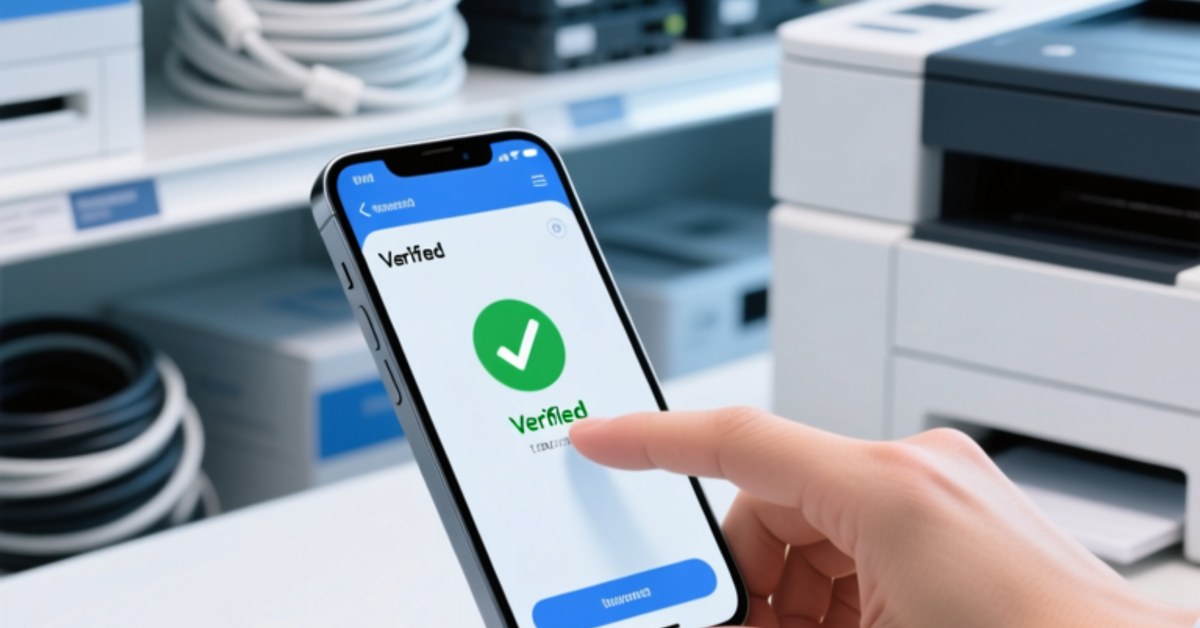
- Προφανές για παραποιήσεις και κρυπτογραφικά ασφαλές: Τσιπ NFC όπως το NTAG 424 Το DNA ή το ICODE DNA υποστηρίζουν αμοιβαίο έλεγχο ταυτότητας και κρυπτογραφημένα δεδομένα. Μια απλή σάρωση επαληθεύει την προέλευση και ανιχνεύει την κλωνοποίηση, ζωτικής σημασίας για τα είδη πολυτελείας, φαρμακευτικά προϊόντα, και ανταλλακτικά αυτοκινήτων που περιλαμβάνονται στο λύση ελέγχου ταυτότητας πολυτελών αντικειμένων.
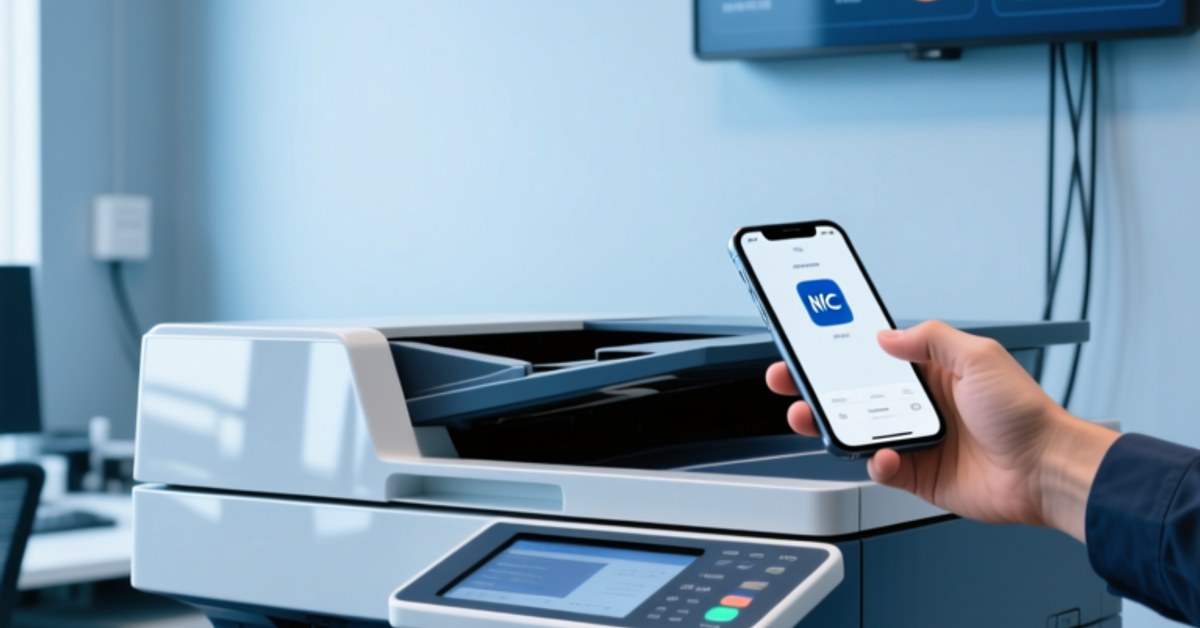
- Εμπειρία εκτός σύνδεσης σε απευθείας σύνδεση χωρίς εφαρμογή: Ένα πάτημα ενός smartphone με δυνατότητα NFC εκκινεί τη διεπαφή DPP μέσω ενός συνδέσμου Ιστού; δεν απαιτείται ειδική λήψη εφαρμογής, μείωση της τριβής τόσο για τους καταναλωτές όσο και για τις ρυθμιστικές αρχές.
- Δυναμικές ενημερώσεις δεδομένων: Με συνδεδεμένες πλατφόρμες NFC, το σύνολο δεδομένων πίσω από μια ετικέτα μπορεί να ενημερώνεται καθ' όλη τη διάρκεια του κύκλου ζωής του προϊόντος—προσθέτοντας αρχεία υπηρεσίας, μεταβιβάσεις ιδιοκτησίας, ή ιστορικό ανακαίνισης—ενώ η φυσική ετικέτα παραμένει ίδια.
- Βαθιά ενοποίηση με την υπάρχουσα υποδομή RFID: Πολλές αλυσίδες εφοδιασμού χρησιμοποιούν ήδη UHF RFID για παλέτες- και παρακολούθηση σε επίπεδο υπόθεσης. Οι ετικέτες NFC χρησιμεύουν ως συμπλήρωμα σε επίπεδο στοιχείου, με βάση την ίδια εταιρική αρχιτεκτονική. RFIDHYτου ευρέος χαρτοφυλακίου των Ετικέτες και αναγνώστες UHF RFID καταδεικνύει τη δυνατότητα διαλειτουργικότητας.
Ιχνηλασιμότητα σε δράση με υποστήριξη NFC: Από το εργοστάσιο μέχρι τον τελικό καταναλωτή
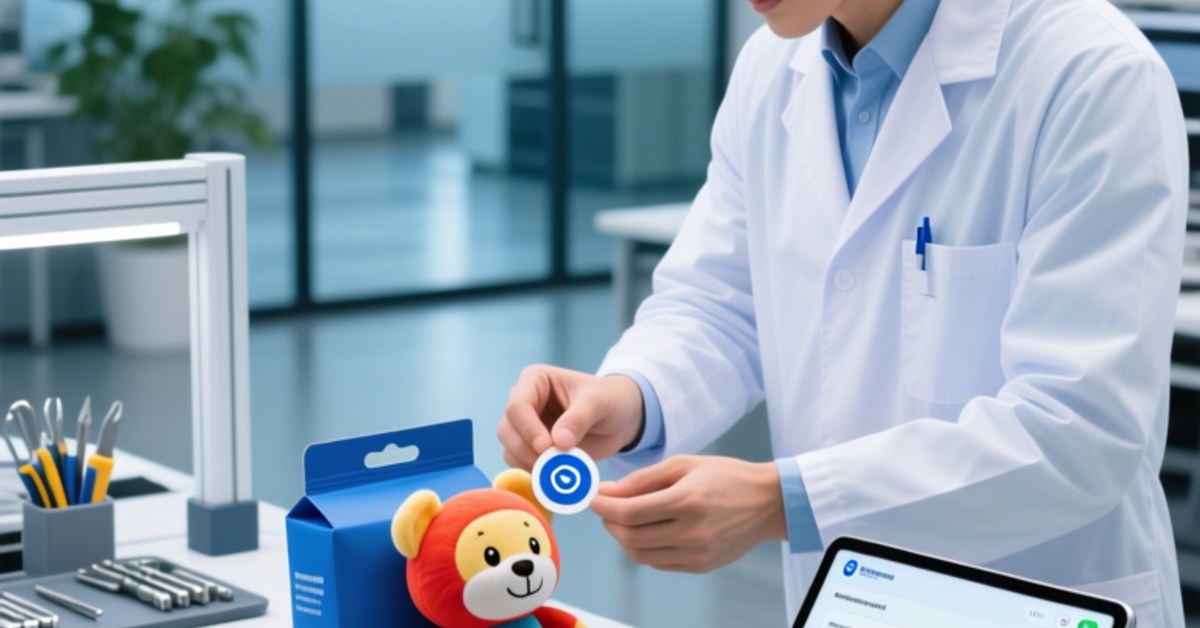
Φανταστείτε μια ευρωπαϊκή μάρκα μόδας να παράγει ένα παλτό στην ασιατική αλυσίδα εφοδιασμού της. Στις εγκαταστάσεις παραγωγής, ένα Ένθετο NFC είναι ενσωματωμένο στην ετικέτα φροντίδας. Το μοναδικό αναγνωριστικό της ετικέτας συνδέεται με ένα DPP που βασίζεται σε σύννεφο που περιέχει:
- Πιστοποιητικό προμήθειας βιολογικού βαμβακιού από τον αγροτικό συνεταιρισμό
- Λεπτομέρειες διαδικασίας βαφής και φινιρίσματος, συμπεριλαμβανομένης της συμμόρφωσης με την επεξεργασία του νερού
- Εκθέσεις ελέγχου εργοστασίων και πιστοποιητικά κοινωνικής συμμόρφωσης
- Τεκμηρίωση αποστολής και αποτύπωμα άνθρακα ανά σκέλος μεταφοράς
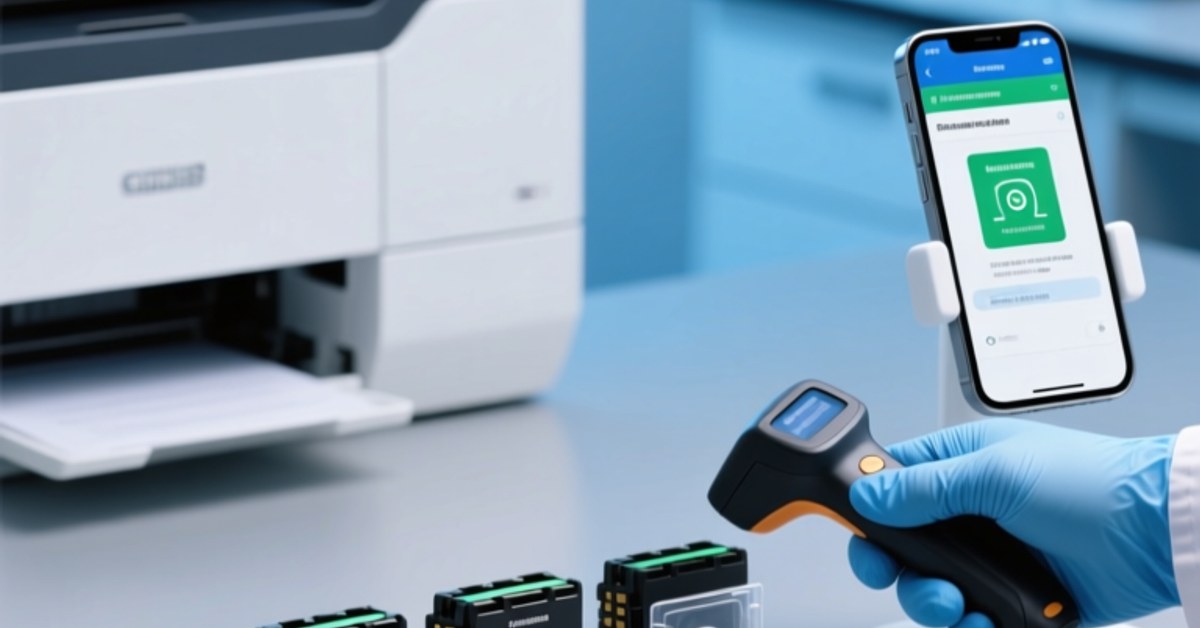
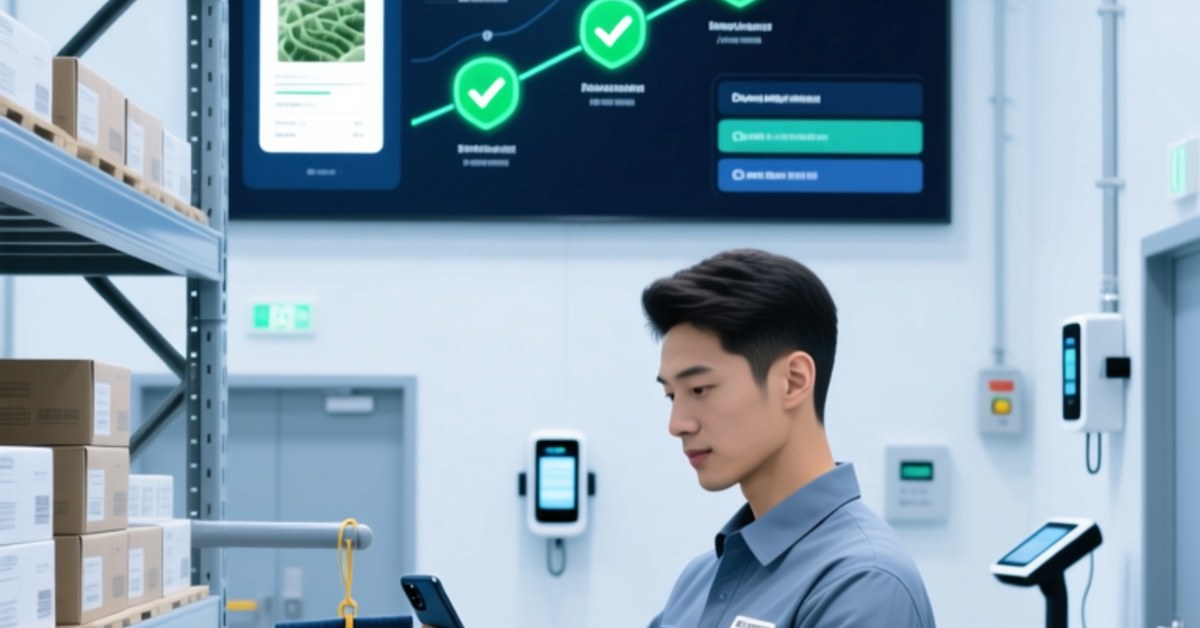
Όταν το παλτό φτάνει στο ευρωπαϊκό κέντρο διανομής, ένα συσκευή ανάγνωσης NFC χειρός σαρώνει τις εισερχόμενες αποστολές, ενημέρωση του DPP με χρονική σήμανση «ληφθέντων» και ενεργοποίηση αυτοματοποιημένων ποιοτικών ελέγχων. Στο κατάστημα λιανικής, ένας συνεργάτης πωλήσεων χτυπά το παλτό με ένα smartphone για να δείξει στον πελάτη την πλήρη ιστορία προέλευσης, οικοδόμηση εμπιστοσύνης. Μετά την αγορά, ο πελάτης μπορεί να πατήσει το δικό του τηλέφωνο για να επαληθεύσει την αυθεντικότητα, δείτε τις οδηγίες φροντίδας, ή βρείτε το πλησιέστερο σημείο επισκευής μέσω του προγράμματος κυκλικότητας της μάρκας.
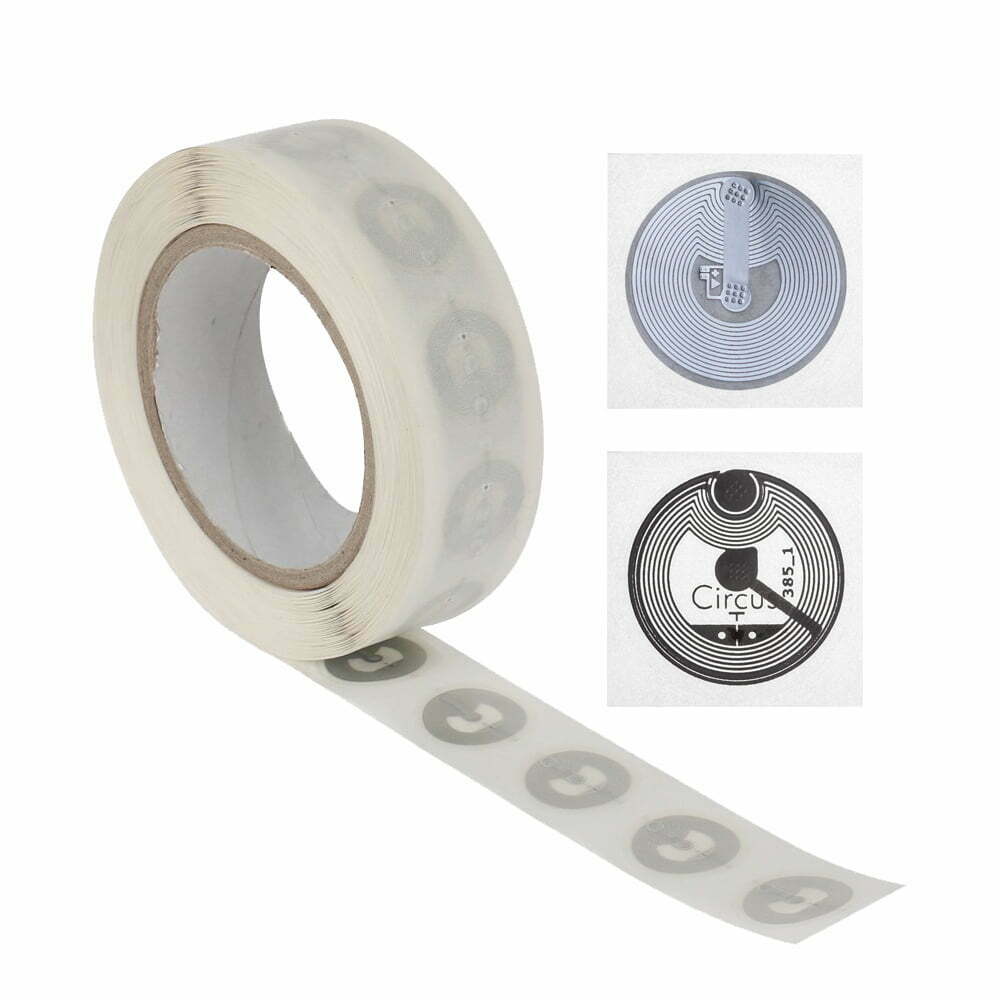
Αυτό το επίπεδο διαφάνειας δεν είναι πλέον μακρινό όραμα. Χρησιμοποιώντας το εύρος του NFCWORK Ετικέτες NFC, Αυτοκόλλητα NFC, και ένθετα NFC—διαθέσιμα σε διάφορες μορφές, από ετικέτα έως ανθεκτικά στο μέταλλο—οι μάρκες μπορούν να εφαρμόσουν λεπτομερή ιχνηλασιμότητα που ικανοποιεί τόσο τις υποχρεώσεις ESPR όσο και τις προσδοκίες των καταναλωτών.
Σχέδιο υλοποίησης για μια λύση διαβατηρίων ψηφιακού προϊόντος που βασίζεται σε NFC
Η δημιουργία ενός συστήματος DPP με δυνατότητα NFC απαιτεί μια δομημένη προσέγγιση. Εδώ είναι ένα πρακτικό πλαίσιο:
Βήμα 1: Επιλέξτε το σωστό υλικό NFC
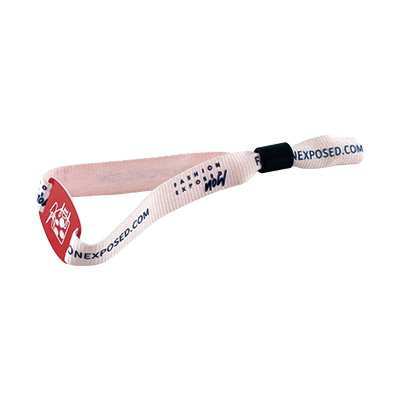
Η επιλογή της ετικέτας εξαρτάται από την επιφάνεια του προϊόντος, περιβάλλον χρήσης, και απαιτήσεις δεδομένων. Το NFCWORK παρέχει ετικέτες NFC συμβατές με το NTAG 213, 215, 216, και σειρά DNA. Για υφάσματα, εύκαμπτος NFC υγρά ένθετα ή Ετικέτες πλυντηρίου NFC αντέχουν στο επαναλαμβανόμενο πλύσιμο. Για ηλεκτρονικά ή μεταλλικά είδη, Οι αντιμεταλλικές ετικέτες NFC εξασφαλίζουν αξιόπιστη απόδοση. NFC Wristbands ή βραχιόλια σιλικόνης εργαστείτε για φορετά προϊόντα που υποστηρίζουν επίσης έλεγχο πρόσβασης ή αφοσίωση — μια δυνατότητα που περιγράφεται λεπτομερώς στη δική μας Έξυπνη αναγνώριση φορητών συσκευών σελίδα.
Βήμα 2: Κωδικοποιήστε και συνδέστε τη Μοναδική Ταυτότητα
Κάθε ετικέτα λαμβάνει έναν μοναδικό σειριακό αριθμό και μια υπογεγραμμένη διεύθυνση URL που δείχνει την εγγραφή DPP. Χρήση λύσεων κωδικοποίησης NFC, η ταυτότητα είναι κλειδωμένη ή αφήνεται να επανεγγραφεί ανάλογα με το μοντέλο ασφαλείας. Για αγαθά υψηλής αξίας, προτείνουμε ετικέτες σειράς DNA με κρυπτογραφικό έλεγχο ταυτότητας μίας χρήσης, διασφαλίζοντας ότι κάθε επαλήθευση δημιουργεί μια μοναδική υπογραφή που δεν μπορεί να κλωνοποιηθεί από παραχαράκτες.
Βήμα 3: Σχεδιάστε την Αρχιτεκτονική Δεδομένων
Το backend DPP θα πρέπει να συμμορφώνεται με τα αναδυόμενα πρότυπα της ΕΕ για φορείς δεδομένων και μοντέλα δεδομένων. Μια τυπική στοίβα περιλαμβάνει μια πλατφόρμα cloud με πρόσβαση βάσει ρόλων: οι καταναλωτές βλέπουν δημόσιες πληροφορίες, οι ρυθμιστικές αρχές έχουν πρόσβαση σε δεδομένα συμμόρφωσης, και οι εξουσιοδοτημένοι συνεργάτες σέρβις ανακτούν λεπτομέρειες επισκευής. Ενοποίηση με εταιρικό ERP, PLM, και την καταγραφή blockchain (όπως εξερευνήθηκε σε NFC και Blockchain: Η Συνέργεια για την Αδιάσπαστη Ιχνηλασιμότητα) διασφαλίζει την ακεραιότητα των δεδομένων και τη μακροπρόθεσμη αμετάβλητη.
Βήμα 4: Διαχειριστείτε την αλληλεπίδραση πολλών ενδιαφερομένων
Σας συμβουλεύουμε να χαρτογραφήσετε ολόκληρο το ταξίδι: εργοστασιακή κωδικοποίηση, σημεία σάρωσης logistics, εμπειρία λιανικής, εξυπηρέτηση μετά την πώληση, και ανακύκλωση στο τέλος του κύκλου ζωής τους. Οι πύλες NFC και οι φορητές συσκευές σε βασικούς κόμβους μπορούν να αυτοματοποιήσουν τη λήψη δεδομένων και να ελαχιστοποιήσουν τη μη αυτόματη εισαγωγή. Για ενδιαφερόμενους φορείς χωρίς NFC-enabled smartphones, μια παραλλαγή κώδικα QR που εκτυπώνεται παράλληλα με την κεραία NFC προσφέρει μια εναλλακτική λύση χωρίς να σπάσει τη σύνδεση δεδομένων.
Βήμα 5: Αυξήστε την αφοσίωση των καταναλωτών και την αφοσίωση στη μάρκα
Πέρα από τη συμμόρφωση, το NFC DPP ανοίγει δρόμους για γνήσια σύνδεση πελατών. Ένα πάτημα μπορεί να ενεργοποιήσει προγράμματα επιβράβευσης, εξατομικευμένες προσφορές, ή αφήγηση επωνυμίας — όλα αυτά ενώ ο καταναλωτής διατηρεί τον έλεγχο των δεδομένων του. Αυτό ευθυγραμμίζεται με τη «φυτική» αλλαγή που συζητήθηκε στην προηγούμενη ανάρτησή μας στο γεφύρωση φυσικής και ψηφιακής, μετατροπή ενός ρυθμιστικού εργαλείου σε περιουσιακό στοιχείο μάρκετινγκ.
Υπερνίκηση κοινών προκλήσεων εφαρμογής
Οι επιχειρήσεις συχνά εγείρουν ανησυχίες σχετικά με το κόστος, αντοχή, και επεκτασιμότητα. Βασισμένο στην εμπειρία της NFCWORK σε πολλούς κλάδους, εδώ είναι τα βασικά μέτρα μετριασμού:
- Κόστος ανά μονάδα: Η τιμή των τυπικών ετικετών NFC έχει μειωθεί σημαντικά σε υψηλούς όγκους; για προϊόντα υψηλής ποιότητας, η προστιθέμενη αξία στην προστασία και τη συμμόρφωση της επωνυμίας υπερβαίνει κατά πολύ το κόστος υλικού. Οι επιλογές χονδρικής μέσω της σουίτας προϊόντων μας εξασφαλίζουν οικονομικές προμήθειες.
- Αντοχή: Για βιομηχανικές και εξωτερικές εφαρμογές, Διατίθενται ετικέτες NFC με αδιάβροχες και ανθεκτικές στη θερμότητα ιδιότητες, παρόμοιες με τις σκληρές λύσεις που συζητούνται στο δικό μας Οδηγός ανθεκτικότητας της ετικέτας NFC.
- Παγκόσμια πρότυπα και διαλειτουργικότητα: Οι ετικέτες NFC συμμορφώνονται με ISO/IEC 14443 και προδιαγραφές NFC Forum, διασφαλίζοντας τη διαλειτουργικότητα σε όλα τα NFC με δυνατότητα NFC smartphones παγκόσμιος. RFIDHYΟι λύσεις RFID της εταιρείας ενσωματώνονται επίσης απρόσκοπτα όταν απαιτείται μαζική παρακολούθηση RFID ανάντη.
The Business Case: Από το ρυθμιστικό βάρος στο στρατηγικό πλεονέκτημα
Οι πρώτοι που υιοθετούν τα Διαβατήρια Ψηφιακών Προϊόντων NFC δεν σημειώνουν απλώς ένα κουτί - χτίζουν μια πλούσια σε δεδομένα σχέση με πελάτες και ρυθμιστικές αρχές. Μια διαφανής αλυσίδα εφοδιασμού μειώνει την απάτη στις εγγυήσεις, απλοποιεί τις ανακλήσεις, και ανοίγει premium τιμολόγηση που δικαιολογείται από επαληθευμένη βιωσιμότητα. Σε μια εποχή όπου 57% των καταναλωτών της ΕΕ δηλώνουν πρόθυμοι να αλλάξουν τις αγοραστικές συνήθειες για να μειώσουν τις περιβαλλοντικές επιπτώσεις (Ευρωπαϊκή Επιτροπή, 2023), μια ετικέτα με πάτημα για επαλήθευση γίνεται διαφοροποιητής στο σημείο πώλησης.
Εξάλλου, η υποδομή DPP τροφοδοτεί απευθείας τους στόχους αναφοράς ESG και κυκλικότητας. Τα λεπτομερή αρχεία υλικού καθιστούν πολύ πιο εύκολη την αποσυναρμολόγηση προϊόντων για επαναχρησιμοποίηση, ακρογωνιαίος λίθος του σχεδίου δράσης της ΕΕ για την κυκλική οικονομία. Η τεχνογνωσία της NFCWORK σε Έλεγχος ταυτότητας προϊόντος NFC και Λύσεις εφοδιαστικής αλυσίδας RFID μας τοποθετεί ως στρατηγικό εταίρο για αυτόν τον μετασχηματισμό.
Καθώς πλησιάζουν οι κανονιστικές προθεσμίες, Οι ευρωπαϊκές επιχειρήσεις αντιμετωπίζουν μια σαφή επιλογή: αντιμετωπίζει το DPP ως άσκηση τεκμηρίωσης, ή αξιοποιήστε το ως τη ραχοκοκαλιά ενός διαφανούς, έμπιστος, και ψηφιακά ενεργοποιημένη εφοδιαστική αλυσίδα. Η τεχνολογία NFC καθιστά το τελευταίο όχι μόνο δυνατό, αλλά πρακτικό σήμερα.
Συχνές ερωτήσεις
Τι ακριβώς είναι το Διαβατήριο Ψηφιακού Προϊόντος?
Διαβατήριο ψηφιακού προϊόντος (DPP) είναι ένα δομημένο ψηφιακό αρχείο που αποθηκεύει ολοκληρωμένα δεδομένα κύκλου ζωής για ένα προϊόν—από πρώτες ύλες και κατασκευή έως συμβουλές χρήσης και οδηγίες ανακύκλωσης. Απαιτείται από τον κανονισμό ESPR της ΕΕ, το DPP συμβάλλει στη βελτίωση της διαφάνειας, κυκλικότητα, και συμμόρφωση σε όλες τις αλυσίδες εφοδιασμού.
Πώς λειτουργεί μια ετικέτα NFC ως φορέας δεδομένων DPP?
Μια ετικέτα NFC περιέχει μια μοναδική διεύθυνση URL ή ένα κρυπτογραφικό αναγνωριστικό. Όταν ένας καταναλωτής, έμπορος λιανικής, ή ο ρυθμιστής χτυπά την ετικέτα με ένα smartphone με δυνατότητα NFC, ανακτά άμεσα το DPP του προϊόντος από μια ασφαλή πλατφόρμα cloud. Δεν απαιτείται εφαρμογή. Προηγμένες ετικέτες όπως το NTAG 424 Το DNA παρέχει επίσης έλεγχο ταυτότητας με προστασία από παραβιάσεις για την επαλήθευση της γνησιότητας του προϊόντος.
Ποια προϊόντα NFC προσφέρει το NFCWORK για την υλοποίηση DPP?
Το NFCWORK παρέχει μια πλήρη γκάμα υλικού NFC που έχει σχεδιαστεί για ψηφιακά διαβατήρια προϊόντων, συμπεριλαμβανομένων εύκαμπτων υγρών ένθετων NFC, εύρωστος Αυτοκόλλητα NFC, αντιμεταλλικές ετικέτες NFC, Ετικέτες πλυντηρίου NFC για υφάσματα, και NFC Wristbands για ρούχα που φοριούνται. Όλες οι ετικέτες είναι διαθέσιμες με υποστήριξη κωδικοποίησης NDEF και κρυπτογραφικές επιλογές για έλεγχο ταυτότητας υψηλής ασφάλειας.
Πότε θα απαιτήσει η ΕΕ Ψηφιακά Διαβατήρια Προϊόντων?
Οι απαιτήσεις θα ενσωματωθούν σταδιακά ανά κατηγορία προϊόντος μέσω κατ' εξουσιοδότηση πράξεων. Οι μπαταρίες είναι η πρώτη κατηγορία βάσει του νέου κανονισμού για τις μπαταρίες, με στοιχεία DPP που ξεκινούν μέσα 2026. Κλωστοϋφαντουργία, ηλεκτρονική, και έπιπλα αναμένεται να ακολουθήσουν μεταξύ 2027 και 2030. Η προετοιμασία τώρα εξασφαλίζει ομαλή μετάβαση και έγκαιρο ανταγωνιστικό πλεονέκτημα.
Μπορούν οι ετικέτες NFC να αντέξουν τις σκληρές συνθήκες της αλυσίδας εφοδιασμού?
Ναί. Οι ετικέτες NFC βιομηχανικής ποιότητας είναι διαθέσιμες σε αδιάβροχες, ανθεκτικό στη θερμότητα, και αντιμεταλλικές μορφές. Για παράδειγμα, Οι ετικέτες πλυντηρίου NFC επιβιώνουν σε εκατοντάδες κύκλους πλύσης, και οι αντιμεταλλικές ετικέτες διατηρούν την αναγνωσιμότητα όταν συνδέονται απευθείας σε μεταλλικές επιφάνειες σε περιβάλλοντα logistics ή κατασκευής.
Έτοιμοι να δημιουργήσετε το διαβατήριό σας για το προϊόν που λειτουργεί με NFC?
Το NFCWORK συνδυάζει βαθιά τεχνογνωσία στη μηχανική ετικετών με εμπειρία ανάπτυξης σε πραγματικό κόσμο σε κλωστοϋφαντουργικά προϊόντα, ηλεκτρονική, και βιομηχανίες πολυτελείας. Είτε εξερευνάτε ένα πιλοτικό έργο είτε κλιμακώνετε το DPP σε μια παγκόσμια αλυσίδα εφοδιασμού, Η ομάδα μας μπορεί να σας βοηθήσει να επιλέξετε τον σωστό παράγοντα φόρμας NFC, κωδικοποιούν ασφαλείς ταυτότητες, και ενσωματωθείτε στην πλατφόρμα δεδομένων σας.
Μιλήστε με τους ειδικούς μας DPP
Ή εξερευνήστε την πλήρη γκάμα μας Προϊόντα και λύσεις NFC για να βρείτε την ιδανική ετικέτα για την εφαρμογή σας.