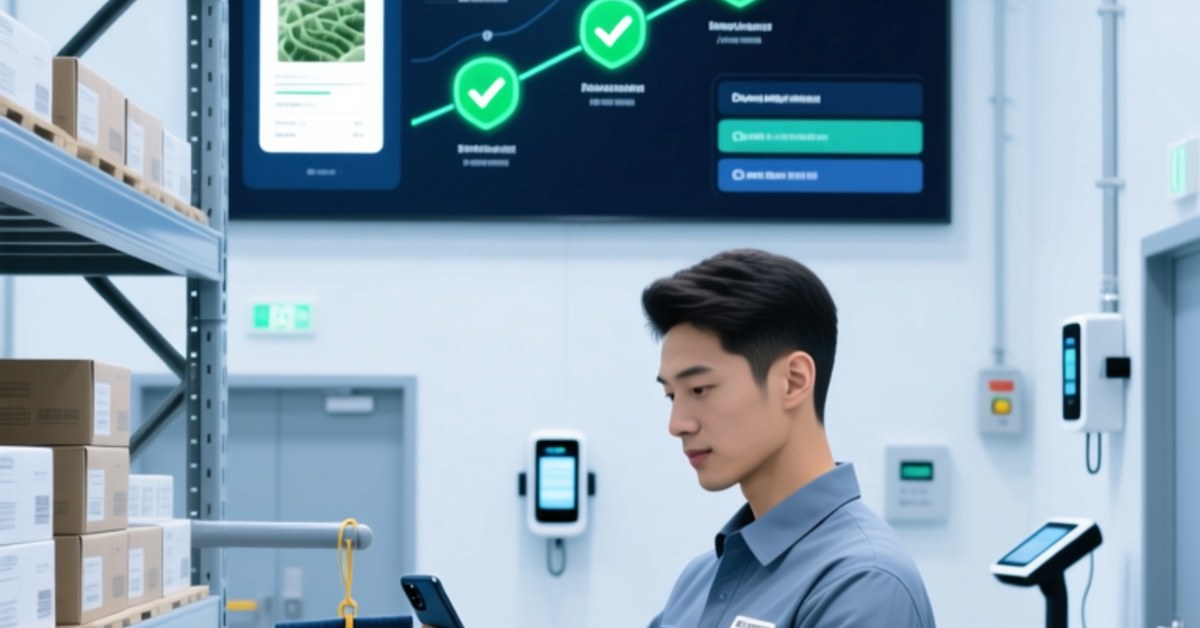
Det nye imperativ for gennemsigtighed: Ud over stregkoder og batchnumre
For europæiske mærkeejere, producenter, og eksportører, forsyningskædens synlighed er ikke længere en konkurrencemæssig differentiator – det er et lovkrav. EU er ambitiøst Forordningen om økodesign for bæredygtige produkter (ESPR) omformer, hvordan produktdata fanges, gemt, og delt. Kernen i dette skift ligger Digitalt produktpas (DPP), et struktureret datasæt, der beskriver et produkts oprindelse, sammensætning, miljømæssige fodaftryk, og livscyklus. For fremsynede virksomheder, NFC teknologi er den mest intuitive og sikre måde at bygge bro mellem den fysiske vare og dens digitale pas.
I modsætning til traditionelle stregkoder, der tilbyder statisk information, en NFC chip indlejret i en etiket, hænge tag, eller armbånd gør enhver smartphone til et kraftfuldt sporbarhedsværktøj. Dette er ikke kun en teknologiopgradering; det er grundlaget for en gennemsigtig, betroet, og reguleringsklar forsyningskæde. Efter mange års implementering NFC-løsninger globalt, NFCWORKs digitale produktpas-applikationer demonstrere præcis, hvordan denne transformation sker.
Forståelse af det digitale produktpas (DPP)
Et digitalt produktpas er en digital registrering, der ledsager et produkt gennem hele dets livscyklus. Det omfatter typisk:
- Unik produktidentifikation og batchinformation
- Materialesammensætning og råvarers oprindelse
- Fremstillingsdatoer, steder, og certificeringer
- Data om energiforbrug og CO2-fodaftryk
- Reparation, genbrug, og anvisninger om end-of-life
- Bevis for ægthed og chain of custory
DPP er designet til at understøtte mål for cirkulær økonomi ved at gøre det nemmere at reparere, istandsætte, eller genbruge produkter. For forbrugere, det giver en pålidelig kilde til produktinformation. Til regulatorer, det sikrer markedsovervågning og håndhævelse af overholdelse. Og for mærker, en velimplementeret DPP skaber en direkte kanal til at kommunikere bæredygtighedsoplysninger og engagere post-salg.
EU's ESPR-forordning: Hvad virksomheder skal vide
De Forordningen om økodesign for bæredygtige produkter (ESPR), som trådte i kraft i juli 2024, udvider grundlæggende anvendelsesområdet for EU's regler for økodesign ud over energirelaterede produkter. Det giver Europa-Kommissionen beføjelse til at vedtage delegerede retsakter, der giver DPP'er mandat til specifikke produktgrupper. Den første bølge forventes at blive målrettet:
>
| Produktkategori | Forventede DPP-krav | Sandsynligvis tidslinje |
|---|---|---|
| Tekstiler og fodtøj | Materiale sammensætning, genbrugsindhold, plejeanvisninger, cirkularitetsmålinger | 2026–2027 |
| Batterier (omfattet af separat batteriregulering) | Carbon fodaftryk, genbrugsmaterialer, forsyningskædens due diligence, sundhedstilstand | Fra 2026 |
| Forbrugerelektronik og IKT | Energieffektivitet, score for reparationsevne, farlige stoffer, firmwareopdateringer | 2027 videre |
| Møbler og byggevarer | Materiale sporbarhed, indendørs luftemissioner, oplysninger om sikker brug | 2028+ |
Manglende overholdelse kan blokere markedsadgang, forstyrre eksporten, og skade brand equity. Forordningen kræver, at DPP-data skal være tilgængelige via en databærer - oftest en QR-kode eller NFC -tag– og knyttet til den unikke produkt-id. Det er her, NFC’s fordele bliver afgørende.
Hvorfor NFC er den ideelle databærer til digitale produktpas
Mens QR-koder er blevet bredt brugt til produktinformation, NFC tilbyder flere kritiske fordele i en DPP-sammenhæng:
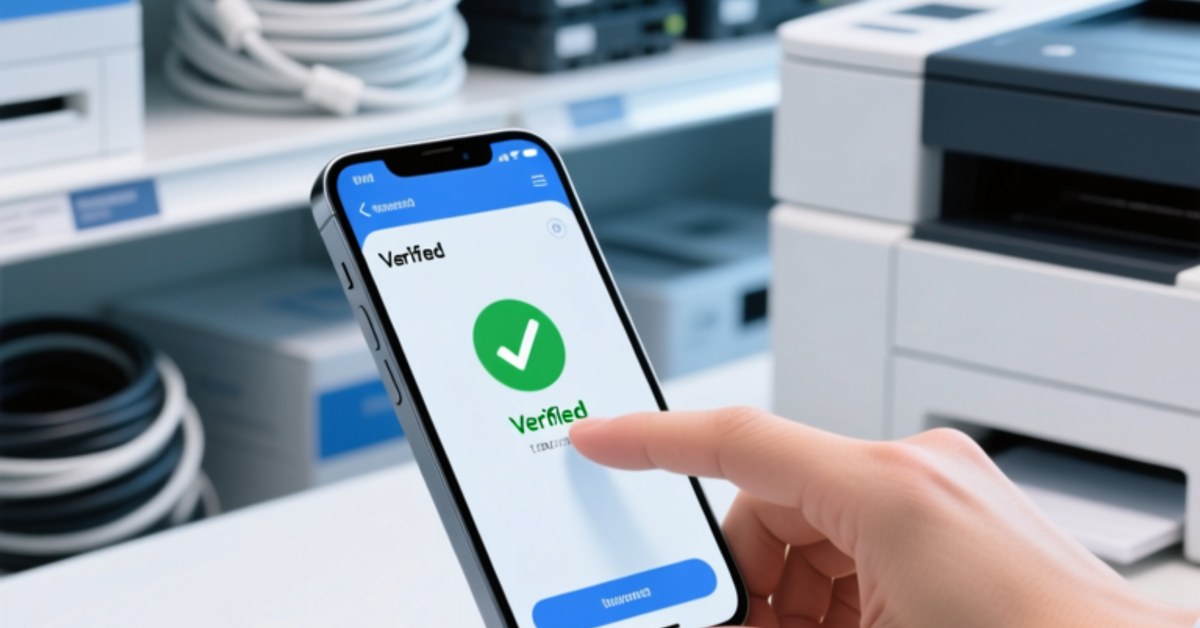
- Indgrebssikker og kryptografisk sikker: NFC-chips som NTAG 424 DNA eller ICODE DNA understøtter gensidig godkendelse og krypterede data. En simpel scanning verificerer herkomst og registrerer kloning, afgørende for luksusvarer, lægemidler, og bildele inkluderet i autentificeringsløsning for luksusvarer.
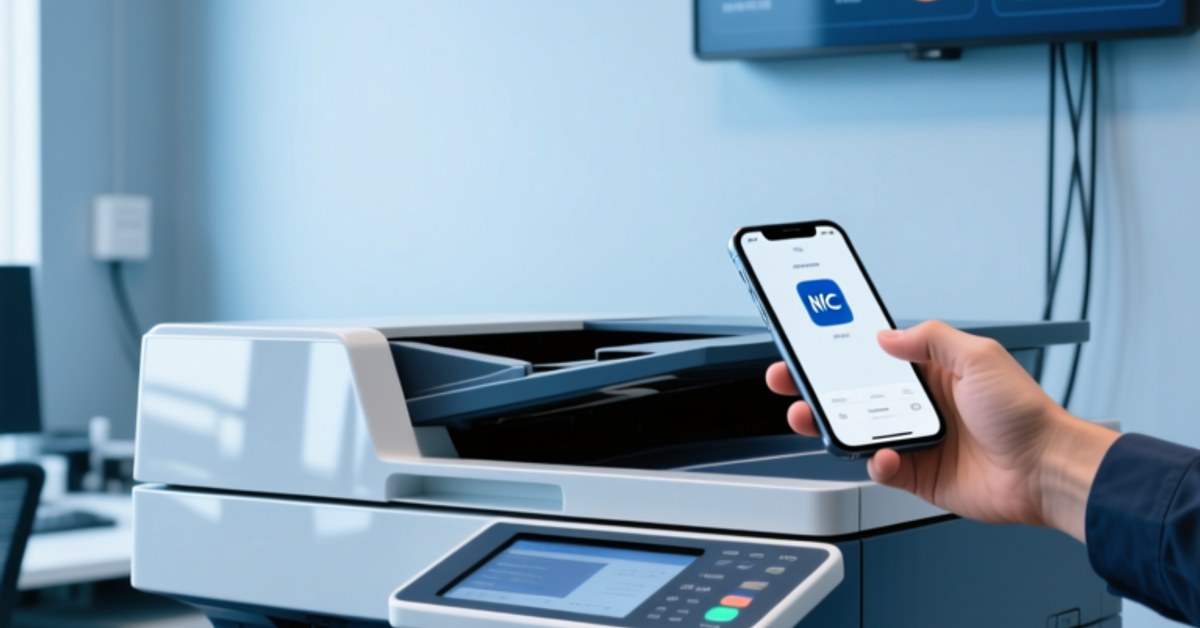
- Offline-til-online-oplevelse uden en app: Et tryk på en NFC-aktiveret smartphone starter DPP-grænsefladen via et weblink; der kræves ingen speciel app-download, reducerer friktionen for både forbrugere og regulatorer.
- Dynamiske dataopdateringer: Med tilsluttede NFC-platforme, datasættet bag et tag kan opdateres gennem hele produktets livscyklus – tilføjelse af serviceposter, ejerskabsoverdragelser, eller renoveringshistorik – mens det fysiske mærke forbliver det samme.
- Dyb integration med eksisterende RFID-infrastruktur: Mange forsyningskæder bruger allerede UHF RFID til paller- og sporing på sagsniveau. NFC-tags fungerer som et supplement på vareniveau, bygger på den samme virksomhedsarkitektur. RFIDHYs brede portefølje af UHF RFID tags og læsere demonstrerer interoperabilitetspotentialet.
NFC-drevet sporbarhed i aktion: Fra fabriksgulv til slutforbruger
Forestil dig et europæisk modemærke, der producerer en frakke i sin asiatiske forsyningskæde. På produktionsanlægget, en NFC indlæg er indlejret i plejeetiketten. Taggets unikke ID er knyttet til en cloud-baseret DPP, der indeholder:
- Indkøbscertifikat for økologisk bomuld fra gårdkooperativet
- Farvning og efterbehandling proces detaljer, herunder vandbehandlingsoverholdelse
- Fabriksrevisionsrapporter og sociale overensstemmelsescertifikater
- Forsendelsesdokumentation og CO2-fodaftryk pr. transportben
Når frakken ankommer til det europæiske distributionscenter, -en håndholdt NFC-læser scanner de indgående forsendelser, opdatering af DPP med et "modtaget" tidsstempel og udløsning af automatiske kvalitetstjek. I detailbutikken, en salgsmedarbejder trykker på frakken med en smartphone for at vise en kunde den fulde herkomsthistorie, opbygge tillid. Efterkøb, kunden kan trykke på deres egen telefon for at bekræfte ægtheden, se plejevejledningen, eller find det nærmeste reparationssted gennem mærkets cirkularitetsprogram.
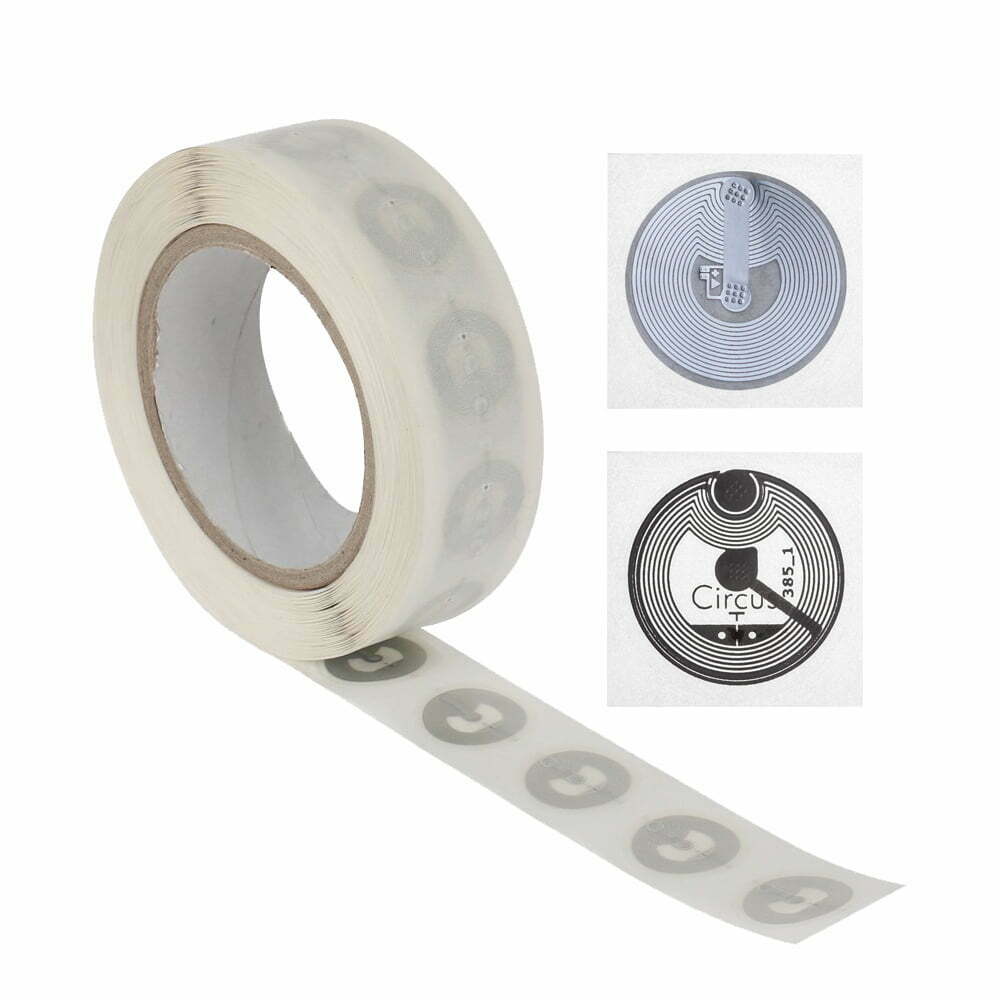
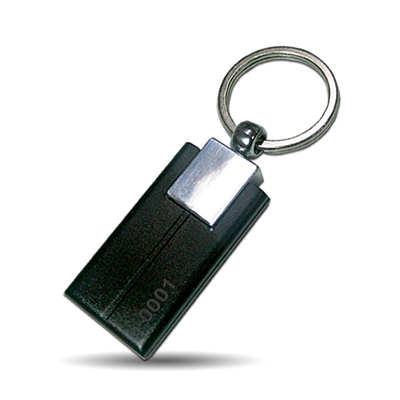
Dette niveau af gennemsigtighed er ikke længere en fjern vision. Ved at bruge NFCWORKs udvalg af NFC -tags, NFC -klistermærker, og NFC-indlæg—tilgængelig i forskellige formfaktorer fra etiket til metalbestandigt — mærker kan implementere granulær sporbarhed, der opfylder både ESPR-forpligtelser og forbrugernes forventninger.
Implementeringsplan for en NFC-baseret digital produktpasløsning
Opbygning af et NFC-aktiveret DPP-system kræver en struktureret tilgang. Her er en praktisk ramme:
Trin 1: Vælg den rigtige NFC-hardware
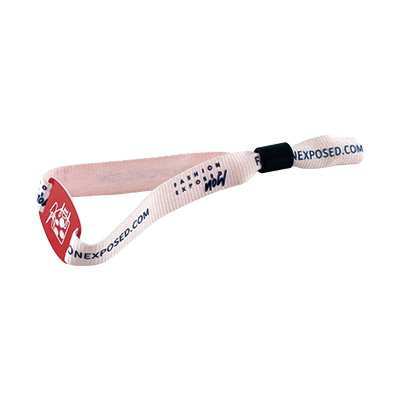
Valg af tag afhænger af produktets overflade, brugsmiljø, og datakrav. NFCWORK leverer NFC-tags, der er kompatible med NTAG 213, 215, 216, og DNA-serier. Til tekstiler, fleksibel NFC våde indlæg eller NFC vaskemærker tåler gentagen vask. Til elektronik eller metalgenstande, anti-metal NFC tags sikrer pålidelig ydeevne. NFC -armbånd eller silikone armbånd arbejde for bærbare produkter, der også understøtter adgangskontrol eller engagement - en funktion, der er beskrevet i vores Smart Wearable Identification side.
Trin 2: Indkode og tilknyt den unikke identitet
Hvert tag modtager et unikt serienummer og en signeret URL, der peger på DPP-posten. Brug af NFC-kodningsløsninger, identiteten er låst eller kan omskrives afhængigt af sikkerhedsmodellen. Til varer af høj værdi, vi anbefaler DNA-serie-tags med kryptografisk engangs-tap-godkendelse, at sikre, at hver verifikation genererer en unik signatur, der ikke kan klones af falskmøntnere.
Trin 3: Design dataarkitekturen
DPP-backend bør overholde nye EU-standarder for databærere og datamodeller. En typisk stak involverer en cloud-platform med rollebaseret adgang: forbrugere ser offentlig information, regulatorer får adgang til overholdelsesdata, og autoriserede servicepartnere henter reparationsoplysninger. Integration med virksomhedens ERP, PLM, og blockchain-logning (som udforsket i NFC og Blockchain: Synergien for ubrydelig sporbarhed) sikrer dataintegritet og langsigtet uforanderlighed.
Trin 4: Administrer interaktion med flere interessenter
Vi anbefaler at kortlægge hele rejsen: fabrikskodning, logistiske scanningspunkter, detail oplevelse, eftersalgsservice, og udtjent genbrug. NFC-porte og håndholdte enheder ved nøgleknudepunkter kan automatisere datafangst og minimere manuel indtastning. For interessenter uden NFC-aktiveret Smartphones, en QR-kodevariant trykt ved siden af NFC-antennen tilbyder et fallback uden at bryde datalinket.
Trin 5: Fremme forbrugerengagement og brandloyalitet
Ud over compliance, NFC DPP åbner muligheder for ægte kundeforbindelse. Et tryk kan udløse loyalitetsprogrammer, personlige tilbud, eller brand storytelling - alt imens forbrugeren bevarer kontrollen over deres data. Dette stemmer overens med det 'fygitale' skift, der blev diskuteret i vores tidligere indlæg om bygge bro mellem fysisk og digital, at gøre et reguleringsværktøj til et markedsføringsaktiv.
Overvindelse af fælles implementeringsudfordringer
Virksomheder rejser ofte bekymringer om omkostninger, holdbarhed, og skalerbarhed. Baseret på NFCWORKs erfaring på tværs af flere brancher, her er de vigtigste afbødninger:
- Pris pr. enhed: Prisen på standard NFC-tags er faldet markant i store mængder; for premium varer, merværdien i brandbeskyttelse og overholdelse opvejer langt hardwareomkostningerne. Engrosmuligheder gennem vores produktpakke sikrer økonomisk indkøb.
- Holdbarhed: Til industrielle og udendørs applikationer, NFC-tags med vandtætte og varmebestandige egenskaber er tilgængelige, svarende til de robuste løsninger, der er diskuteret i vores NFC-tags holdbarhedsvejledning.
- Globale standarder og interoperabilitet: NFC-tags er i overensstemmelse med ISO/IEC 14443 og NFC Forum specifikationer, sikring af interoperabilitet på tværs af alle NFC-aktiverede Smartphones på verdensplan. RFIDHY's RFID-løsninger integreres også problemfrit, når der er behov for bulk RFID-sporing opstrøms.
Business Casen: Fra regulatorisk byrde til strategisk fordel
Tidlige brugere af NFC digitale produktpas sætter ikke bare kryds i boksen – de opbygger et datarigt forhold til kunder og regulatorer. En gennemsigtig forsyningskæde reducerer garantisvig, forenkler tilbagekaldelser, og åbner premium-priser begrundet med verificeret bæredygtighed. I en tid hvor 57% af EU's forbrugere siger, at de er villige til at ændre købsvaner for at reducere miljøbelastningen (Europa -Kommissionen, 2023), en tryk for at bekræfte etiket bliver en differentiator på salgsstedet.
Desuden, DPP-infrastrukturen indgår direkte i ESG-rapportering og cirkularitetsmål. Detaljerede materialeregistreringer gør det langt nemmere at adskille produkter til genbrug, en hjørnesten i EU's handlingsplan for cirkulær økonomi. NFCWORKs ekspertise indenfor NFC-produktgodkendelse og RFID-forsyningskædeløsninger positionerer os som en strategisk partner for denne transformation.
Efterhånden som de lovpligtige frister nærmer sig, Europæiske virksomheder står over for et klart valg: behandle DPP som en dokumentationsøvelse, eller udnytte det som rygraden i en gennemsigtig, betroet, og digitalt aktiveret forsyningskæde. NFC-teknologi gør det sidste ikke bare muligt, men praktisk i dag.
FAQ
Hvad er et digitalt produktpas helt præcist?
Et digitalt produktpas (DPP) er en struktureret digital registrering, der gemmer omfattende livscyklusdata om et produkt – fra råmaterialer og fremstilling til brugstips og genbrugsinstruktioner. Påkrævet af EU’s ESPR-forordning, DPP hjælper med at forbedre gennemsigtigheden, cirkularitet, og compliance på tværs af forsyningskæder.
Hvordan fungerer et NFC-tag som en DPP-databærer?
Et NFC-tag indeholder en unik URL eller kryptografisk identifikator. Når man er forbruger, forhandler, eller regulator trykker på tagget med en NFC-aktiveret smartphone, den henter øjeblikkeligt produktets DPP fra en sikker cloud-platform. Ingen app er nødvendig. Avancerede tags som NTAG 424 DNA giver også manipulationssikker autentificering for at verificere produktets ægthed.
Hvilke NFC-produkter tilbyder NFCWORK til DPP-implementering?
NFCWORK leverer et komplet udvalg af NFC-hardware designet til digitale produktpas, inklusive fleksible NFC våde indlæg, Robust NFC -klistermærker, anti-metal NFC tags, NFC vaskemærker til tekstiler, og NFC -armbånd til bærbare ting. Alle tags er tilgængelige med NDEF-kodningsunderstøttelse og kryptografiske muligheder for højsikkerhedsgodkendelse.
Hvornår vil EU kræve digitale produktpas?
Kravene vil blive indfaset pr. produktkategori via delegerede retsakter. Batterier er den første kategori under den nye batteriregulering, med DPP-elementer, der starter i 2026. Tekstiler, Elektronik, og møbler forventes at følge mellem 2027 og 2030. Forberedelse nu sikrer en glidende overgang og tidlig konkurrencefordel.
Kan NFC-tags modstå barske forsyningskædeforhold?
Ja. NFC-tags i industriel kvalitet fås i vandtæt, varmebestandig, og anti-metal formater. For eksempel, NFC-vaskemærker overlever hundredvis af vaskecyklusser, og anti-metal tags bevarer læsbarheden, når de er fastgjort direkte til metaloverflader i logistik- eller produktionsmiljøer.
Klar til at bygge dit NFC-drevne produktpas?
NFCWORK kombinerer deep tag engineering ekspertise med real-world implementeringserfaring på tværs af tekstiler, Elektronik, og luksusindustrien. Uanset om du udforsker et pilotprojekt eller skalerer DPP på tværs af en global forsyningskæde, vores team kan hjælpe dig med at vælge den rigtige NFC-formfaktor, kode sikre identiteter, og integrere med din dataplatform.
Tal med vores DPP-specialister
Eller udforsk hele vores udvalg af NFC produkter og løsninger for at finde det ideelle tag til din applikation.