Introduzione: Il mandato del passaporto dei prodotti digitali
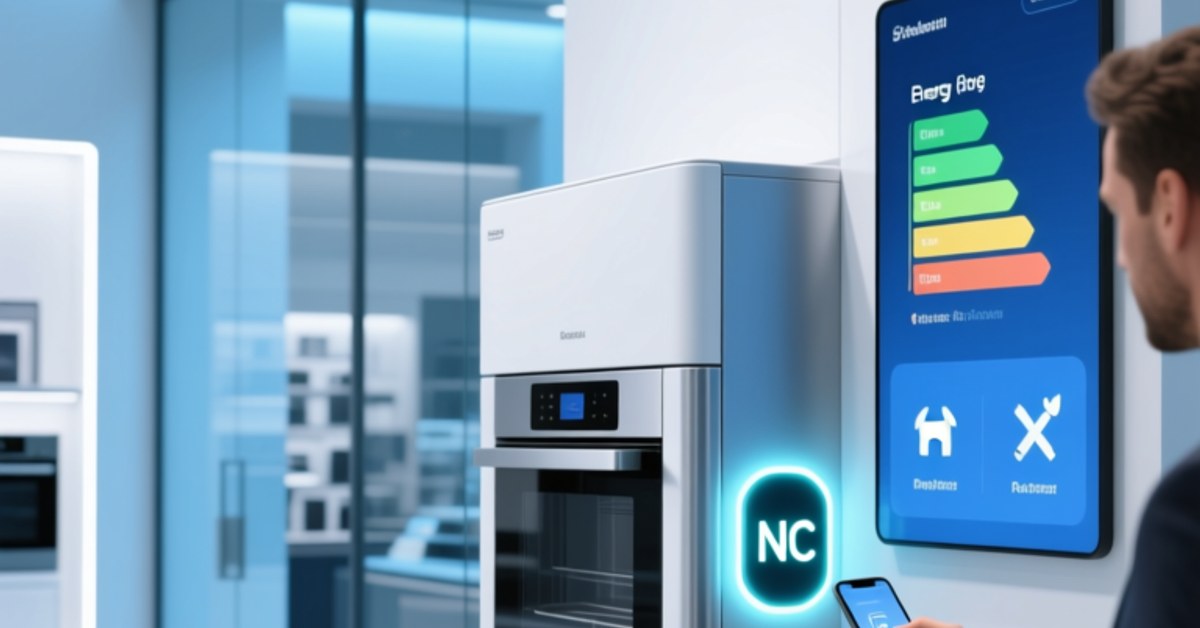
IL Regolamento sulla progettazione ecocompatibile per i prodotti sostenibili (ESPR) sta rimodellando il modo in cui vengono progettati i prodotti, fabbricato, e monitorato nell’Unione Europea. Al suo centro sta il Passaporto dei prodotti digitali (Dpp) – un record digitale che trasporta dati specifici del prodotto attraverso l’intero ciclo di vita. Per i produttori, soddisfare i requisiti ESPR dell’UE non è semplicemente una casella di controllo normativa; è un’opportunità strategica per migliorare la trasparenza della catena di fornitura, abilitare modelli di business circolari, e costruire la fiducia dei consumatori.
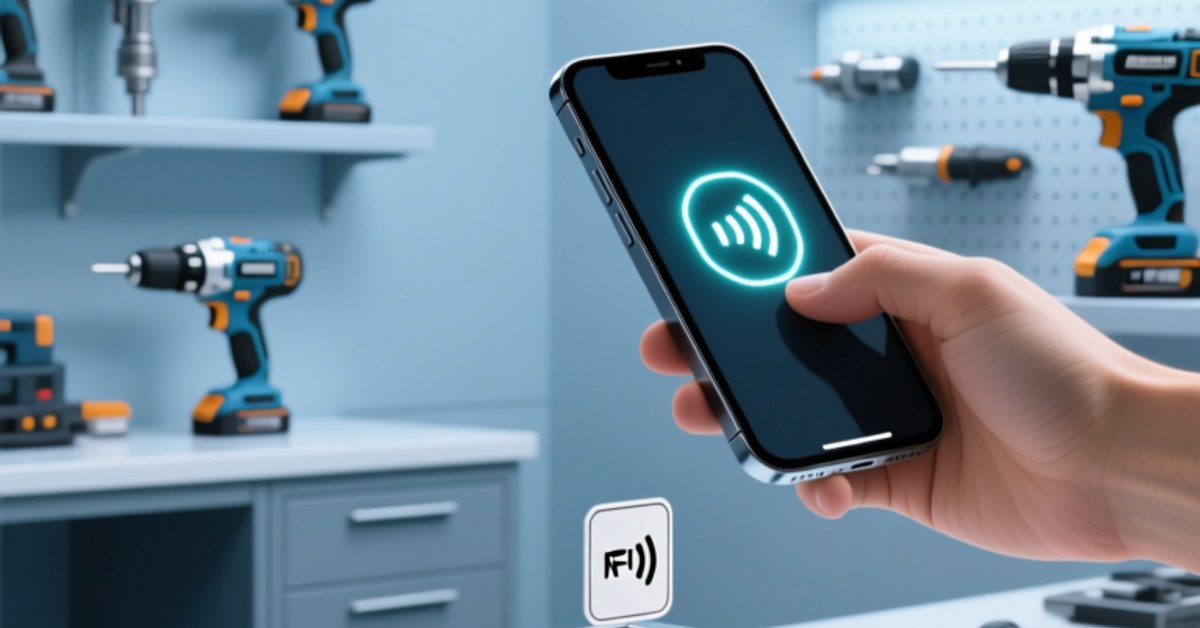
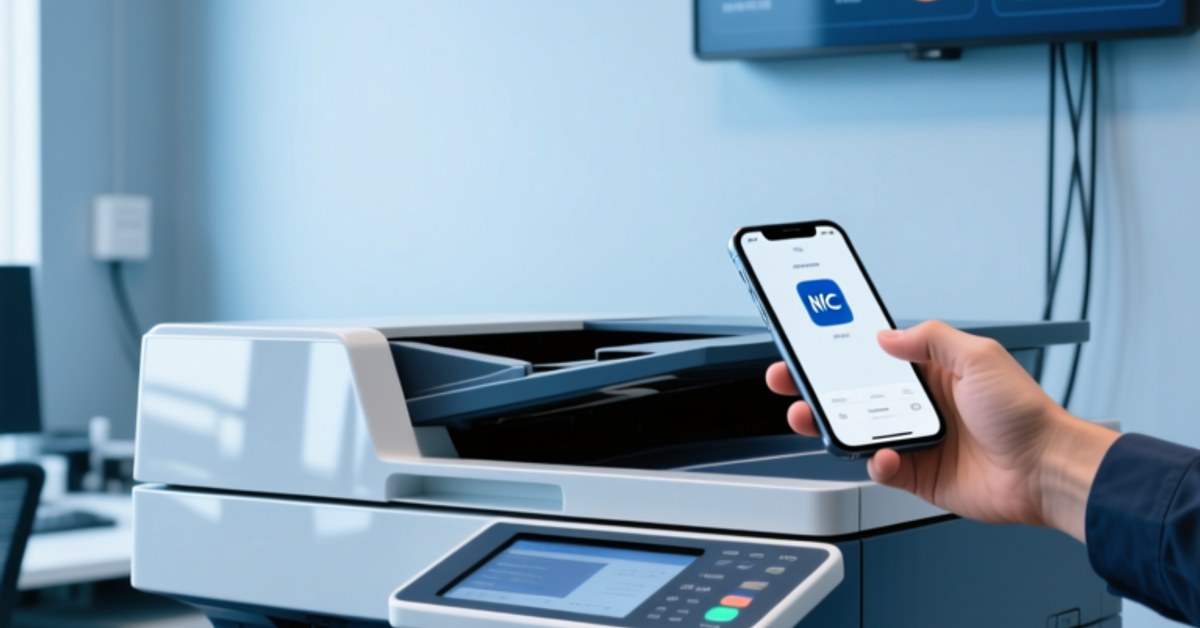
Questa tabella di marcia si concentra su DPP abilitati NFC come pratico, conveniente, e una soluzione di conformità scalabile. Incorporando i tag Near Field Communication direttamente nei prodotti o negli imballaggi, i produttori possono fornire accesso immediato al DPP tramite un semplice tocco di uno smartphone. Non è necessaria alcuna infrastruttura di scansione complessa, rendendolo particolarmente adatto per settori come l'abbigliamento, elettronica, mobilia, e produzione di batterie.
Comprendere la tempistica e l'ambito dell'ESPR dell'UE
L’ESPR è stato proposto a marzo 2022 e si prevede che entrerà pienamente in vigore tra 2024 E 2027, con la progressiva diffusione di atti delegati per gruppi di prodotti specifici. La prima ondata include le batterie, tessuti, ed elettronica. I produttori che esportano nell’UE devono prepararsi ora per evitare interruzioni dell’accesso al mercato.
>
| Pietra miliare | Cronologia prevista | Impatto sui produttori |
|---|---|---|
| Entra in vigore l'ESPR | 2024–2025 | Base giuridica stabilita; iniziano gli atti delegati |
| DPP batteria obbligatorio | 2027 | Tutte le batterie industriali e per veicoli elettrici devono essere munite di un passaporto digitale |
| Tessili & elettronica DPP | 2027–2028 | Applicazione graduale per i beni di largo consumo |
| Copertura completa | 2030+ | È probabile che la maggior parte delle categorie di prodotti siano coperte |
L’adozione tempestiva della tecnologia NFC DPP consente ai produttori di perfezionare i processi di raccolta dati, formare i partner della catena di fornitura, e allinearsi ai prossimi atti delegati ben prima delle scadenze.
Lo stack tecnologico DPP: Dove si adatta NFC
Un sistema di passaporto digitale dei prodotti richiede uno stack tecnologico a più livelli. La tabella seguente descrive ciascun livello e il modo in cui la tecnologia NFC si integra a livello del supporto dati.
>
| Strato | Descrizione | Ruolo NFC |
|---|---|---|
| Identificazione univoca | Ogni prodotto riceve un identificatore univoco globale (UID) | Tag NFC incorporare un UID programmato in fabbrica che non può essere modificato, fungendo da impronta digitale immutabile del prodotto |
| Supporto dati | Mezzo fisico che collega il prodotto al record digitale | Tag NFC/Intarsi NFC sono attaccati direttamente al prodotto o alla confezione, consentendo l'accesso senza contatto |
| Gestione dei dati | Repository DPP basato su cloud o blockchain | La memoria del tag NFC può memorizzare un URL risolvibile che punta al DPP ospitato nel cloud; opzioni crittografate disponibili |
| Interfaccia di accesso | Come le parti interessate leggono/scrivono i dati | Consumatori e revisori utilizzano qualsiasi smartphone abilitato NFC; i lettori industriali gestiscono la verifica in blocco |
| Sicurezza & Fiducia | Meccanismi di autenticazione e integrità | Chip NFC come NTAG 424 Il DNA consente l'autenticazione reciproca e la comunicazione crittografata |
A Nfcwork, aiutiamo i produttori a selezionare i tag NFC giusti per le loro applicazioni DPP, dallo standard Adesivi NFC a robusto tag NFC anti-metallo per ambienti industriali.
Guida passo passo all'implementazione di NFC DPP
L’attuazione di un DPP conforme può essere suddivisa in quattro fasi chiare. Segui questa tabella di marcia per integrare la tecnologia NFC riducendo al minimo le interruzioni operative.
Fase 1: Mappatura dei dati di prodotto e architettura DPP
- Identifica tutti i campi dati obbligatori EU ESPR per la tua categoria di prodotto (materiali, contenuto riciclato, impronta di carbonio, istruzioni per la riparazione, requisiti di movimentazione).
- Definisci il tuo modello di dati DPP: considera gli standard GS1 per l'identificazione del prodotto e la condivisione dei dati.
- Determina se i dati risiederanno su una piattaforma cloud, una blockchain, o un'architettura ibrida. Assicurati che il sistema possa assegnare un URL del sistema di risoluzione univoco per ciascuna unità di prodotto.
- Progetta il livello di visualizzazione DPP: in che modo consumatori e partner visualizzeranno e interagiranno con i dati del passaporto?
Fase 2: Strategia di selezione e codifica dei tag NFC
La scelta del tag NFC ottimale è fondamentale. Le considerazioni chiave includono:
- Dimensione della memoria: Per un DPP solo URL, 144 byte (Allegate 213) basta; per la memorizzazione di dati supplementari offline, considerare 888 byte (Allegate 216). Le applicazioni orientate alla sicurezza traggono vantaggio da NTAG 424 DNA con crittografia AES.
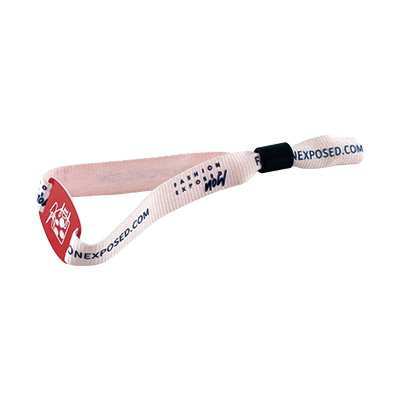
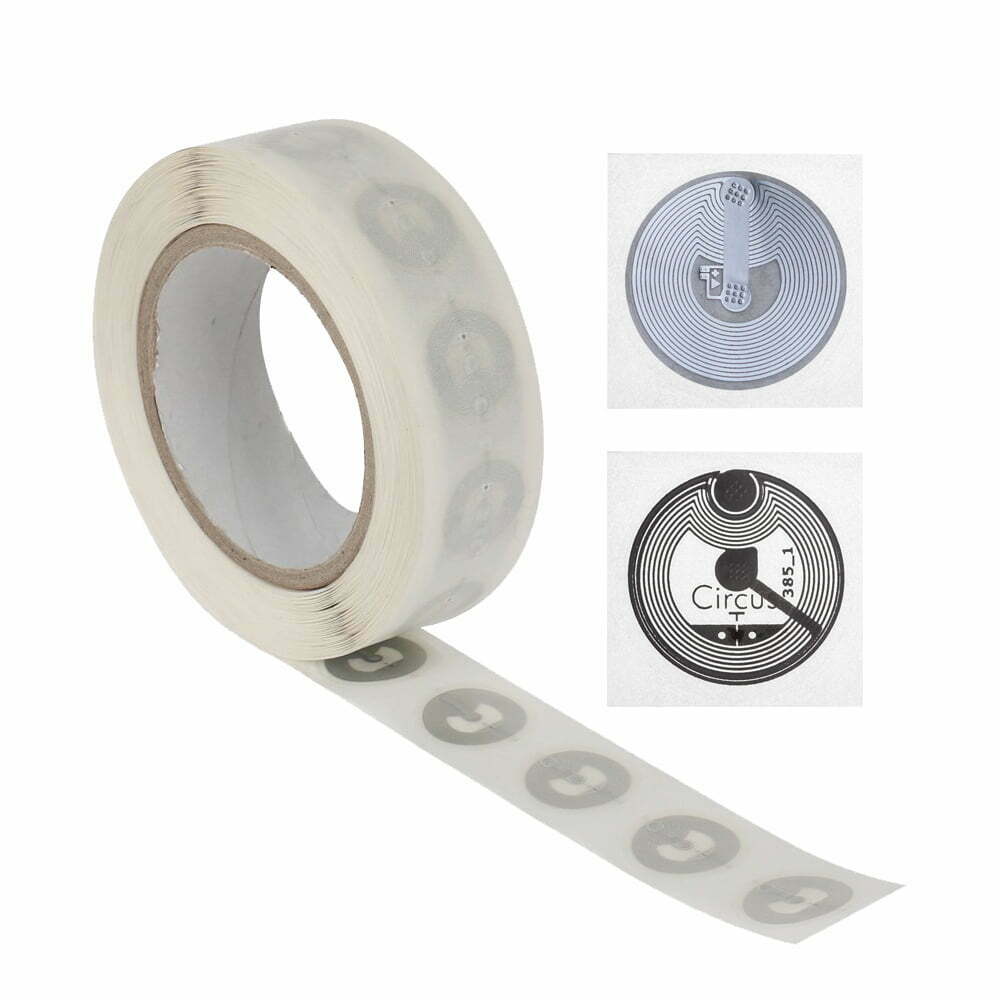
- Fattore di forma: Adesivi NFC, Intarsi bagnati NFC, O Braccialetti in silicone NFC a seconda della superficie del prodotto e del caso d'uso. Per i beni metallici, scegliere tag NFC anti-metallo.
- Durabilità ambientale: Richiesta di ambienti industriali Tag NFC impermeabili e resistenti al calore.
- Codifica: Programma ogni tag con l'URL del sistema di risoluzione univoco, bloccarlo in sola lettura, e facoltativamente aggiungere una firma digitale.
Fase 3: Integrazione della produzione e implementazione della catena di fornitura
- Integra la codifica dei tag NFC nelle linee di produzione esistenti: le apparecchiature di codifica possono essere in linea con le stazioni di etichettatura.
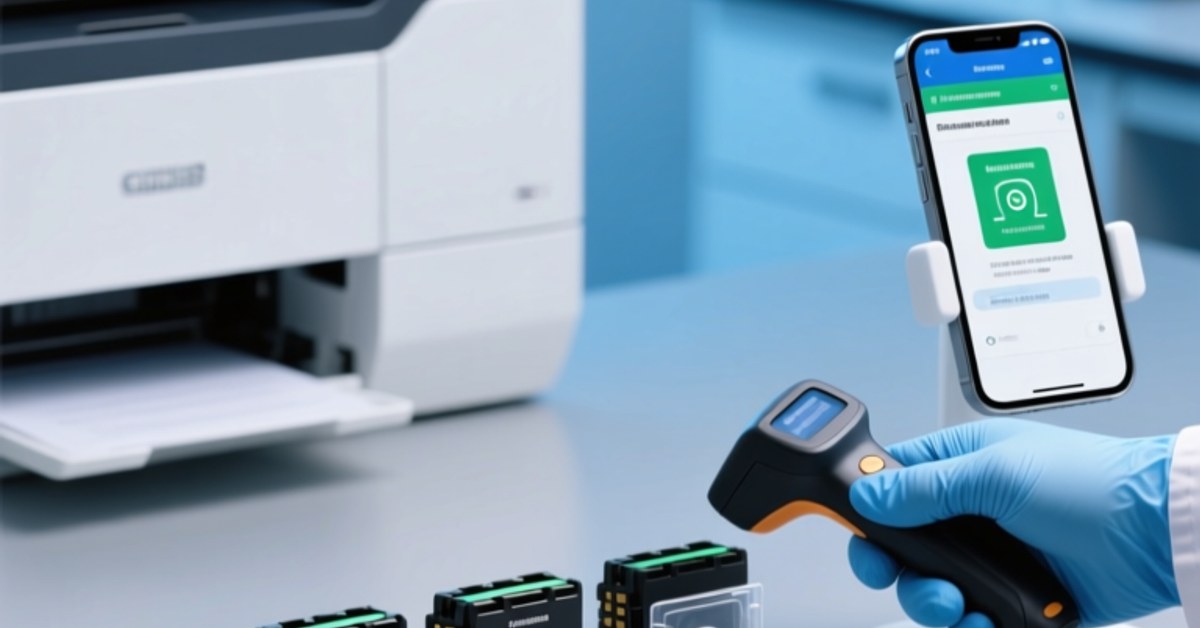
- Le soluzioni scalabili spaziano da lettori NFC desktop per volumi bassi ad alta velocità moduli RFID industriali in grado di codificare migliaia di tag all'ora.
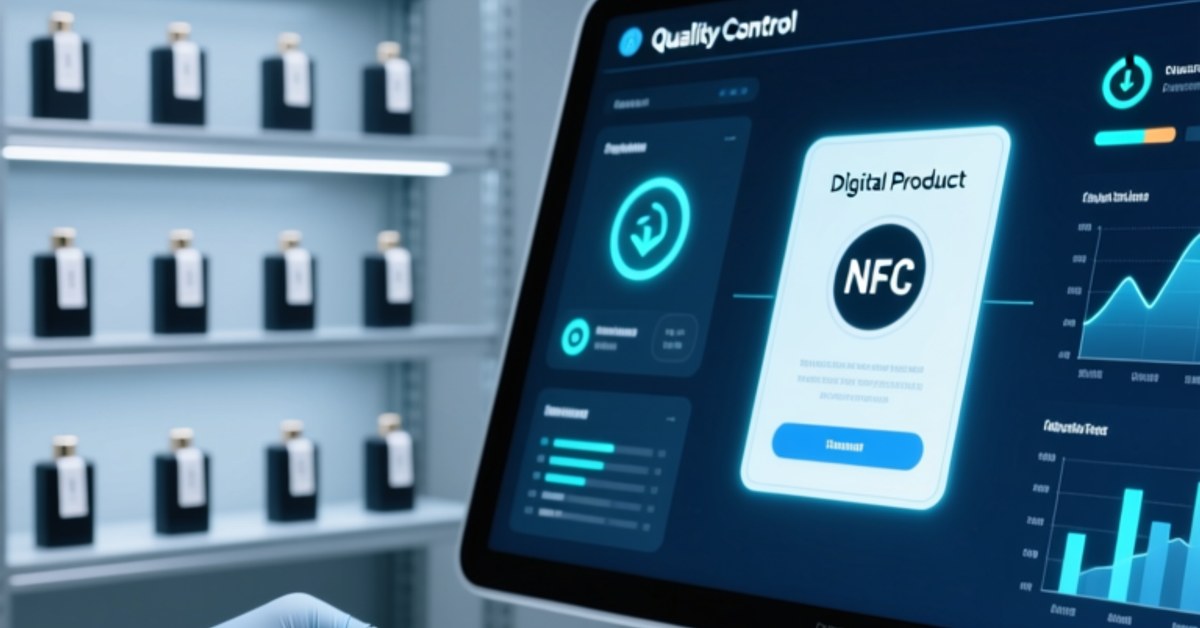
- Stabilisci controlli di qualità per verificare che ogni etichetta sia codificata correttamente e leggibile prima della spedizione.
- Formare i partner della catena di fornitura su come scansionare e aggiornare i campi DPP rilevanti (PER ESEMPIO., tappe logistiche, eventi di riparazione) utilizzando scanner NFC portatili o standard smartphone.
- Leva Integrazione NFC-blockchain per una tracciabilità a prova di manomissione lungo tutta la filiera.
Fase 4: Coinvolgimento dei consumatori e gestione del ciclo di vita
- I consumatori toccano il DPP abilitato NFC con il proprio telefono per accedere immediatamente alle informazioni sul prodotto, guide alla cura, e opzioni di riciclaggio. Questo ponte figitale migliora la fedeltà al marchio.
- Abilita gli aggiornamenti dei dati post-vendita: fornitori di servizi, restauratori, oppure i riciclatori possono aggiungere nuove voci al DPP (soggetto ad autorizzazioni) utilizzando lo stesso punto di tocco NFC.
- Monitora l'analisi dell'utilizzo di DPP per ottenere informazioni dettagliate sul ciclo di vita del prodotto e sulle prestazioni di circolarità.
Lista di controllo della conformità EU ESPR per i produttori
Utilizza questa lista di controllo per guidare il tuo percorso di implementazione del DPP.
>
| Area Conformità | Elementi di azione | Stato |
|---|---|---|
| Consapevolezza normativa | Identifica gli atti delegati applicabili per le tue categorie di prodotti. Monitorare gli aggiornamenti ESPR dell’UE. | ☐ |
| Preparazione dei dati | Raccogli e digitalizza i dati di prodotto obbligatori (composizione materiale, contenuto riciclato, impronta di carbonio). Allinearsi agli standard ESAP. | ☐ |
| Serializzazione unica | Assegna identificatori univoci a livello globale per unità di prodotto. Registra il prefisso presso GS1 o un emittente accreditato. | ☐ |
| Selezione tag NFC | Scegli il chip NFC e il fattore di forma appropriato per il prodotto e l'ambiente. Convalidare la durabilità e il raggio di lettura. | ☐ |
| Piattaforma DPP | Seleziona o crea un repository DPP cloud/blockchain conforme alle norme UE sulla sovranità dei dati. | ☐ |
| Integrazione produttiva | Integra la codifica NFC nelle linee di produzione. Implementare controlli di qualità dei tag. | ☐ |
| Integrazione della catena di fornitura | Fornire formazione e semplici strumenti di scansione ai partner logistici e al dettaglio. | ☐ |
| Accesso al consumo | Garantire che il DPP sia accessibile tramite tocco dello smartphone con un'interfaccia intuitiva e supporto multilingue. | ☐ |
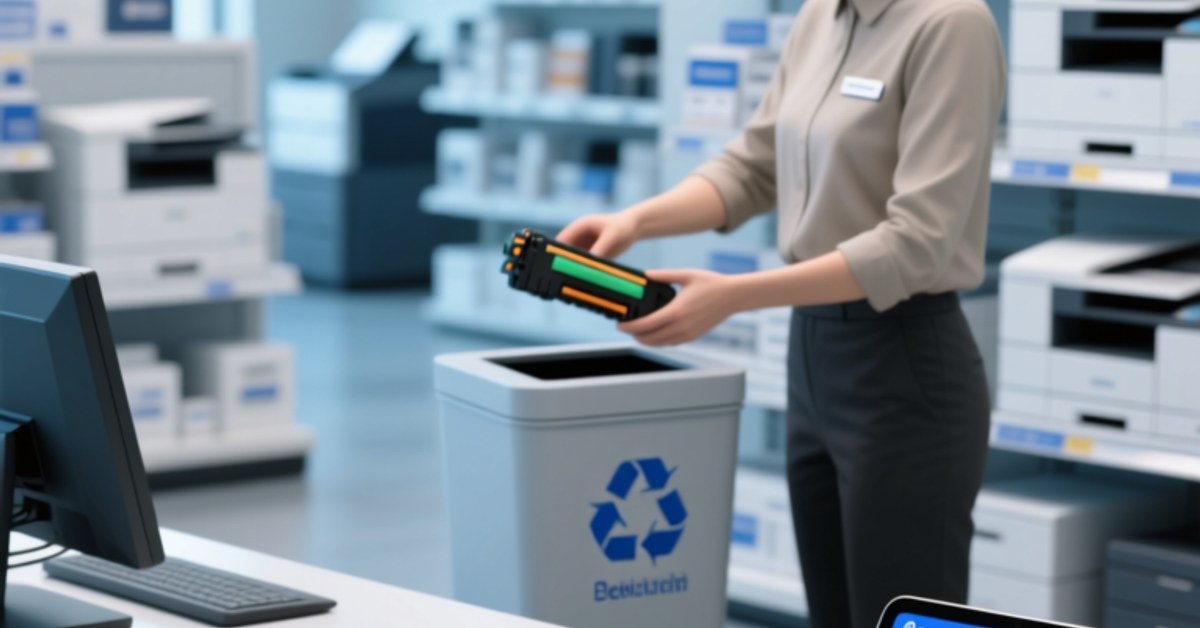
| Gestione del fine vita | Facilitare l'acquisizione dei dati di riciclaggio e le istruzioni di smontaggio attraverso il DPP. | ☐ |
Superare le sfide comuni di implementazione
I produttori spesso devono affrontare ostacoli durante l’adozione del DPP. Ecco come la tecnologia NFC aiuta ad affrontarli:
- Integrazione dei sistemi legacy: I tag NFC possono essere implementati senza rivedere le piattaforme ERP esistenti. Un semplice reindirizzamento URL collega il prodotto fisico e il passaporto digitale.
- Precisione dei dati: La codifica NFC automatizzata nel punto di produzione elimina gli errori di immissione manuale dei dati.
- Preoccupazioni legate alla contraffazione: Chip NFC con autenticazione crittografica (PER ESEMPIO., Allegate 424 DNA) garantire che solo i prodotti genuini portino un DPP verificabile.
- Scalabilità: Nostro Soluzioni RFID/NFC scala, dai progetti pilota alle implementazioni globali, che copre milioni di prodotti.
Resta al passo con l'ESPR dell'UE con i DPP abilitati NFC
L'adozione della tecnologia NFC per il Passaporto Digitale dei Prodotti non è più una considerazione futura: è un imperativo attuale per qualsiasi produttore che opera nell'UE. La tecnologia è matura, conveniente, e intrinsecamente compatibile con la visione ESPR della trasparenza del prodotto. Seguendo questa tabella di marcia, la tua organizzazione può passare dall'ansia di conformità alla differenziazione del mercato.
Per un approfondimento sulle tecnologie correlate, esplora le nostre risorse su Soluzioni per il passaporto digitale dei prodotti E Tracciabilità NFC-blockchain.
FAQ
Qual è la differenza tra i codici NFC e QR per DPP?
Entrambi possono contenere un URL. Tuttavia, NFC offre un'esperienza "tocca e vai"., può includere l'autenticazione crittografica per impedire la clonazione, ed è più robusto in ambienti scarsamente illuminati o sporchi. A differenza dei codici QR, l'ID univoco di un tag NFC non può essere copiato, fornendo vantaggi anticontraffazione intrinseci.
NFC DPP è conforme a EU ESPR?
L'ESPR non impone una tecnologia portante specifica; richiede che il passaporto del prodotto sia accessibile tramite un supporto dati. Tag NFC, quando collegato a una piattaforma DPP conforme agli standard, soddisfare pienamente i requisiti di accessibilità dei dati previsti dal regolamento.
Quanto costa implementare NFC DPP per prodotto?
I costi variano in base al tipo di tag e al volume. Di base Adesivi NFC può costare meno di $0.05 in quantità elevate, mentre i tag sicuri con crittografia potrebbero essere leggermente superiori. Il ROI complessivo è positivo se si considera la riduzione della contraffazione, riciclaggio migliorato, e una maggiore fiducia nel marchio.
I tag NFC possono essere riutilizzati per gli aggiornamenti DPP?
SÌ, se la memoria del tag è configurata per consentire operazioni di riscrittura. Tuttavia, per scenari a prova di manomissione, ti consigliamo di scrivere un URL permanente e di gestire tutti gli aggiornamenti tramite il DPP ospitato sul cloud, che può essere continuamente aggiornato senza alterare il tag.
I consumatori hanno bisogno di un'app speciale per leggere i DPP NFC?
NO. Il più moderno abilitato NFC smartphone può leggere i tag NFC standard senza app aggiuntive (iOS 14+ o Android 5.0+). Il browser nativo del telefono apre automaticamente l'URL DPP al tocco.
FAQ
Qual è la differenza tra i codici NFC e QR per DPP?
Entrambi possono contenere un URL. Tuttavia, NFC offre un'esperienza "tocca e vai"., può includere l'autenticazione crittografica per impedire la clonazione, ed è più robusto in ambienti scarsamente illuminati o sporchi. A differenza dei codici QR, l'ID univoco di un tag NFC non può essere copiato, fornendo vantaggi anticontraffazione intrinseci.
NFC DPP è conforme a EU ESPR?
L'ESPR non impone una tecnologia portante specifica; richiede che il passaporto del prodotto sia accessibile tramite un supporto dati. Tag NFC, quando collegato a una piattaforma DPP conforme agli standard, soddisfare pienamente i requisiti di accessibilità dei dati previsti dal regolamento.
Quanto costa implementare NFC DPP per prodotto?
I costi variano in base al tipo di tag e al volume. Gli adesivi NFC di base possono costare meno di $0.05 in quantità elevate, mentre i tag sicuri con crittografia potrebbero essere leggermente superiori. Il ROI complessivo è positivo se si considera la riduzione della contraffazione, riciclaggio migliorato, e una maggiore fiducia nel marchio.
I tag NFC possono essere riutilizzati per gli aggiornamenti DPP?
SÌ, se la memoria del tag è configurata per consentire operazioni di riscrittura. Tuttavia, per scenari a prova di manomissione, ti consigliamo di scrivere un URL permanente e di gestire tutti gli aggiornamenti tramite il DPP ospitato sul cloud, che può essere continuamente aggiornato senza alterare il tag.
I consumatori hanno bisogno di un'app speciale per leggere i DPP NFC?
NO. La maggior parte dei moderni smartphone abilitati NFC possono leggere i tag NFC standard senza app aggiuntive (iOS 14+ o Android 5.0+). Il browser nativo del telefono apre automaticamente l'URL DPP al tocco.
Pronto per creare il tuo passaporto di prodotti digitali abilitato NFC?
Contatto Tecnologia NFCWORK oggi per discutere le tue esigenze di conformità EU ESPR. Nostro Rfidhy la linea di prodotti offre una gamma completa di Tag NFC, intarsi, e soluzioni di codifica su misura per gli ambienti produttivi. Ottieni una consulenza gratuita e una valutazione di esempio per avviare la tua roadmap DPP sulla strada giusta.