Bisogno di industria
La Convenzione di Basilea, che è stato ratificato da più di 190 Paesi, regola rigorosamente il movimento transfrontaliero dei rifiuti elettronici (rifiuti elettronici) contenenti sostanze pericolose come il piombo, mercurio e cadmio. I requisiti chiave includono:
- Previo consenso informato (FOTO): Gli esportatori devono dichiarare il contenuto della sostanza tossica (PER ESEMPIO., >0.1% piombo in peso) al paese ricevente.
- Prova di riciclaggio: Fornire la documentazione di smaltimento rispettoso dell'ambiente in conformità con le linee guida dell'Allegato IV.
- Sanzioni: Le multe per spedizioni illegali possono arrivare fino a 500.000 euro (UNEP, 2023).
Il monitoraggio manuale non può soddisfare questi requisiti: UN 2024 Ufficio del riciclaggio internazionale (UNO) Il rapporto lo ha trovato 42% degli esportatori di rifiuti elettronici deve affrontare problemi di conformità a causa di registrazioni mancanti o falsificate.
Applicazione della tecnologia
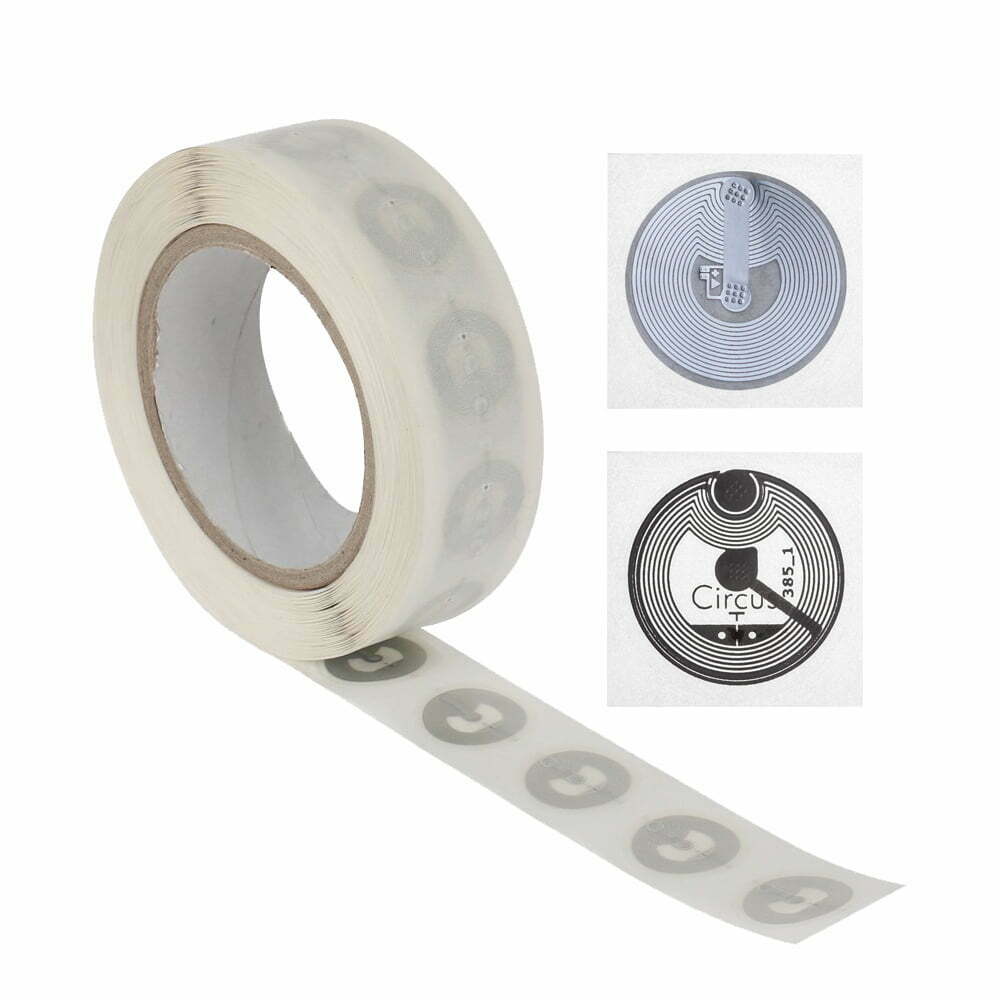
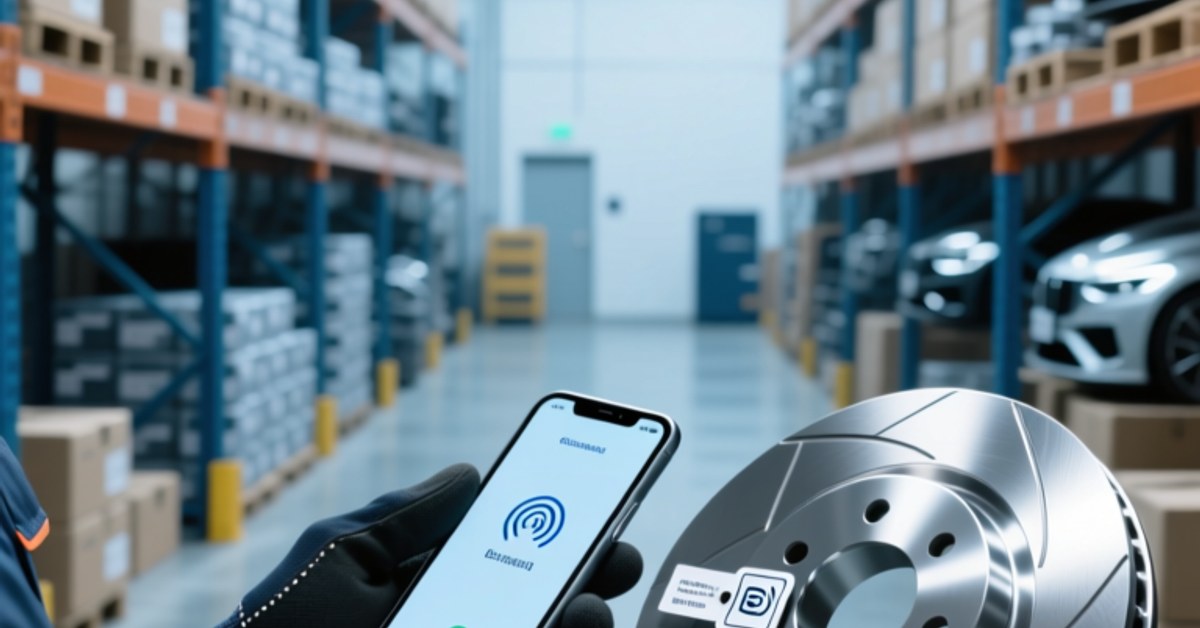
Abilitato per NFC Passaporto dei prodotti digitali (Dpp) risolve le lacune di conformità incorporando dati critici direttamente nei componenti elettronici:
1.Documenti sui materiali pericolosi
Ogni Tag NFC negozi:
- Livelli di materiali tossici: Percentuali precise di piombo, mercurio, e cromo esavalente (Conforme alla direttiva RoHS).
- Guida alla rimozione: Istruzioni dettagliate per uno smaltimento sicuro (CEI 62474 standard).
- Certificato di riciclaggio: Collegamento al registro di smaltimento verificato dalla blockchain (per esempio. VeChainThor).
2.Durata in condizioni difficili
- Resistenza chimica: I tag resistono all'attacco degli acidi, solventi, e metalli pesanti (Grado di protezione IP69K).
- Resistenza alle alte temperature: Funziona da -40°C a +125°C (Tag HY-PPS Ф30).
3.Controlli di conformità in tempo reale
- Integrazione doganale: Le autorità scansionano Tag NFC per verificare istantaneamente le dichiarazioni PIC attraverso piattaforme come SAP Global Trade Services.
- Avvisi automatici: Segnalazione merce non conforme (per esempio. Mercurio non dichiarato) prima dell'esportazione.
Caso: Recycler riduce il rischio di conformità di 30% Usando NFC DPP
Il risultato è stato un audit manuale presso un centro europeo di trattamento dei rifiuti elettronici 15% delle spedizioni rifiutate, Con sanzioni pari a 800.000 euro l'anno.
Soluzioni:
- Più di 200,000 dispositivi taggati: NXP NTAG integrato 424 Tag DNA su PCB e batterie agli ioni di litio.
- Blockchain ancorata: Record di smaltimento archiviati su IBM Food Trust per un controllo immutabile.
- Analisi basate sull'intelligenza artificiale: Siemens Insights Hub utilizza dati storici per prevedere le spedizioni ad alto rischio.
Risultati:
- 30% riduzione delle violazioni della compliance (sono partiti i rifiuti 15% A 10.5%).
- Le spedizioni approvate da PIC sdoganano 20% Più veloce.
- Risparmiate 240.000 € all'anno in multe e costi di ricondizionamento.
(Fonte: Rapporto BIR sulla conformità globale dei rifiuti elettronici, 2024)
(Fornisci la tua email per l'accesso immediato – 120+ le aziende lo utilizzano per semplificare le esportazioni di rifiuti elettronici.)
Potresti essere interessato anche a:
Per ulteriori informazioni,Per favore contattaci.