The Coffee Capsule Ecosystem: Opportunities and Challenges
The single-serve coffee capsule market continues to expand, driven by convenience, cohérence, and the desire for premium coffee experiences at home and in workplaces. For coffee brands, capsule and pod makers, machine manufacturers, and hospitality buyers, this growth presents both opportunity and risk. Counterfeit capsules can damage brand reputation, compromise machine performance, and pose safety concerns. Compatibility issues frustrate users when capsules fail to work with machines. Entre-temps, environmental pressure demands circular solutions for capsule waste. NFC technology offers a powerful way to address these challenges by connecting capsules, machines, and consumers through secure digital interactions.
How NFC Technology Works in Coffee Capsules
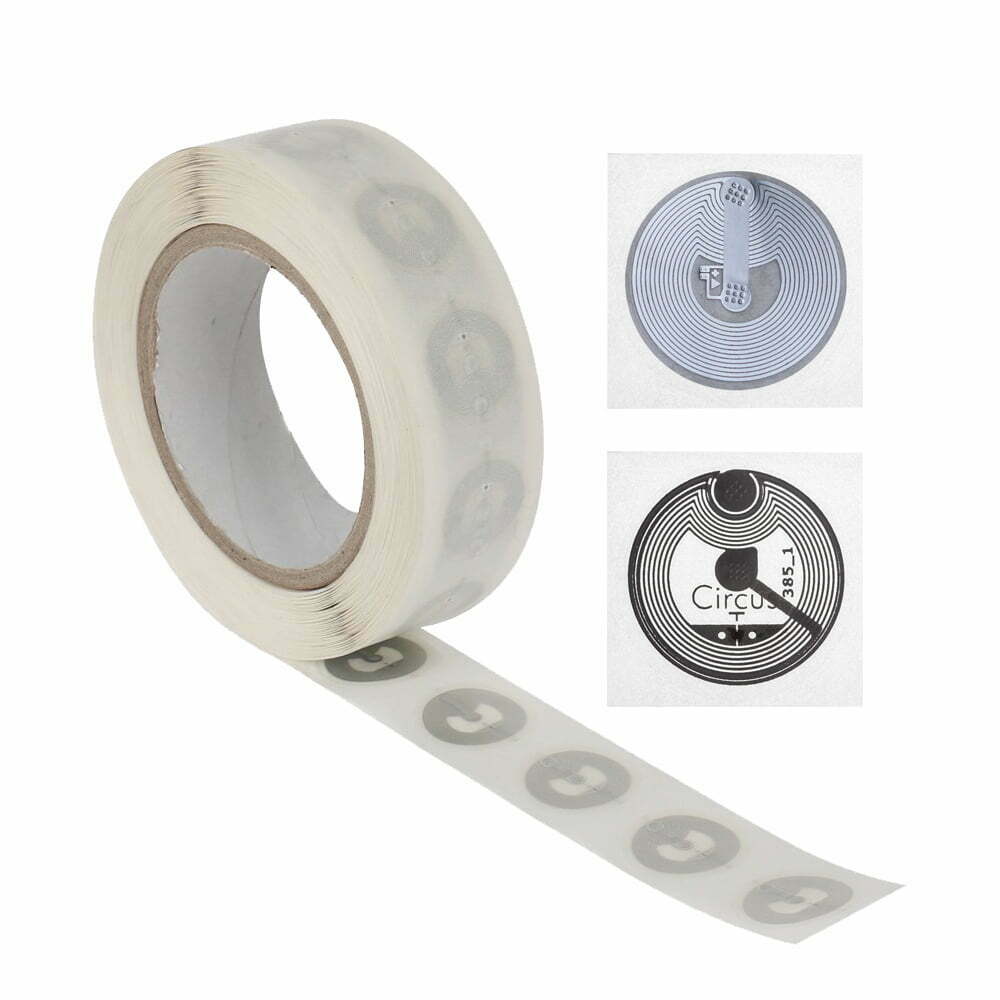
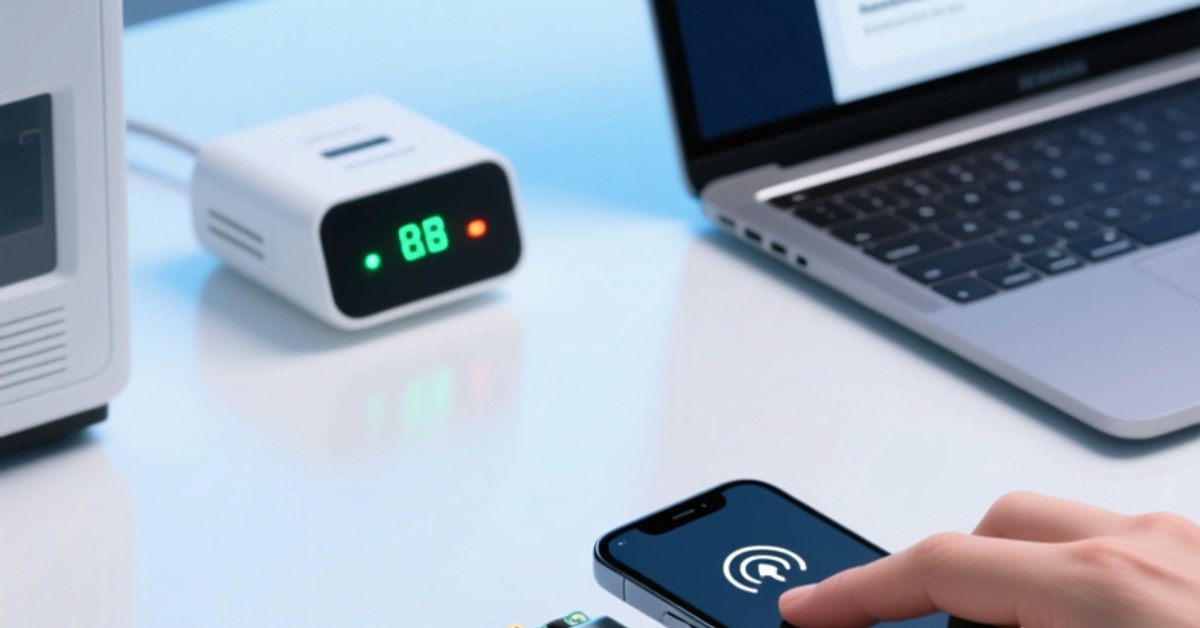
Communication en champ proche (NFC) is a short-range wireless technology that enables data exchange between an Étiquette NFC et un lecteur. In the coffee capsule ecosystem, un Étiquette NFC—such as an Autocollant NFC, Incrustation NFC, or custom NFC tag—can be embedded into the rim or body of a capsule. The coffee machine or a smartphone equipped with NFC then reads the tag. Technologie NFCWORK provides a range of NFC tags, Étiquettes NFC, and NFC inlays suitable for integration into capsules and machines. These tags can store authentication codes, brewing parameters, origin data, et instructions de recyclage. The interaction is instantaneous and requires no battery, making it ideal for consumable products. For machine manufacturers, integrating an NFC reader module is straightforward, and for capsule makers, adding an NFC tag is a low-cost addition that unlocks significant value.
Machine-Capsule Authentication Pairing
Preventing Counterfeit Pods and Machine Damage
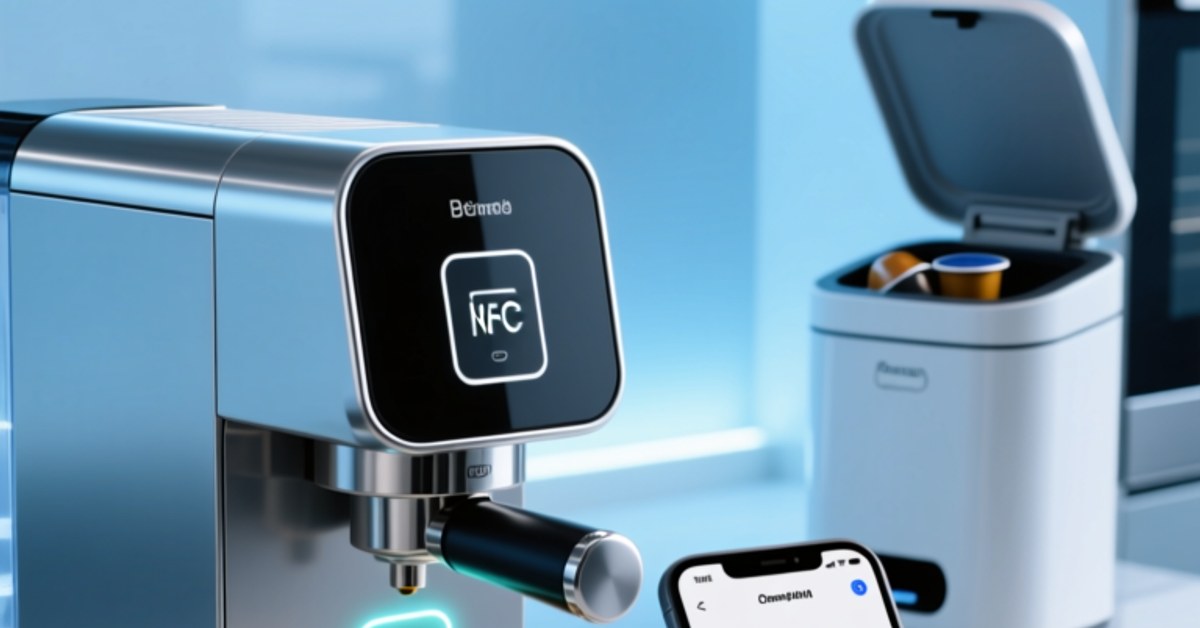
One of the most valuable applications of NFC is machine-capsule authentication pairing. The coffee machine includes an NFC reader module that verifies the authenticity of the capsule before brewing. If the tag is missing or invalid, the machine can refuse to operate or display a warning. This prevents counterfeit coffee pods from being used, protecting both the consumer and the machine. Counterfeit capsules often use inferior materials that can damage brewing mechanisms, leading to costly repairs and safety hazards. By requiring a genuine NFC tag, brands ensure that only authorized capsules are used, maintaining quality and reducing warranty claims.
The authentication process typically uses a challenge-response protocol. The machine sends a random challenge to the NFC tag, which computes a response using a secret key stored in a secure element. The machine verifies the response against the expected value. This cryptographic method makes it extremely difficult for counterfeiters to clone tags. Brands can also implement rolling codes or unique identifiers that are validated against a cloud database, adding another layer of security.
Enabling Seamless User Experience
Authentication pairing also enhances the user experience. When a genuine capsule is inserted, the machine can automatically adjust settings based on the capsule’s brew profile. This eliminates guesswork and ensures a perfect cup every time. For hospitality and office environments, this automation reduces training time and delivers consistent results across multiple locations. Users no longer need to remember which button to press for a specific blend; the machine knows exactly how to brew each capsule for optimal flavor.
Genuine Capsule Verification and Counterfeit Risks
Counterfeit coffee pods are a significant threat. They can contain substandard coffee, harmful contaminants, or materials that fail food-safety standards. Pour les marques, counterfeits erode trust and revenue. NFC-enabled genuine capsule verification allows consumers to confirm authenticity with a simple tap of their smartphone. The tag can link to a secure cloud database that validates the unique identifier. This is similar to the authentification des articles de luxe approche, where NFC provides tamper-proof verification. Brands can also use NFC to track capsules through the supply chain, identifying diversion or unauthorized production.
Counterfeit capsules can also damage the machine itself. Poorly manufactured pods may not puncture correctly, leading to leaks, clogs, or even electrical hazards. For hospitality buyers, using counterfeit capsules can void machine warranties and create liability issues. NFC verification provides a simple, reliable way to ensure that only genuine capsules are used, protecting both equipment and reputation. En plus, brands can use NFC to deliver targeted marketing messages or loyalty rewards to consumers who verify their capsules, turning authentication into an engagement opportunity.
Brew Profile and Origin Data
NFC tags can store rich data about each capsule. This includes the coffee’s origin, roast date, intensity, recommended brewing temperature, pression, et le volume. The machine reads this data and adjusts its parameters accordingly, delivering a personalized brew. Par exemple, a capsule intended for a ristretto might be brewed with less water, while a lungo capsule uses more. This level of customization is impossible with barcode or mechanical systems. The table below outlines typical data categories.
>
| Catégorie de données | Example Content | Avantage |
|---|---|---|
| Identity | Unique capsule ID, numéro de lot | Authentification, traçabilité |
| Brew Parameters | Water volume, température, pression | Consistent quality, optimized extraction |
| Origine & Roast | Country, ferme, roast date, intensity | Transparence, storytelling, freshness |
| Recyclage | Material type, take-back instructions | Circular economy, durabilité |
By leveraging NFC, brands can also update data dynamically. If a roast profile changes, the cloud record can be updated, and the machine will read the latest information when the capsule is used. This ensures that consumers always experience the coffee as intended, even as production evolves. Pour les consommateurs, a smartphone app can display the full story of the coffee—farm, farmer, processing method—creating a deeper connection to the brand.
Capsule Recycling and Take-Back Programs
Environmental responsibility is a growing concern for coffee consumers. NFC can power capsule recycling and take-back programs. Each capsule’s NFC tag can be scanned at a collection point or in a smart recycling bin. The system records the return and can reward the consumer with loyalty points or discounts. Pour les marques, this provides valuable data on recycling rates and helps meet sustainability goals. Le Passeport produit numérique concept is directly applicable here, as NFC tags can carry material composition and end-of-life instructions. Hospitality and office programs can integrate take-back into daily operations, simplifying waste sorting and encouraging participation.
Par exemple, a hotel could place a smart recycling bin in each floor’s pantry. When a guest or staff member deposits a used capsule, the bin’s NFC reader scans the tag and automatically logs the return. The hotel can then track recycling rates and report on sustainability metrics. In offices, a similar system can gamify recycling, with teams competing to achieve the highest return rate. Capsule makers can also use NFC to verify that returned capsules are genuine, preventing fraud in incentive programs.
Hospitality and Office Programs
Hotels, restaurants, and corporate offices are major consumers of coffee capsules. NFC technology streamlines their operations in several ways. D'abord, machine-capsule pairing ensures that only approved capsules are used, maintaining brand standards. Deuxième, inventory management improves: machines can report usage data in real time, triggering automatic reorders when supplies run low. Troisième, usage analytics help managers understand consumption patterns and optimize stock. For guests and employees, the experience is seamless—just insert a capsule and enjoy a perfect cup. RFIDHY offers NFC tags and readers that can be integrated into such systems.
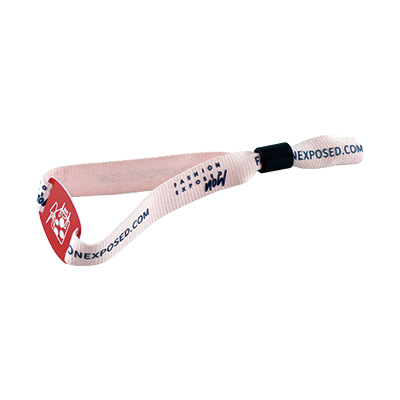
Consider a hotel chain that wants to offer a premium coffee experience in every room. With NFC-enabled machines and capsules, the hotel can ensure that only genuine capsules are used, protecting its investment in quality equipment. The machine can also track which blends are most popular, helping the hotel adjust its inventory. For corporate offices, NFC can simplify reordering and reduce administrative overhead. Office managers can receive alerts when supplies are low, and employees can enjoy a consistent coffee experience without training. En plus, NFC can support personalized preferences: employees could save their favorite brew settings to an Carte NFC ou bracelet, which the machine reads to customize the cup.
Implementing NFC in Your Capsule Ecosystem
To implement NFC in a coffee capsule ecosystem, consider the following steps:
- Select the right NFC tags: Choisir Autocollants NFC, Incrustations NFC, or custom NFC tags that are food-safe and durable. Technologie NFCWORK provides a variety of options.
- Integrate NFC readers: Coffee machines need an NFC reader module. RFIDHY offers NFC modules and readers suitable for OEM integration.
- Design the data schema: Define what data will be stored on the tag and in the cloud.
- Ensure security: Use cryptographic authentication to prevent cloning.
- Develop user interfaces: Smartphone apps or machine displays that guide users.
- Test extensively: Validate read range, vitesse, and reliability in real-world conditions.
Partnering with an experienced Solution NFC provider can accelerate development and ensure compliance with industry standards. It is also important to consider the lifecycle of the NFC tag—from production to recycling—and to choose materials that align with sustainability goals. For capsule makers, the cost of adding an NFC tag is minimal compared to the benefits of authentication, engagement des consommateurs, and operational efficiency. Data privacy is another consideration. Brands should be transparent about what data is collected and how it is used. NFC tags can be designed to store only non-personal data, with any personal preferences stored on the consumer’s device or in a secure cloud account. This builds trust and complies with regulations such as GDPR.
Conclusion: Brewing a Smarter Future
NFC technology is transforming the coffee capsule ecosystem by enabling secure machine-capsule authentication pairing, genuine capsule verification, personalized brew profiles, and effective recycling programs. For coffee brands, capsule makers, machine manufacturers, and hospitality buyers, NFC offers a path to higher quality, stronger brand protection, and greater sustainability. As the market evolves, early adopters will gain a competitive edge. Contacter la technologie NFCWORK to explore how NFC can enhance your coffee capsule ecosystem.
FAQ
What is NFC in a coffee capsule?
NFC (Communication en champ proche) in a coffee capsule refers to an embedded NFC tag that can be read by a coffee machine or smartphone. The tag stores data such as authentication codes, brewing parameters, and origin information, enabling secure interactions.
How does machine-capsule authentication pairing work?
The coffee machine includes an NFC reader that verifies the capsule’s NFC tag before brewing. If the tag is missing or invalid, the machine refuses to operate. This prevents counterfeit pods from being used and protects the machine from damage.
Can NFC prevent counterfeit coffee pods?
Oui. NFC tags with cryptographic authentication make it extremely difficult to clone. Each capsule can have a unique identifier that is validated against a secure database, ensuring only genuine capsules are used.
What data can be stored on an NFC coffee capsule tag?
Typical data includes unique capsule ID, numéro de lot, brew parameters (water volume, température, pression), origin and roast details, et instructions de recyclage. This data enables personalized brewing and transparency.
How does NFC support capsule recycling?
NFC tags can be scanned at collection points or smart bins. The system records the return and can reward consumers. Brands gain data on recycling rates and can verify that returned capsules are genuine.
Are NFC tags safe for food contact?
Oui, NFC tags can be encapsulated in food-grade materials and embedded in the capsule rim or body, ensuring they do not come into direct contact with coffee grounds. Compliance with food safety regulations is essential.
What are the benefits for hospitality and office programs?
NFC enables consistent quality, automatic reordering, analyse d'utilisation, and seamless guest or employee experiences. It also ensures only approved capsules are used, protecting equipment and brand standards.
How can brands implement NFC in their capsule ecosystem?
Les marques peuvent s'associer avec Solution NFC providers like NFCWORK Technology to select appropriate NFC tags, integrate readers into machines, design data schemas, and implement security measures. Testing and compliance are key steps.
Ready to Enhance Your Coffee Capsule Ecosystem with NFC?
NFCWORK Technology provides a comprehensive range of NFC tags, Étiquettes NFC, Incrustations NFC, and NFC reader modules for coffee capsule authentication, machine pairing, and recycling programs. Our solutions are designed for seamless integration and scalability.
Contactez-nous aujourd'hui pour discuter de votre projet, ou explorez notre Produits NFC et solutions pour en savoir plus.