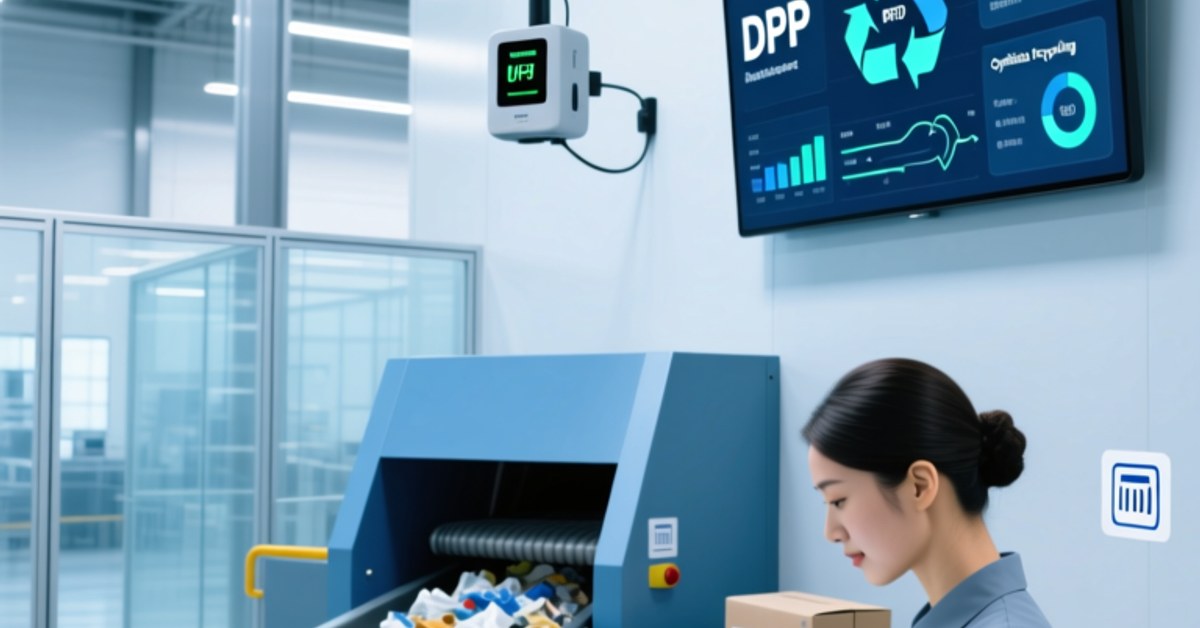
Η Επιταγή της Κυκλικής Οικονομίας: Γιατί τα δεδομένα έχουν σημασία
Η μετάβαση από ένα γραμμικό μοντέλο "take-make-dispose" σε μια κυκλική οικονομία δεν είναι πλέον φιλόδοξη - είναι μια κανονιστική και αναγκαιότητα της αγοράς. Στην καρδιά του, Η κυκλικότητα εξαρτάται από τη διατήρηση των προϊόντων και των υλικών σε χρήση για μεγαλύτερο χρονικό διάστημα μέσω της επαναχρησιμοποίησης, επισκευή, ανακατασκευή, και υψηλής ποιότητας ανακύκλωση. Για να επιτευχθεί αυτό, οι ενδιαφερόμενοι χρειάζονται ακριβή, προσιτός, και επίμονες πληροφορίες προϊόντος: σύνθεση υλικού, οδηγίες επισκευής, ιστορικό ιδιοκτησίας, και καθοδήγηση στο τέλος του κύκλου ζωής.
Τα ρυθμιστικά πλαίσια επιταχύνουν αυτή τη ζήτηση. Οι εντολές ESPR της ΕΕ DPP για πολλές κατηγορίες προϊόντων, απαιτώντας από τους κατασκευαστές να παρέχουν μια ψηφιακή ταυτότητα που ακολουθεί ένα προϊόν σε όλη τη διάρκεια του κύκλου ζωής του. Η τεχνολογία NFC αναδύεται ως ο ιδανικός φορέας για αυτήν την ψηφιακή ταυτότητα — γεφυρώνοντας το φυσικό προϊόν με ένα αποκεντρωμένο, εγγραφή δεδομένων με δυνατότητα ενημέρωσης.
Κατανόηση του DPP και του NFC
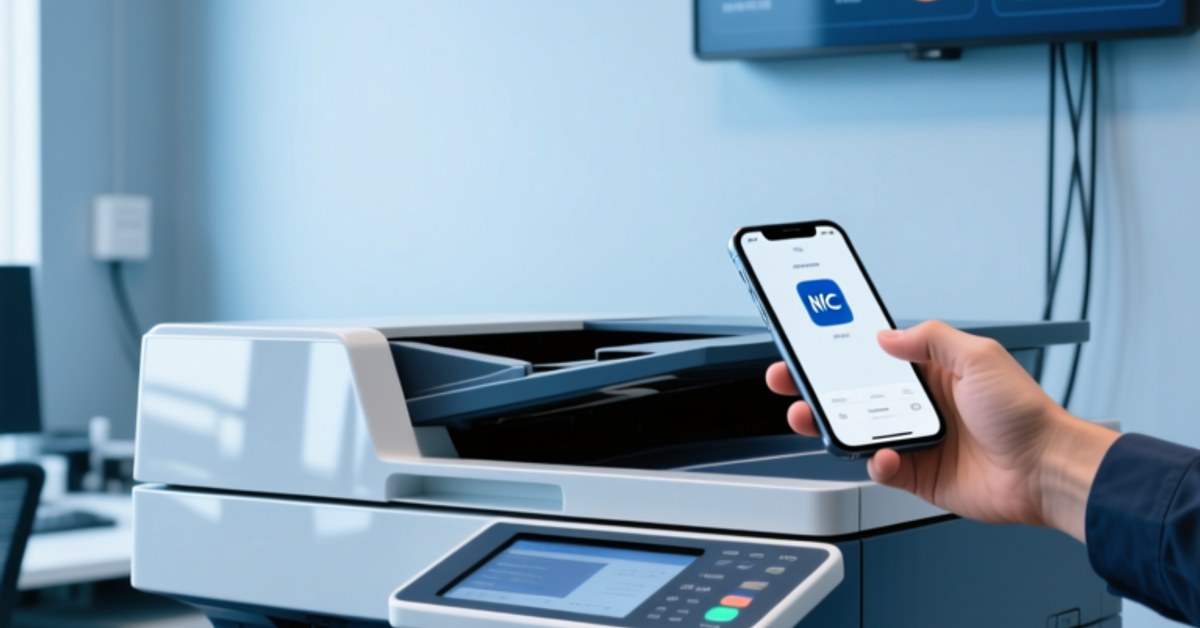
ΕΝΑ Ψηφιακό Διαβατήριο Προϊόντος είναι μια δομημένη συλλογή δεδομένων προέλευσης που σχετίζονται με το προϊόν, υλικά, αποτύπωμα άνθρακα, επισκευασσιμότητα, και οδηγίες ανακύκλωσης—που είναι προσβάσιμες μέσω ενός φορέα δεδομένων που είναι συνδεδεμένος στο αντικείμενο. Ετικέτες NFC και τα ένθετα παρέχουν μια προφανή παραβίαση, σύνδεσμος σε επίπεδο στοιχείου σε αυτό το διαβατήριο. Ένα απλό πάτημα με οποιοδήποτε smartphone με δυνατότητα NFC ανακτά τα πιο πρόσφατα δεδομένα προϊόντος χωρίς να χρειάζεται ειδική εφαρμογή ή σαρωτή.
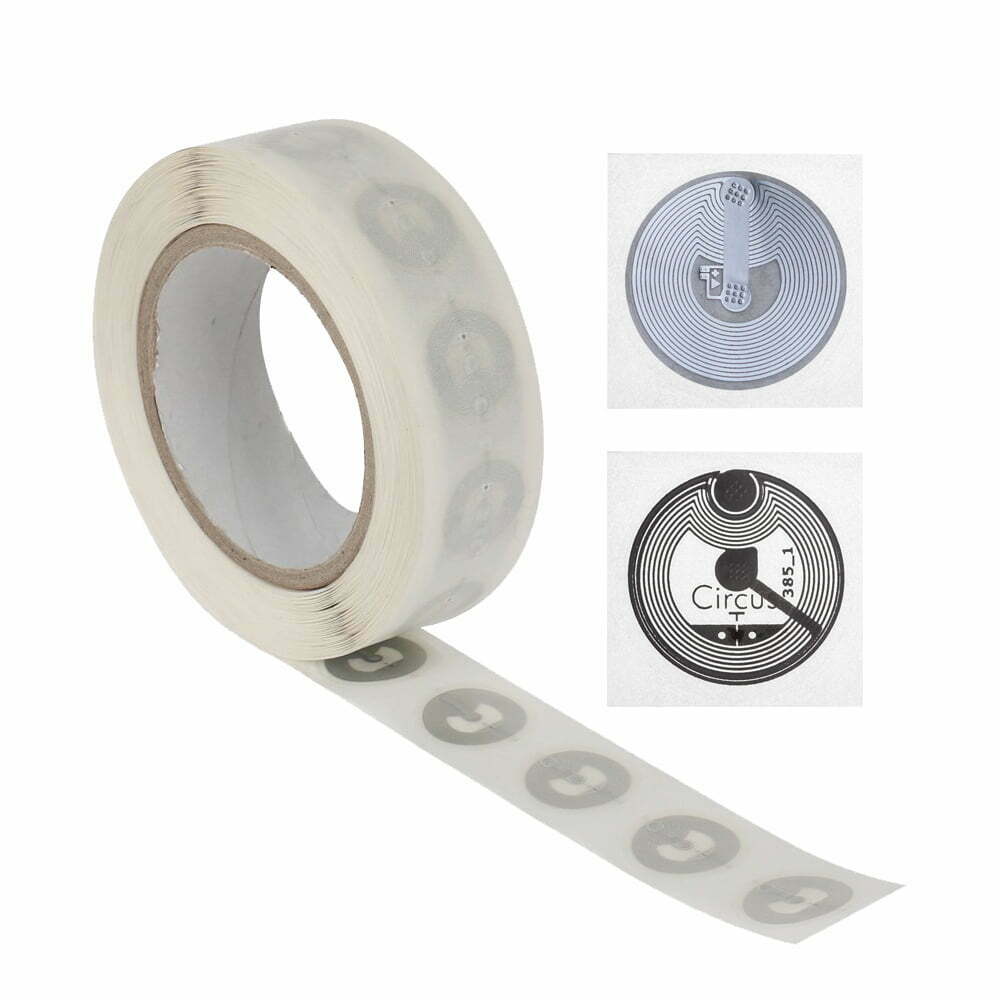
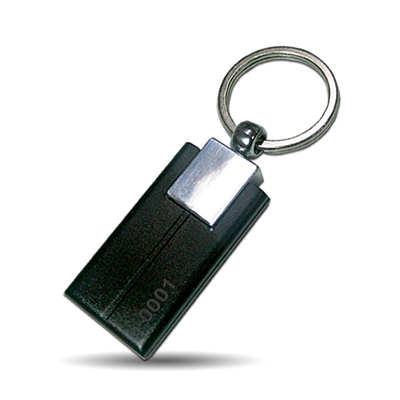
Ετικέτες NFC χρησιμοποιούνται ήδη ευρέως για την προστασία της επωνυμίας και τη δέσμευση των καταναλωτών. Όταν εφαρμόζεται σε περιπτώσεις χρήσης κυκλικής οικονομίας, γίνονται το κλειδί για δεδομένα κύκλου ζωής προϊόντος. Σε αντίθεση με έναν τυπωμένο κωδικό QR, Οι ετικέτες NFC μπορούν να ενσωματωθούν μέσα στα προϊόντα, παραμένουν ευανάγνωστα ακόμα και όταν είναι καλυμμένα ή φορεμένα, και υποστηρίζει προηγμένες λειτουργίες όπως η επαλήθευση πρωτοτυπίας, δυναμικές ενημερώσεις δεδομένων, και έλεγχος πρόσβασης. Στο RFIDHY, η γκάμα μας Ετικέτες NFC, Αυτοκόλλητα NFC, και ένθετα NFC έχουν σχεδιαστεί για ανθεκτική προσάρτηση σε υφάσματα, ηλεκτρονική, συσκευασία, και βιομηχανικά αγαθά.
Ενεργοποίηση επαναχρησιμοποίησης και επισκευής με προσβάσιμα δεδομένα προϊόντος
Ένα από τα μεγαλύτερα εμπόδια στην επισκευή και την επαναχρησιμοποίηση είναι η έλλειψη αξιόπιστων, ενημερωμένες πληροφορίες. Με ένα πάτημα NFC, τεχνικοί επισκευής, ανακαινιστές, και ακόμη και οι καταναλωτές μπορούν να έχουν άμεση πρόσβαση:
- Βήμα προς βήμα εγχειρίδια επισκευής και διαγράμματα αναλυτικής προβολής
- Προσδιορισμός των ακριβών ανταλλακτικών που χρειάζονται, συμπεριλαμβανομένων των αριθμών ανταλλακτικών OEM
- Κατάσταση εγγύησης και ιστορικό σέρβις
- Ενημερώσεις λογισμικού και ανακλήσεις ασφαλείας
Αυτή η διαφάνεια παρατείνει τη διάρκεια ζωής του προϊόντος και υποστηρίζει μια ακμάζουσα οικονομία επισκευής. Για κρίσιμα βιομηχανικά περιουσιακά στοιχεία, όπως εξοπλισμός κατασκευής, ενσωματωμένο Ετικέτες UHF RFID—σαν το αντιμέταλ μας Ετικέτες RFID— ενεργοποιήστε την αναγνώριση χωρίς επαφή ακόμη και σε σκληρά περιβάλλοντα, συνδέοντας άμεσα με DPPαρχεία καταγραφής συντήρησης.
Διευκόλυνση των αγορών μεταπώλησης και δεύτερης ζωής
Για καταναλωτικά αγαθά και περιουσιακά στοιχεία υψηλής αξίας, η εμπιστοσύνη είναι το νόμισμα των δευτερογενών αγορών. Τα DPP που λειτουργούν με NFC επικυρώνουν την αυθεντικότητα και τεκμηριώνουν το ιστορικό του προϊόντος, ενισχύοντας την εμπιστοσύνη των αγοραστών και επιτρέποντας premium αξία μεταπώλησης. Οι μάρκες πολυτελείας χρησιμοποιούν ήδη NFC για να πιστοποιήσουν την προέλευση; Αυτός ο ίδιος μηχανισμός μπορεί πλέον να φέρει αρχεία επισκευής, μεταβιβάσεις ιδιοκτησίας, και πιστοποίηση για χρήση δεύτερης ζωής — για παράδειγμα, ένα ανακαινισμένο smartphone ή μια αναβαθμισμένη επώνυμη τσάντα.
Σε επίπεδο επιχείρησης, Οι εταιρείες διάθεσης περιουσιακών στοιχείων πληροφορικής μπορούν να σαρώσουν ολόκληρες παλέτες αποσυρθέντος εξοπλισμού Αναγνώστες UHF RFID για άμεση ανάκτηση δεδομένων DPP, εξορθολογισμός της βαθμολόγησης, και δρομολογήστε τα εμπορεύματα στην κατάλληλη μεταπώληση, δωρεά, ή ροές ανακύκλωσης.
Βελτιστοποίηση της ανακύκλωσης και της ανάκτησης υλικών
Οι τρέχουσες διεργασίες ανακύκλωσης συχνά στερούνται ακριβών δεδομένων σύνθεσης υλικού, που οδηγεί σε υποκύκλωση ή απόρριψη χωματερών. Ενσωμάτωση ετικετών NFC ή UHF RFID σε προϊόντα και βιώσιμη συσκευασία NFC Οι ετικέτες αντιμετωπίζουν άμεσα αυτό το κενό. Όταν τα αντικείμενα φτάνουν σε μια εγκατάσταση ανάκτησης υλικών (MRF), αυτοματοποιημένες γραμμές ταξινόμησης εξοπλισμένες με σταθερούς αναγνώστες RFID μπορούν:
>
| Τεχνολογία | Κατάλληλο για | Παράδειγμα Κατηγορίας Προϊόντος |
|---|---|---|
| Ετικέτες NFC | Είδη υψηλής αξίας, ηλεκτρονική, επαναχρησιμοποιήσιμη συσκευασία | Αυτοκόλλητα NFC, Ένθετα NFC |
| Ετικέτες UHF RFID | Μαζική αναγνώριση, διαλογή μεγάλης εμβέλειας | Ετικέτες UHF RFID, αντιμεταλλικές ετικέτες RFID |
| Αναγνώστες RFID | Αυτοματοποιημένοι σταθμοί διαλογής, μεταφορείς | Σταθερός Αναγνώστης RFID, Χειροκίνητο Αναγνώστης RFID |
Με το διάβασμα στοιχεία σύνθεσης υλικού από το ψηφιακό διαβατήριο, Ο εξοπλισμός διαλογής μπορεί να διαχωρίσει τα πλαστικά ανά τύπο πολυμερούς, εξάγει κρίσιμες πρώτες ύλες από τα ηλεκτρονικά, και βεβαιωθείτε ότι ο χειρισμός των επικίνδυνων ουσιών γίνεται σωστά. Αυτό όχι μόνο αυξάνει τις αποδόσεις ανακύκλωσης αλλά υποστηρίζει επίσης τη συμμόρφωση με την εκτεταμένη ευθύνη του παραγωγού (EPR) συστήματα.
Βιώσιμη Συσκευασία και Κυκλική Εφοδιαστική Αλυσίδα
Η συσκευασία είναι πρωταρχικός στόχος για την κυκλική καινοτομία. Η βιώσιμη συσκευασία με δυνατότητα NFC επιτρέπει στις επωνυμίες να επικοινωνούν οδηγίες επιστροφής, κίνητρα για επαναχρησιμοποιήσιμες συσκευασίες, και καθοδήγηση ανακύκλωσης στο σημείο αλληλεπίδρασης. Για παράδειγμα, μια επαναχρησιμοποιήσιμη τσάντα αποστολής εξοπλισμένη με ετικέτα NFC μπορεί να καταγράψει τον αριθμό ταξιδιών της, ανάγκες συντήρησης, και κατάσταση κατάθεσης, μετατροπή της συσκευασίας από κόστος σε παρακολουθούμενο περιουσιακό στοιχείο.
Σε όλη την ευρύτερη κυκλική εφοδιαστική αλυσίδα, Ισχύς τεχνολογιών RFID αντίστροφη εφοδιαστική. Μας Ετικέτες και αναγνώστες UHF RFID ενεργοποιήστε τη γρήγορη σάρωση πύλης εισόδου/εξόδου για επιστρεφόμενα αγαθά και επαναχρησιμοποιήσιμα δοχεία. Σε συνδυασμό με τη διαχείριση αποθεμάτων που βασίζεται σε RFID, οι εταιρείες αποκτούν προβολή σε πραγματικό χρόνο στις ροές προϊόντων, μείωση της διαρροής και βελτιστοποίηση της χρήσης περιουσιακών στοιχείων—βασικοί δείκτες απόδοσης για οποιοδήποτε πρόγραμμα βιωσιμότητας.
Ενεργοποιητές τεχνολογίας της RFIDHY για την κυκλική οικονομία
Η ανάπτυξη ενός μοντέλου κυκλικής οικονομίας απαιτεί ένα πλήρες οικοσύστημα λύσεων ανάγνωσης και επισήμανσης. Στην NFCWORK Technology και RFIDHY, παρέχουμε τα δομικά στοιχεία:
- Έλεγχος ταυτότητας προϊόντος NFC και ετικέτες DPP: Ετικέτες NFC, Ένθετα NFC, Αυτοκόλλητα NFC που μπορεί να εξατομικευτεί εργοστασιακά με μοναδικά αναγνωριστικά και κρυπτογραφημένα κλειδιά.
- Ανθεκτικές ετικέτες περιουσιακών στοιχείων RFID: Αντιμεταλλικές ετικέτες RFID, Ετικέτες πλυντηρίου ρούχων RFID, και ξηρά ένθετα RFID για απαιτητικά περιβάλλοντα όπου οι τυπικές ετικέτες αποτυγχάνουν.
- Υποδομή ανάγνωσης: Φορητοί και σταθεροί αναγνώστες UHF RFID, επιτραπέζιοι αναγνώστες RFID, και μονάδες RFID για ενσωμάτωση σε μηχανήματα διαλογής.
- Λύσεις RFID: Παρακολούθηση περιουσιακών στοιχείων RFID, διαχείριση αποθεμάτων, και συστήματα διαχείρισης αποθήκης που τροφοδοτούν δεδομένα κύκλου ζωής στο DPP.
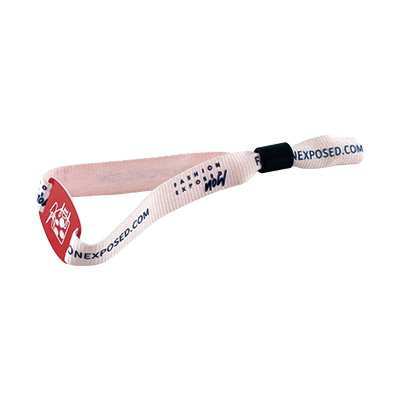
- Wearables για προγράμματα επαναχρησιμοποίησης: Βραχιόλια σιλικόνης NFC και Βραχιόλια RFID για προγράμματα ανακύκλωσης εκδηλώσεων ή προγράμματα επιστροφής καταθέσεων.
Όλα αυτά τα προϊόντα είναι διαθέσιμα σε ομάδες βιωσιμότητας και μηχανικής που επιδιώκουν να ενσωματώσουν την κυκλικότητα στις διαδικασίες παραγωγής τους χωρίς να ξεκινήσουν από το μηδέν.
Σύναψη: Κλείσιμο του βρόχου με συνδεδεμένα προϊόντα
Η κυκλική οικονομία χρειάζεται δεδομένα, και τα δεδομένα χρειάζονται έναν φορέα που παραμένει με το προϊόν από την πρώτη πώληση έως την τελική αποσυναρμολόγηση. Οι τεχνολογίες NFC και RFID κάνουν απτό το Digital Product Passport, παρέχοντας τον κρίκο που λείπει μεταξύ των φυσικών στοιχείων και των στρατηγικών ψηφιακής κυκλικότητας. Είτε σχεδιάζετε για επισκευή, κλιμάκωση ενός συστήματος ανάκτησης, ή τη βελτιστοποίηση μιας εγκατάστασης ανακύκλωσης, ο συνδυασμός ετικετών σε επίπεδο στοιχείου και διαβατηρίων που βασίζονται σε σύννεφο δημιουργεί ένα ανθεκτικό, διαφανής, και κερδοφόρο σύστημα κλειστού βρόχου.
Τι είναι το DPP και πώς το υποστηρίζει το NFC?
Το DPP είναι μια ψηφιακή εγγραφή που περιέχει δεδομένα κύκλου ζωής προϊόντος—σύνθεση υλικού, επισκευασσιμότητα, οδηγίες ανακύκλωσης, και τα λοιπά. Οι ετικέτες NFC που είναι προσαρτημένες στο προϊόν χρησιμεύουν ως φυσική γέφυρα; ένα απλό πάτημα με ένα smartphone ανακτά το διαβατήριο από το cloud, παρέχοντας άμεση πρόσβαση στα πιο πρόσφατα δεδομένα.
Πώς το NFC βελτιώνει την ανακύκλωση σε σύγκριση με τις συμβατικές μεθόδους?
Η συμβατική ανακύκλωση βασίζεται σε χειροκίνητη ή οπτική ταξινόμηση με περιορισμένη ακρίβεια. Οι ετικέτες RFID NFC και UHF μπορούν να αποθηκεύσουν ή να αναφέρουν δεδομένα σύνθεσης κοκκώδους υλικού, επιτρέποντας στις αυτοματοποιημένες γραμμές ταξινόμησης να προσδιορίζουν συγκεκριμένες ποιότητες πλαστικού, εξάγετε επικίνδυνα συστατικά, και διατήρηση της υλικής αξίας, που οδηγεί σε ανακυκλώσεις υψηλότερης ποιότητας.
Μπορούν οι ετικέτες NFC να επιβιώσουν σε σκληρά περιβάλλοντα ανακύκλωσης?
Οι τυπικές ετικέτες NFC έχουν σχεδιαστεί για αλληλεπιδράσεις φιλικές προς τους καταναλωτές, αλλά για βιομηχανική ανακύκλωση, Οι αντιμεταλλικές ετικέτες RFID και οι ανθεκτικές ετικέτες UHF RFID είναι κατασκευασμένες για να αντέχουν την υγρασία, θερμότητα, και σωματικό στρες. Η επιλογή της ετικέτας εξαρτάται από την εφαρμογή και το εύρος ανάγνωσης που απαιτείται.
Είναι η τεχνολογία NFC συμβατή με τους κανονισμούς βιωσιμότητας της ΕΕ?
Απολύτως. Το πλαίσιο ESPR της ΕΕ προβλέπει ρητά τη χρήση φορέων δεδομένων όπως NFC και RFID για την εφαρμογή DPP. Οι λύσεις μας ευθυγραμμίζονται με τη διαχείριση δεδομένων που είναι συμβατή με το GDPR και υποστηρίζουν τα παγκόσμια πρότυπα GS1/EPC που απαιτούνται συνήθως για τη διαφάνεια της αλυσίδας εφοδιασμού.