Imperativ for cirkulær økonomi: Hvorfor data er vigtige
Skiftet fra en lineær "take-make-dispose"-model til en cirkulær økonomi er ikke længere en ambition – det er en regulatorisk og markedsmæssig nødvendighed. I dens hjerte, cirkularitet afhænger af at holde produkter og materialer i brug længere gennem genbrug, reparation, genfremstilling, og genbrug af høj kvalitet. For at opnå dette, interessenter har brug for præcise, tilgængelig, og vedvarende produktinformation: materialesammensætning, reparationsvejledning, ejerskabshistorie, og vejledning ved afslutning af livet.
Lovgivningsmæssige rammer accelererer denne efterspørgsel. EU’s ESPR-mandater DPP for flere produktkategorier, kræver, at producenterne leverer en digital identitet, der følger et produkt gennem hele dets livscyklus. NFC-teknologi er ved at dukke op som den ideelle bærer for denne digitale identitet – der bygger bro mellem det fysiske produkt med en decentraliseret, opdaterbar datoregistrering.
Forståelse af DPP og NFC
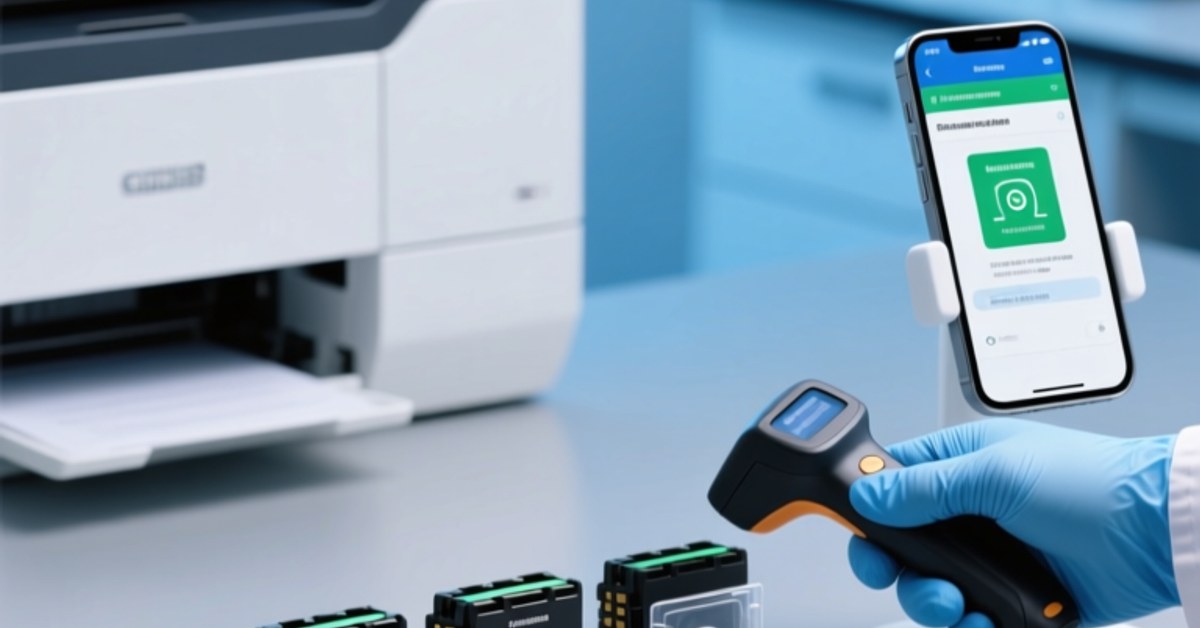
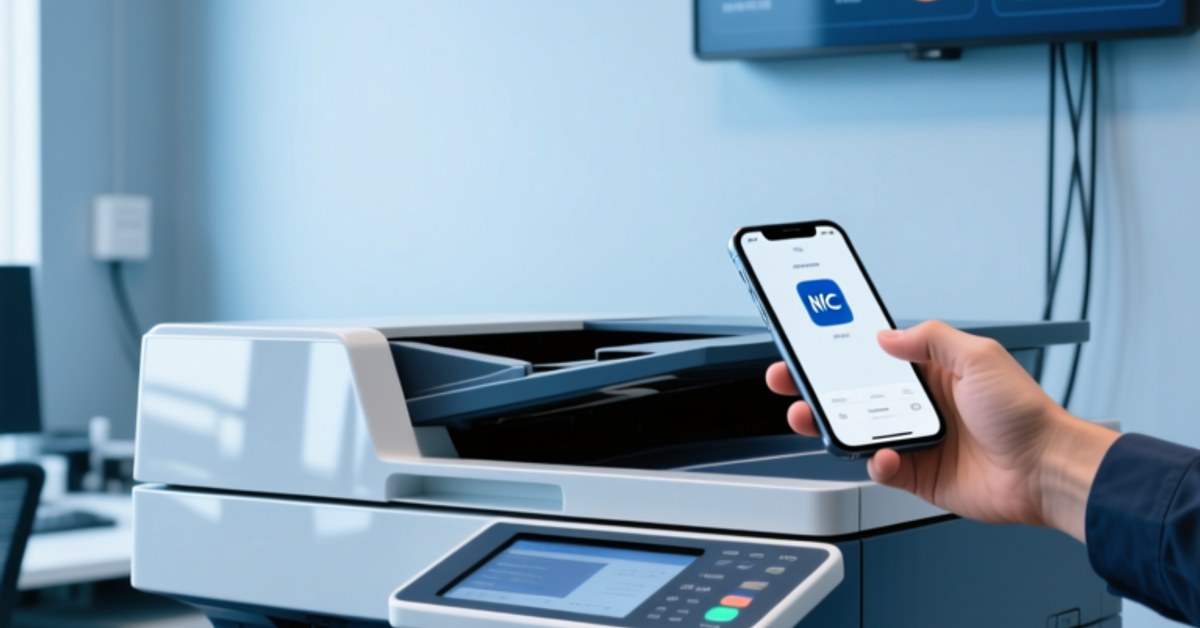
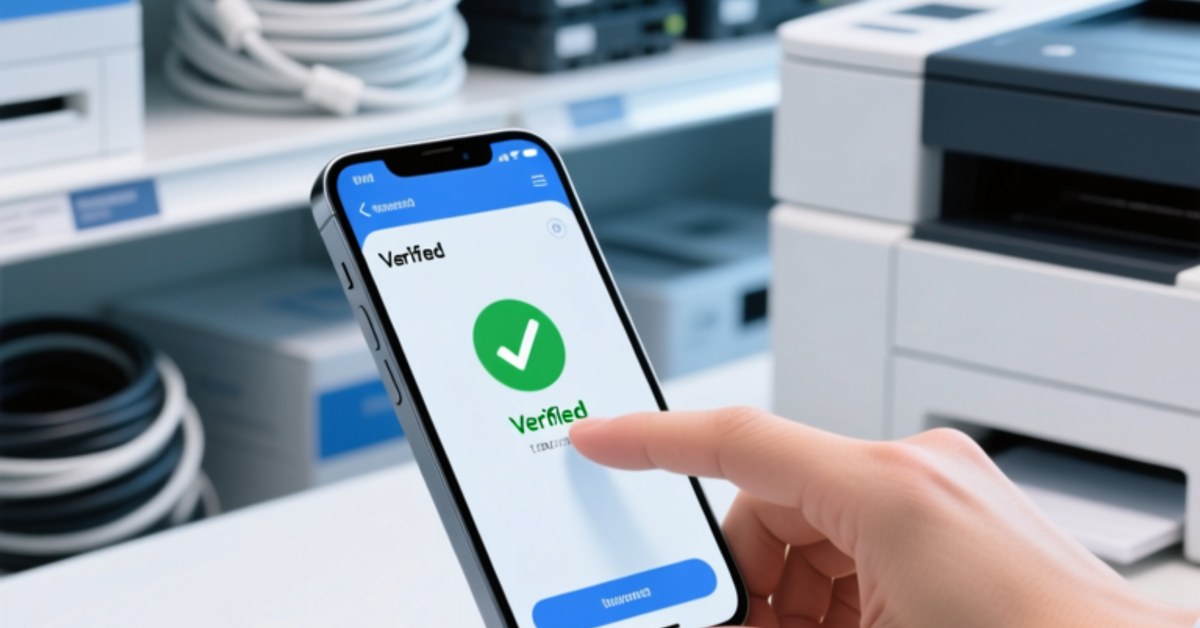
EN Digitalt produktpas er en struktureret samling af produktrelaterede data – oprindelse, materialer, CO2-fodaftryk, reparationsevne, og genbrugsinstruktioner - som kan tilgås via en databærer knyttet til varen. NFC -tags og indlæg giver en manipulationssikker, link på vareniveau til dette pas. Et enkelt tryk med enhver NFC-aktiveret smartphone henter de seneste produktdata uden at skulle bruge en dedikeret app eller scanner.
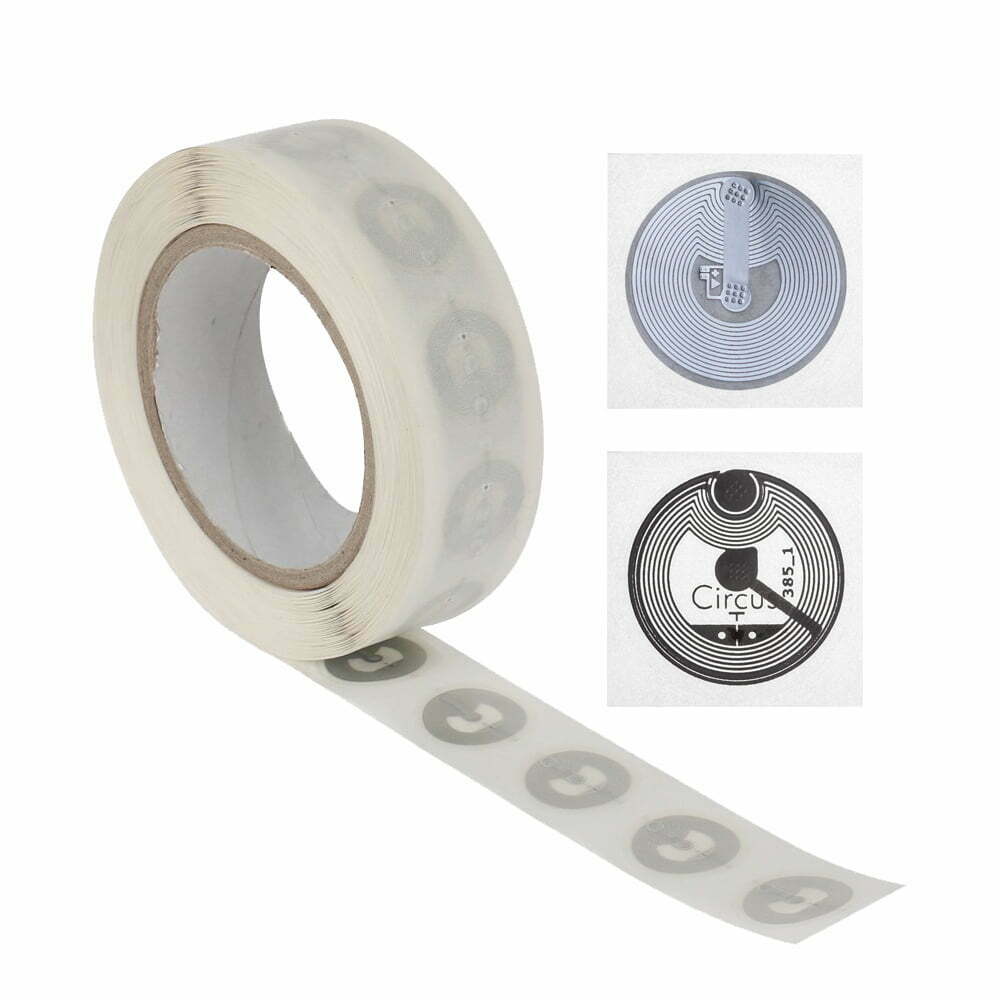
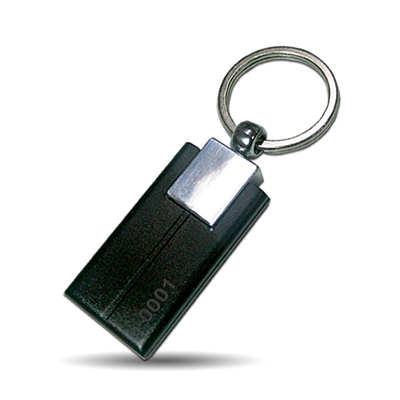
NFC -tags er allerede meget brugt til brandbeskyttelse og forbrugerengagement. Når det anvendes på cirkulær økonomi use cases, de bliver nøglen til produktlivscyklusdata. I modsætning til en udskrevet QR-kode, NFC-tags kan indlejres i produkter, forblive læsbar, selv når den er dækket eller slidt, og understøtter avancerede funktioner såsom originalitetsbekræftelse, dynamiske dataopdateringer, og adgangskontrol. På RFIDHY, vores udvalg af NFC -tags, NFC -klistermærker, og NFC-indlæg er designet til holdbar vedhæftning til tekstiler, Elektronik, emballage, og industrivarer.
Aktivering af genbrug og reparation med tilgængelige produktdata
En af de største barrierer for reparation og genbrug er manglen på troværdighed, ajourførte oplysninger. Med en NFC-hane, reparationsteknikere, renovatører, og selv forbrugere kan få adgang med det samme:
- Trin-for-trin reparationsmanualer og eksploderede diagrammer
- Identifikation af de nøjagtige nødvendige reservedele, inklusive OEM varenumre
- Garantistatus og servicehistorik
- Softwareopdateringer og sikkerhedstilbagekaldelser
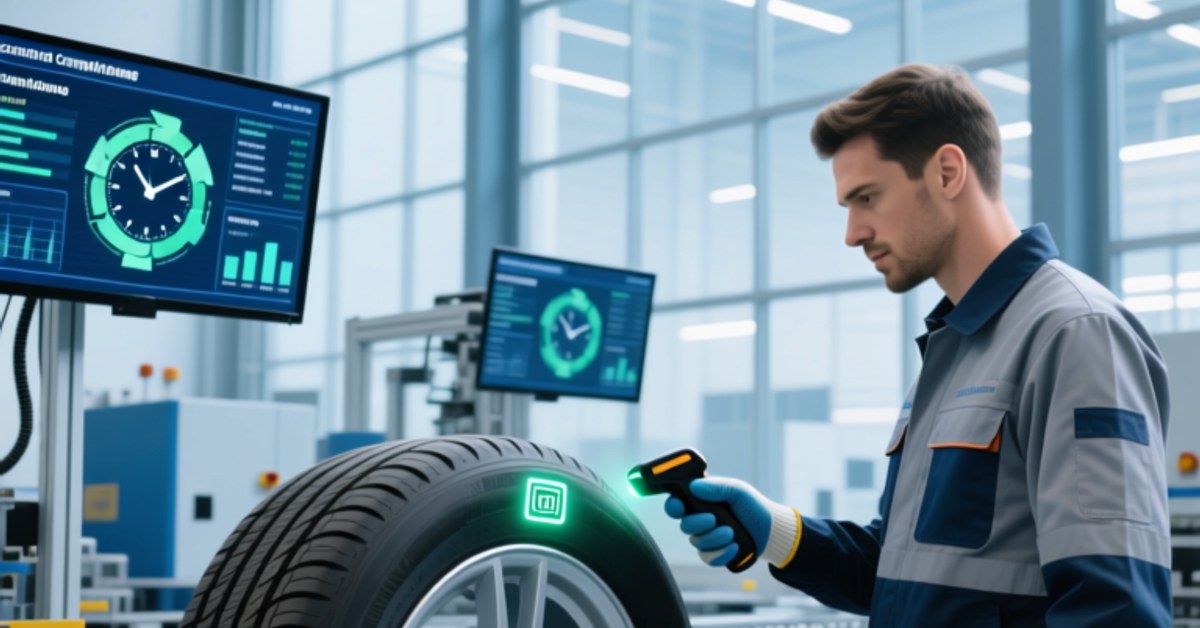
Denne gennemsigtighed forlænger produktets levetid og understøtter en blomstrende reparationsøkonomi. Til kritiske industrielle aktiver, såsom produktionsudstyr, indlejret UHF RFID tags- som vores anti-metal RFID -tags— muliggør berøringsfri identifikation selv i barske miljøer, linker med det samme DPP-baserede vedligeholdelseslogfiler.
Facilitering af videresalg og second-life-markeder
Til forbrugsvarer og værdifulde aktiver, tillid er valutaen på sekundære markeder. NFC-drevne DPP'er validerer ægtheden og dokumenterer produktets historie, øger købers tillid og muliggør premium gensalgsværdi. Luksusmærker bruger allerede NFC til at certificere herkomst; den samme mekanisme kan nu bære reparationsjournaler, ejerskabsoverdragelser, og certificering til andet liv - f.eks, en renoveret smartphone eller en upcycled designertaske.
På virksomhedsniveau, IT-aktiver disposition firmaer kan scanne hele paller af pensioneret udstyr med UHF RFID læsere for øjeblikkeligt at hente DPP-data, strømline karaktergivningen, og dirigere varer til passende videresalg, donation, eller genbrugsstrømme.
Optimering af genbrug og materialegenvinding
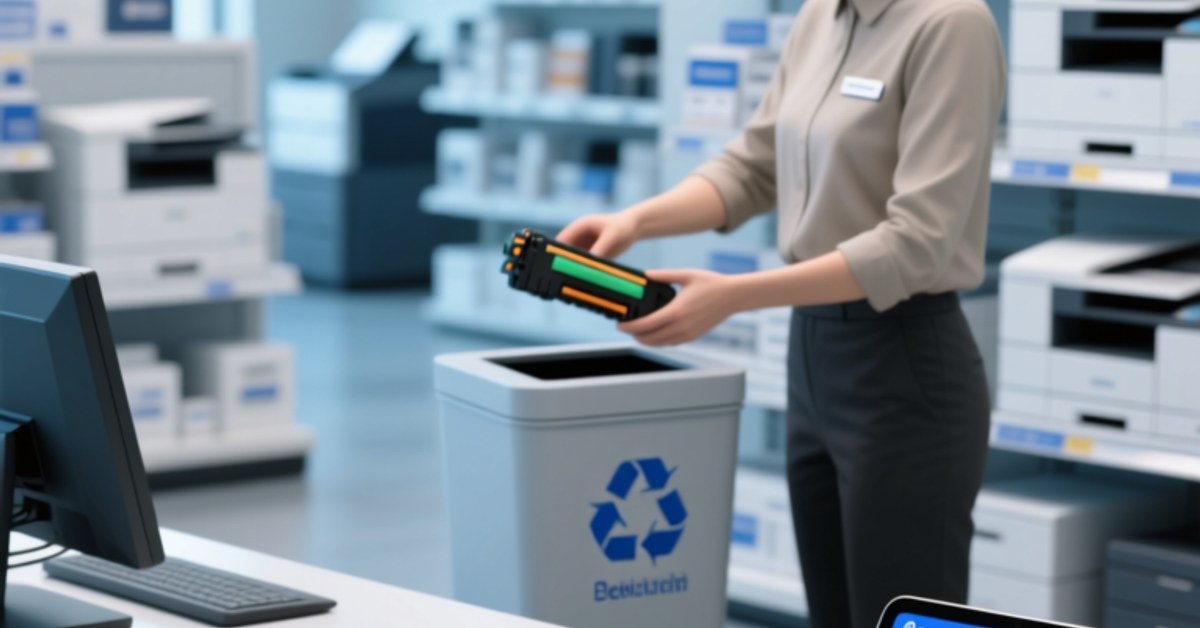
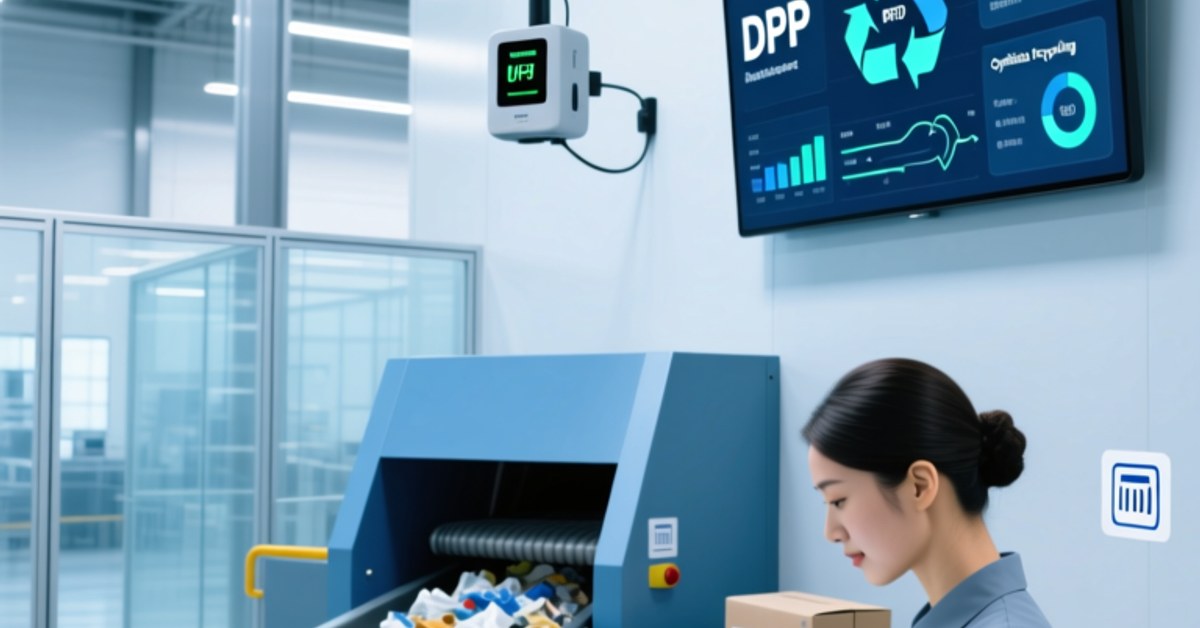
Nuværende genbrugsprocesser mangler ofte nøjagtige materialesammensætningsdata, fører til downcycling eller deponering. Indlejring af NFC eller UHF RFID tags i produkter og bæredygtig emballage NFC etiketter løser direkte dette hul. Når genstande ankommer til et materialegenvindingsanlæg (MRF), automatiserede sorteringslinjer udstyret med faste RFID-læsere kan:
>
| Teknologi | Velegnet til | Eksempel på produktkategori |
|---|---|---|
| NFC -tags | Varer af høj værdi, Elektronik, genanvendelig emballage | NFC -klistermærker, NFC indlæg |
| UHF RFID tags | Bulk identifikation, langtrækkende sortering | UHF RFID-mærker, anti-metal RFID-tags |
| RFID læsere | Automatiserede sorteringsstationer, transportører | Fast RFID-læser, Håndholdt RFID-læser |
Ved at læse materialesammensætningsdata fra det digitale pas, sorteringsudstyr kan adskille plast efter polymertype, udvinde kritiske råstoffer fra elektronik, og sikre, at farlige stoffer håndteres korrekt. Dette øger ikke kun genbrugsudbyttet, men understøtter også overholdelse af udvidet producentansvar (EPJ) ordninger.
Bæredygtig emballage og den cirkulære forsyningskæde
Emballage er et primært mål for cirkulær innovation. NFC-aktiveret bæredygtig emballage giver mærker mulighed for at kommunikere returinstruktioner, incitamenter til genbrugelig emballage, og genbrugsvejledning på tidspunktet for interaktion. For eksempel, en genanvendelig forsendelsestaske udstyret med et NFC-mærke kan logge dets turtæller, vedligeholdelsesbehov, og indbetalingsstatus, transformere emballage fra en omkostning til et sporet aktiv.
På tværs af det bredere cirkulær forsyningskæde, RFID teknologier magt omvendt logistik. Vores UHF RFID tags og læsere muliggør hurtig gate-in/gate-out-scanning for returnerede varer og genanvendelige containere. Kombineret med RFID-baseret lagerstyring, virksomheder får real-time synlighed i produktflows, reduktion af lækage og optimering af aktivudnyttelse – nøglepræstationsindikatorer for ethvert bæredygtighedsprogram.
RFIDHY's teknologienablere for den cirkulære økonomi
Implementering af en cirkulær økonomimodel kræver et komplet økosystem af læse- og taggingløsninger. Hos NFCWORK Technology og RFIDHY, vi leverer byggestenene:
- NFC-produktgodkendelse og DPP-tags: NFC -tags, NFC indlæg, NFC -klistermærker der kan tilpasses fra fabrikken med unikke id'er og krypterede nøgler.
- Holdbare RFID-aktivmærker: Anti-metal RFID-tags, RFID vaskemærker, og RFID-tørre indlæg til krævende miljøer, hvor typiske etiketter fejler.
- Læseinfrastruktur: Håndholdte og faste UHF RFID læsere, desktop RFID-læsere, og RFID-moduler til integration i sorteringsmaskineri.
- RFID løsninger: RFID-aktivsporing, Inventory Management, og lagerstyringssystemer der fører livscyklusdata ind i DPP'en.
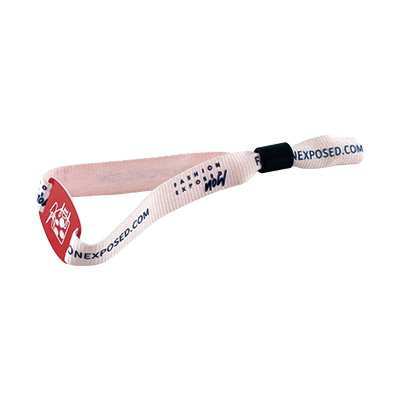
- Wearables til genbrugsprogrammer: NFC silikone armbånd og RFID armbånd til genbrugsordninger for begivenheder eller programmer for retur af depositum.
Alle disse produkter er tilgængelige for bæredygtigheds- og ingeniørteams, der søger at integrere cirkulæritet i deres produktionsprocesser uden at starte fra bunden.
Konklusion: Lukning af løkken med tilsluttede produkter
Den cirkulære økonomi har brug for data, og data har brug for en transportør, der forbliver med produktet fra første salg til den endelige adskillelse. NFC- og RFID-teknologier gør det digitale produktpas håndgribeligt, at give det manglende led mellem fysiske genstande og digitale cirkularitetsstrategier. Uanset om du designer med henblik på reparation, skalering af en tilbagetagelsesordning, eller optimering af et genbrugsanlæg, kombinationen af tagging på vareniveau og skybaserede pas skaber en modstandsdygtighed, gennemsigtig, og rentabelt lukket kredsløb.
Hvad er en DPP, og hvordan understøtter NFC det?
En DPP er en digital registrering, der indeholder produktlivscyklusdata - materialesammensætning, reparationsevne, genbrugsvejledning, osv. NFC-tags knyttet til produktet fungerer som den fysiske bro; et simpelt tryk med en smartphone henter passet fra skyen, giver øjeblikkelig adgang til de nyeste data.
Hvordan forbedrer NFC genbrug sammenlignet med konventionelle metoder?
Konventionel genbrug er afhængig af manuel eller optisk sortering med begrænset nøjagtighed. NFC- og UHF RFID-tags kan gemme eller referere til granulære materialesammensætningsdata, tillader automatiske sorteringslinjer at identificere specifikke plastkvaliteter, udvinde farlige komponenter, og bevare den materielle værdi, fører til genbrugsprodukter af højere kvalitet.
Kan NFC-tags overleve i barske genbrugsmiljøer?
Standard NFC-tags er designet til forbrugervenlige interaktioner, men til industriel genbrug, vores anti-metal RFID tags og robuste UHF RFID labels er bygget til at modstå fugt, varme, og fysisk stress. Valget af tag afhænger af applikationen og det ønskede læseområde.
Er NFC-teknologi kompatibel med EU's bæredygtighedsregler?
Absolut. EU's ESPR-ramme foregriber eksplicit brugen af databærere som NFC og RFID til at implementere DPP'er. Vores løsninger er i overensstemmelse med GDPR-kompatibel datahåndtering og understøtter de GS1/EPC-globale standarder, der typisk kræves for gennemsigtighed i forsyningskæden.