Por qué el chip NFC es importante para su solución B2B
Para fabricantes de equipos originales, integradores de sistemas, y compradores empresariales, el diminuto chip NFC en el corazón de una etiqueta, etiqueta, o pulsera determina no sólo el alcance y la velocidad de lectura sino también la seguridad de los datos, compatibilidad de formato, y trazabilidad de la cadena de suministro. Elegir el IC incorrecto puede provocar fallas de interoperabilidad en el campo, Memoria insuficiente para los datos de su aplicación., o faltan funciones antifalsificación. Esta guía compara cinco semiconductores NXP que se encuentran comúnmente en productos NFC comerciales., ayudándole a alinear la selección de chips con los requisitos del proyecto.
Descripción general del chip: Familias NTAG e ICODE
La familia NTAG sigue el tipo NFC Forum 2 y tipo 4 presupuesto, asegurando una amplia compatibilidad con todos los dispositivos habilitados para NFC teléfonos inteligentes y lectores. NTAG optimizado para memoria 213, 215, y 216 servir tareas NFC de uso general. NTAG 424 DNA agrega autenticación criptográfica AES-128 y Secure Unique NFC (SOL) Mensajes para protección de marca.. ICODO (específicamente ICODE SLIX e ICODE DNA) pertenece a la ISO 15693 estándar de vecindad, ofreciendo un rango de lectura más largo y una fuerte anticolisión; Es la base preferida para aplicaciones industriales de RFID y bibliotecas donde se deben inventariar múltiples etiquetas rápidamente..
Comparación detallada de funciones
>
| Chip | Memoria de usuario | Seguridad & Características especiales | Estándar | Casos de uso más adecuados |
|---|---|---|---|---|
| NTAG 213 | 144 bytes | 32-contraseña de bits, firma de originalidad (ECC) | Tipo de foro NFC 2 | Redirección de URL, simple inteligente pósters, información básica del producto |
| NTAG 215 | 504 bytes | 32-contraseña de bits, firma de originalidad | Tipo de foro NFC 2 | Pasaporte de producto digital perfiles, juego de azar, registros NDEF de capacidad media |
| NTAG 216 | 888 bytes | 32-contraseña de bits, firma de originalidad | Tipo de foro NFC 2 | Entrega de contenido enriquecido, documentación detallada del producto, embalaje inteligente |
| NTAG 424 ADN | 416 bytes | Cifrado AES-128, CMAC, reflejo del sol, sistema de archivos configurable, modo de privacidad | Tipo de foro NFC 4 | Antifalsificación, autenticación segura, validación de artículos de lujo, venta de entradas para eventos |
| ICODE SLIX / ADN ICODE | 112 bytes (SLIX) / 440 bytes (ADN) típico | UID, EAS, AES opcional (ADN), rápido anticolisión, largo rango de lectura | ISO 15693 | Seguimiento de activos, gestión de biblioteca, inventario industrial, etiquetado de dispositivos médicos |
Cómo combinar chips con su categoría de producto
Una vez que reduzcas el IC, todavía necesitas el formato físico correcto. NFCTRABAJO, RFIDHY, RFIDTAGHY, y WRISTBANDHY ofrecen productos terminados basados en estos chips.. Utilice la siguiente tabla para asignar rápidamente un chip a la categoría de producto correspondiente de nuestra cartera.
>
| Dominio de aplicación | Chip recomendado | Categoría de producto adecuada | Sitio de origen |
|---|---|---|---|
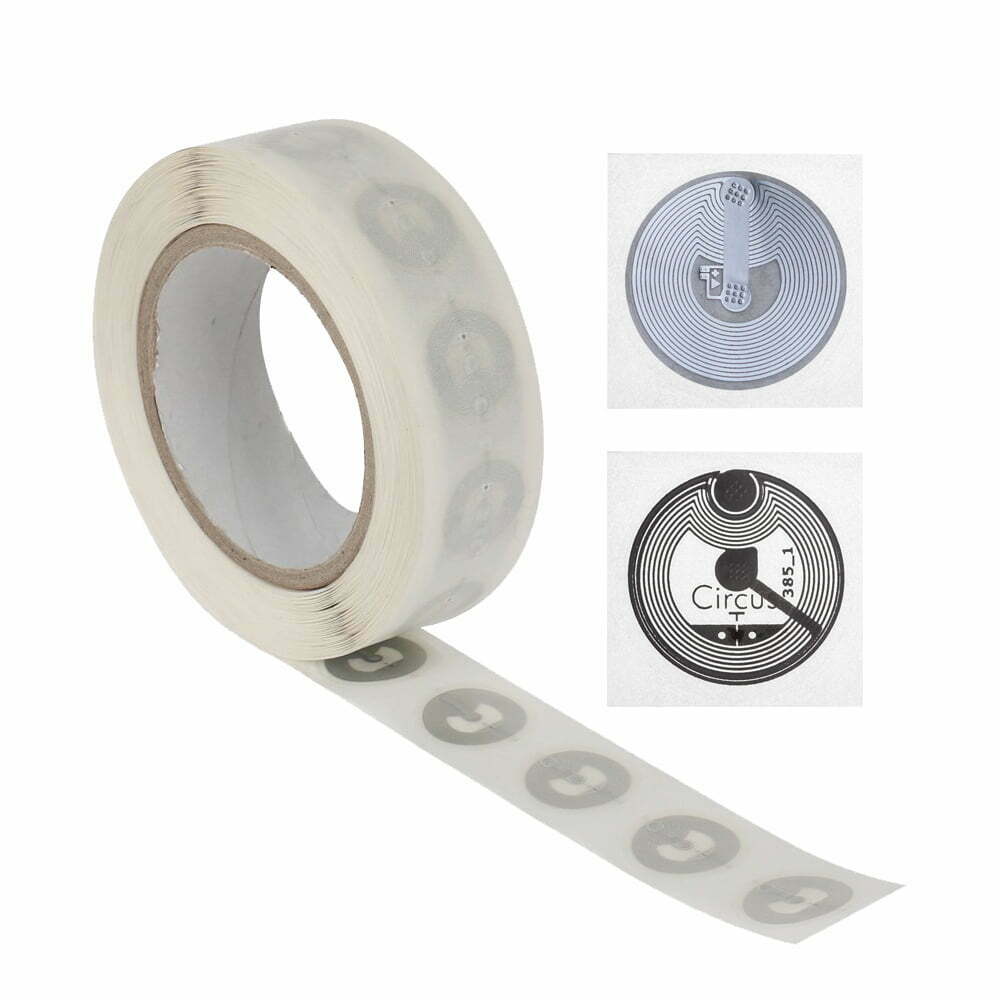
| URL básica o uso compartido de tarjetas de presentación digitales | NTAG 213 | Tarjetas de visita NFC, Pegatinas de NFC | nfcwork.com |
| Pasaporte de producto digital o carga de datos media | NTAG 215 | Etiquetas NFC, Incrustaciones NFC para prendas de vestir | nfcwork.com |
| Paquete de contenido enriquecido y participación del consumidor | NTAG 216 | Pegatinas de NFC, Etiquetas NFC para embalajes inteligentes | rfidhy.com, nfcwork.com |
| Autenticación de marcas de lujo y antimanipulación | NTAG 424 ADN | Etiquetas NFC para artículos de lujo, Incrustaciones NFC con protección de originalidad | nfcwork.com, rfidtaghy.com |
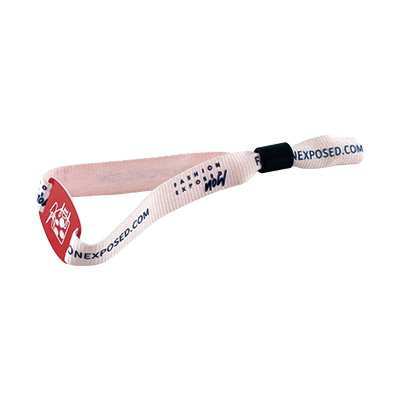
| Pulseras para eventos sin contacto con acceso seguro | NTAG 215 / NTAG 424 ADN | Pulseras NFC, pulseras de silicona nfc | pulsera.com |
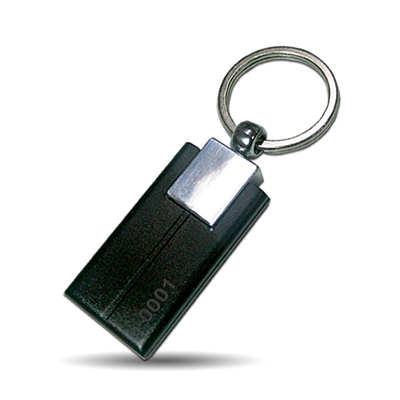
| Seguimiento de inventarios y activos industriales. | ICODE SLIX | Etiquetas RFID, Etiquetas RFID, alta temperatura Etiquetas RFID | rfidtaghy.com, rfidhy.com |
Tomar la decisión final
Comience con la capa de aplicación: ¿Qué datos van en la etiqueta?? ¿Es obligatorio el cifrado de extremo a extremo?? ¿Serán los lectores teléfonos de consumo? (Foro NFC) o infraestructura RFID dedicada (ISO 15693)? NTAG 213, 215, y 216 ofrecer una interoperabilidad fluida en casos de uso centrados en teléfonos inteligentes. NTAG 424 El ADN es la opción cuando la confianza en la marca y la integridad de los datos no pueden verse comprometidas. ICODE interviene para el escaneo masivo y los entornos industriales donde la velocidad de lectura y la distancia importan más que tocar el teléfono inteligente. Al alinear las especificaciones del chip con el formato de salida, ya sea un Incrustación NFC, Pulsera de NFC, o etiqueta RFID—te aseguras un servicio confiable, solución rentable.
1. ¿Puede un teléfono inteligente leer chips NTAG e ICODE??
Lo mas moderno teléfonos inteligentes leer NTAG de forma nativa (Compatible con el Foro NFC) pero no leas ISO 15693 (ICODO) sin una aplicación dedicada o lector externo. Para la interacción del consumidor con teléfonos inteligentes, NTAG es la elección correcta.
2. ¿Qué tamaño de memoria necesito realmente??
Cabe una URL o un registro de texto simple. 144 bytes (NTAG 213). Es posible que se requiera un pasaporte de producto digital con todos los atributos 504 bytes (NTAG 215) o más. NTAG 216 da margen para contenido enriquecido. Elija según el mensaje NDEF máximo que exige su aplicación.
3. es NTAG 424 El ADN siempre es necesario para la seguridad.?
No siempre. Es esencial cuando necesita autenticidad verificable criptográficamente y duplicación de datos de toques dinámicos.. Para memoria básica protegida con contraseña, NTAG 213-216 puede ser suficiente. NTAG 424 DNA añade cifrado AES-128 y SUN, haciéndolo ideal para la lucha contra la falsificación.
4. ¿Dónde puedo conseguir etiquetas terminadas en estos chips??
NFCTRABAJO, RFIDHY, RFIDTAGHY, y WRISTBANDHY ofrecen productos NFC y RFID basados en los chips que se tratan aquí.. Puedes solicitar una consulta para tu chip específico, factor de forma, y requisitos de volumen.
Listo para elegir lo correcto chip NFC para tu próximo proyecto? Nuestro equipo en NFCWORK Technology le ayuda a navegar en la selección de chips, diseño de antena, y codificación de productos. Explora nuestro Línea de productos NFC o Contáctenos para discutir sus especificaciones. Ofrecemos muestras y precios por volumen en NTAG 213, 215, 216, 424 ADN, y etiquetas basadas en ICODE, incrustaciones, y pulseras.