La crise mondiale de la contrefaçon des vins fins et des spiritueux
Le marché des vins fins et des spiritueux rares est depuis longtemps en proie à une contrefaçon sophistiquée.. Des bouteilles vides rechargées des meilleurs millésimes de Bordeaux aux whiskies single malt entièrement fabriqués, les dégâts économiques sont énormes. Un seul lot contrefait haut de gamme peut éroder des décennies de confiance bâtie par un château ou une distillerie prestigieux.. Mesures traditionnelles de lutte contre la contrefaçon : hologrammes, certificats papier, ou capsules en relief – sont facilement reproductibles et n'offrent aucune vérification en temps réel. En réponse, Les producteurs avant-gardistes se tournent vers le NFC (Communication en champ proche) l'authentification comme un robuste, bouclier numérique convivial.
Pourquoi le NFC surpasse les méthodes anti-contrefaçon conventionnelles
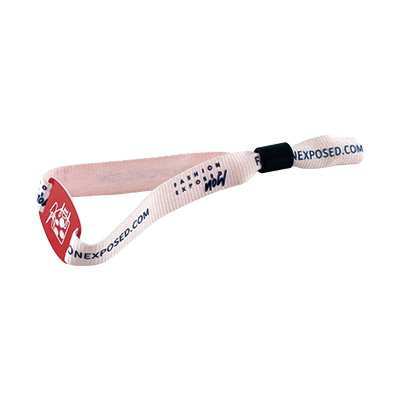
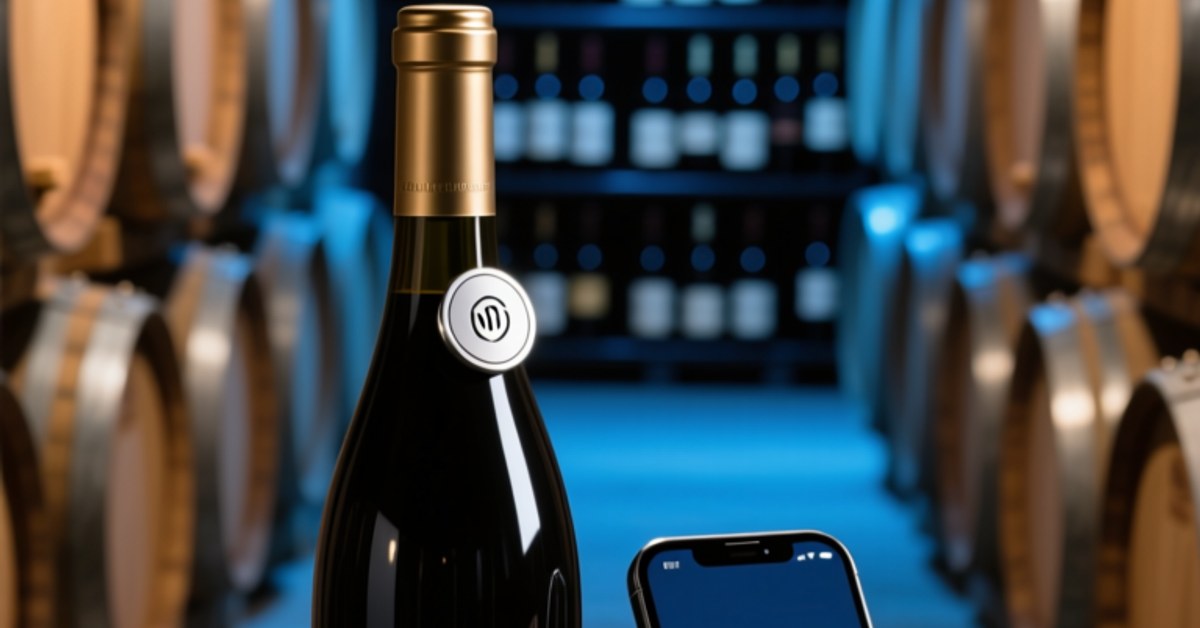
Contrairement aux fonctionnalités de sécurité visuelle, Balises NFC transporter crypté, données non clonables qu'un smartphone peut lire instantanément. L'identifiant unique de chaque balise (UID) est définitivement verrouillé lors de la fabrication et peut être combiné avec une signature numérique ou une ancre blockchain. Une fois intégré dans Scellés pour bouteilles NFC ou Authentification du vin NFC étiquettes, l'étiquette intacte confirme que la bouteille n'a pas été altérée. Même si un contrefacteur parvient à ouvrir et à remplir la bouteille, la rupture physique du sceau détruit l'antenne NFC, rendre le tag illisible. Pour les marques, cela signifie que chaque bouteille authentique raconte sa propre histoire, du raisin ou du grain au verre..
Intégration des bouteilles et des joints: Du matériel qui protège
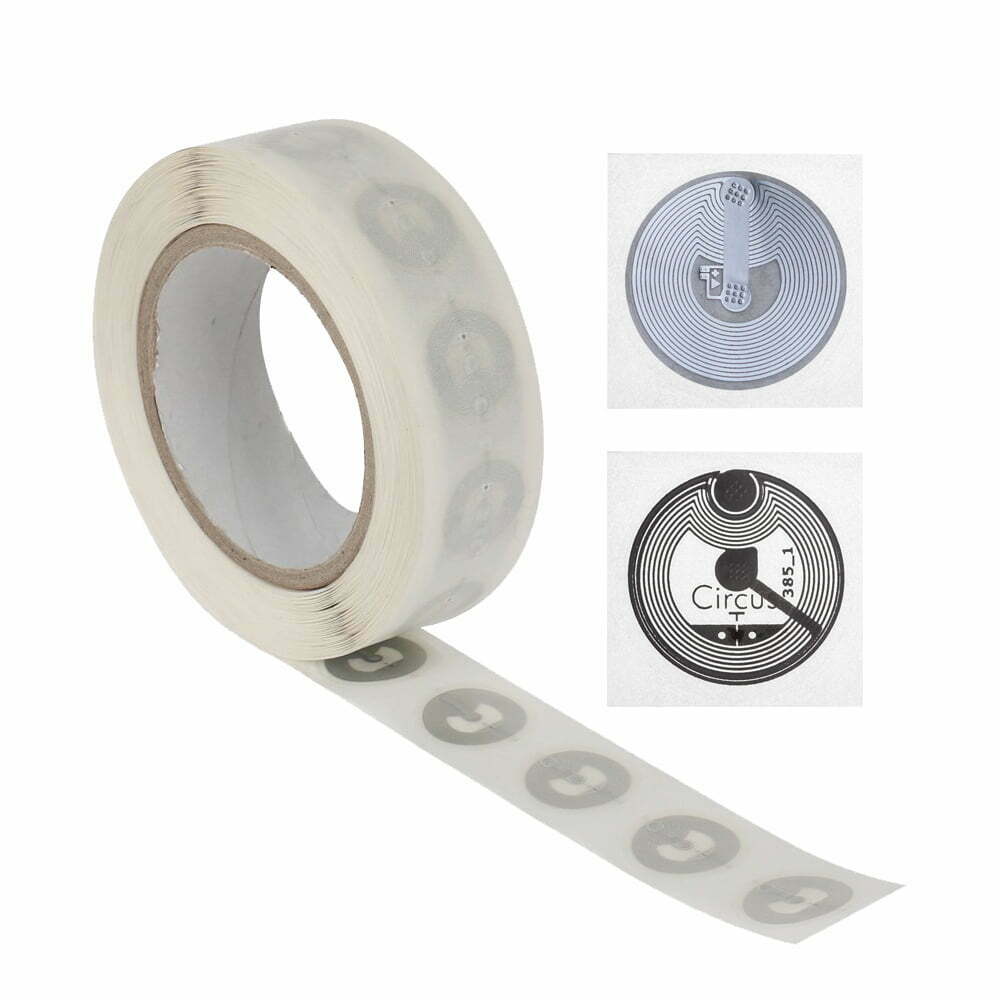
Efficace spiritueux anti‑contrefaçon la protection commence par une intégration physique transparente. RFIDHYla gamme de Balises NFC et Autocollants NFC peut être intégré dans les fermetures de capsules, plaques de marquage en liège, ou étiquettes flexibles sous-capsules. Pour les versions ultra premium, Incrustations NFC intégrés directement dans la bouteille en verre ou en céramique sont de plus en plus populaires. La clé est de rendre l’étiquette invisible ou intégrée esthétiquement afin qu’elle ne nuise pas à l’emballage de luxe., mais reste numérisable. Une fois la bouteille scellée sur la ligne de production, le tag NFC peut être doté d'un identifiant unique et d'un hash sécurisé qui relie la bouteille physique à son jumeau numérique dans le cloud.
>
| Point d'intégration | Type de balise recommandé | Expérience des consommateurs |
|---|---|---|
| Capsule / Manchette | Étiquette NFC à boucle d'autoprotection ou Autocollant NFC | Appuyez sur le dessus de la capsule pour vérifier |
| Plaque de marquage en liège | Incrustation NFC en forme de pièce de monnaie | Appuyez sur le bouchon (après débouchage) pour les données patrimoniales |
| Étiquette arrière ou col | Étiquette NFC imprimable | N'importe où sur la bouteille, vérification instantanée |
| Intégration sous verre | Incrustation NFC sur métal | Appuyez sur la zone désignée marquée sur la bouteille |
Capturer les données de cave et de millésime pour une traçabilité complète
Au-delà de l'authentification, La technologie NFC permet traçabilité des vins qui transforme une bouteille statique en une archive interactive. A chaque étape : les vendanges, fermentation, vieillissement en barrique, mélange, mise en bouteille : les données peuvent être enregistrées dans le passeport numérique du produit. Lorsqu'un consommateur ou un acheteur professionnel appuie sur la balise NFC, ils peuvent accéder à un récit riche: provenance géographique, conditions de récolte, notes du vigneron, types de barils, date de mise en bouteille, et même des recommandations de stockage. Cela renforce non seulement la confiance, mais élève également la narration de la marque.. Pour les spiritueux, les données peuvent inclure des numéros de fûts, dates de distillation, et historique de maturation.
En utilisant RFIDHYla plateforme cloud de Authentification du produit NFC, les marques peuvent gérer ces données de cycle de vie sans investissement informatique lourd. La solution prend en charge à la fois le contenu statique préenregistré et les champs mis à jour dynamiquement, tels que le transfert de propriété ou l'historique des enchères, ce qui la rend idéale pour les projets à long terme. vérification des boissons alcoolisées de qualité supérieure.
Le parcours de vérification du consommateur: Un robinet, Confiance totale
Un parcours client bien conçu est aussi important que la technologie elle-même. Voici comment cela fonctionne généralement pour une bouteille authentifiée:
- Robinet: Un acheteur tape l’étiquette NFC de la bouteille avec un smartphone compatible NFC (la plupart des téléphones modernes sont compatibles; voir Smartphone compatible NFC).
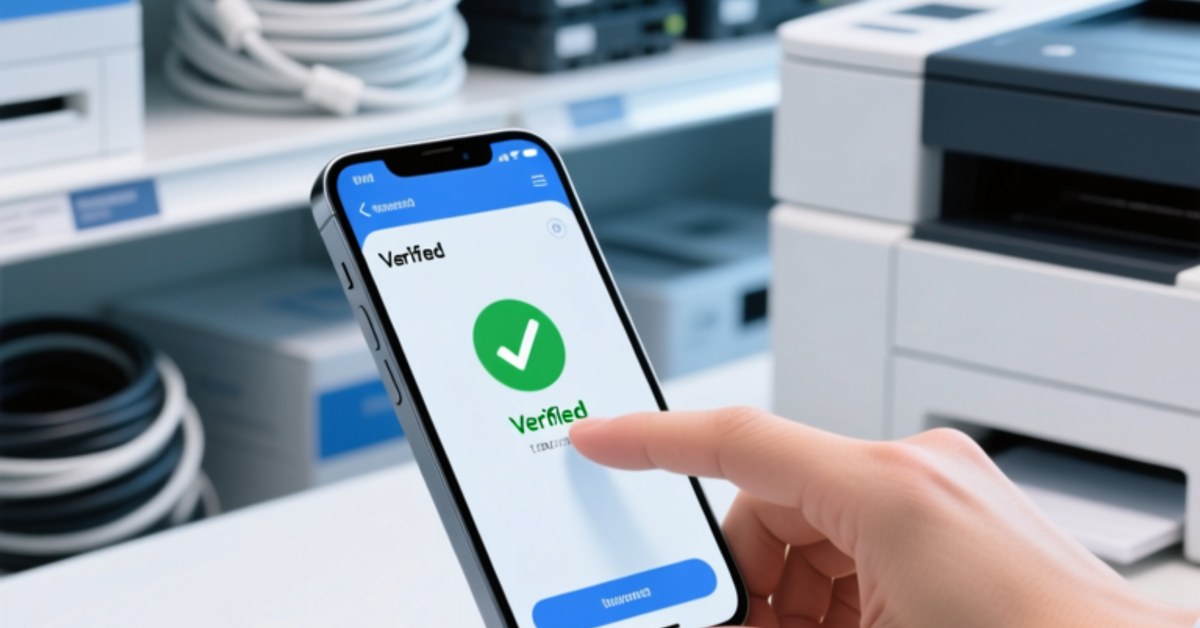
- Vérifier: Le téléphone ouvre une application Web sécurisée ou une application Web progressive (aucun téléchargement requis) qui vérifie l’authenticité de l’étiquette et lit les informations uniques de la bouteille.
- Explorer: L'utilisateur voit la provenance, détails de production, et l'histoire de la marque. Un indicateur d'inviolabilité peut confirmer que le sceau n'est pas brisé.
- S'engager: L'expérience peut être liée à des recettes de cocktails, suggestions d'accords culinaires, ou du contenu de marque exclusif. Certaines marques offrent même des récompenses de fidélité pour la numérisation.
Ce processus fluide rassure instantanément l'acheteur et approfondit son lien avec la marque.. Pour les importateurs et les plateformes de commerce électronique, cela réduit les retours et les litiges sur l’authenticité.
Protection du marché secondaire: Sécuriser les bouteilles de collection
Le marché secondaire des vins et spiritueux rares : les enchères, ventes privées, et les marchés en ligne – est particulièrement vulnérable à la fraude. Une bouteille authentifiée NFC offre une sécurité permanente, preuve d'authenticité transférable. Quand une bouteille change de mains, le vendeur peut transférer le dossier de propriété numérique, mettre à jour l'historique du tag avec la transaction. Les futurs propriétaires peuvent voir la chaîne de contrôle complète, exactement comme un registre de provenance numérique. Cela augmente considérablement la confiance des acheteurs et la valeur de revente des bouteilles authentifiées.. Les maisons de ventes aux enchères peuvent numériser des lots entiers avec Lecteurs RFID UHF ou lecteurs RFID portables pour une vérification en masse lors de la réception, combinant l'authenticité individuelle NFC avec la gestion des stocks RFID pour plus d'efficacité.
Pour les marques souhaitant mettre en place un tel système, RFIDHY propose des solutions de bout en bout qui relient le physique Balises NFC vers une plateforme de traçabilité basée sur le cloud. Pour savoir comment d’autres secteurs du luxe utilisent une technologie similaire, lisez notre article sur Anti-contrefaçon basée sur NFC.
Choisir les bons composants NFC pour votre bouteille
Toutes les balises NFC ne sont pas égales. Le substrat, adhésif, et le facteur de forme doit survivre au stockage frigorifique, humidité, et manutention tout au long de la chaîne d'approvisionnement. Les spécifications communes incluent:
- Puces de la série NTAG® avec boucles de détection d'effraction pour une preuve claire de l'ouverture.
- Incrustations NFC compatibles sur métal pour les étiquettes placées directement sur des capsules ou du papier d'aluminium.
- Résistance aux hautes températures pour les processus de remplissage à chaud ou de pasteurisation.
- Adhésifs alimentaires conforme aux réglementations FDA ou UE.
RFIDHY propose un large portefeuille de Autocollants NFC, Incrustations NFC, et personnalisé Balises NFC adapté aux géométries de bouteilles et aux environnements de production spécifiques. Des distillateurs en petites séries aux châteaux à grande échelle, la technologie évolue.
Intégration avec les systèmes existants: Une feuille de route
Déploiement Authentification du vin NFC ne nécessite pas une refonte complète. Une approche progressive typique comprend:
- Programme pilote: Commencez avec une version limitée ou un niveau de réserve utilisant des balises NFC précodées et une expérience numérique de base.
- Intégration: Connectez le service cloud NFC à votre ERP ou à votre base de données de sérialisation de produits pour automatiser la mise en service des tags.
- Lancement grand public: Activez la page de destination de vérification et faites la promotion de la fonctionnalité Taper pour vérifier via les canaux marketing..
- Analyses avancées: Utiliser les données numérisées pour comprendre la demande géographique, détecter le détournement du marché gris, et mesurer l’engagement des consommateurs.
Pour les importateurs et les plateformes de commerce électronique, Authentification du produit NFC peut être intégré dans l’entreposage et l’exécution des commandes, s'assurer que chaque bouteille expédiée est vérifiée avant qu'elle ne quitte l'établissement. Associé à Gestion d'entrepôt RFID des outils comme lecteurs RFID portables ou lecteurs RFID fixes, la précision des stocks et la détection des contrefaçons atteignent de nouveaux niveaux.
FAQ
Comment le NFC prévient-il la fraude au rechargement?
Les étiquettes NFC peuvent être conçues avec une boucle d'inviolabilité qui se brise physiquement lorsque le sceau ou la capsule est ouvert. Une boucle brisée rend le tag illisible, donc toute analyse ultérieure échouera, alerter l'utilisateur d'une falsification potentielle.
Les consommateurs peuvent-ils utiliser n'importe quel smartphone pour vérifier une bouteille?
La plupart des appareils Android et iOS modernes prennent en charge la lecture NFC. Pour les téléphones plus anciens, un QR code peut servir de lien supplémentaire. Nous vous recommandons de consulter notre Smartphone compatible NFC page pour les détails de compatibilité.
L'expérience NFC est-elle limitée à une simple URL?
Non. La balise peut lancer une application Web progressive richement conçue qui inclut de la vidéo, tableaux vintage interactifs, suivi de la propriété, et communication directe de la marque. L'expérience est entièrement sous le contrôle de la marque.
Comment l'authentification des bouteilles aide-t-elle aux ventes secondaires?
Parce que chaque tag a une identité unique et un historique, les acheteurs sur les marchés secondaires peuvent vérifier la provenance complète de la bouteille et la chaîne de propriété. Cela augmente la confiance et peut augmenter la valeur de revente.
Quel type d'étiquette NFC fonctionne le mieux pour le champagne ou le vin mousseux?
Nous recommandons un autocollant ou une étiquette NFC flexible qui peut s'adapter à la forme et à la pression uniques d'un bouchon de vin mousseux.. Des versions sur métal peuvent être nécessaires pour les capsules en aluminium.
Prêt à protéger votre marque et à ravir les consommateurs?
La technologie NFCWORK et RFIDHY renforcent les établissements vinicoles, distilleries, et les importateurs avec des services de bout en bout Authentification du vin NFC et solutions de traçabilité. De la coutume Balises NFC aux plateformes de gestion cloud, nous vous aidons à vaincre les contrefacteurs et à établir des relations clients plus approfondies.
Contactez notre équipe pour discuter d'une solution sur mesure pour vos bouteilles premium, ou explorez notre Authentification des articles de luxe page pour plus d'informations.