Rewolucja odsprzedaży i jej kryzys podrabiania
Rynek odsprzedaży sneakersów nie jest już niszową subkulturą – dojrzał do wielomiliardowej globalnej gospodarki. Platformy takie jak StockX, KOZA, i Grailed znormalizowali koncepcję sneakersów jako aktywów zbywalnych, z limitowanymi edycjami, które wyprzedają się w ciągu kilku sekund i pojawiają się ponownie na rynkach wtórnych po cenie detalicznej 2–10 razy większej. Według analiz branżowych, rynek odsprzedaży sneakersów mógł dotrzeć $30 miliard przez 2030. Jednak wraz z tym wzrostem następuje równie alarmujący wzrost liczby podróbek. Wyrafinowane fabryki replik produkują obecnie niemal doskonałe podróbki, które oszukują nawet doświadczonych weryfikatorów, podważając zaufanie konsumentów i obniżając wartość marki. Dla marek sportowych i streetwearowych, to nie tylko problem wycieku dochodów – to bezpośrednie zagrożenie dla ciężko zdobytego kapitału kulturowego, które sprawia, że produkty cieszące się dużym zainteresowaniem są pożądane.
Dlaczego uwierzytelnianie wizualne już nie wystarcza
Tradycyjne uwierzytelnianie opiera się w dużej mierze na ludzkiej wiedzy: sprawdzenie szycia, przybory, etykiety na pudełka, i zapach. Jednakże, repliki ewoluowały. Wysokiej jakości podróbki replikują teraz hologramy, Numery SKU, a nawet nici RFID wplecione w etykiety. Kontrola wzrokowa często nie pozwala na odróżnienie oryginału od podróbki, zwłaszcza gdy kupujący dokonują zakupów online za pośrednictwem platform odsprzedaży. Ta niepewność prowadzi do niepokoju konsumentów, obciążenia zwrotne, oraz efekt mrożący na płynność rynku odsprzedaży. Marki potrzebują zabezpieczenia przed manipulacją, skalowalne, i przyjazną dla konsumenta metodą weryfikacji autentyczności. Uwierzytelnianie produktu NFC pojawia się jako takie rozwiązanie.
Zaleta NFC: Jedno dotknięcie, Absolutna pewność
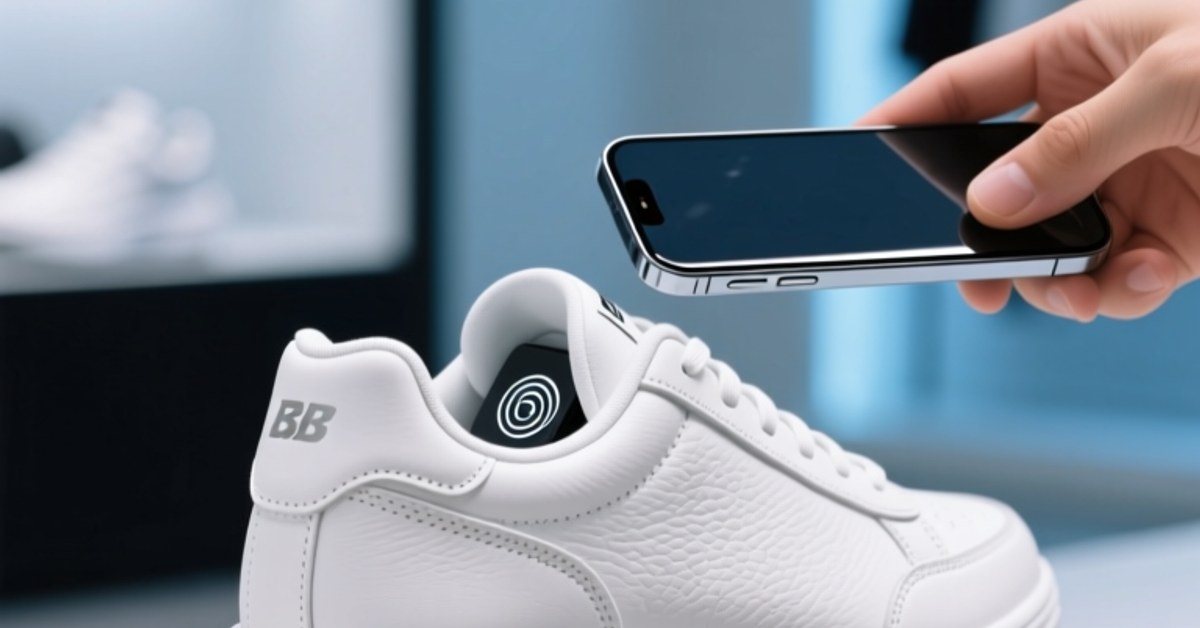
Komunikacja w pobliżu (NFC) tagi są małe, pasywne chipy, które można osadzić w produkcie i odczytać za pomocą dowolnego nowoczesnego smartfona za pomocą prostego dotknięcia. W przeciwieństwie do kodów QR, które można łatwo skopiować, jakiś Tag NFC może posiadać unikalny podpis kryptograficzny potwierdzający pochodzenie produktu. Do tenisówek, oznacza to osadzenie pliku Etykieta wkładki NFC lub dołączenie Zawieszka z obsługą NFC który łączy się z bezpiecznym paszportem cyfrowym. Tagu nie można sklonować bez dostępu do infrastruktury klucza prywatnego marki, a każde dotknięcie może zostać zarejestrowane w księdze podobnej do blockchain, tworząc niezmienny łańcuch dostaw. Do weryfikacji odsprzedaży, to jest przemieniające: kupujący może dotknąć używany tenisówka telefonem i natychmiast potwierdzić, czy jest autentyczny, kiedy został wyprodukowany, a nawet historię wcześniejszej własności, jeśli marka zdecyduje się udostępnić te dane.
Projektowanie tagów NFC dla sneakersów: Brandzel, Zawieś etykietę, lub Pudełko?
Podczas integracji NFC z tenisówkami, marki muszą uwzględniać podróż użytkownika. Pojawiły się trzy popularne czynniki w postaci fizycznej:
- Tagi wkładki NFC: Zazwyczaj elastyczna wkładka NFC laminowana pomiędzy warstwami wkładki. Jest niewidoczny podczas noszenia, niezwykle trwałe, i nie można ich usunąć bez zniszczenia integralności strukturalnej buta – jest to silna funkcja zapobiegająca manipulacji. Idealny do uwalniania w wysokiej temperaturze, gdzie etykieta pozostaje z produktem na zawsze.
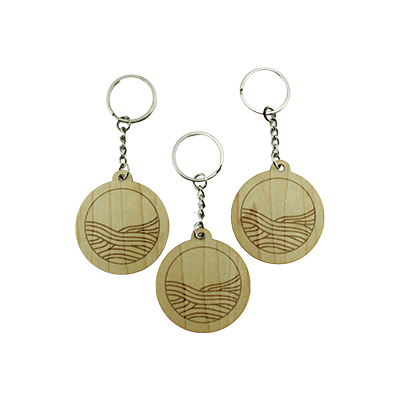
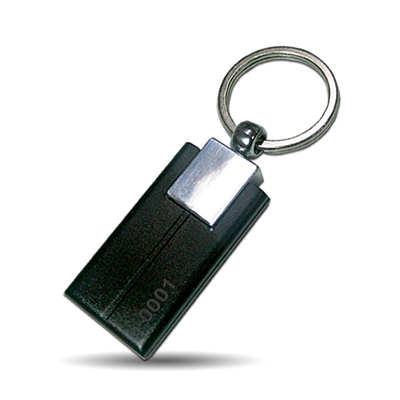
- Zawieszki NFC: Często markowa karta dołączona z pętlą zabezpieczającą. Są widoczne, łatwe do zeskanowania w punkcie odsprzedaży, i może pełnić funkcję nośnika marketingowego. Jednakże, Łatwiej je odłączyć i ponownie wykorzystać w przypadku podrabianych produktów, jeśli nie zostaną połączone z bezpiecznym procesem weryfikacji cyfrowej.
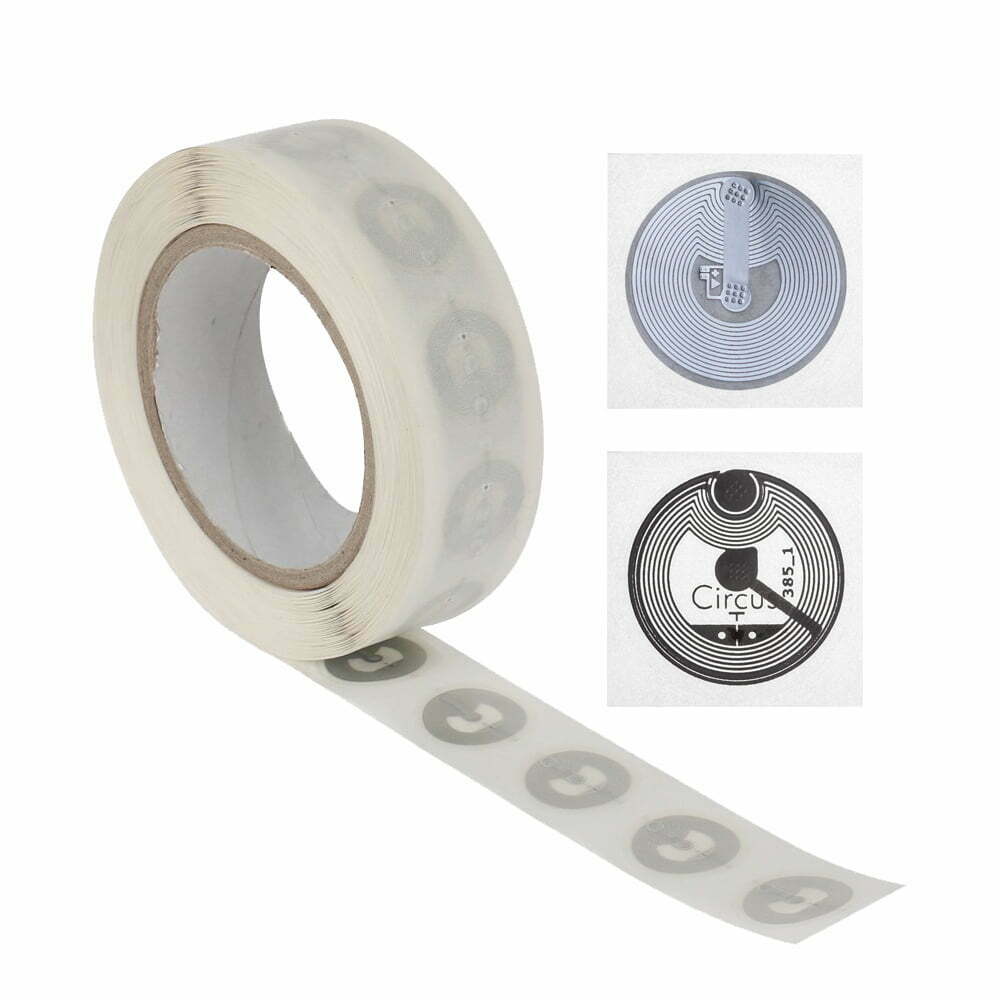
- Inteligentne etykiety na pudełka: Jakiś Naklejka NFC przyklejony do pudełka po butach. Pozwala to zachować oryginalny stan buta i jest łatwe do wdrożenia na linii pakującej, ale pudełka można zamienić. Do limitowanych edycji o wysokiej wartości, połączenie znacznika pudełka i znacznika wkładki zapewnia wielowarstwowe bezpieczeństwo.
Każdy format można pozyskać od wyspecjalizowanych dostawców produktów NFC, takich jak ci, których można znaleźć pod adresem rfidhy.com, ofiara Tagi NFC, Naklejki NFC, oraz wkładki NFC przeznaczone do uwierzytelniania marki. Wybór chipa (NP., Allegate 424 DNA z szyfrowaniem AES) określa poziom bezpieczeństwa i koszt jednostkowy. Dla luksusowej odzieży ulicznej, dodatkowy koszt bezpiecznego znacznika NFC jest znikomy w porównaniu ze szkodą dla reputacji wynikającą z pojedynczej sprzedaży podróbek.
Integracja z platformą odsprzedaży: Budowa zweryfikowanego ekosystemu
Aby uwierzytelnienie NFC naprawdę wygrało bitwę odsprzedaży, musi płynnie integrować się z platformami, na których odbywają się transakcje. Kiedy sprzedawca wystawia tenisówkę na rynku, platforma może poprosić ich o dotknięcie tagu NFC w celu wygenerowania nowego tokena weryfikacyjnego. Platforma następnie porównuje ten token z rejestrem marki, upewniając się, że tenisówka jest oryginalna i nie jest oznaczona jako skradziona. Zmniejsza to zależność platformy od ręcznych centrów uwierzytelniania, przyspiesza zatwierdzanie ogłoszeń, i może nawet zapewnić plakietkę „VeriTap”, która zwiększa zaufanie kupujących i ceny sprzedaży.
Dla marek, stwarza to możliwość uczestniczenia w rynku wtórnym bez bezpośredniego kontrolowania go. Oferując Rozwiązanie oparte na NFC, mogą wymagać, aby każdy skan odsprzedaży był kierowany przez ich interfejs API, zapewniając im wgląd w podróż produktu. Mogą także nagradzać konsumentów, którzy potwierdzą swój zakup, punktami lojalnościowymi lub dostępem do ekskluzywnych rabatów, zamieniając każdą odsprzedaż w moment zaangażowania w markę.
Zaangażowanie po sprzedaży: Od transakcji do relacji
Uwierzytelnienie to dopiero początek. Gdy konsument dotknie znacznika tenisówki NFC, lądują na urządzeniu mobilnym kontrolowanym przez markę. Ta strona docelowa może zaoferować:
- Dowód własności oraz cyfrowy certyfikat autentyczności.
- Instrukcje pielęgnacji produktu lub przewodniki po stylu.
- Ekskluzywna treść takie jak historie zza kulis projektów lub współpraca artystów.
- Dostęp do portalu sprzedaży gdzie mogą oficjalnie ponownie wystawić przedmiot ze statusem zweryfikowanym.
- Punkty lojalnościowe które łączą zakupy pierwotne i wtórne, zachęcanie do przyklejania się marki.
Dzięki temu statyczny produkt staje się żywym atutem marki. Zamiast tracić kontakt z klientem po pierwszej sprzedaży, marka ma teraz bezpośredni kontakt, kanał umożliwiający zaangażowanie za każdym razem, gdy tenisówka zmienia właściciela. Dane te są bezcenne dla zrozumienia trwałości i obrotu produktów, które mogą stanowić podstawę przyszłych serii produkcyjnych i strategii zwalczania podróbek.
Sprzęt i infrastruktura do skalowalnego wdrożenia NFC
Wdrożenie globalnego programu uwierzytelniania NFC wymaga niezawodnej infrastruktury kodowania i odczytu. Podczas produkcji, Tagi NFC można kodować z dużą szybkością przy użyciu klasy przemysłowej Czytniki stacjonarne RFID/NFC lub zintegrowane Moduły RFID. Dla sklepów detalicznych i sklepów wysyłkowych, A ręczny czytnik RFID UHF lub terminal POS z obsługą NFC można wykorzystać do aktywacji tagów lub weryfikacji produktów w punkcie sprzedaży. Marki zajmujące się logistyką dalekiego zasięgu mogą również łączyć NFC Tagi RFID UHF do śledzenia magazynu, następnie użyj technologii NFC do uwierzytelnienia skierowanego do klienta. Połączenie technologii zapewnia płynny przepływ od fabryki do stopy.
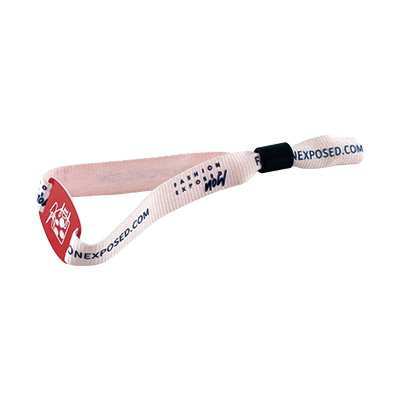
RFIDHY i NFCWORK oferują szeroką gamę sprzętu i znaczników kodujących, w tym Naklejki NFC, elastyczne wkładki NFC do obuwia, i bezpieczne Opaski na rękę NFC na ekskluzywne wydarzenia – wszystkie z możliwością dostosowania do identyfikacji wizualnej marki. Integracja z istniejącymi liniami produkcyjnymi zazwyczaj nie powoduje zakłóceń i może być przeprowadzana etapami, linia po linii produktu.
Rozwiązywanie problemów: Koszt, Trwałość, i Prywatność
Sceptycy mogą wątpić, czy znaczniki NFC dodają niedopuszczalne koszty do zestawienia materiałów tenisówek. W rzeczywistości, Tagi NFC o średnim poziomie bezpieczeństwa są wyceniane za grosze, a zwrot z inwestycji mierzony jest w postaci zmniejszonych obciążeń zwrotnych, zwiększone zaufanie do marki, i potencjalnie wyższą wartość odsprzedaży. Trwałość to kolejna częsta obawa; dobrze zaprojektowane wkładki NFC wytrzymują tysiące cykli zginania oraz narażenie na wilgoć i ciepło. Kluczowy jest wybór odpowiedniej metki od wyspecjalizowanego producenta, który rozumie zastosowania obuwia.
O prywatności, marki muszą zaprojektować system w taki sposób, aby znacznik NFC nie przesyłał danych osobowych (PII). Sam tag zawiera unikalny identyfikator; dopiero po zeskanowaniu za pomocą zastrzeżonej aplikacji lub platformy ujawnia informacje, a konsument może wybrać, czym chce się podzielić. Zgodność z RODO można zachować, wyrażając zgodę na usługę uwierzytelniania i anonimizując dane o lokalizacji.
Krajobraz konkurencyjny: Pierwsi użytkownicy i wyróżniki
Chociaż niektóre luksusowe domy mody eksperymentowały z NFC w torebkach i zegarkach, marki sneakersów mają wyjątkową szansę ze względu na duże znaczenie kultury odsprzedaży. Kilka przyszłościowych marek wprowadziło pilotażowe paszporty cyfrowe połączone ze znacznikami NFC. Kluczowymi cechami wyróżniającymi jest łatwość użycia (nie jest wymagana żadna specjalna aplikacja — po prostu dotknij), bezpieczeństwo (kryptografia klucza publicznego), i bogactwo wrażeń po dotknięciu. Marki, które łączą NFC z atrakcyjnym programem lojalnościowym lub odsprzedaży, mogą nie tylko walczyć z podróbkami, ale także pogłębiać swoje relacje społeczne.
Etykiety streetwearowe, zwłaszcza, rozwijać się dzięki społeczności i wyłączności. Uwierzytelnianie oparte na technologii NFC można ustawić jako klucz członkowski, przyznanie posiadaczom dostępu do tajnych zrzutów, prawa głosu w sprawie przyszłych kolorów, lub wejście na wydarzenia związane z marką – nałożenie użyteczności na działania zapobiegające podróbkom i zwiększenie wartości produktów marki na rynku wtórnym.
Wniosek: Zabezpieczanie przyszłości szumu
Bitwy na temat odsprzedaży sneakersów nie da się wygrać samymi atakami prawnymi. Wymaga wyposażenia produktów we wrodzone, niemożliwy do kopiowania dowód autentyczności. Uwierzytelnianie NFC zapewnia bezpieczeństwo, skalowalne, i przyjazną dla konsumenta odpowiedź, umożliwiając markom ochronę ich kapitału, partnerom, takim jak platformy odsprzedaży, w celu ograniczenia oszustw, a konsumentom pewność kupowania i sprzedawania. Poprzez osadzenie tagów NFC we wkładkach, zawieszki, lub pakowania i łączenia ich z dynamicznym ekosystemem chmury, branża obuwnicza może zamienić każdego sneakersa w zaufany węzeł w globalnej sieci autentyczności. Nadszedł czas na inwestycje dla marek sportowych i marek streetwearowych Cyfrowe paszporty produktów i odzyskać kontrolę nad narracją dotyczącą rynku wtórnego.
Często zadawane pytania
Czym różni się uwierzytelnianie NFC od kodów QR do weryfikacji tenisówek??
Tagi NFC mogą zawierać zabezpieczone kryptograficznie unikalne identyfikatory, które są niezwykle trudne do sklonowania, natomiast kody QR można łatwo skopiować i ponownie wydrukować. NFC zapewnia także bezproblemową obsługę jednym dotknięciem, bez problemów ze skanowaniem w słabym świetle, i można je zintegrować z konstrukcjami fizycznymi zabezpieczającymi przed manipulacją.
Czy znaczniki NFC mogą przetrwać wewnątrz tenisówki podczas normalnego noszenia i czyszczenia??
Tak. Specjalistyczne, elastyczne wkładki NFC przeznaczone do obuwia wytrzymują tysiące cykli zginania, wilgoć, a nawet łagodne czyszczenie. Właściwe laminowanie i umiejscowienie wewnątrz wkładki lub języka zapewnia długowieczność bez uszczerbku dla komfortu.
Co się stanie, jeśli ktoś spróbuje usunąć etykietę NFC z wkładki i umieścić ją w podrobionym bucie??
Marki mogą zaprojektować metkę tak, aby uległa fizycznemu uszkodzeniu po usunięciu (widoczne w przypadku manipulacji), a zapis cyfrowy może oznaczyć etykietę, która została odłączona od oryginalnego produktu. System zaplecza może również zablokować tag w przypadku wykrycia nietypowej aktywności.
W jaki sposób platformy odsprzedaży weryfikują tenisówki z uwierzytelnieniem NFC?
Za pośrednictwem interfejsu API dostarczonego przez markę, platforma może rzucić wyzwanie tagowi i zweryfikować odpowiedź kryptograficzną w czasie rzeczywistym. Dzięki temu masz pewność, że przedmiot jest autentyczny i nie został zgłoszony jako skradziony, usprawnienie uwierzytelniania bez konieczności wysyłania tenisówki do centrum.
Czy wdrożenie uwierzytelniania opartego na NFC jest drogie w przypadku marki streetwearowej??
Do średnich i dużych serii produkcyjnych, koszt jednostkowy bezpiecznych znaczników NFC jest bardzo niski — często poniżej dolara. W porównaniu z kosztem uszkodzeń spowodowanych podróbkami, obciążenia zwrotne, i utratę wartości marki, stanowi inwestycję o wysokim ROI.
Gotowy do ochrony Twoich tenisówek i odzieży ulicznej dzięki uwierzytelnianiu NFC? W technologii NFCWORK, zapewniamy kompleksowe rozwiązania — od bezpiecznych wkładek NFC i sprzętu kodującego po platformy paszportów cyfrowych. Poznaj naszą ofertę Tagi i akcesoria NFC lub skontaktuj się z naszym zespołem, aby omówić projekt pilotażowy dotyczący kolejnej limitowanej edycji. Budujmy zaufanie, jedno dotknięcie na raz.