In the art and collectibles market, value is inseparable from trust. A buyer is not only acquiring pigments, canvas, stone, או מתכת; they are acquiring a documented history of authenticity, ownership, רעיונות, and care. במשך עשרות שנים, that history has lived in exhibition catalogues, חשבוניות נייר, gallery archives, and occasionally the memory of a family or dealer. In a global market where works travel across borders and change hands every few years, paper records alone can no longer sustain confidence.
תקשורת קרובה לשדה (NFC) is emerging as a practical bridge between physical objects and their digital records. By applying a small תג NFC to a painting, sculpture, or highly collectible object, institutions and collectors can connect the artwork to an artwork digital certificate that captures provenance, מַצָב, and transaction history. This article explains how NFC art authentication works across the full lifecycle: provenance creation, museum NFC tagging, auction house verification, insurance, and art logistics.
Why Provenance Is the Core of Art Market Trust
Provenance is not a luxury footnote. It is the chain of custody and ownership history that underpins authenticity, legal title, and value. In galleries and auction houses, a strong provenance chain can reassure a buyer that a work is original, legally transferred, and not encumbered. A weak or inconsistent provenance chain is one of the first red flags in due diligence.
- Authenticity support: Documentation helps connect a work to the artist, studio, period, or catalogue raisonné.
- Clear ownership history: Known exhibitions, סוחרים, and private collections show lawful transfer.
- Value assessment: Collectors and insurers rely on provenance to determine fair market value and replacement value.
- Risk reduction: Buyers, lenders, and insurers need confidence before committing capital.
The problem is that these records are often distributed across many hands. Paper certificates can be lost, פגום, stolen, or even duplicated. The more gaps in the history, the harder it becomes to answer the basic question every buyer asks: Is this the work it claims to be?
The Provenance Chain and Its Traditional Gaps
Every artwork has a provenance chain that begins in the artist’s studio and continues through galleries, private collections, מוזיאונים, תערוכות, בתי מכירות פומביות, and possibly insolvency or estate proceedings. Each transition creates data, but each transition also creates a point where records can break.
>
| בעל עניין | Provenance Contribution | Trust Challenge |
|---|---|---|
| Artist or studio | Creation details, signatures, and initial certificates | Physical certificates can be misplaced or contested |
| Gallery network | Exhibition history, מכירות, and consignment records | Archives often remain private and fragmented |
| Auction house | Lot descriptions, condition reports, and price records | Manual verification is time-consuming and repetitive |
| Collector | Invoices, loan agreements, and correspondence | Documentation may be dispersed over a lifetime |
| Museum or institution | Accession files, loan records, and conservation reports | Historical records may be incomplete or non-digital |
| Insurance and logistics | Insurance schedules, transport documents, storage reports | Physical inspections do not always create digital audit trails |
במקרים רבים, the missing piece is not the document itself but the reliable link between the document and the physical object. A certificate that can be separated from the artwork is only a piece of paper. The digital certificate created by an תג NFC binds the two.
How NFC Art Authentication Works
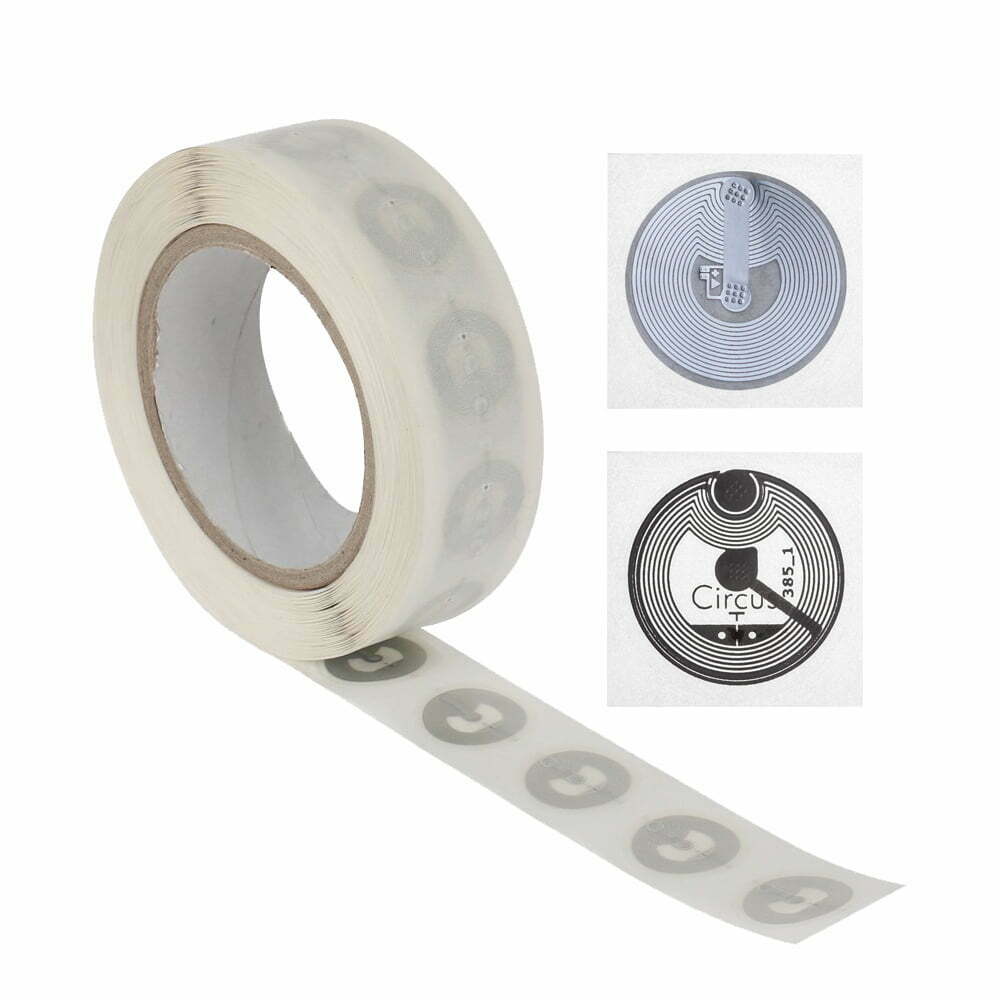
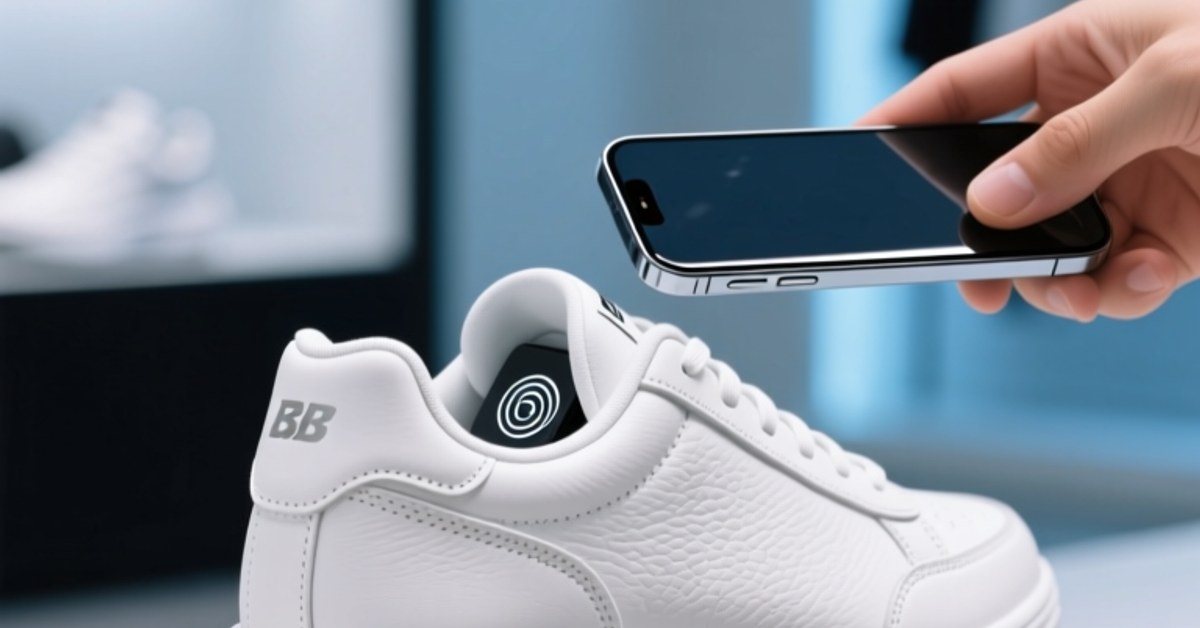
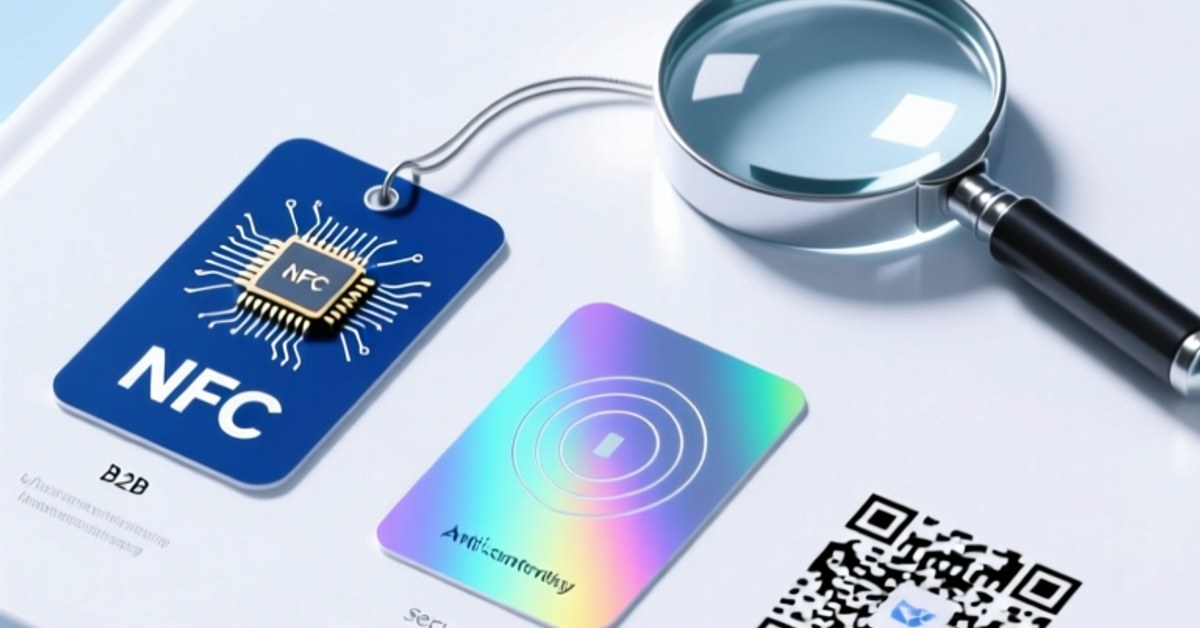
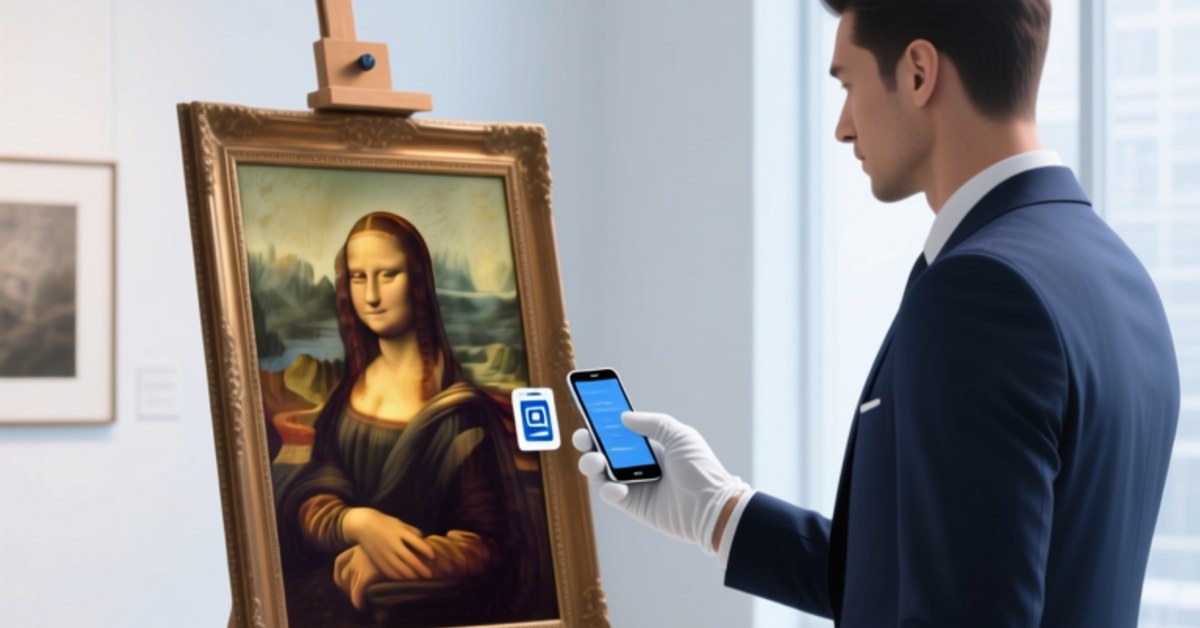
NFC הוא טווח קצר, standards-based communication technology already built into טלפונים חכמים and handheld readers. In art authentication, the workflow is simple: a small NFC tag is attached to the work; the tag carries a unique identifier and often a URL or object ID; when a reader taps or scans the tag, it opens a secure online record associated with that work.
This is not a replacement for connoisseurship, laboratory analysis, or legal opinion. It is an operational layer that allows authorized parties to record, retrieve, and update information at each stage of an artwork’s life. Because many NFC tags have factory-programmed identifiers and memory that can be write-protected, the tag acts as a strong physical pointer to an artwork digital certificate.
Tagging Paintings and Sculptures
Attachment is one of the most sensitive parts of any artwork authentication scheme. For a framed painting, an מדבקת NFC can be placed on the reverse of the frame or on the backing board, never on the painted surface. For canvas works without frames, conservation-grade mounting is needed so the tag does not touch the pigment or varnish. Sculptures may be tagged on the underside of a base, the back edge, or an interior cavity that is stable and accessible.
The correct product category depends on the object and its environment:
- Canvas and wooden frames: NFC tags and מדבקות NFC are suitable where surfaces are non-metallic and relatively flat.
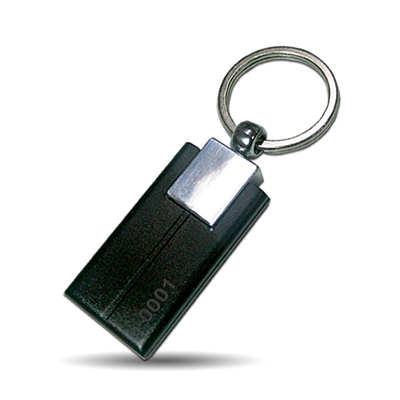
- Metal and mixed-media sculptures: אנטי מטאל תגיות RFID help prevent detuning and signal loss caused by metal surfaces.
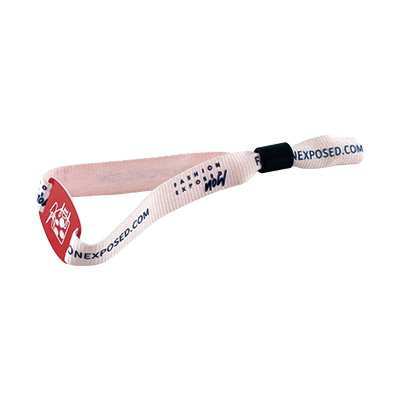
- High-value transport and storage: שיבוצי RFID, תוויות RFID, and handheld RFID readers can be used at crate or pallet level to support logistics.
Every placement should be reversible and documented. Galleries and museums should work with conservators to ensure the tagging method does not alter the work’s structural integrity, הוֹפָעָה, or insurance status.
The Digital Certificate of Authenticity
A well-designed digital certificate should not only confirm that a work is accepted as authentic; it should be the central file for the entire provenance chain. When the certificate is stored in a cloud-based or decentralized registry and accessed through the NFC tag, users can immediately see whether the work’s documented history is consistent.
Typical fields include:
- Artist name, title, תַאֲרִיך, medium, dimensions, and edition details
- Authentication status and expert opinions
- Provenance chain with dates and ownership transitions
- Exhibition, literature, and catalogue raisonné references
- Condition notes and conservation treatments
- Import, export, and legal documentation
The certificate creates a single point of reference. Auction staff can verify incoming consignments, collectors can access records before purchase, and insurers can confirm the declared history of a work.
Museum NFC Tagging: From Internal Catalogues to Public Engagement
Museums have unique requirements. They need accurate collection data, controlled loan processes, and protection against misidentification. NFC tagging can improve all three.
For curatorial teams, tapping a shelf audit list can quickly show which objects have returned from a travelling exhibition. For conservation staff, the same link can display the latest condition report. For visitors and researchers, an NFC-enabled smartphone can provide safe, app-free access to historical context, never exposing the object itself to unnecessary contact.
This application is similar to the broader industrial effort to embed lifecycle information directly into physical goods. As product passports begin to transform other sectors, museums and art owners can apply the same principle to their inventories: the physical object and its digital memory should not be separated. By leveraging NFC tagging, institutions can turn a traditionally static collection record into a living record that grows with every loan, exhibit, and conservation decision.
Building Confidence into Auction House Verification
When a painting arrives at an auction house for a valuation or consignment, specialists must answer three questions: What is it? Is it authentic? What is the quality of its provenance? NFC verification helps the team move through these questions more efficiently.
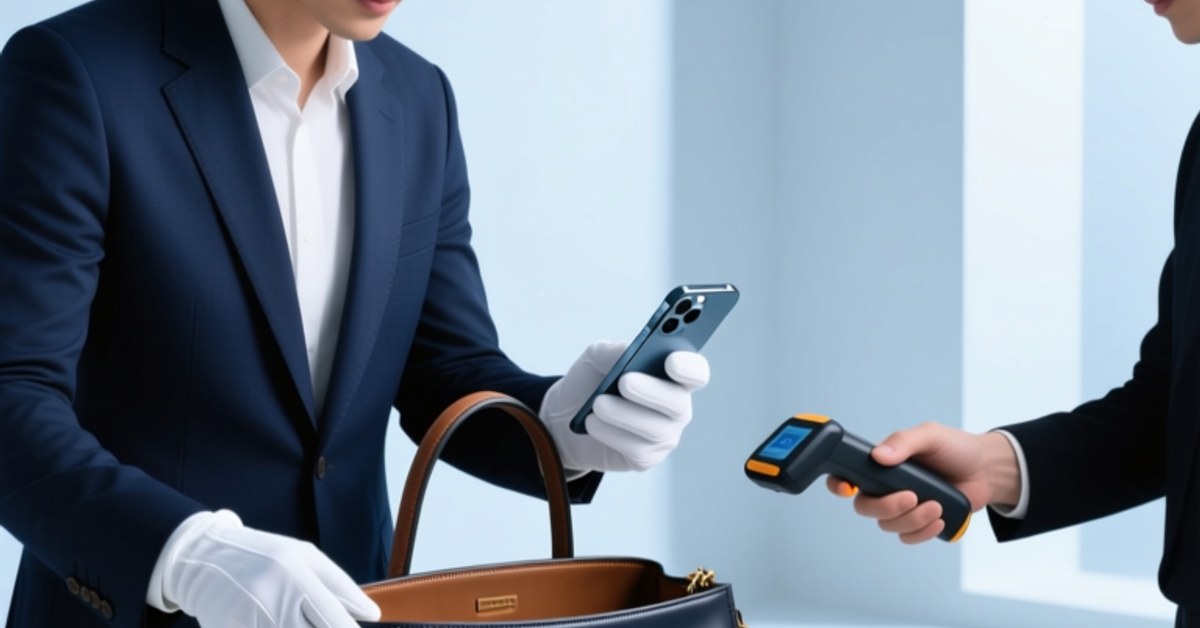
A hand-held NFC-enabled smartphone can read the tag and immediately open the digital certificate. The specialist can then compare the certificate with the physical work, check the condition report mentioned in the file, and review the provenance chain. If the document was updated after the work’s last exhibition or loan, the context of each update can be considered.
For auction houses that manage multiple consignments, batch reading is possible with RFID readers on high-value package intake. While an NFC tag gives exact item-level verification, an RFID label or RFID inlay added to a crate enables staff to confirm both the artwork and the correct shipping case with less manual handling. This integrated approach reduces human errors and creates an audit trail that supports auction due diligence.
Benefits for Insurance, Art Logistics and Storage Providers
Insurance underwriters and art logistics providers are rarely mentioned in authentication debates, yet they are among the first parties to rely on documented chain of custody. A missing transport document or an undocumented restoration can change the value and risk profile of a work.
NFC tags and digital certificates bring new precision to insurance and logistics documentation. Specialists can:
- Digitally confirm check-in and check-out every time a work moves between a gallery, storage vault, or truck.
- Link condition reports to each movement, helping to isolate damage or environmental changes.
- Support valuation reviews by giving insurers access to the same provenance data used by appraisers.
- Streamline recovery procedures if a work is stolen, because the association between object and identity remains identifiable.
For larger storage operations, an RFID asset tracking system can monitor tagged crates at entry and exit points using fixed readers, while NFC tags provide detailed identity at the object level. This is why art teams can learn from NFC authentication for luxury items and adapt existing product technology to the art room.
באופן דומה, the concept of a דרכון מוצר דיגיטלי used in other industries can inspire a more structured way of keeping object history consistent across borders and institutions.
Toward a More Trustworthy Art Market
Digital certificates do not replace the judgment of conservators, authenticators, or legal advisors. They do, אוּלָם, close a critical gap in the art market: the physical-to-digital connection. When a painting can be tapped and its whole documented journey revealed in seconds, provenance becomes defensible, ניתן לאימות, and much harder to falsify.
For galleries and auction houses, NFC lowers the cost of due diligence. For collectors, it provides a convenient way to maintain records for insurance and resale. For museums and logistics providers, it converts manual checks into consistent audit trails. In an ecosystem where reputation is everything, a digital link between object and certificate is fast becoming an essential professional tool.
שאלות נפוצות
How does NFC art authentication work?
An NFC tag attached to the artwork or its frame contains a unique identifier. When an authorised user taps the tag with an NFC-enabled smartphone or reader, it opens an artwork digital certificate in an online registry. That certificate can contain provenance, condition reports, exhibition history, and transaction data. The physical link is the tag; the digital link is the certificate.
Can NFC tagging damage a valuable painting or sculpture?
When installed by a conservator or trained specialist using reversible methods, NFC tagging does not have to alter the artwork. Tags are placed on stable secondary surfaces such as the back of a frame, the backing board, or an underside of a sculpture base. Surface cleaning, adhesive selection, and placement should always be documented.
Does an NFC tag guarantee that an artwork is authentic?
לֹא. An NFC tag proves that the physical object is linked to a digital record, but it does not by itself establish artistic authenticity. Authenticity decisions should still be made by experts, while the NFC system ensures the object’s documented provenance and certificate history are difficult to separate or tamper with.
What should be included in an artwork digital certificate?
A useful certificate includes artist and object identifiers, image rights and thumbnail references, provenance chain, exhibition and loan records, condition notes, conservation treatments, import or export documentation, and a log of every authorised update or transfer. This allows galleries, collectors, בתי מכירות פומביות, and insurers to share one trustworthy record.
Ready to Build a Digital Provenance Record for Your Artworks?
From NFC tags and NFC stickers for paintings to anti-metal תגיות RFID for sculptures and RFID asset tracking for art logistics, RFIDHY and NFCWORK provide the hardware and support needed to create secure object identifiers. Tell us about your conservation constraints, collection size, and verification workflow, and we will help you choose the right tagging strategy.
Contact the NFCWORK team או לחקור את מגוון מוצרי NFC כדי להתחיל.