Kejuruteraan Antena NFC Berprestasi Tinggi untuk Boleh Dipakai
Barang boleh pakai berdaya NFC—daripada gelang tangan silikon kepada cincin pintar mewah—memerlukan antena yang mengimbangi pengecilan, gandingan badan, dan pematuhan peraturan. Pada 13.56 MHz, Prestasi antena NFC dikawal oleh fizik: faktor bentuk yang lebih kecil mengurangkan kawasan tangkapan fluks magnet, mengehadkan julat bacaan secara langsung. Namun dengan reka bentuk pintar, operasi 3–5 cm yang boleh dipercayai pada badan boleh dicapai. Begini caranya.
1. Cabaran Fizik & Strategi Pampasan
Mengecutkan antena NFC mengurangkan kearuhan dan rintangan sinarannya, merendahkan kecekapan gandingan—terutamanya berhampiran tisu manusia konduktif. Untuk membayar pampasan, pereka gunakan perisai ferit kebolehtelapan tinggi (Mis., TDK IFL atau 3M AB5000), tindanan PCB berbilang lapisan, dan geometri gegelung yang dioptimumkan. Teknik ini memulihkan ketumpatan fluks magnet tanpa meningkatkan jejak.
2. Teknik Pemuatan Ferrite
Meletakkan kepingan ferit tersinter di belakang antena menumpukan fluks magnet ke arah pembaca dan melindungi daripada detuning daripada tisu pergelangan tangan. Dalam reka bentuk gelang tangan silikon NFC yang disahkan, teknik ini meningkatkan julat bacaan pada badan sebanyak 30–50% berbanding setara yang tidak dilindungi—penting untuk akses acara atau pengesahan selamat.
3. Pengoptimuman Geometri Antena
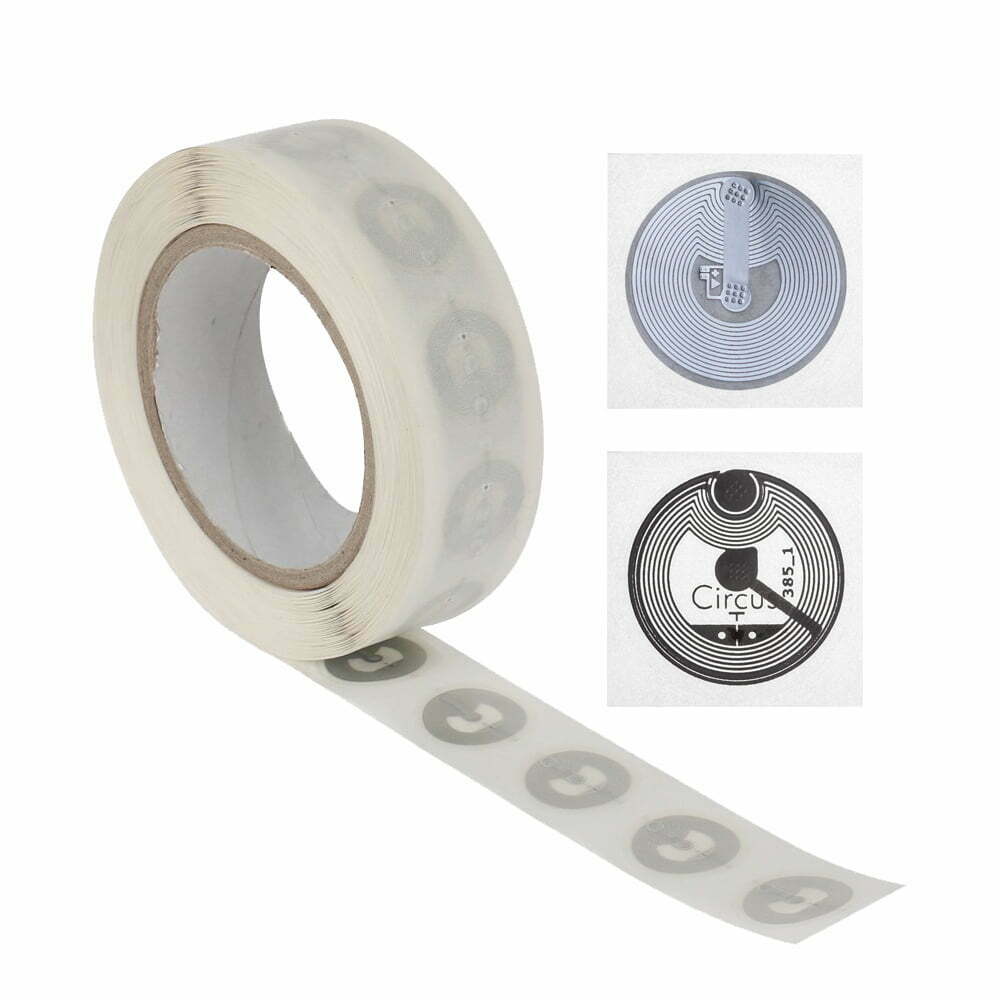
Untuk barang boleh pakai, gegelung segi empat tepat menawarkan penggunaan ruang yang lebih baik dalam gelang tangan; gegelung bulat cincin sut dan keyfob; corak rajah-8 meningkatkan keseragaman bidang. Antena FPC satu lapisan adalah biasa untuk aplikasi sensitif kos; varian berbilang lapisan membolehkan kawalan faktor Q yang lebih ketat (sasaran: 15–25). Lebar dan jarak jejak ditala untuk mengurus rintangan dan kapasiti diri—kunci untuk mengekalkan kestabilan resonans.
4. Pertimbangan Bahan
- PCB fleksibel (FPC): Sesuai untuk permukaan melengkung seperti Gelang tangan silikon NFC dan tompok perubatan.
- Dakwat perak pada PET: Digunakan dalam tampung pintar pakai buang—kekonduksian yang lebih rendah tetapi berskala tinggi.
- FR4 atau substrat seramik yang terukir tembaga: Diutamakan untuk premium NFC berdering di mana kekonduksian dan ketahanan adalah terpenting.
5. Reka Bentuk Rangkaian Padan
Rangkaian L-C yang ditala dengan baik memastikan impedans 50Ω pada 13.56 MHz. Perangkap biasa termasuk kapasitans parasit dari penutup padat dan pergeseran kebolehtelapan yang bergantung kepada suhu dalam ferit.. Kami mengesyorkan menggunakan kapasitor NP0/C0G dan induktor pekali suhu rendah untuk prestasi yang stabil merentas -10°C hingga +50°C.
6. Menguji & Pengesahan
Pengesahan termasuk:
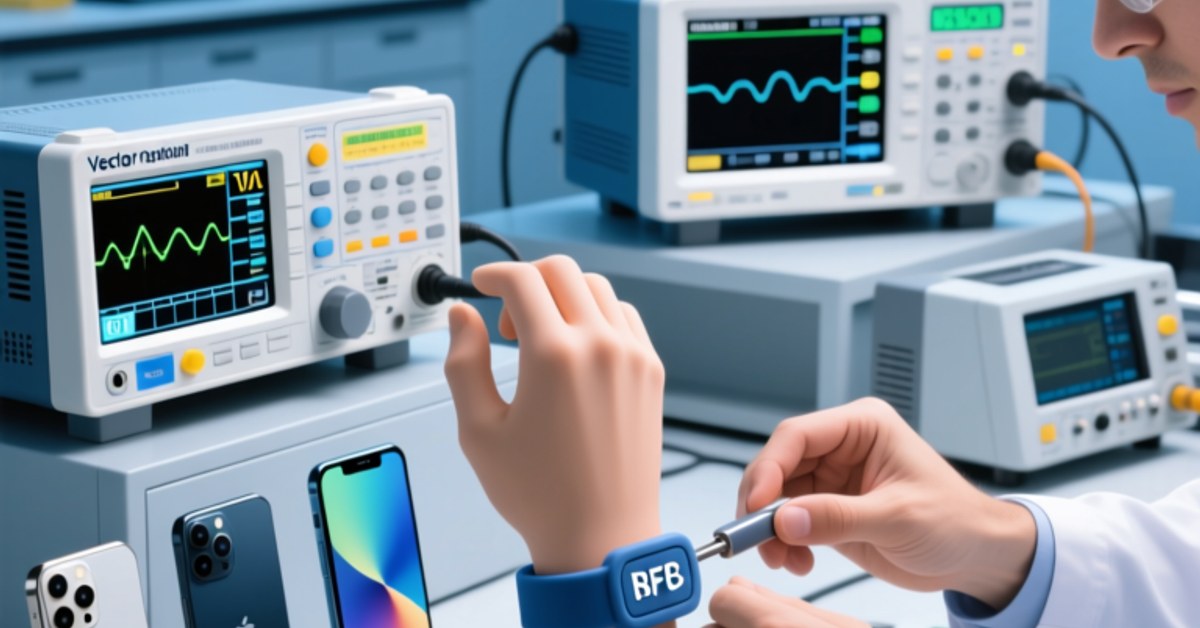
- Pengukuran VNA bagi kerugian pulangan S11, frekuensi resonans, dan lebar jalur;
- ISO 14443-A/B dan ISO 15693 ujian emulator kad;
- Ujian julat baca dunia sebenar merentas peranti rujukan: iPhone 14/15, Samsung Galaxy S23, Google Pixel 7.
7. Kajian kes: Antena Gelang Tangan Silikon NFC
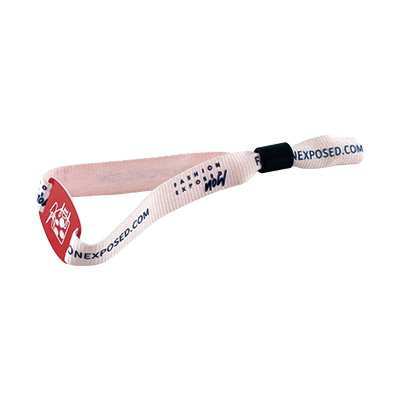
Reka bentuk terbaru menyepadukan antena FPC 2 lapisan ke dalam acuan silikon setebal 2mm. Lembaran ferit TDK IFL 0.5mm terlindung daripada tisu pergelangan tangan. Julat bacaan sasaran: 3–5 sm. Hasil yang diukur: 4.2 cm dengan Pixel 7, mematuhi sepenuhnya ISO 14443-A.
8. Teknologi Baru Muncul: NTAG I²C untuk Boleh Dipakai Aktif
Keluarga NTAG I²C membolehkan komunikasi dua arah antara pengawal NFC dan mikropengawal melalui jambatan I²C—sesuai untuk tampung pemantauan kesihatan atau barang kemas pintar interaktif. Reka bentuk antena mesti menyokong tinjauan pasif dan pertukaran data aktif tanpa menjejaskan kecekapan RF.
Parameter Antena NFC yang Disyorkan untuk Boleh Dipakai Biasa
>
| Faktor Bentuk | Dimensi Luar | Gegelung Berpusing | Lebar Jejak | Jenis Ferrite | Julat Bacaan Jangkaan |
|---|---|---|---|---|---|
| Wristband silikon NFC | 45 × 12 mm | 4–6 | 0.25 mm | TDK IFL-0.5 mm | 3.5–4.5 sm |
| cincin NFC | Ø18 mm | 3–5 | 0.3 mm | 3M AB5000-0.3 mm | 2.5–3.5 sm |
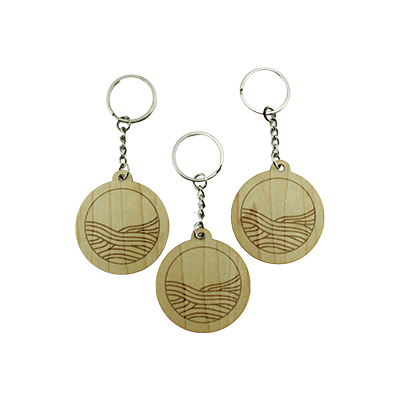
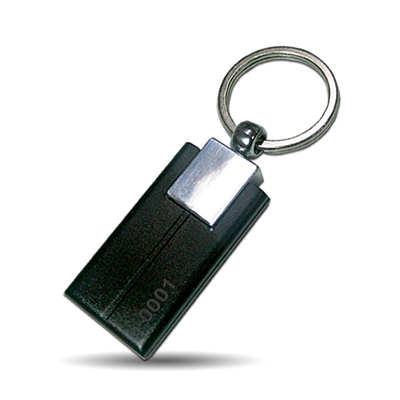
| Fob kekunci NFC | 50 × 35 mm | 5–7 | 0.35 mm | TDK IFL-0.3 mm | 4–6 sm |
| Tampalan perubatan pintar | 30 × 20 mm | 4 | 0.2 mm (dakwat perak) | Tiada (substrat PET) | 2–3 sm |
Kuasakan Boleh Dipakai Seterusnya anda dengan Kepakaran RFIDHY dan NFCWORK
Sama ada anda sedang membangun Gelang tangan acara NFC, Fob kekunci NFC, atau adat gelang tangan RFID untuk akses perusahaan, pasukan kejuruteraan kami menyampaikan susun atur antena sedia pengeluaran, Laporan pengesahan patuh ISO, dan penyelesaian boleh pakai NFC tindanan penuh.
Soalan Lazim
- Mengapa prestasi NFC merosot pada tubuh manusia?
Tisu manusia menyerap dan menapis medan magnet NFC. Perisai ferit mengurangkan ini dengan mengalihkan fluks dan mengasingkan antena daripada gangguan konduktif. - Bolehkah saya menggunakan standard Tag NFC dalam reka bentuk yang boleh dipakai?
Tatahan NFC di luar rak jarang memenuhi keperluan mekanikal atau RF untuk boleh pakai. Penyepaduan antena tersuai—termasuk pilihan substrat, perisai, dan padanan—adalah penting untuk kebolehpercayaan. - Apakah perbezaan antara Wristbands NFC dan gelang tangan RFID?
Wristbands NFC beroperasi di 13.56 MHz (ISO 14443/15693) dan menyokong interaksi dua hala (Mis., ketik untuk mengesahkan); Uhf gelang tangan RFID (860–960 MHz) biasanya baca sahaja dan digunakan untuk penjejakan aset jarak jauh—lihat Gelang tangan RFID UHF RFIDHY. - Adakah anda menyediakan fail simulasi antena atau output Gerber?
Ya—kami menyampaikan laporan simulasi HFSS atau CST, fail susun atur (Gerber/ODB++), dan dokumentasi ujian sejajar dengan keperluan rakan kongsi pembuatan anda.
Perlukan Sokongan Reka Bentuk Antena Boleh Dipakai NFC Tersuai?
Pasukan kejuruteraan kami menawarkan pembangunan antena NFC hujung ke hujung—daripada simulasi dan prototaip kepada ujian pematuhan ISO dan penyerahan volum pengeluaran. Sama ada anda membuat skala Gelang tangan silikon NFC, melancarkan talian cincin pintar, atau membenamkan NFC ke dalam alat boleh pakai perubatan, kami memastikan prestasi RF yang optimum, kebolehkilangan, dan kesediaan pensijilan.